
For years I jumped between high and lows that were impossible to control — I felt like king of the world one day and down in the dumps the next. It was really frustrating and scary. I had completely lost my sense of self. But meeting Dr Akul changed that. With her guidance and the right medication, I am now slowly regaining control of my life and being able to focus on what matters most without getting sucked into the extremes.

Clinically Proven Care, Trusted by Thousands
50K
+
Lives transformed
97%
Report early reduction in symptoms
40
+
Years of trusted, effective care

Brain Stimulation Treatments
Our Experts for Comprehensive Bipolar Disorder Treatment

Dr. Sunil Mittal
Senior Consultant Psychiatrist


Online, in-person
Hindi, English
40+ Years Experience

Dr. Shambhavi Jaiman
Consultant Psychiatrist
Online, In-person
English, Hindi
7+ Years Experience

Dr. Siddharth Sethi
Consultant Psychiatrist
Online, In-person
English, Hindi, Marathi
7+ Years Experience

Dr. Akul Gupta
Consultant Psychiatrist
Online, in-person
Hindi, English
5+ Years Experience
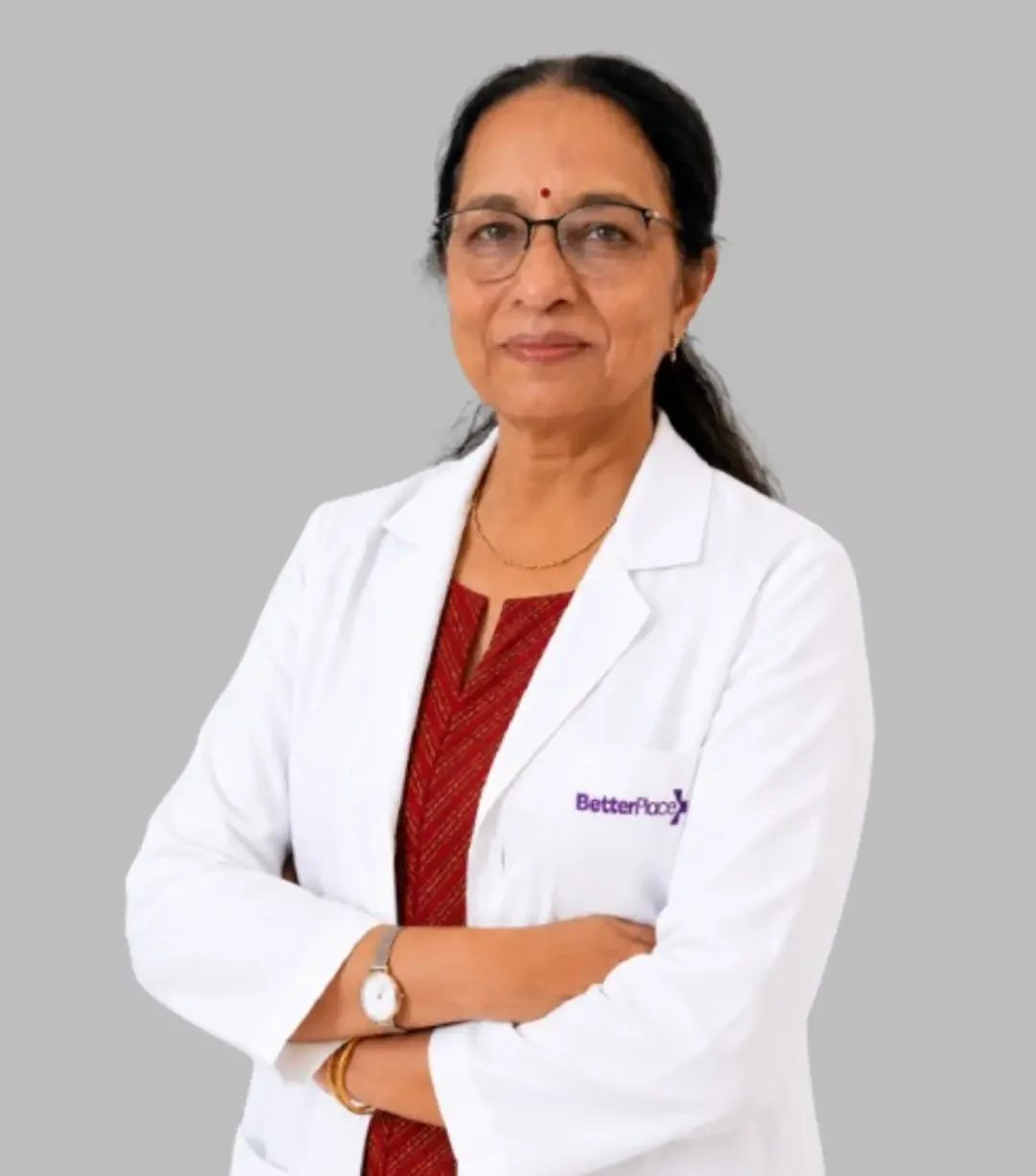
Dr. Pranita Gaur
Clinical Psychologist
Online, In-person
Hindi, English
44+ Years Experience
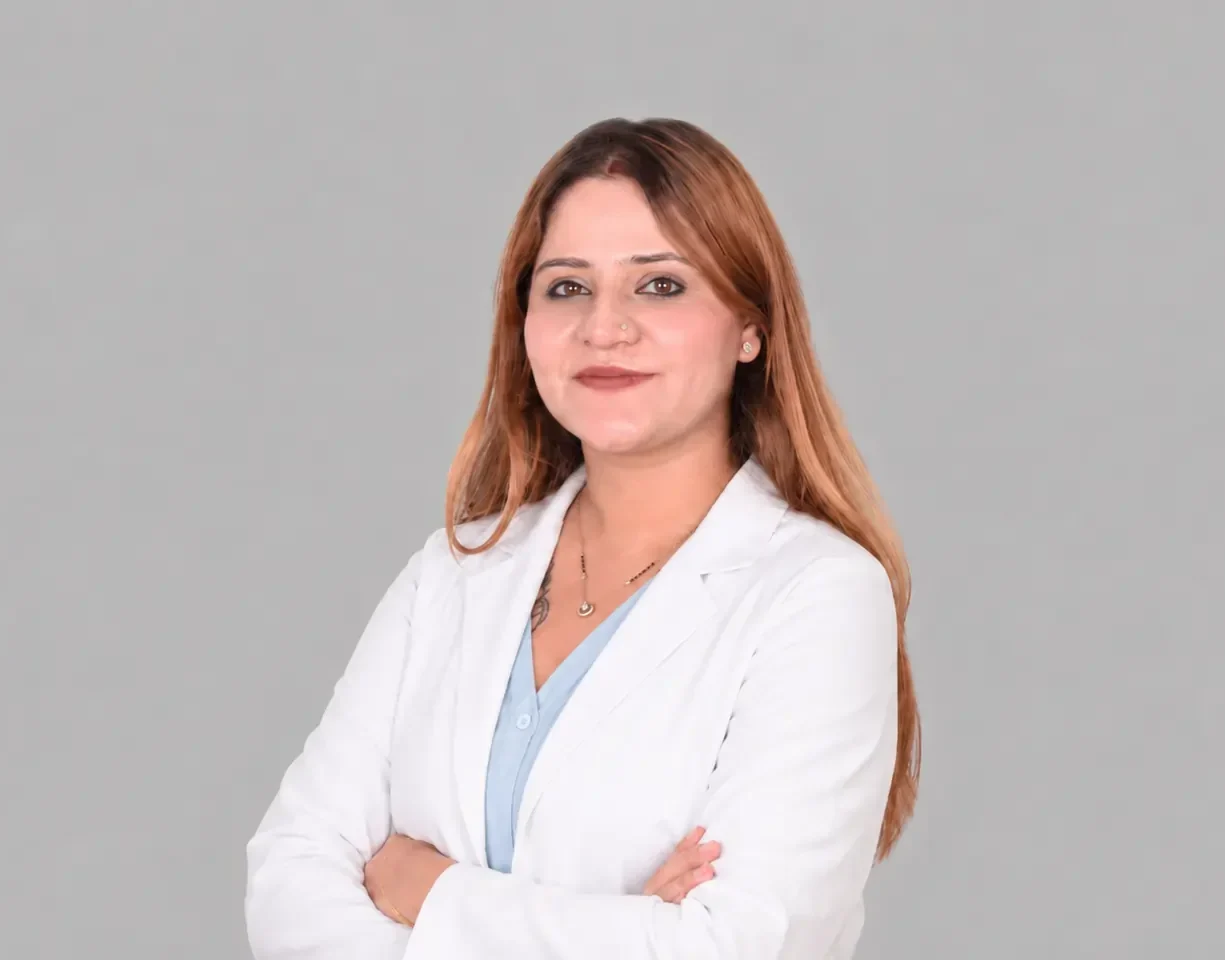
Ms. Anantika Tehlani
Clinical Psychologist
Online, In-person
Hindi, English
7+ Years Experience

Ms. Ayushi Paul
Clinical Psychologist
Online, In-person
Hindi, English, Bengali
5+ Years Experience

Ms. Sulagna Mondal
Clinical Psychologist
Online, In-person
Hindi, English
5+ Years Experience

Ms. Sulagna Mondal
Clinical Psychologist
Online, In-person
Hindi, English, Bengali
3+ Years Experience

Ms. Shreya Maheshwary
Counselling Psychologist
Online, In-person
Hindi, English
2+ Years Experience

Ms. Shreeyam Mishra
Clinical Psychologist
Online, In-person
Hindi, English
2+ Years Experience
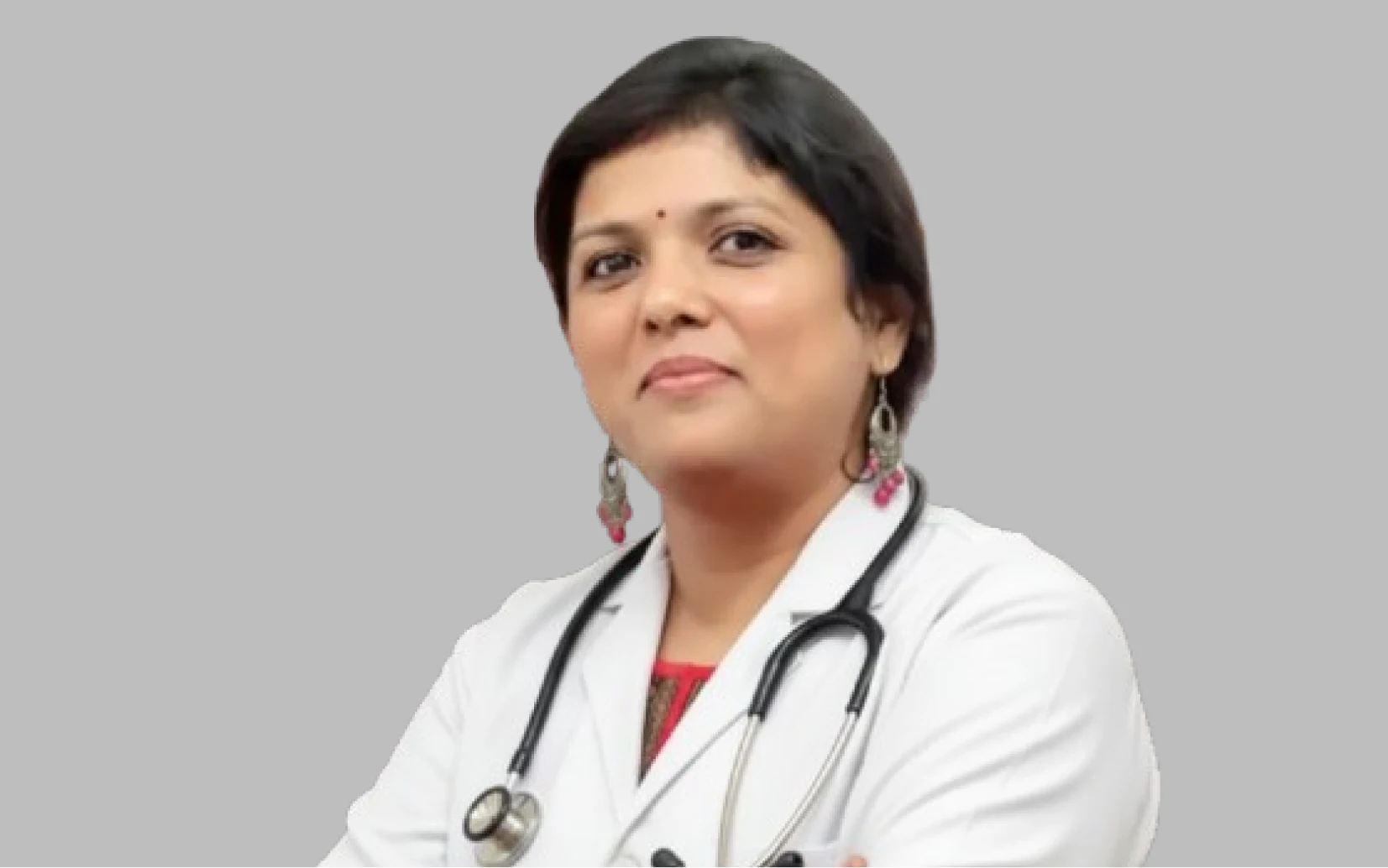
Ms. Mitali Srivastava
Senior Clinical Psychologist
Online, in-person
Hindi, English
15+ Years Experience
What Makes Our Bipolar Disorder Treatment Unique?

Focused yet flexible
Whether you need support for yourself, your family, or your partner, we provide a variety of therapeutic services personalised to your unique needs, guiding you through challenging times with compassionate care.

Strict initial screenings
During your initial screening, our doctors will assess wether you need the assessments or not. Not everyone needs one, but if we prescribe one to you, it’s your call if you want to take it or not.

Short-term and long-term options
Whether you're seeking brief, solution-focused counselling or long-term support, we offer flexible counselling options to ensure you receive a level of care that best suits your needs.

Skill-building and coping strategies
Our counsellors conduct a psychoeducation session to educate you about your condition, and teach you practical skills and tools to help you navigate through life’s challenges.
Visiting BetterPlace For Bipolar Disorder Treatment? Here’s What to Expect
When visiting BetterPlace, you can expect a welcoming environment where there is 0% judgement.

Detailed initial session (90 min)
Meet with both a psychologist and a psychiatrist
Comprehensive testing
Get an accurate understanding of your mental health
Treatment phase (3-8 Weeks)
Get a personalised treatment plan
Long-term support
Get ongoing care with regular follow-ups
Transformation Stories at BetterPlace!

Sometimes i felt like i was on top of the world, i was invincible, i was riding high waves. I would feel this way for weeks but then suddenly? I would start feeling like i dont wanna get out of my bed, i had low-motivation low energy. I used to think im just tired, i’ll get back to my confident self again but i started noticing a pattern. After consulting the psychologists at BetterPlace, i found out that i had bipolar. After the treatment i am now feeling much better.
My daughter was diagnosed with depression at just 13, and we tried a bunch of different doctors before finally finding the right one. Now she’s 20 and doing really well. She’s super comfortable with Dr. Akul and her therapist, and I’m happy because I get regular updates and can track her progress in real-time.
Meet Our Experts for Effective Bipolar Disorder Treatment Today
Visit us or book an online consultation

BetterPlace, East of Kailash
At National Heart InstituteFirst Floor, Annexe Building D Block, East of Kailash, New Delhi
BetterPlace, Gurgaon
5th Floor, Plot No 33,Compassionate Mental Health Care for Bipolar Disorder














Bipolar Disorder Treatment at BetterPlace

What Is Bipolar Disorder?
You’ve probably heard someone described as being of “polar opposites”, one an extrovert, the other an introvert; one energetic, the other quiet. Living with Bipolar Disorder can feel like having both of those people inside you, showing up at different times. That’s where the name comes from.
Read MoreBipolar Disorder is a mental health condition characterised by extreme mood swings that include emotional highs (mania or hypomania) and lows (Depression). These mood swings can be severe and interfere with your daily life. Needless to say, Bipolar affective Disorder can be a very difficult condition to live with. While it can be a very difficult condition to live with, the right bipolar disorder treatment can make a significant difference in your life. While it can be a very difficult condition to live with, the right bipolar disorder treatment in Delhi can make a significant difference in your life.
In clinical settings, Bipolar Disorder is also sometimes referred to as bipolar affective disorder, especially when doctors are discussing diagnosis, classification, or long-term management.

Types of Bipolar Disorder
Bipolar disorder isn’t a single experience. It shows up in a few distinct patterns, and knowing which one applies to you helps shape the right treatment plan.
- Bipolar I Disorder
- Bipolar II Disorder
- Cyclothymic Disorder
- Rapid Cycling Bipolar Disorder
- Mixed Features Bipolar Disorder
Bipolar I Disorder
You experience extreme mood swings with severe manic episodes, and you may also have depressive episodes. These manic episodes last at least seven days, or they’re severe enough that you need immediate hospital care.
Bipolar II Disorder
Characterised by alternating periods of milder hypomanic episodes and major depressive episodes. Hypomanic episodes are less severe than full-blown mania and do not typically require hospitalisation. These episodes last at least four days and are followed by depressive episodes.
Cyclothymic Disorder
Defined by chronic mood disorder with frequent, less severe mood swings. Symptoms are less severe than in Bipolar I or II Disorder but are chronic and long-lasting. Symptoms persist for at least two years, with periods of stable mood lasting less than two months.
Rapid Cycling Bipolar Disorder
It is a type of Bipolar Disorder where a person experiences at least four episodes of mania, hypomania, Depression, or mixed state within a single year. You may experience multiple “highs” and “lows” and have multiple mood shifts in a single day.
Mixed Features Bipolar Disorder
Mixed Feature Bipolar Disorder occurs when a person experiences both, depressive and manic episodes at the same time. Such a condition can be difficult to manage and even pose a challenge during diagnosis.

Signs and Symptoms of Bipolar Disorder
Bipolar Disorder brings two very different sets of symptoms, and you might swing between them over time.
Manic Episode Symptoms
- Elevated mood: You feel abnormally happy, euphoric, or irritable for stretches of time.
- Increased energy: You feel restless, wired, or unable to sit still.
- Racing thoughts: Your thoughts move quickly, making it hard to focus.
- Decreased need for sleep: You feel rested after just a few hours, or you go days without much sleep at all.
- Impulsivity: You take risks you normally wouldn’t, like overspending, reckless driving, or risky sexual behaviour.
- Grandiosity: You feel unusually important or powerful, with inflated self-esteem.
- Distractibility: You jump from one idea or task to another without finishing anything.
Depressive Episode Symptoms
- Feelings of sadness: Persistent sadness, emptiness, or hopelessness that gets in the way of your day.
- Loss of interest: Activities you used to enjoy, hobbies, socialising, work, stop feeling worthwhile.
- Changes in appetite or weight: You notice significant weight loss or gain.
- Difficulty concentrating: You struggle to focus, decide, or remember things.
- Fatigue: You feel tired and low on energy even after enough sleep.
- Sleep disturbances: You deal with insomnia or sleep far more than usual.
- Feelings of worthlessness: You feel guilty or worthless, even over small things.
- Thoughts of death or suicide: Persistent thoughts about dying or suicide.
Symptoms in Children and Teenagers
Bipolar Disorder in children and teens can look different from how it shows up in adults. You’re more likely to see:
- Irritability and defiance rather than obvious euphoria during manic phases.
- Faster mood shifts, sometimes within a single day, and s
- School performance and friendships often take a hit.
Because these signs can overlap with ADHD or normal teenage mood swings, getting an assessment from a specialist matters more than guessing whether your teen has it or not.

Causes and Risk factors of Bipolar Disorder
Bipolar disorder can be caused by certain factors, such as:
- Brain chemistry
- Genetics
- Epigenetics
- Environmental Triggers
- Hormonal Changes
Brain Chemistry
Imbalances in neurotransmitters (chemical messengers in the brain) such as dopamine, serotonin, and norepinephrine are thought to play a role in Bipolar Affective Disorder. Structural and functional changes in the brain may also contribute to the development of the disorder.
Genetics
More than two-thirds of people with Bipolar Disorder have at least one close relative who also has the illness, suggesting a genetic component. However, having a family history of Bipolar Disorder doesn’t guarantee that you will develop the condition. Instead, it increases the likelihood of developing it.
Epigenetics
Your genes aren’t the whole story. Epigenetics looks at how stress, environment, and life experiences can switch certain genes on or off without changing your underlying DNA. This helps explain why two people with a similar genetic risk can have very different outcomes.
Environmental Triggers
Stressful life events, such as trauma, loss, or major life changes, can trigger the onset of Bipolar Disorder in susceptible people. Additionally, substance abuse, particularly drugs such as cocaine, ecstasy, or amphetamines, can worsen or trigger episodes of mania or Depression. In some cases, overlapping symptoms with Anxiety can also complicate the clinical picture.
Hormonal Changes
Imbalances in hormones can trigger or cause Bipolar Disorder. Dysregulation in hormones such as cortisol (stress hormone) has been linked to mood swings and emotional instability. Additionally, fluctuations in thyroid hormones are linked to spikes in energy and mood. It is crucial to balance hormones and neurotransmitters in the brain for an effective, long-lasting treatment of bipolar Affective disorder.
Risk Factors of Bipolar Disorder
Some factors don’t cause Bipolar Disorder outright, but they raise your chances of developing it.
Childhood Trauma
If you experienced abuse, neglect, or other significant trauma growing up, your risk of developing Bipolar Disorder later in life goes up.
Family History
Having a parent or sibling with Bipolar Disorder increases your own risk, even though it’s far from a certainty.
Gene Changes
Specific gene variations have been linked to a higher likelihood of developing the condition, particularly when combined with environmental stress.

Diagnosis and Treatment of Bipolar Disorder
At Betterplace, Bipolar Disorder is diagnosed through psychiatric evaluations, clinical assessments, and medical history reviews. These tests help our psychiatrists and psychologists gain insight into your condition and the symptoms that you might be experiencing. Both the DSM-5 (Diagnostic and Statistical Manual of Mental Disorders, 5th Edition) and ICD-10 (International Classification of Diseases, 10th Edition) provide criteria used by medical professionals to diagnose Bipolar Disorder. If you want integrated support for diagnosis and recovery, you can begin at a mental health clinic in Delhi.
Our team includes experienced bipolar disorder specialists who focus on identifying the type of your bipolar disorder, pattern, and severity of your symptoms before creating a personalised treatment plan.
Read MoreTreatment Options for Bipolar Disorder
So how is Bipolar Disorder actually treated? Most bipolar disorder treatment plans combine medication with therapy, since either one alone rarely covers everything you need. Your doctor will usually start with mood-stabilising medication to bring the highs and lows under control, then add therapy to help you manage triggers, routines, and relationships.
Treatment tends to look different depending on your age. In teenagers, treatment usually involves the family closely, careful and gradual medication changes, and coordination with school. In adults, treatment leans more on self-managed routines, workplace considerations, and long-term lifestyle adjustments. Whatever your age, a personalised plan from bipolar disorder specialists works far better than a generic one.
Medication Management
Medication can be a game-changer when it comes to managing Bipolar Disorder. Mood stabilisers, antidepressants, antipsychotics, and other medications can help balance out your moods and reduce the intensity of your symptoms. It might take some time to find the right combination of medications that works best for you but don’t give up hope.
- Mood stabilisers: These form the backbone of most treatment plans for bipolar disorder, helping level out the highs and lows.
- Anticonvulsants: Originally developed for epilepsy, several of these also help stabilise mood.
- Atypical antipsychotics: These help manage manic or mixed episodes, and sometimes depressive ones too.
- Antidepressants: These are occasionally added for depressive episodes, usually alongside a mood stabiliser to avoid triggering mania.
With the guidance of your healthcare provider, you’ll find a treatment for bipolar disorder that helps you feel more stable and in control of your life. Remember, taking your medication as prescribed and communicating openly with your doctor is key to getting the most out of your Bipolar treatment. If medication management is central to your care, psychiatry is often the most relevant support path, and you can also consult psychiatrists in Delhi for specialist support.
Psychotherapy
Different forms of psychotherapy can be used to help manage Bipolar Disorder. The goal is to identify which ones work best in your case and then stick to those religiously.
- Family-Focused therapy (FFT) includes both the individual with Bipolar Disorder and their family members. Together, they learn how to communicate better, solve problems, and support each other through the challenges of Bipolar Disorder.
- Cognitive-Behavioral Therapy (CBT) helps you understand how your thoughts, feelings, and behaviours are connected. You work with a therapist for bipolar disorder to identify negative thought patterns and develop strategies to change them.
- Dialectical Behavior Therapy (DBT) teaches you skills that you can use to cope with the intense emotions arising due to Bipolar Disorder. DBT will also help you improve relationships, navigate mood swings, and reduce impulsive behaviour.
- Support Groups offer understanding and bring people with Bipolar Disorder together to share experiences, support each other, and talk about challenges and successes. By building a sense of community, it helps reduce feelings of isolation and creates a safe space for everyone.
These bipolar disorder therapies can play an important role in long-term recovery, especially when they are combined with consistent medical care and follow-ups. You can also explore bipolar disorder therapy if you want more therapy-specific support. And if South Delhi is more convenient for you, you can also explore the best psychiatrists in South Delhi.

Cost of Bipolar Disorder Treatments at BetterPlace
The cost of treatment for Bipolar Disorder at BetterPlace is INR 2,000 per session, offering you the best available Bipoolar disorder treatment at the most affordable prices. In your first 90-minute session, you meet both our clinical psychologist and psychiatrist to get an accurate understanding of your mental health. Our expert team works together to make sure your recovery is on track, and our senior team with over 40+ years of experience guides every case with a keen eye. This approach makes sure that we not only treat your symptoms but completely treat YOU as a person. To support diagnosis and treatment planning, we may also recommend assessments where clinically needed.
Read MoreWhen Should You Consult a Doctor for Bipolar Disorder Treatments?
Reach out to a psychiatrist if your mood swings feel more intense than everyday ups and downs, or if they’re disrupting your work, relationships, or daily routine. You should also get assessed if you notice a close family member showing similar patterns, since a genetic link raises your own risk. If you ever have thoughts of self-harm or suicide during a low period, treat that as urgent and get help immediately rather than waiting.

Why Choose BetterPlace and How to Book an Appointment?
At BetterPlace, you get personalised and integrated care. Instead of bouncing between separate providers, you have psychiatrists and psychologists working together on your case from day one, treating the biological, psychological, and social sides of your condition as one connected picture.
We are located in East of Kailash, Delhi, and Gurgaon, which makes us easy to reach anywhere in Delhi NCR.
Read MoreHow to Book an Appointment at BetterPlace
You can click on any “Book an appointment” button on our website, input your details, and a representative from our end will contact you shortly.
Alternatively, you can call us at +919773996888 to book an appointment or visit our clinic in the East of Kailash, New Delhi.
FAQs about Bipolar Disorder Care
Yes, frequent or intense mood swings can sometimes indicate an underlying condition. In such cases, bipolar disorder therapy can help manage emotional highs and lows. With the right bipolar disorder treatment, you can too lead a stable and fulfilling life.
Bipolar Disorder is more likely to affect children whose parents also have the disorder. If one parent has Bipolar Disorder, the risk of the child getting it is 15-30%. If both parents have it, that number shoots up to 50-75%. Understanding your family history and discussing your concerns with a mental health professional can help determine your risk and develop a proactive approach to managing Bipolar Disorder.
The average onset age for Bipolar Disorder is about 25 years. That said, it can occur in teens as well. It has also been observed in children, but that is not as common.
While Bipolar Disorder cannot be completely cured, it can be effectively managed with treatment and support. With the right combination of therapy, medication, and lifestyle changes, many people with this disorder can lead fulfilling lives.
You should seek immediate help if you are experiencing multiple mood swings in a day, or having manic and depressive episodes at least 2 weeks from one another. These mood swings can be hard to deal with and will negatively impact your daily functioning. Seeking help from bipolar disorder specialists early can make diagnosis and symptom control much more manageable.
Lifestyle changes such as maintaining a regular sleep schedule, engaging in regular exercise, and avoiding alcohol and drugs can help manage Bipolar Disorder symptoms. Incorporating healthy habits into your daily routine can complement other treatment approaches.
With proper management and support, people dealing with Bipolar Disorder can have children and be loving, capable parents. It’s important to work closely with healthcare providers to develop a plan for managing symptoms during pregnancy and postpartum.
Working with a therapist for bipolar disorder helps you recognise your personal triggers, manage unhelpful thought patterns, build coping skills, and improve communication with the people around you.
Over time, talking therapies help you spot early warning signs before a full episode develops, keep your routines steady, and build a support system you can lean on, all of which lower your chances of relapse.
Stick to your medication as prescribed, keep your sleep and daily routine consistent, avoid alcohol and recreational drugs, stay in regular contact with your doctor, and use what you’ve learned through psychoeducation to catch early warning signs before they escalate.
More Ways We Help You Manage Bipolar Disorder
Latest articles
July 22, 2026
Anuroop Pokhriyal
June 26, 2026
Anuroop Pokhriyal
June 24, 2026
Anuroop Pokhriyal
