
I was diagnosed with major depression 2 years ago. Since then, i’ve tried countless doctors, treatments, medicines and therapies but nothing has worked. I couldnt find brain stimulation service in my country then i found out about BetterPlace who provide rTMS. My treatment lasted 3 weeks and i havnt felt this good in 2 years!

Mental Health Services Backed by Research, Trusted by Thousands
50K
+
Lives transformed
97%
Report early reduction in symptoms
40
+
Years of trusted, effective care

Brain stimulation treatments
Our Doctors for Comprehensive Psychiatric Treatment
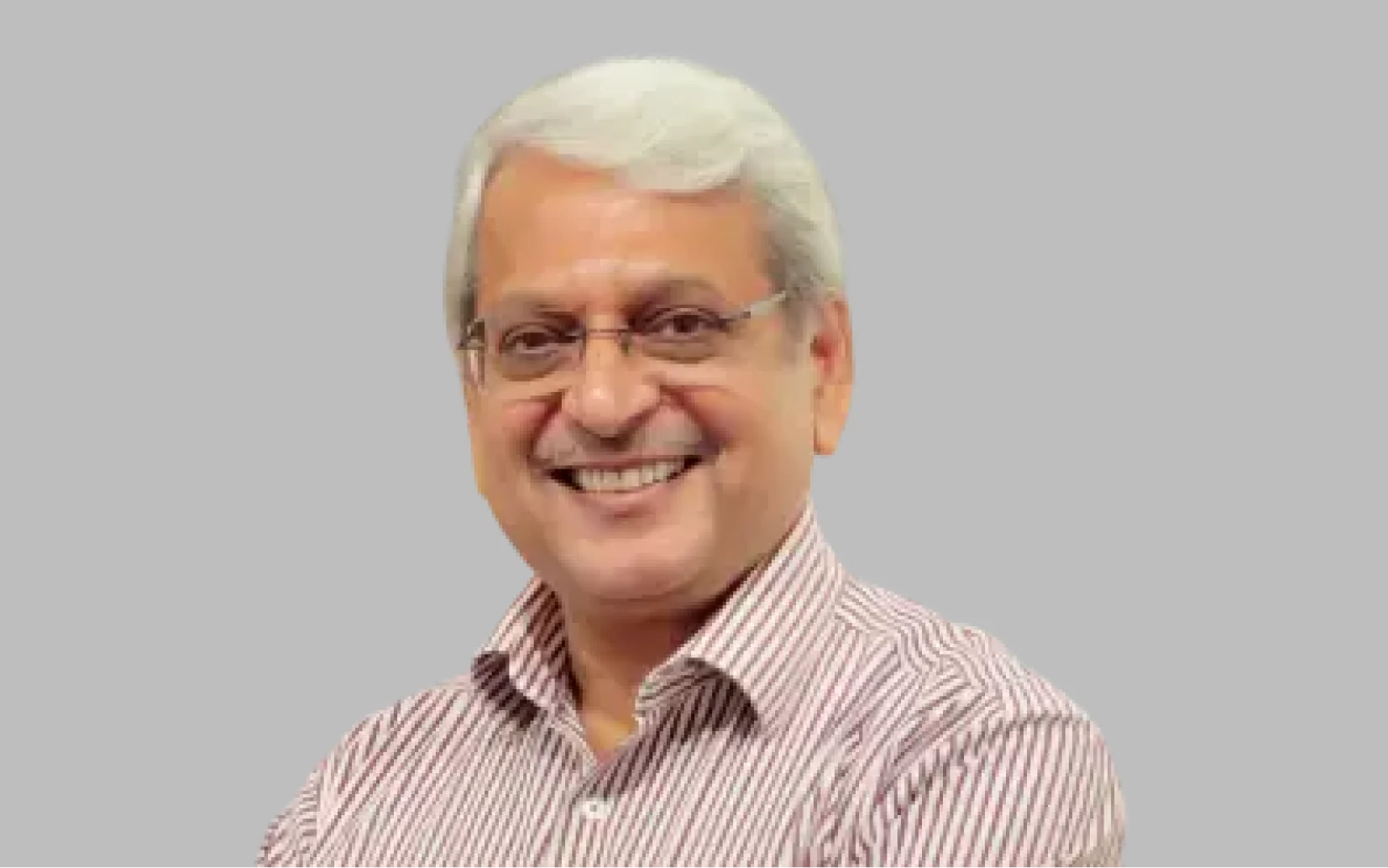
Dr. Sunil Mittal
Senior Consultant Psychiatrist


Online, in-person
Hindi, English
40+ Years Experience
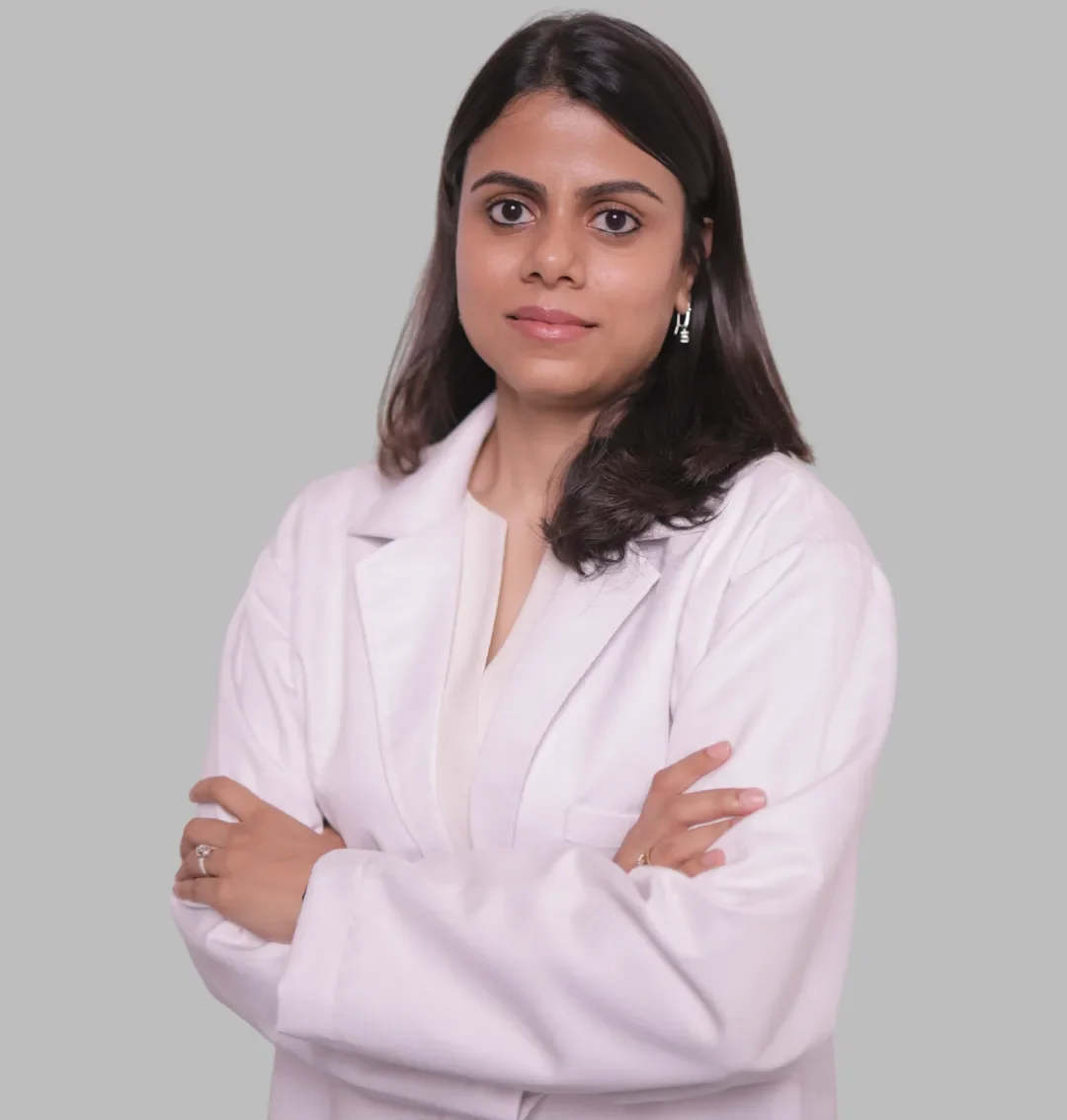
Dr. Shambhavi Jaiman
Consultant Psychiatrist
Online, In-person
English, Hindi
7+ Years Experience
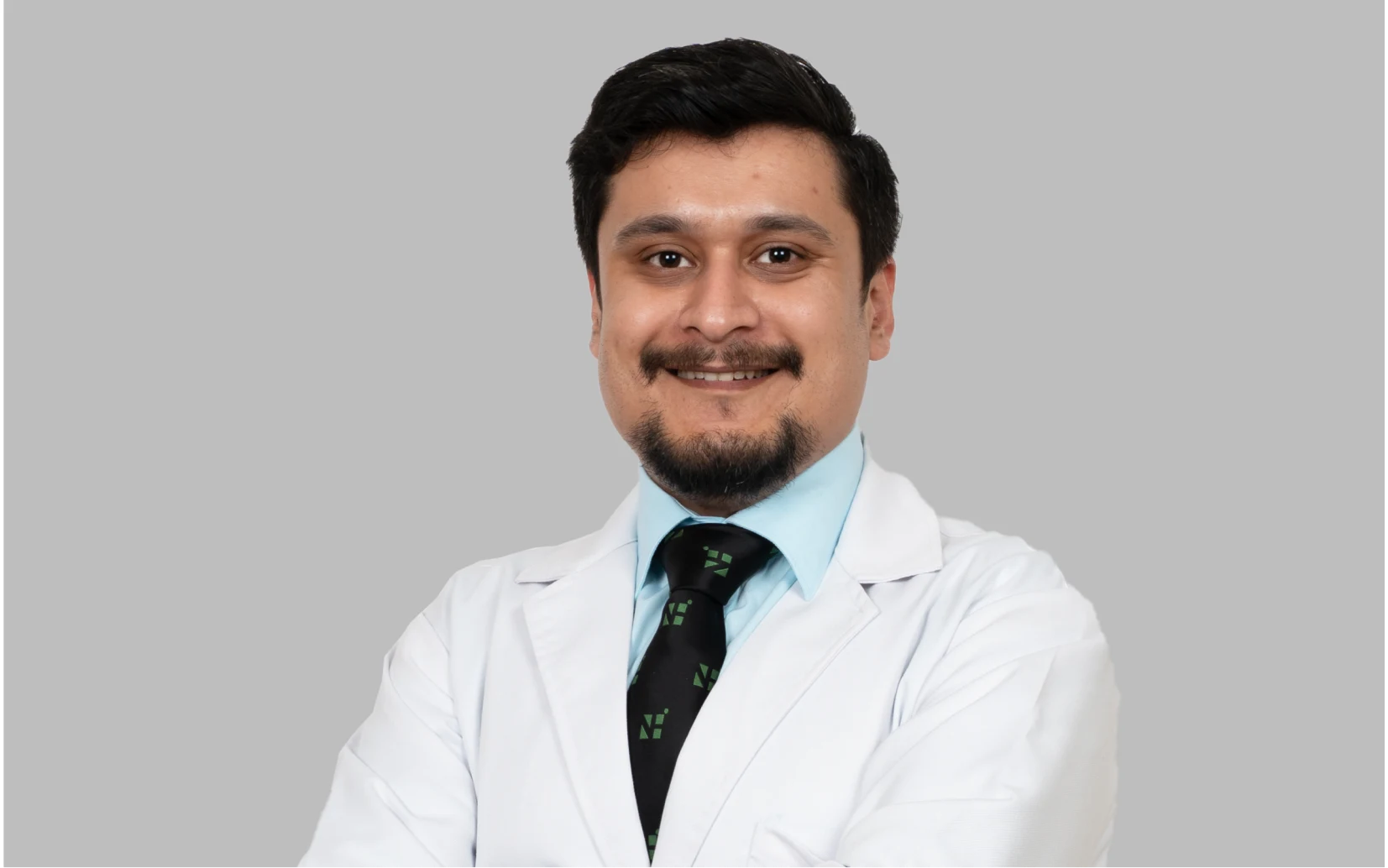
Dr. Siddharth Sethi
Consultant Psychiatrist
Online, In-person
English, Hindi, Marathi
7+ Years Experience

Dr. Akul Gupta
Consultant Psychiatrist
Online, in-person
Hindi, English
5+ Years Experience
Why Patients Globally Choose BetterPlace

Integrated and Holistic Care
Our multidisciplinary approach combines psychiatry, therapy, and lifestyle interventions, and advanced brain stimulation to address your mental health from every angle for lasting results.

Accurate Diagnostic
Testing
We prioritise comprehensive assessments and diagnostics to gain deep insights into your unique mental health needs, and get to the root of your mental health condition, going beyond mental health symptoms.

Personalised Treatment Plans
No two journeys are alike. We design individualised treatment plans that align with your specific goals and challenges, adjusting care as needed to support your recovery every step of the way.

Advanced Brain Stimulation
We offer cutting-edge, non-invasive brain stimulation therapies, including rTMS, Deep TMS, and tDCS, to enhance treatment outcomes—especially for patients who haven’t responded to conventional therapies.
What Your Journey Looks Like With Us

Initial Virtual Appointment
Before you travel, get a pre-arrival consultation and medical history analysis with our expert team.
Visa & Travel Assistance
We provide visa assistance (for select countries), expert guidance on flights and accommodations, and coordinate airport pickups, drop-offs, and sightseeing—ensuring a seamless, stress-free experience from arrival to departure.
First Session (90 min)
Meet in-person with both a psychologist and psychiatrist for a comprehensive evaluation and then undergo clinical diagnostic assessments so we can understand and diagnose your condition.
Targeted Treatment Plans With Long Term Support
We create a personalised treatment plan tailored to your needs, with ongoing support and regular follow-ups to ensure you make meaningful, lasting progress throughout your recovery journey.
Transformation Stories at BetterPlace!

I suffer from schizophrenia. Recently when mt condition worsened, I needed to be admitted for 24×7 care. Unfortunately, where i live theres no good in patient services. Then i found out about BetterPlace, the intake was super smooth, the staff was very helpful and guided me every step of the way. I am very glad i chose BP!
I have heard a lot about india. It’s a beautiful country but i didnt know what to expect in my travel. I am thankful for BetterPlace in making my consultation smooth and guiding me with bookings and cab pickups. My treatment is still on-going but i have already started showing so much progress!
Meet Our Psychiatrists for Effective Treatment Today!
Mental Health Partners to the Prestigious National Heart Institute

BetterPlace, East of Kailash
At National Heart InstituteFirst Floor, Annexe Building D Block, East of Kailash, New Delhi

BetterPlace, Gurgaon
5th Floor, Plot No 33,
I’ve seen how much the field has evolved, but the core remains the same: you deserve a team that makes you feel heard and gives you the best.
Dr Sunil Mittal
Chief of Clinical Governance, BetterPlace
MD, Psychiatry | 40+ Years of experience
Comprehensive Psychiatric Services for a Wide Range of Mental Health Conditions















Psychiatric Services & Treatments at BetterPlace

What is Psychiatry?
Psychiatry is a branch of medicine focused on the evaluation, diagnosis, and treatment of mental and behavioural health disorders. Psychiatrists are licensed medical professionals who create personalised psychiatric treatment plans and can prescribe medication, provide therapy, and recommend behavioural interventions.

What does a psychiatrist do?
A psychiatrist is a licensed professional who evaluates, diagnoses and treats mental health and behavioural disorders.
Psychiatrists address problems by focusing on all three aspects of well-being; biology, sociology and psychopathology.
Read MoreBefore creating a tailored psychiatric treatment plan, our psychiatrists study an individual’s
- Genetic Predispositions
- Neurochemical Imbalances
- Pre-Existing Conditions And Comorbidities
- Physical Health Conditions
- Lifestyle Factors Such As Diet, Sleep, Exercise

What are the Types of Psychiatry Treatments?
Medications
Our psychiatrists prescribe medications such as mood stabilisers, stimulants, neuroleptics and anxiolytics based on the patient’s unique need and neurochemical profile. These medications support psychiatric treatment by regulating brain chemistry and address any chemical imbalances.
Read MoreNeuromodulation Techniques
At BetterPlace, we use neuroscientific interventions as a part of our integrated approach to mental health, ensuring each patient receives the most appropriate and effective psychiatry treatment services tailored to their unique condition and circumstances.
Electroconvulsive Therapy (ECT): ECT provides relief to patients suffering from severe cases of depression and other psychiatric disorders when other treatments have not been effective. This technique provides rapid relief through controlled and therapeutically induced seizures.
Repetitive Transcranial Magnetic Stimulation (rTMS): rTMS is a safe, non-invasive brain stimulation technique which uses magnetic fields to stimulate specific areas of the brain.
At BetterPlace, our state-of-the-art rTMS machine is integrated into our psychiatry treatment approach, providing non-invasive treatment for depressive disorders, anxiety disorders, OCD (Obsessive Compulsive Disorder), substance use disorders, and treatment-resistant depression.
Transcranial Direct Current Stimulation (tDCS): tDCS is a non-invasive brain stimulation technique which modulates neuronal activity and treats conditions like depression, anxiety, and cognitive impairments. It involves delivering low electrical current to specific areas of the brain to stimulate and activate brain cells.
Neurofeedback: Neurofeedback is a brain training technique which helps patients biologically change how they think and feel. Neurofeedback helps patients monitor and modulate their brain’s reaction to various stimuli in real-time, to develop healthier patterns of brain activity. This technique is useful for the treatment of disorders such as ADHD and anxiety. At BetterPlace, we use specialised equipment to monitor brain waves and provide real-time feedback to alter patient behaviour as part of our comprehensive psychiatry services.
At BetterPlace, we use these neuroscientific interventions as a part of our integrated approach to mental health, ensuring each patient receives the most appropriate and effective psychiatry treatment services tailored to their unique condition and circumstances.
Psychological Interventions
We understand that mental health is deeply connected to thought patterns and emotional processes. Recognising this connection, we use the therapeutic potential of psychotherapy to modify brain function, alter neural connections and enhance brain plasticity.
We offer a wide range of comprehensive psychological interventions that are central to our treatment philosophy. Our therapists work closely with patients to explore and address underlying psychological issues, foster resilience, and promote long-term emotional health.
Cognitive behavioural therapy (CBT) : CBT is a form of psychotherapy Psychiatrists & Psychologists at BetterPlace commonly use for patients suffering from depression, anxiety, bipolar, Borderline personality disorder, PTSD (Post Traumatic Stress Disorder), phobias, various addictions, eating disorders, insomnia etc. This technique restructures a person’s current thinking patterns by challenging their thought processes and equips them with problem-solving skills to cope with difficult situations.
Interpersonal Therapy (IPT) : IPT is a talk therapy that Psychiatrists & Psychologists at BetterPlace use for patients suffering from eating disorders, social phobia, anxiety disorders and PTSD. This therapy focuses on a person’s interpersonal relationships by fostering effective communication and understanding relationship patterns.
Mindfulness-Based Cognitive Therapy (MBCT) : It is a modified version of CBT that Psychiatrists & Psychologists at BetterPlace use for treating treatment-resistant depression, anxiety disorders, substance abuse, PTSD (Post Traumatic Stress Disorder) etc. It incorporates mindfulness techniques such as present moment awareness, meditation, muscle relaxation, breathing exercises and more as a means to ground the patient and help them be in tune with their surroundings.
Acceptance and Commitment Therapy (ACT) : It is a form of psychotherapy that Psychiatrists & Psychologists at BetterPlace use for patients suffering from generalised anxiety disorder, chronic depression, chronic pain, substance abuse and some other conditions. This therapy helps people accept their thoughts, feelings and emotions, and commit to actions that align with their long-term goals.
Dialectical Behavioural Therapy (DBT) : Psychiatrists & Psychologists at BetterPlace leverage DBT in the treatment of Borderline Personality Disorder, eating disorders and substance use disorders. It teaches people how to live in the moment and find healthy ways to cope with stress, and other problems in life.
Solution-Focused Brief Therapy (SFBT), Problem-Solving Therapy (PST) : SFBT is a goal-oriented constructive psychotherapy that Psychiatrists & Psychologists at BetterPlace use for treating conditions such as addiction, child behavioural problems, and relationship problems. The SFBT helps the patient construct solutions to their problems by asking relevant questions, rather than focusing on the problem itself.
Psychodynamic therapy : Psychiatrists & Psychologists at BetterPlace use psychodynamic therapy to treat anxiety disorders, depression, eating disorders, personality disorders, PTSD etc., especially in those patients who have lost meaning in their lives. Psychodynamic therapy uses techniques such as free association, dream analysis and the Rorschach inkblot test to uncover the patient’s unconscious desires and past experiences that manifest as behavioural issues in the present.
Social Interventions : Social interventions in psychiatry aim to improve the patient’s social functioning and overall quality of life. An individual’s environment, relationships, and societal context can significantly impact their mental health. Psychiatrists & Psychologists at BetterPlace adopt a comprehensive view of mental health by incorporating social interventions into our treatment plans.
Psychoeducation: Educating patients and their families about mental health conditions, treatment options, and coping strategies.
Family Therapy: Involving family members in the treatment process to improve communication, resolve conflicts, and support the patient’s recovery.
Social Skills Training: Teaching patients how to interact more effectively with others, manage social situations, and improve their relationships.
Vocational Rehabilitation: Helping patients with mental health conditions to find and maintain employment.
Community Support Programs: Providing access to social services, support groups, and community resources to help patients reintegrate into society and maintain their mental health.
This biopsychosocial model of care ensures that Psychiatrists & Psychologists at BetterPlace treat each patient as a whole person, integrating the biological, psychological, and social dimensions of psychiatry treatment to deliver the most effective and compassionate care. We also address social determinants of health, such as stress and socioeconomic factors, which may contribute to or exacerbate mental health issues.

What is the Difference Between a Psychiatrist and a Psychologist?
Psychiatrists and psychologists both address mental health. Psychiatrists are medical doctors who can prescribe medications as part of treatment, along with various types of therapy and specialised treatments. Psychologists are the ones who administer advanced psychotherapy but do not prescribe medications.

When should I see a psychiatrist?
Here are the top 3 cases when you should see a psychiatrist:
Read MoreWhen your current therapy isn’t working : If you’ve been going to therapy for years but haven’t seen much improvement, it might be time to try a new psychiatrist.
When you’ve had a bad experience with psychiatric medication : Medication is a very complex science. Sometimes a psychiatrist’s treatment plan may not align with your specific needs. If you feel another psychiatrist might be able to prescribe you more appropriate medication, or if you simply want a second opinion about your current medication, don’t hesitate to explore other professional options.
When you feel something is wrong but don’t know what : Through assessments and expertise, psychiatrists help you diagnose the exact condition you are facing, its severity, and accordingly suggest the right treatment.
Frequently Asked Questions
India offers high-quality medical care at a much more affordable cost compared to many countries. You’ll find modern hospitals, internationally trained doctors, and advanced treatments here.
Yes! India is well-connected by flights, trains, and roads, and major cities are safe for international travellers. We’ll help ensure your travel is smooth and comfortable.
Absolutely, members of our team have worked with patients from over 55 countries and understand their unique needs.
Yes! All our doctors, therapists, and support staff speak fluent English. We also provide interpreters and translators if required.
On request, we help with visa guidance, booking flights and hotels, airport pickups and drop-offs, and even sightseeing plans for select countries, to make your trip stress-free.
On request, we provide proper meal planning services and meal guides, ensuring that all your dietary needs are met.
Yes—your privacy is very important to us. All sessions are completely, 100% confidential.
Please provide:
● Your passport and visa
● Identity proof
● Any referral notes from previous doctors (if you have them)
● Your medical records, reports, and prescriptions
More Ways We Support Your Psychiatric Treatment
Latest articles


10 mins read
March 4, 2025
Anuroop Pokhriyal


March 4, 2025
Anuroop Pokhriyal
