Psychiatric Services Backed by Research, Trusted by Thousands

50K
+
Lives transformed
97%
Report early reduction in symptoms
40
+
Years of trusted, effective care
Brain Stimulation Treatments

Our Experts for Comprehensive Eating Disorder Treatment

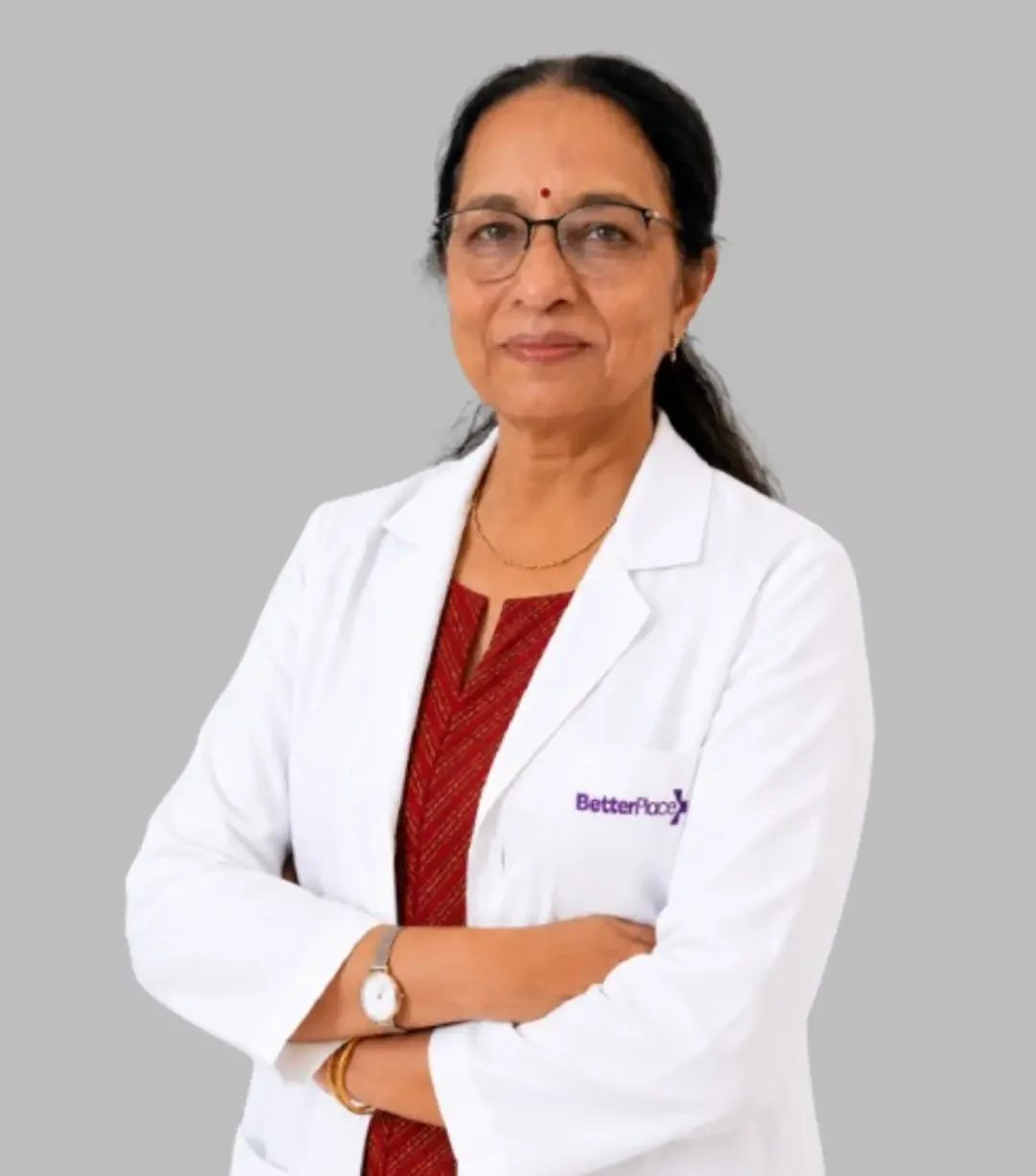
Dr. Sunil Mittal

Senior Consultant Psychiatrist

Online, in-person

Hindi, English

40+ Years Experience

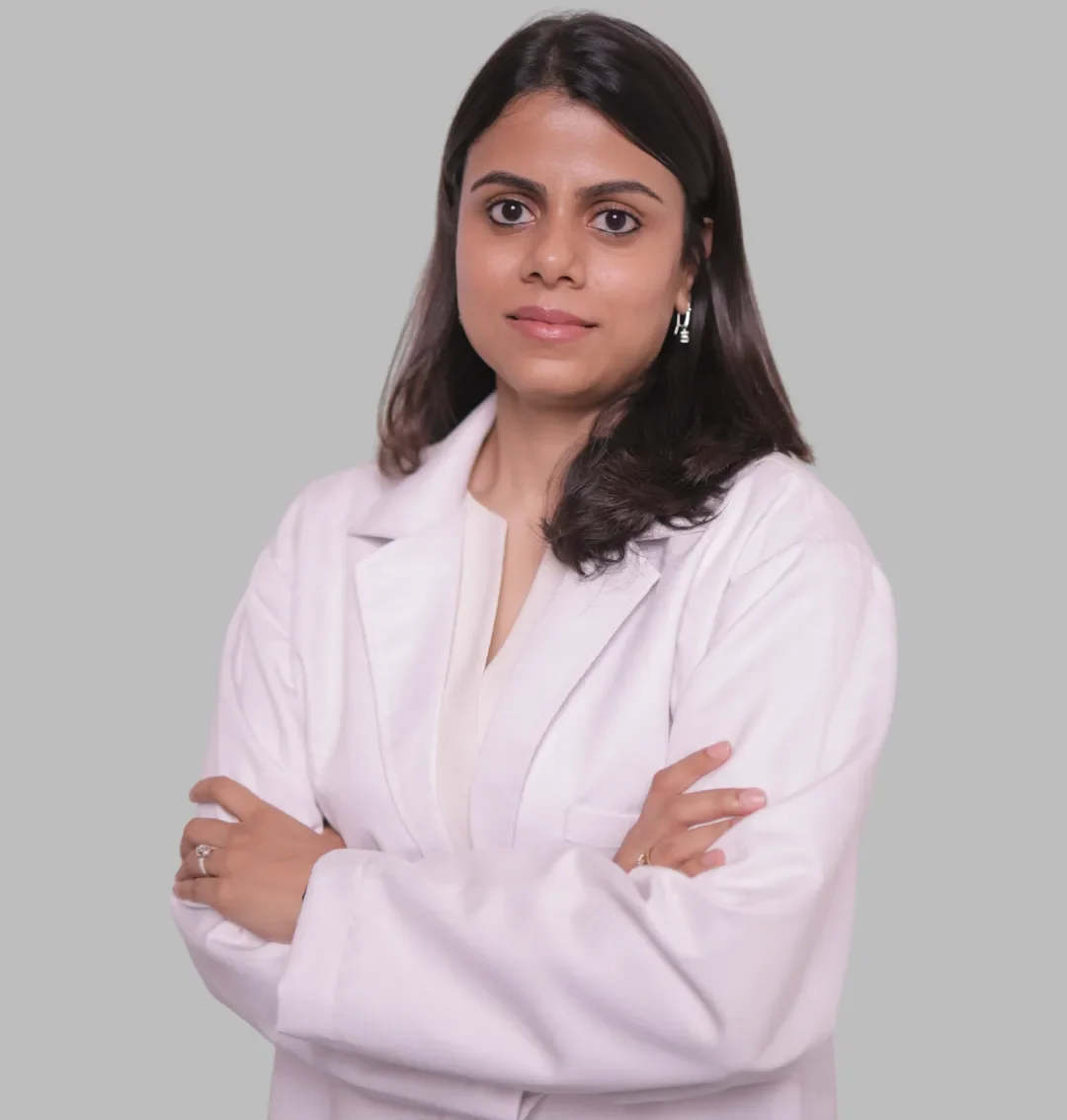
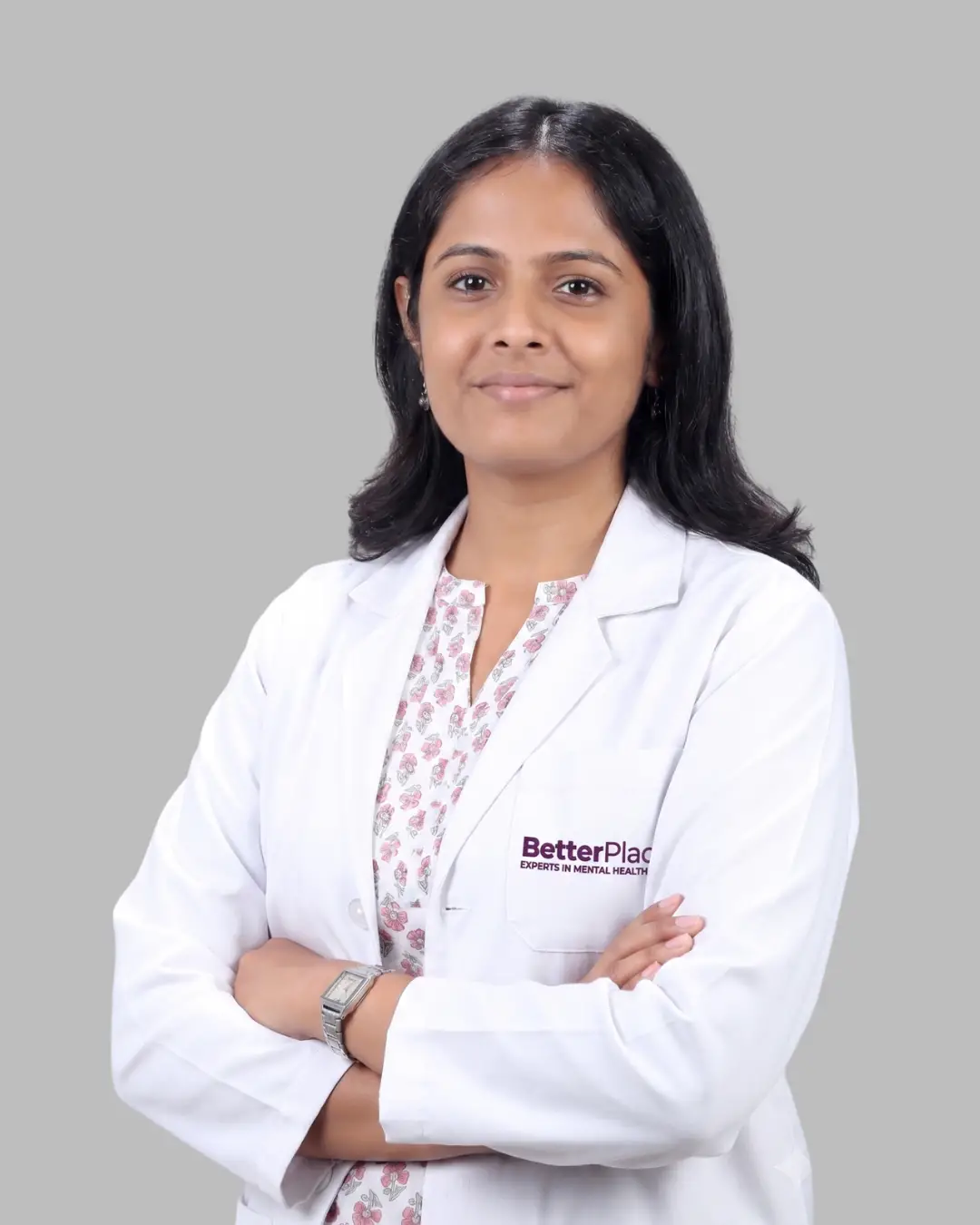
Dr. Shambhavi Jaiman

Consultant Psychiatrist

Online, In-person

English, Hindi

7+ Years Experience

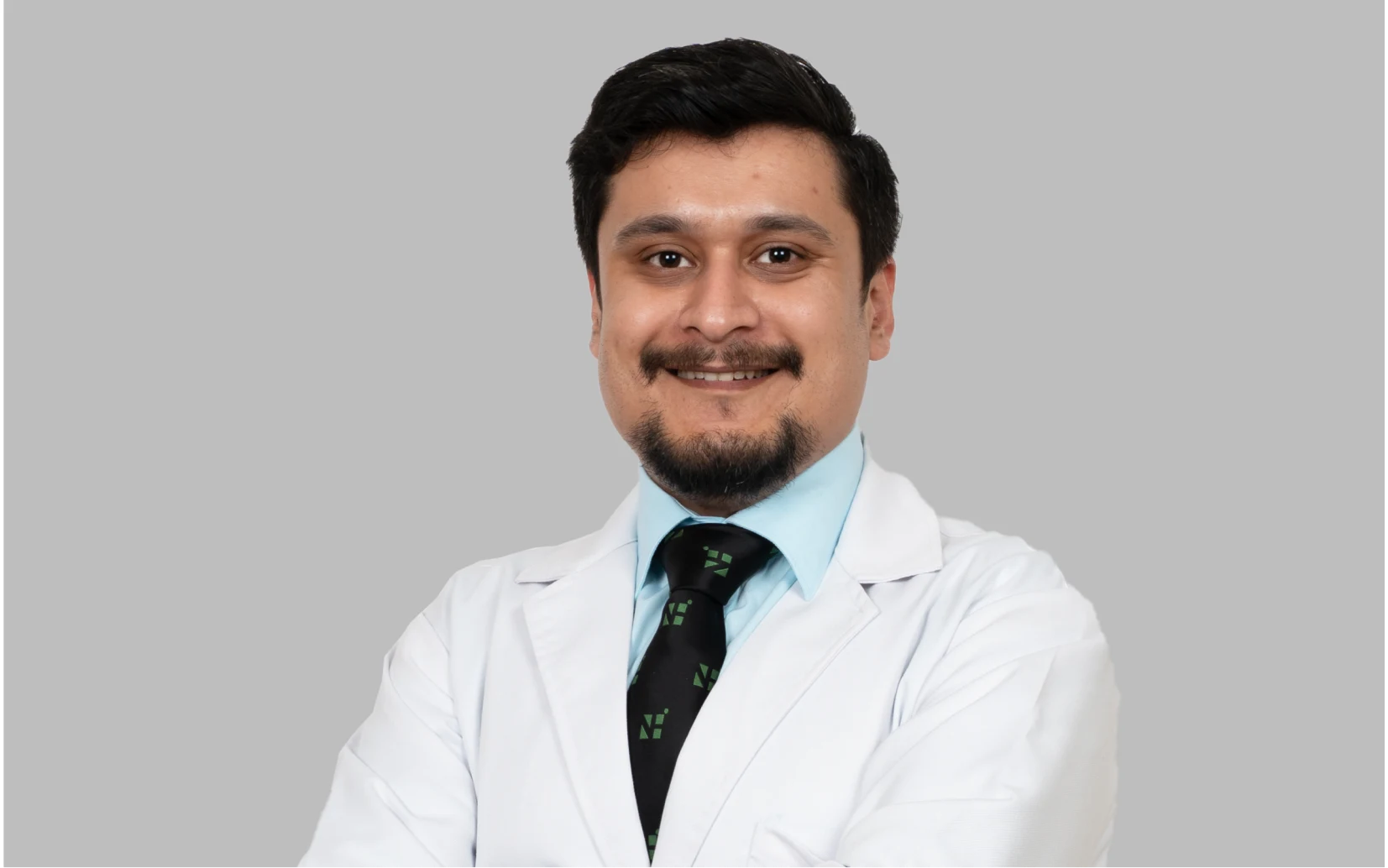
Dr. Siddharth Sethi

Consultant Psychiatrist

Online, In-person

English, Hindi, Marathi

7+ Years Experience

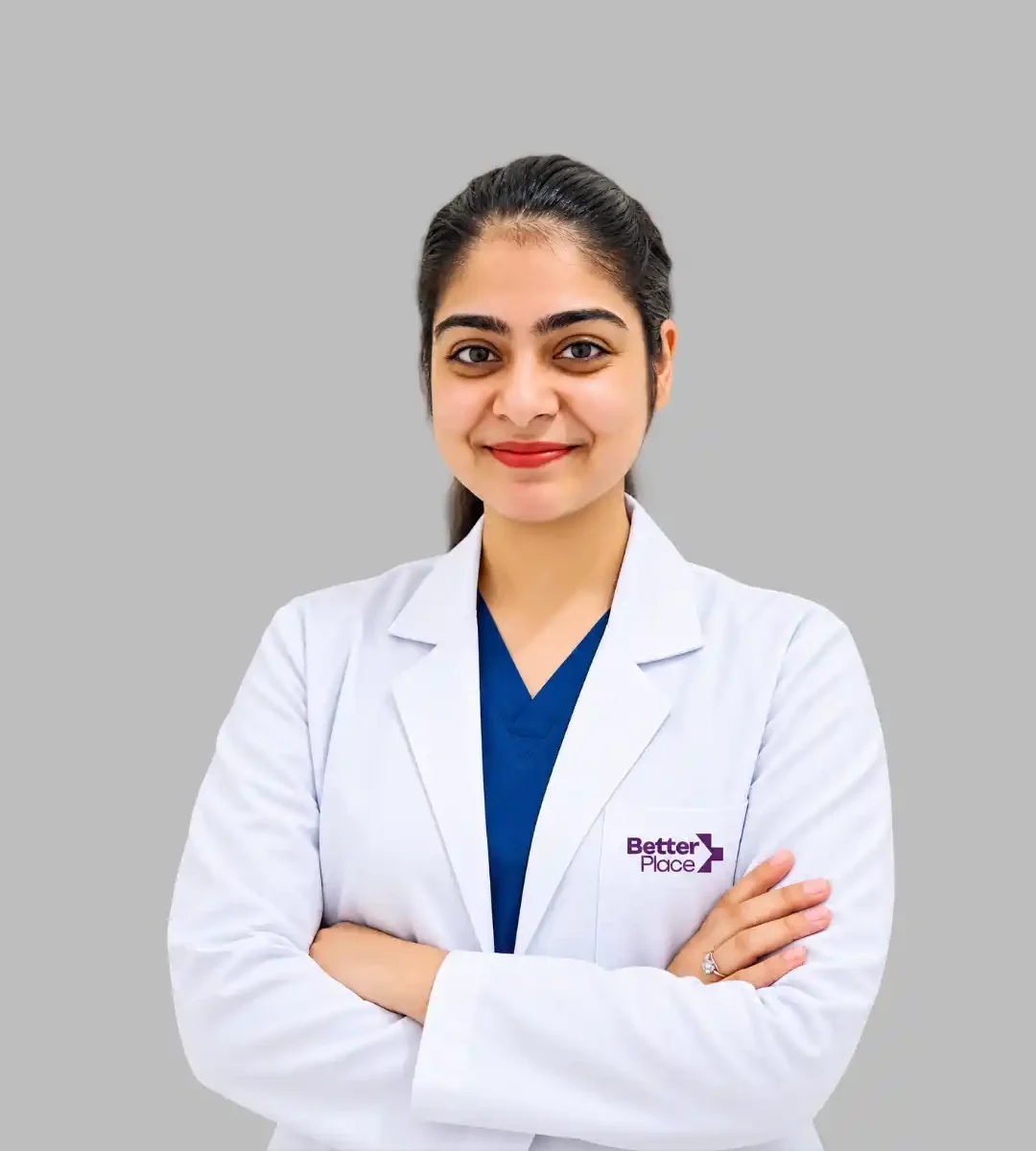
Dr. Akul Gupta

Consultant Psychiatrist

Online, in-person

Hindi, English

5+ Years Experience

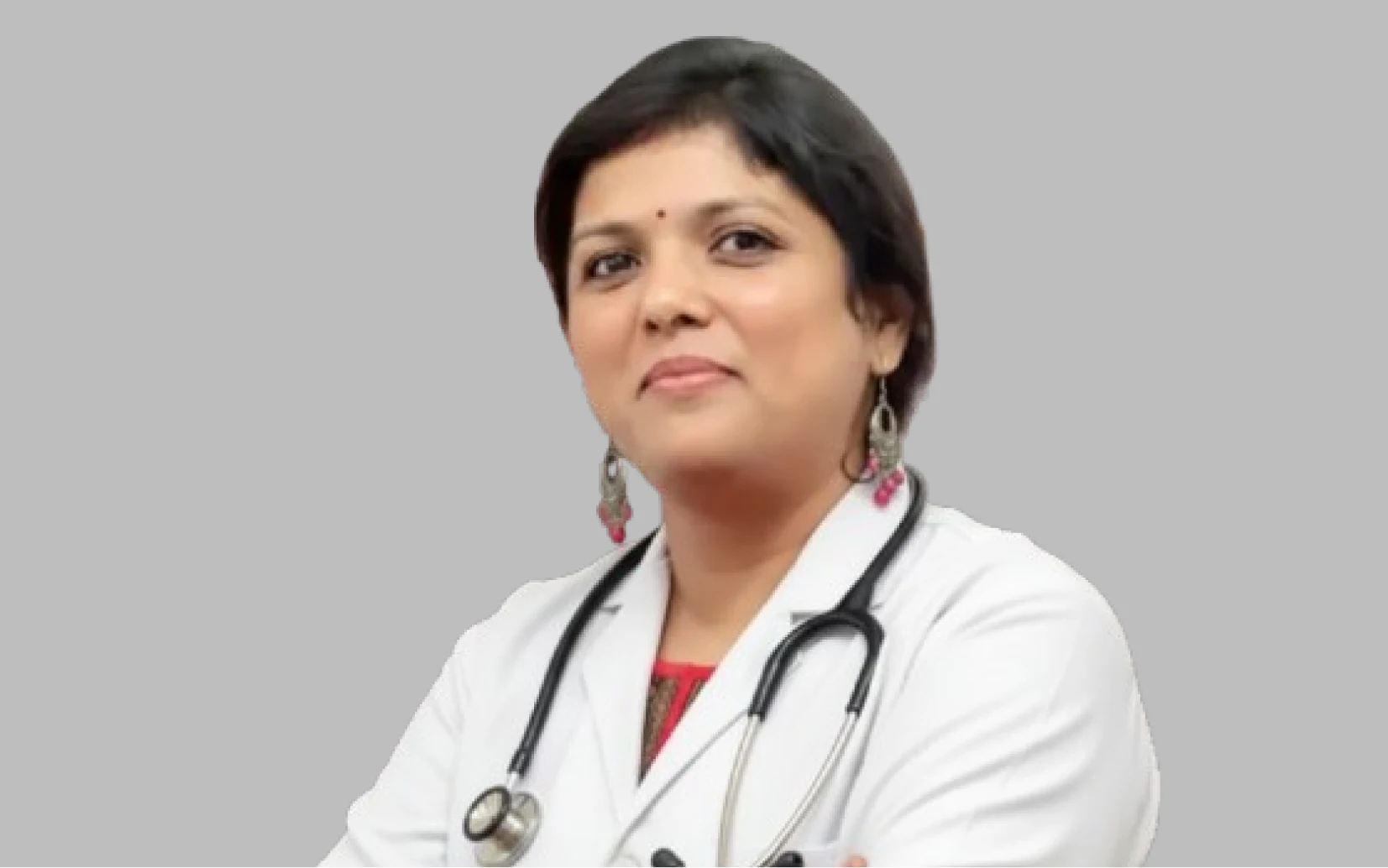
Dr. Pranita Gaur

Clinical Psychologist

Online, In-person

Hindi, English

44+ Years Experience

Ms. Anantika Tehlani

Clinical Psychologist

Online, In-person

Hindi, English

7+ Years Experience

Ms. Ayushi Paul

Clinical Psychologist

Online, In-person

Hindi, English, Bengali

5+ Years Experience

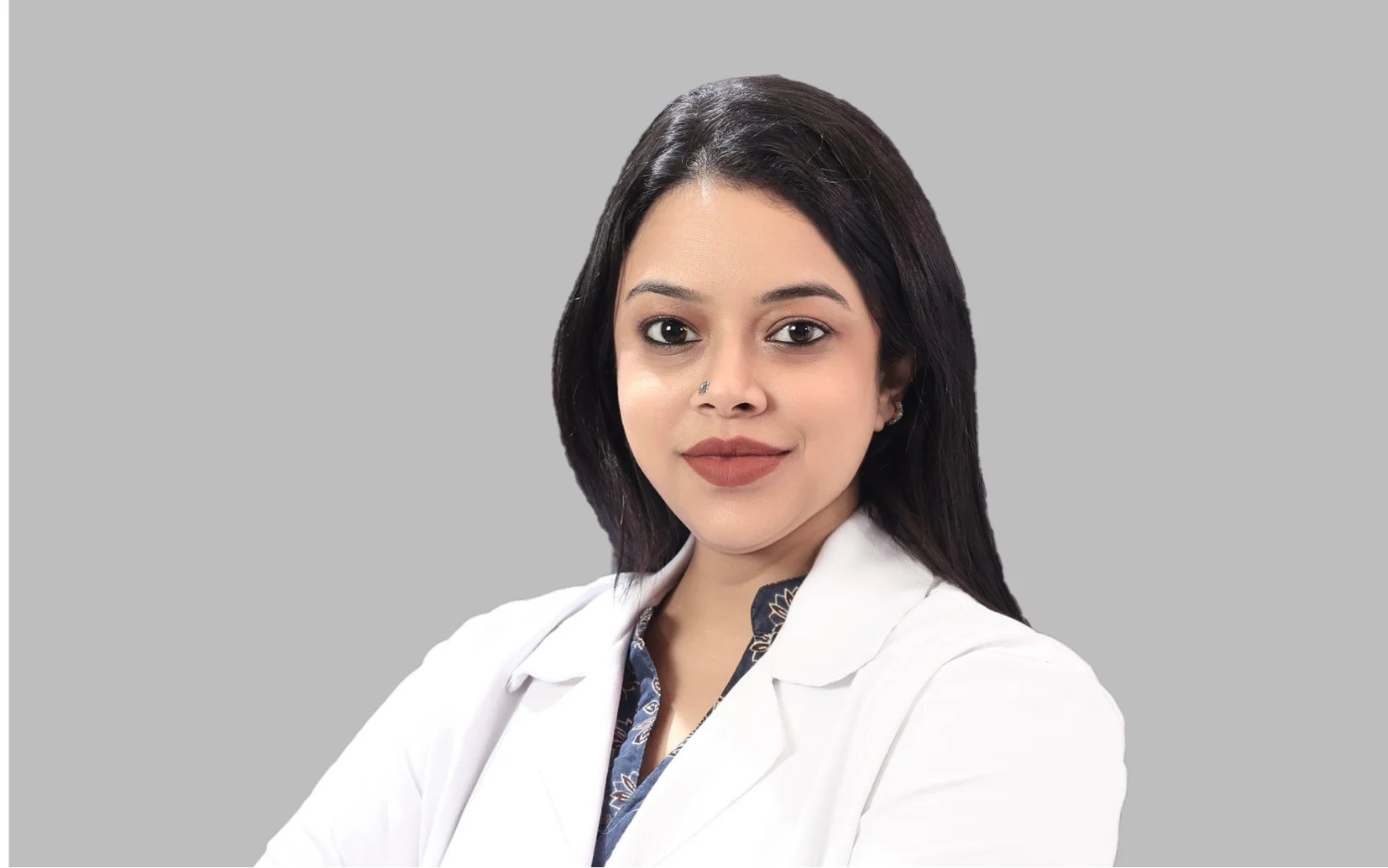
Ms. Sulagna Mondal

Clinical Psychologist

Online, In-person

Hindi, English, Bengali

3+ Years Experience

Ms. Shreya Maheshwary

Counselling Psychologist

Online, In-person

Hindi, English

2+ Years Experience

Ms. Shreeyam Mishra

Clinical Psychologist

Online, In-person

Hindi, English

2+ Years Experience

Ms. Mitali Srivastava

Senior Clinical Psychologist

Online, in-person

Hindi, English

15+ Years Experience

What Makes Our Eating Disorder Treatment ‘Better’?

Individualised nutrition and therapy plans

Your eating disorder isn’t just about your eating habits—it’s about control, emotions, and identity. We design treatment plans that combine therapy, nutritional counselling, and medical support specifically for your body and mind.

Focus on body image, self-worth, and identity

Our therapy goes beyond food behaviours. We help you rebuild a healthy sense of self, address perfectionism, and break the link between self-worth and appearance.

Medical monitoring for health risks

We track your vital signs, weight, and medical symptoms throughout treatment to ensure your physical health is stabilised while working on your psychological healing.

Family-based therapy when needed

Your support system matters. We offer family-inclusive sessions for young people and adults, helping your loved ones understand how to support your recovery without triggering setbacks.

Visiting BetterPlace for Eating Disorder Treatment? Here’s What to Expect:

When visiting BetterPlace, you can expect a welcoming environment where there is 0% judgment.

Detailed initial session (90 min)

Meet with both a psychologist and a psychiatrist

Comprehensive testing

Get an accurate understanding of your mental health

Treatment phase (3-8 weeks)

Get a personalised treatment plan

Long-Term Support

Get ongoing care with regular follow-ups

Transformation Stories at BetterPlace!

The hardest part about getting treatment for mental health is that even when things start to get better, they don’t necessarily get easier. I find it difficult just to come for appointments. What I really appreciate is how understanding the team has always been about my struggle with these simple things. Knowing I can count on them has been a true blessing

Dilip S.
Dilip S.

Three other doctors had diagnosed me with ADHD in few minutes, which I always felt is very random. But Dr. Akul at BetterPlace suggested I get an assessment done first before sharing a diagnosis which made me feel more comfortable. I’m really happy doctor spent so much time with me, he is so senior and still. Test results also he explained so well

S
Sunita P.

I had put on a lot of weight. Some people said maybe it’s an eating disorder but I was too ashamed to visit a doctor because judgment is always there. But a friend told me how non-judgmental BetterPlace is, and that is really true. Doctors are very good and even if i make a mistake they don’t say anything demotivating. Treatment is going amazing and i’m more relaxed

K
Karan R.

I’m a data analyst who believes in hard data. My daughter was diagnosed with bipolar disorder at 13. We tried many doctors but she never clicked with any of them. She’s 20 now and I think we’ve finally found the right doctor. She seems comfortable. I am also much happier because I get regular reports and I can see how progress is happening and how my daughter is improving

M
Mohammad K.

When I told my friends I have anxiety they would always say, Arrey just relax, it’s not a big deal etc. Social anxiety people say is not a real problem. I also started thinking that and blaming myself. But at BetterPlace, doctor first explained why it happens. In my brain, in my heart, i got it and i could see, Oh, this is not my fault. I even went out for dinner after a long time. I felt nice

M
Mary K.

Because of dad’s schizophrenia, our family was always treated differently. People in public would stare at us if dad was acting out. Even our own relatives would avoid us. But thanks to the family therapy and support at BetterPlace, my mother, sister and I have found some peace as well. Even dad’s treatment is better. He’s taking his medicines more seriously. I am so grateful!

H
Harsha S.

Visit Our Experts for Eating Disorder Treatment Today!

Mental Health Partners to the prestigious National Heart Institute

BetterPlace, East of Kailash

At National Heart Institute

First Floor, Annexe Building
D Block, East of Kailash, New Delhi

BetterPlace, Gurgaon

5th Floor, Plot No 33,

Golf Course Road,
Sector 54, Suncity,
Gurgaon 122011

Best Treatment for Eating Disorder at BetterPlace

What Is an Eating Disorder?

Eating Disorders are a group of complex mental health conditions that revolve around an unhealthy relationship with your food. While each disorder may have different symptoms and affect you in various ways, they all essentially involve a constant preoccupation with your food and the shape or weight of your body.

Read More

Eating disorders can develop at any age, but they usually tend to occur during teenage years or young adulthood and are more common in women than men. While these disorders may seem to take over a person’s life, they are often treatable with the right approach and support. If these symptoms are affecting your daily functioning, speaking with a psychiatrist in Delhi can help you understand the severity of the condition and the next steps in treatment.

Read Less

What Are the Types and Symptoms of Eating Disorders?

Anorexia Nervosa

Anorexia Nervosa is one of the most common types of Eating Disorders where a person has an intense fear of gaining weight, and as a result tends to avoid food to extreme levels, causing them to become dangerously underweight.

People with this condition tend to see themselves as overweight despite how slender they are. A term often used to describe such people is ‘anorexic’.

Read More
Common symptoms and behaviours of Anorexia include:
  • Dramatic and sudden weight loss
  • Excessive exercise
  • Avoiding meals or eating in front of others
  • Constantly obsessing over food, diet, and calorie intake
  • Refusal to eat certain types of food, especially carbs or fats
  • Wearing baggy clothes to conceal weight loss
  • Denying that extreme thinness is a problem
  • Menstrual suppression due to insufficient nutrition and extreme weight loss
  • Complaints about stomach pain or constipation
  • Passing remarks about ‘feeling fat or overweight’

Bulimia Nervosa

Commonly known as Bulimia, this condition is characterised by vicious cycles of binge eating followed by unhealthy purging activities to avoid weight gain.

During an episode of binge eating (i.e. consuming large amounts of food in one sitting), you may feel like you’ve lost complete control of yourself. Such an episode leaves you feeling overwhelmingly guilty and shameful. To compensate for the excessive eating and to shed the extra calories, they then resort to drastic measures such as overly intense exercise, vomiting, or misusing laxatives. This is called ‘purging’.

The tricky part about this condition is that those with Bulimia may appear to have a normal body weight which can make it harder for their friends and family to recognise this issue.

Common symptoms and behaviours of Bulimia include:
  • Clear signs of binge eating, i.e. rapid consumption of large food portions in a short period, or several empty food bags and wrappers
  • Clear evidence of purging, i.e. always going to the bathroom after meals, finding laxatives in medicine cabinets, and sounds and smells of vomiting
  • Wearing baggy clothes to conceal the body size and frame
  • Passing remarks about ‘feeling fat or overweight’
  • Constant, incessant dieting or undereating
  • Excessive exercise
  • Avoiding meals or eating in front of others
  • Excessive consumption of mouth fresheners and mouthwash

Binge Eating Disorder (BED)

Another prevalent Eating Disorder, Binge Eating Disorder (BED) involves recurrent episodes where large amounts of food are consumed quickly, often to the point of discomfort. After an episode, you might feel intense guilt and shame. Unlike Bulimia, however, people with BED do not undertake any purging activities to shed the extra calories.

Given there are no purging activities, you gain significant weight over time and consequently develop health problems associated with being overweight.

Common symptoms and behaviours of Binge Eating Disorder include:
  • Clear signs of binge eating, i.e. disappearance of large food portions in a short period, or several empty food bags and wrappers
  • Avoiding meals or eating in front of others
  • Hoarding and hiding food in the most unusual places
  • Always being on a diet but never losing weight

Pica

Pica is an eating disorder marked by a persistent urge to eat things that aren’t food and have no nutritional value, such as chalk, hair, soil, paper, or ice. It’s most common in children, pregnant women, and people with certain developmental conditions, though it can appear at any age.
Unlike other eating disorders, Pica isn’t driven by body image or weight concerns. It often goes unnoticed because people don’t associate it with an eating disorder the way they do anorexia or bulimia, which means it can go undiagnosed for years without the right eating disorder clinic actively screening for it.

Common symptoms and behaviours of Pica include:
  • Persistent eating of non-food substances for a month or longer
  • Specific cravings for items like chalk, paper, soap, hair, or soil
  • Gastrointestinal issues such as stomach pain, vomiting, or blockages
  • Underlying nutrient deficiencies (commonly iron or zinc) that may be fuelling the cravings
  • Hiding or feeling embarrassed about the behaviour
  • Dental damage from chewing hard or abrasive items
  • No cultural, religious, or age-appropriate explanation for the behaviour

If any of this sounds familiar, working with an eating disorder therapist can help uncover what’s driving it and address the root cause, rather than just the behaviour itself.

Rumination Disorder

Rumination Disorder involves the repeated regurgitation of food after eating. The food is brought back up, then re-chewed, re-swallowed, or spat out, without any nausea, illness, or retching involved. It can develop in infants, children, or adults, though it tends to look different depending on age.
Unlike vomiting caused by a stomach bug or illness, this is a learned pattern that becomes almost automatic over time, often without the person fully realising they’re doing it.

Common symptoms and behaviours of Rumination Disorder include:
  • Regular regurgitation of food within minutes of eating
  • Re-chewing, re-swallowing, or spitting out food that’s been brought back up
  • No signs of nausea, disgust, or discomfort during the episode
  • Weight loss or poor weight gain in children, if food is spat out rather than swallowed again
  • Bad breath or dental erosion from repeated exposure to stomach acid
  • Effort to disguise the behaviour, particularly in older children and adults
  • A recurring feeling of fullness or discomfort before episodes begin

Because it’s easy to mistake for a digestive problem, an eating disorder test or clinical evaluation is usually the first step towards an accurate diagnosis, followed by targeted eating disorder counselling.

Avoidant/Restrictive Food Intake Disorder (ARFID)

ARFID is characterised by a severely limited range of foods a person is willing to eat. This isn’t about weight or body image. It’s usually driven by sensory sensitivities, fear of choking or vomiting, or simply a low interest in food altogether.
Because there’s no underlying fear of weight gain, ARFID often gets overlooked as “picky eating.” Left unaddressed, though, it can lead to serious nutritional gaps, low energy, and noticeable weight loss.

Common symptoms and behaviours of ARFID include:
  • Eating only a narrow set of “safe” foods, often based on texture, smell, or appearance
  • Strong aversion to entire food groups, unrelated to calorie or weight concerns
  • Anxiety or distress when faced with new or unfamiliar foods
  • Significant weight loss, or failure to gain weight as expected in children
  • Dependence on nutritional supplements to meet basic dietary needs
  • Fear of choking, vomiting, or an allergic reaction shaping food choices
  • Fatigue, low energy, or nutrient deficiencies from an unbalanced diet

ARFID typically responds best to a combination of eating disorder therapy and nutritional support, which is why choosing the right eating disorder treatment centre matters as much as starting eating disorder treatment early.

Read Less

What Causes Eating Disorders?

Biological and Genetic Risk Factors

Those with a family history of Eating Disorders or other mental health conditions have a higher chance of developing an Eating Disorder. This is because genetics and genetic predisposition play a major role in the development of Eating Disorders.

Read More

Psychological and Behavioural Factors 

Psychological and behavioural factors play a major role in the development of Eating Disorders. These include low self-esteem, Anxiety, Depression, perfectionism, and obsessive behaviours. Unrealistic societal standards, emotional trauma, or coping with stress can trigger disordered eating patterns. If these emotional patterns are deeply affecting your relationship with food and your body, a psychologist in Delhi can help you work through the underlying beliefs and behaviours.

Socio-Cultural Risk Factors

Constant societal pressures to conform to unrealistic and often unachievable body standards is another major factor that leads to Eating Disorders. These pressures are perpetuated via various sources – such as social media, bullying, and peer pressure and eventually break through a person’s mental barrier, causing them to look at themselves in a negative light and develop an Eating Disorder.

Read Less

What Are the Complications of Eating Disorders?

Left untreated, eating disorders don’t stay contained to eating habits alone. They put real strain on nearly every system in your body, and some of these complications can turn life-threatening if the underlying eating disorder isn’t addressed in time.

Complications of eating disorders include:

  • Arrhythmia, heart failure, and other cardiovascular complications – Restrictive eating and purging deplete electrolytes like potassium, which your heart needs to maintain a steady rhythm. Over time, this weakens the heart muscle and raises the risk of sudden cardiac events.
  • Acid reflux (gastroesophageal reflux disease, or GERD) – Frequent vomiting exposes your oesophagus to stomach acid repeatedly, irritating the lining and weakening the valve that keeps acid down. This leads to chronic heartburn and reflux, even outside of binge-purge episodes.
Read More
  • Gastrointestinal problems – Restricting food or purging disrupts normal digestion, slowing down your gut and causing bloating, cramping, or irregular bowel function. In severe cases, this can lead to gastroparesis, where your stomach struggles to empty properly.
  • Low blood pressure (hypotension) – Inadequate nutrition and dehydration reduce your blood volume, causing pressure to drop. This often shows up as dizziness, fainting, or feeling lightheaded when you stand up too quickly.
  • Organ failure and brain damage – Prolonged malnutrition forces your body to break down muscle and organ tissue for energy, including your heart and kidneys. Severe or prolonged cases can also affect brain function, since your brain needs consistent glucose and nutrients to work properly.
  • Osteoporosis – Restrictive eating over time robs your bones of the calcium and nutrients needed to stay dense, and hormonal disruptions from low body weight make this worse. This leaves bones weak and significantly more prone to fractures, even in younger people.
  • Severe dehydration and constipation – Purging behaviours and inadequate fluid intake pull water out of your system faster than you’re replacing it. This slows digestion further, leading to constipation that can become chronic without intervention.
  • Missed or stopped menstrual periods (amenorrhea) and infertility – Low body weight and inadequate nutrition disrupt the hormones responsible for your menstrual cycle. Left unaddressed, this can affect fertility and long-term reproductive health.
  • Stroke – Electrolyte imbalances and cardiovascular strain from disordered eating increase the risk of blood clots and irregular heart rhythms, both of which raise your stroke risk. This risk climbs the longer the eating disorder goes untreated.
  • Tooth damage – Stomach acid from repeated vomiting erodes tooth enamel, making teeth sensitive, discoloured, and prone to decay. Dentists are often among the first to spot the physical signs of bulimia for this exact reason.

Many of these complications develop gradually, which is exactly why they get missed until they’re serious. An eating disorder test can flag the condition well before it reaches this stage, and early eating disorder treatment significantly lowers the risk of lasting physical damage. If you’re noticing any of these symptoms alongside disordered eating patterns, it’s worth speaking to an eating disorder therapist rather than waiting for things to escalate.

Read Less

How Are Eating Disorders Diagnosed and Treated at BetterPlace Health?

At BetterPlace, we diagnose Eating Disorders using the DSM-5-TR, the clinical framework used to identify eating disorders based on specific behavioural, psychological, and physical criteria. Anorexia Nervosa, for instance, requires evidence of restricted food intake leading to significantly low body weight, an intense fear of gaining weight, and a distorted perception of your own body shape or size. Bulimia Nervosa and Binge Eating Disorder are diagnosed based on how often binge episodes occur, typically at least once a week for three months, along with whether compensatory behaviours like purging are present. Each diagnosis also comes with a severity specifier, ranging from mild to extreme, based on symptom frequency or, in Anorexia’s case, BMI.

Read More

At BetterPlace, Eating Disorders are diagnosed through various evidence-based assessments that tell us exactly which Eating Disorder you have and the extent of it. Our psychiatrists and clinical psychologists will work together to test your Eating Disorder and use these assessments and evaluations to create an elaborate and comprehensive treatment plan that is not only well-suited for your unique needs but also highly effective. If you want integrated in-person support for diagnosis and recovery, you can also begin at a mental health clinic in Delhi.

Clinical Assessment

Your first assessment involves a detailed conversation about your eating patterns, weight history, exercise habits, and how you think and feel about food and your body. We also ask about the duration and frequency of specific behaviours, since DSM-5-TR criteria are time-bound rather than based on symptoms alone. This is often where an eating disorder test or structured screening questionnaire comes in, helping us differentiate between disorders that can look similar on the surface and rule out other conditions contributing to your symptoms.

Physical Examinations

Our psychiatrist will assess your vitals, height, and nutrition, and order physical tests to examine or rule out other medical causes for your eating issues. This also helps flag early physical complications, such as low blood pressure, irregular heart rate, or signs of nutrient deficiency, before they progress further.

Blood and Urine Tests

Blood and urine tests give us an insight into your body’s internal health. They help us rule out other medical causes that might be contributing to your eating problems, and check for complications such as electrolyte imbalances, anaemia, or impaired kidney and liver function. This way, we can confirm whether your eating problems are physical or a manifestation of your mental health, while catching any complications early enough to treat them alongside the underlying disorder.

Psychological Evaluations

Our mental health experts psychologically evaluate you to understand your thoughts, feelings, emotions, and behaviours. These give us an insight into your mind and help us understand the root cause of your eating problems, and whether other conditions, like anxiety, depression, or OCD, are contributing to or co-occurring with the disorder. At every stage, our goal at this eating disorder clinic is to build a diagnosis that’s accurate enough to guide real treatment, not just label a set of symptoms.

Eating Disorders Treatments 

Psychotherapy 

Cognitive-Behavioral Therapy (CBT) is one of the most effective and proven forms of treatment for Eating Disorders. It helps identify and alter thought patterns that lead to unhealthy eating behaviours. For younger people, family-based therapy can be a great alternative since parents and other loved ones are involved in the recovery process.

Other types of therapies can also be effective, and an eclectic approach may be used to help regulate emotions and address underlying issues.

Medications

Medical intervention is needed in those cases where an Eating Disorder has led to severe complications in a person’s physical health. Interventions may include monitoring vital signs, addressing malnutrition through dietary supplements, and managing other co-occurring conditions such as heart problems or electrolyte imbalances. Inpatient treatment or hospitalisation may also be needed in extreme cases where the person needs intensive care and support. If you need regular expoert follow-up for medication management and recovery planning, you can also consult a psychiatrist in South Delhi.

Nutrition Counselling

Nutrition counselling involves working with a registered dietician who specialises in Eating Disorders. The dietician will prepare personalised meal plans depending on your needs and case history, ensuring balanced nutrition and gradual, sustainable dietary changes. Nutritional counselling also involves educating you about food, clearing any doubts and misconceptions about food that may have led to the disorder, and helping you rebuild a healthy relationship with food.

Read Less

Cost of Treatment of Eating Disorders at BetterPlace Health

At BetterPlace, we treat not only your eating disorder, but also every condition that surrounds it, be it malformed beliefs, unhelpful thoughts, nutritional deficiencies, or physical ailmentswe believe in treating the whole person and not just the symptoms. 

Read More

The cost of booking an appointment at BetterPlace is INR 2,000. In your first 90-minute appointment, you meet a psychologist and a psychiatrist to understand and assess your needs. Our expert team and integrated care model guarantee a successful mental health journey for you.

Read Less

FAQs about Eating Disorder Treatment

Yes, you can completely recover from your Eating Disorder. Treatment typically involves a combination of therapy, nutritional counselling, and medical monitoring. However, the treatment timeline and journey differ from person to person. Recovery often relies on treating the underlying emotional challenges along with the physical symptoms.

Eating Disorders can impact your overall health by causing malnutrition, digestive problems, hormonal imbalances, weakened immunity, and organ damage. They can also cause mental health issues such as Anxiety, Depression, self-esteem problems, Body Dysmorphia, etc.

Yes, women are twice as likely to develop Eating Disorders than men. This is primarily due to the unrealistic beauty standards and societal pressures placed on women.

Nutrition plays a crucial role in your recovery by restoring physical health, correcting nutritional deficiencies, and improving energy levels. A balanced diet supports optimal brain health, improving mental health and making your recovery faster.

The recovery timeline varies from person to person. Some could see improvements within months, while it could take years for others. It all depends on where you are in your journey when you seek help, and the quality of help and support you receive.

Not entirely, since genetics and biology play a significant role, but you can reduce the chances of one developing or catching it early. Building a healthy relationship with food from a young age, avoiding diet culture messaging, and addressing body image concerns early all help. Getting regular checkups and being open with a doctor or therapist about eating habits also means an eating disorder gets picked up before it takes hold.

Focus on eating regularly rather than restricting, and avoid using food as a way to cope with stress or emotions. Steer clear of comparing your body to others, whether online or in person, since this is one of the biggest triggers for disordered eating. If you have a family history of eating disorders or notice early warning signs in yourself, working with an eating disorder therapist early can prevent things from escalating. Regular eating disorder counselling, even as a preventive measure, also helps you build healthier coping mechanisms before problems set in.

Ask what specific eating disorder they suspect and what an eating disorder test or evaluation involves. Find out what eating disorder treatment options are available to you, including therapy, medication, and nutrition support, and how long recovery typically takes for your specific case. It’s also worth asking whether they work with a full team, including a psychiatrist, dietician, and therapist, or whether you’ll need to be referred elsewhere. If you’re looking into an eating disorder treatment centre, ask about their success rates, relapse support, and whether family involvement is part of the process.

loader
Scroll to Top
Call Us Book Appointment