
Bro I have always been an imaginative child, at least according to my parents. I would talk to and play with my “imaginary” friends. Cut to 5 years later—I’m being diagnosed with Schizophrenia LOL. When I got to know about the diagnosis I thought I was cooked. But regular visits to BetterPlace has helped me clear my mind and on most occasions, I no longer see my imaginary friends, lmfao.

Clinically Proven Care, Trusted by Thousands
50K
+
Lives transformed
97%
Report early reduction in symptoms
40
+
Years of trusted, effective care

Brain Stimulation Treatments
Our Experts for Comprehensive Personality Disorder Treatment

Dr. Sunil Mittal
Senior Consultant Psychiatrist


Online, in-person
Hindi, English
40+ Years Experience
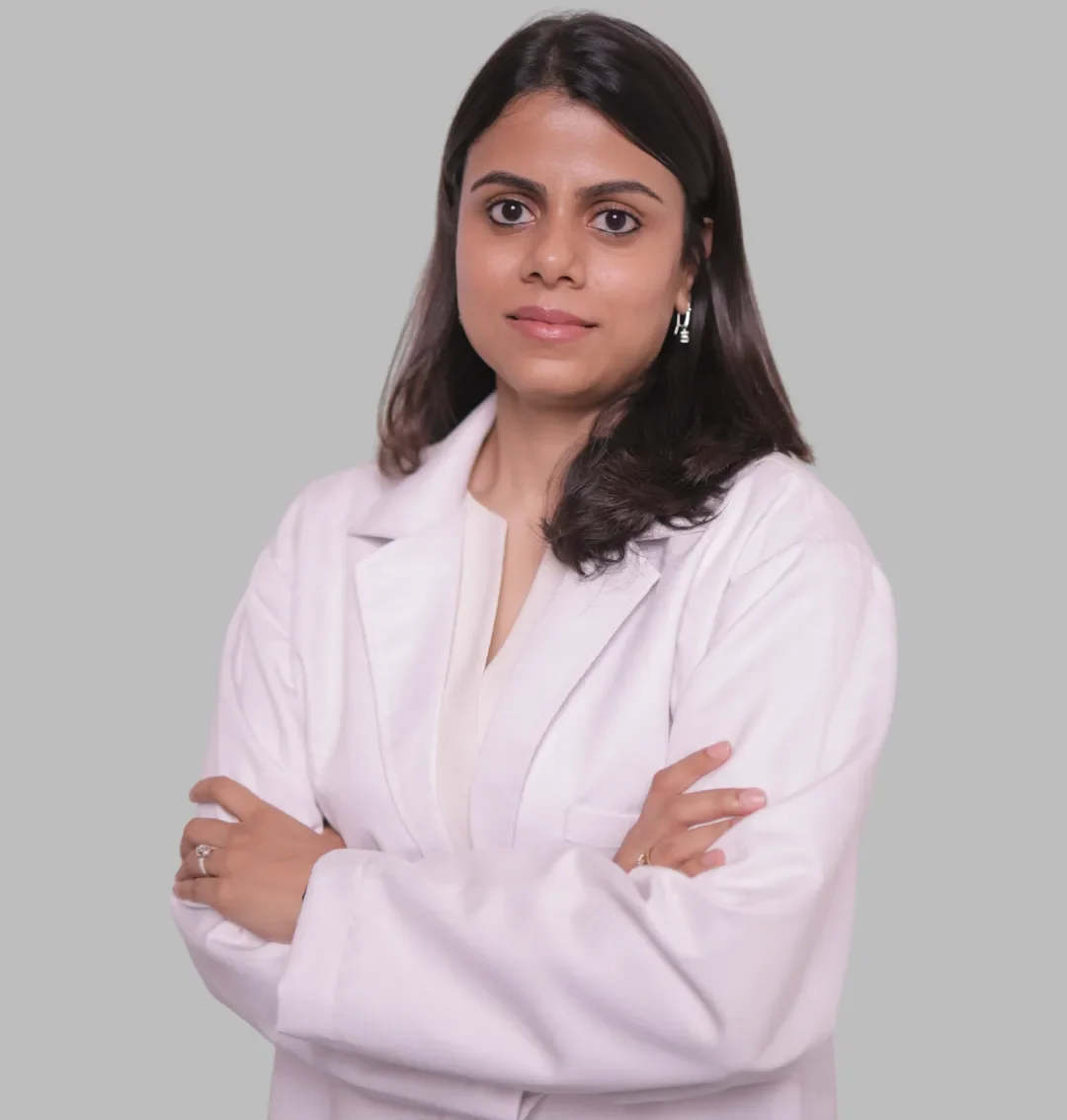
Dr. Shambhavi Jaiman
Consultant Psychiatrist
Online, In-person
English, Hindi
7+ Years Experience

Dr. Siddharth Sethi
Consultant Psychiatrist
Online, In-person
English, Hindi, Marathi
7+ Years Experience

Dr. Akul Gupta
Consultant Psychiatrist
Online, in-person
Hindi, English
5+ Years Experience
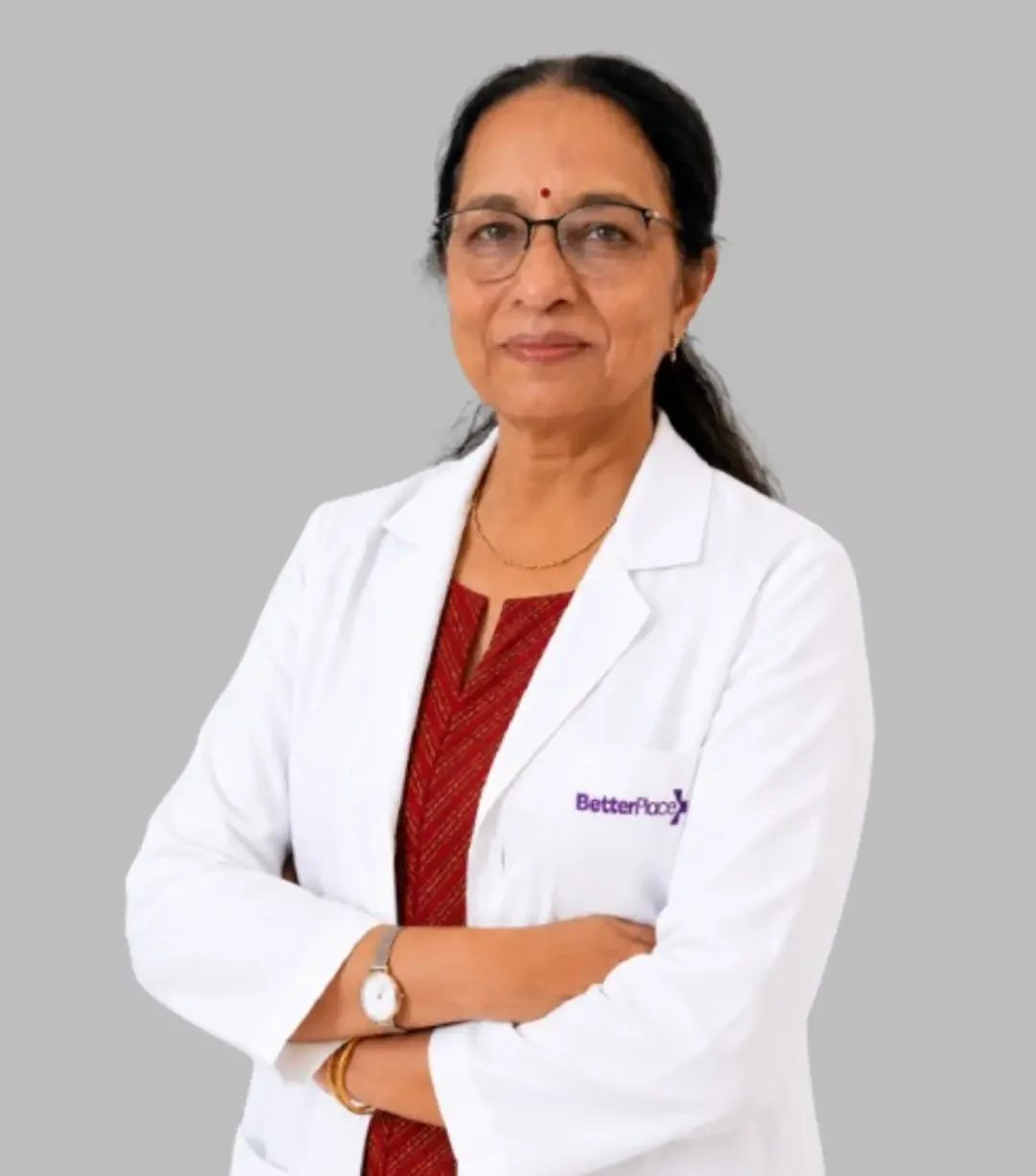
Dr. Pranita Gaur
Clinical Psychologist
Online, In-person
Hindi, English
44+ Years Experience

Ms. Anantika Tehlani
Clinical Psychologist
Online, In-person
Hindi, English
7+ Years Experience

Ms. Ayushi Paul
Clinical Psychologist
Online, In-person
Hindi, English, Bengali
5+ Years Experience

Ms. Sulagna Mondal
Clinical Psychologist
Online, In-person
Hindi, English, Bengali
3+ Years Experience
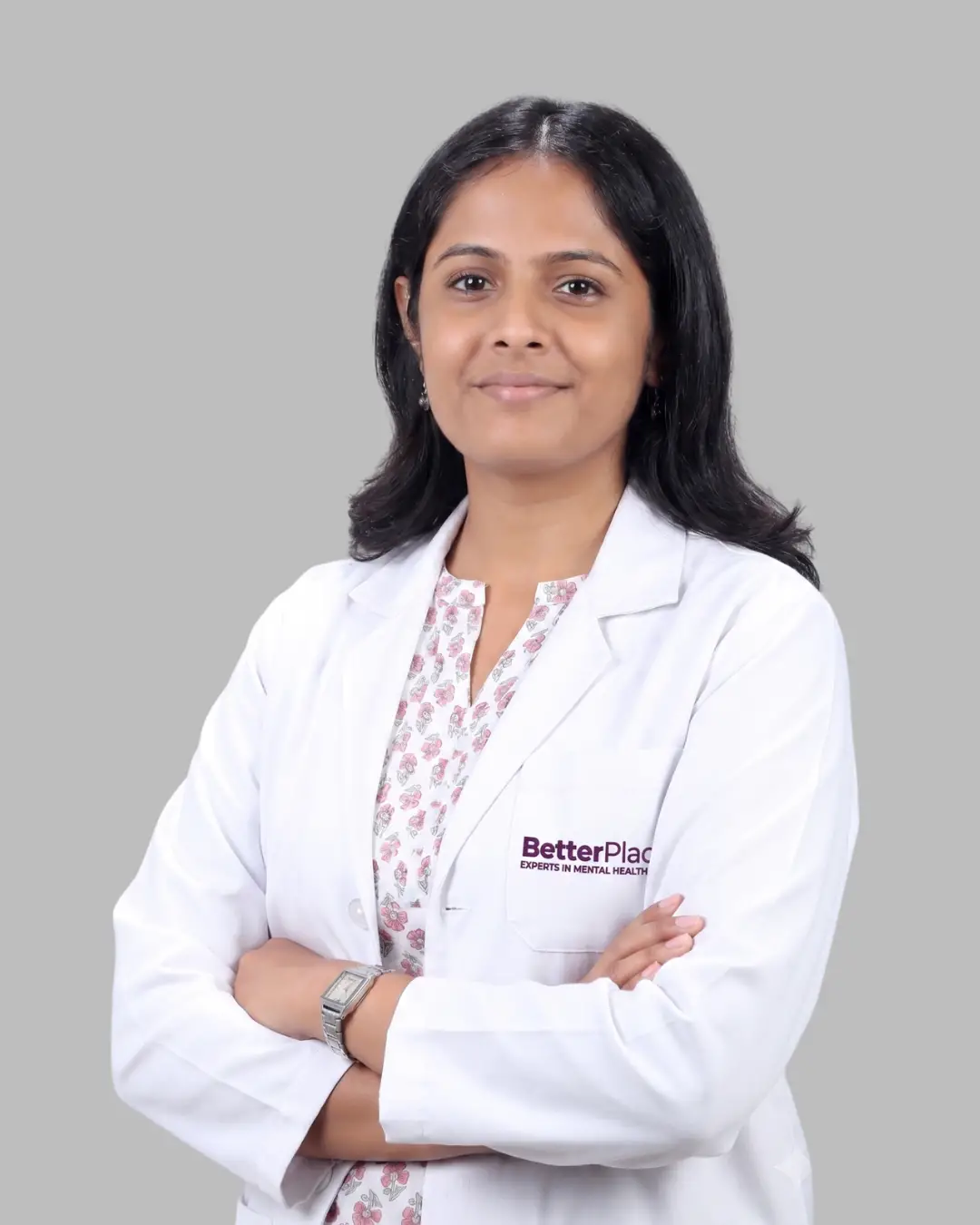
Ms. Shreya Maheshwary
Counselling Psychologist
Online, In-person
Hindi, English
2+ Years Experience

Ms. Shreeyam Mishra
Clinical Psychologist
Online, In-person
Hindi, English
2+ Years Experience

Ms. Mitali Srivastava
Senior Clinical Psychologist
Online, in-person
Hindi, English
15+ Years Experience
What Makes our Personality Disorder Treatment ‘Better’?

Specialists in Personality Disorders
Our team includes experts who specialise in understanding and treating personality disorders, ensuring you receive care from professionals with deep knowledge of your condition.

Comprehensive Diagnostic Assessments
We use advanced diagnostic tools and in-depth assessments to accurately understand your condition, ensuring that your treatment plan is based on a clear and complete picture of your needs.

Therapies That Fit Your Needs
We offer a range of proven therapeutic approaches, including Dialectical Behaviour Therapy (DBT) and Cognitive Behavioural Therapy (CBT), so you can find the method that works best for you.

Support Beyond Therapy Sessions
Our care doesn’t stop when your session ends. With access to additional resources like peer support groups and self-help tools, you’ll always have the guidance you need to thrive and not just survive.
Visiting BetterPlace for Personality Disorder Treatment? Here’s What to Expect
When visiting BetterPlace, you can expect a welcoming environment where there is 0% judgment.

Detailed initial session (90 min)
Meet with both a psychologist and a psychiatrist
Comprehensive testing
Get an accurate understanding of your mental health
Treatment phase (3-8 weeks)
Get a personalised treatment plan
Long-term support
Get ongoing care with regular follow-ups
Transformation Stories at BetterPlace!

For years I jumped between high and lows that were impossible to control — I felt like king of the world one day and down in the dumps the next. It was really frustrating and scary. I had completely lost my sense of self. But meeting Dr Akul changed that. With her guidance and the right medication, I am now slowly regaining control of my life and being able to focus on what matters most without getting sucked into the extremes.
BetterPlace has helped me manage my OCD such that I can lead a normal life again. Before I would check the lock 23 times before leaving the house and adjust the car mirror 18 times before driving each time. Thanks to my sessions with Dr Akul I have finally broken free of that horrible chain. I feel so free I just cannot express it in words!
Get Expert Personality Disorder Treatment Today!
Visit us or book an online consultation

BetterPlace, East of Kailash
At National Heart InstituteFirst Floor, Annexe Building D Block, East of Kailash, New Delhi

BetterPlace, Gurgaon
5th Floor, Plot No 33,Compassionate Mental Health Care for Personality Disorders














overview of personality disorders

What Is a Personality Disorder?
Personality Disorders are a group of mental health conditions that affect how a person thinks, feels and acts. People with Personality Disorders often act impulsively and have a hard time understanding and processing emotions. Moreover, their inner thoughts and feelings lead them to behave in ways that are generally not considered socially or culturally acceptable. Symptoms of Personality Disorders are usually first observed in the late teens or early twenties.
Read MoreIf these patterns are affecting relationships, work, or daily functioning, speaking with a psychiatrist in Delhi can help you understand what kind of support may be needed.

Types of Personality Disorders
Personality Disorders are grouped into three main clusters based on shared characteristics and symptoms:
Read MoreCluster A (Odd or Eccentric Disorders)
Cluster A Personality Disorders involve odd or eccentric thinking and behaviours. People with these disorders tend to be socially awkward or withdrawn, and their thinking or speech may seem strange or distorted.
Paranoid Personality Disorder
Those with Paranoid Personality Disorder have extremely suspicious dispositions and tend to believe most people are out to get them in some way, even when there’s no sufficient reason to think so. They might misinterpret casual remarks for personal attacks and hold onto grudges for a long time. Their deeply mistrusting natures often lead to self-isolation and damaged relationships.
Schizoid Personality Disorder
People with Schizoid Personality Disorder have solitary natures and tend to avoid close relationships of any kind, including families. As a result, they come across as socially withdrawn and emotionally detached. Their emotional range is so limited that they seem indifferent to praise and criticism.
Schizotypal Personality Disorder
Schizotypal Personality Disorder involves abnormal thoughts and behaviours, such as believing in ghosts and magic, and also unclear or distorted speech. People with this disorder tend to struggle with developing and maintaining close relationships, and may come across as ‘odd’, ‘eccentric’, or ‘suspicious’.
Cluster B (Dramatic, Emotional, or Erratic Disorders)
Cluster B Personality Disorders involve dramatic and erratic behaviours. People with these types of conditions display intense, unstable emotions and impulsive behaviours.
Antisocial Personality Disorder
Those with Antisocial Personality Disorder often lack empathy and disregard the feelings of others. They break the rules frequently, act impulsively, and engage in deceitful or manipulative behaviours without remorse. They struggle to maintain jobs and relationships because of their aggressive and irresponsible natures.
Borderline Personality Disorder (BPD)
A broken sense of identity, insecurity, and impulsive behaviours are the typical traits of someone with Borderline Personality Disorder (BPD). People with BPD often suffer from intense mood swings and a constant fear of abandonment. To manage their volatile emotions, they may end up harming themselves or taking huge risks of some kind. In many cases, regular care through a mental health clinic in Delhi helps bring psychiatric and psychological support together under one roof.
Histrionic Personality Disorder
Craving to be the centre of attention is the defining trait of someone with a Histrionic Personality Disorder. Such people also suffer from an extreme need for approval. Consequently, they tend to be overly dramatic, a little too emotionally expressive, and prone to flirtatious or provocative mannerisms to get what they want, which is gaining praise or attention at all costs.
Narcissistic Personality Disorder
Those with Narcissistic Personality Disorder suffer from a false sense of superiority and as a result, expect to be given special treatment. They have little to no sympathy for others, tend to exploit people for their benefit and struggle with accepting criticism. They also suffer from a constant need for admiration. Beneath all the false confidence, however, they are very fragile and emotionally vulnerable.
Cluster C (Anxious or Fearful Disorders)
Cluster C Personality Disorders are associated with high levels of Anxiety and fearfulness. People with these conditions often feel insecure, dependent, or overly concerned about their surroundings.
Avoidant Personality Disorder
Being extremely scared of rejection and equally sensitive to criticism, people with Avoidant Personality Disorder tend to avoid social situations of any kind. They might want close relationships like most people, but because of their deep-rooted insecurity, low self-esteem, and fear of ridicule, they end up living in isolation.
Dependent Personality Disorder
People with Dependent Personality Disorder live in constant fear of abandonment or being left to survive on their own. As a result, they rely heavily on others to make decisions for them and try their best to stay in their good books and avoid conflict, lest they be left alone. Unsurprisingly, they tend to have submissive personalities and struggle to be assertive in relationships.
Obsessive-Compulsive Personality Disorder (OCPD)
People with Obsessive-Compulsive Personality Disorder (OCPD) are overly preoccupied with control, as well as things being in order and ‘just right’. This isn’t like Obsessive-Compulsive Disorder (OCD), for the person is not driven by intrusive thoughts; instead, they become excessively focused on rules and details, which makes them inflexible and inefficient at times.

Causes of Personality Disorders
There’s no single cause behind personality disorder. It typically develops from a mix of genetic vulnerability, environmental factors, and life experiences that shape how you relate to yourself and others over time. Understanding these underlying causes matters, since they often guide the right approach to treatment of personality disorder.
Read MoreBrain Chemistry : Chemical imbalances in your brain can sometimes lead to the development of Personality Disorders. Imbalances in neurotransmitters, such as those that regulate behaviour and mood, are commonly linked to disorders in Cluster B, such as Antisocial and Borderline Personality Disorder. Brain scan studies have also shown that structural differences in the brains of those with Personality Disorders make it harder to regulate emotions, make sound decisions, and behave in socially acceptable ways.
Genetics : Your genetics play a major part in the development of Personality Disorders. If a family member has a Personality Disorder or a mental health condition, the chances of you developing a similar disorder are higher. You may also inherit certain traits or tendencies, which affect how you think and behave in different situations. For instance, research has shown a strong link between genetics and conditions such as Antisocial or Borderline Personality Disorder.
Environmental Stress : Cultural and societal influences — like social norms, values, and expectations can also influence the development of Personality Disorders. For example, growing up in a culture that places an overly strong emphasis on success and career may cause you to develop narcissistic tendencies and symptoms. On the other hand, a culture built around conformity and governmental obedience may see higher instances of dependent or avoidant personality traits. If these long-standing emotional and behavioural patterns are creating distress, a psychologist in Delhi can help you understand how they are affecting your current life and how to move past them.
Personality Traits : Extreme personality traits can contribute greatly to the development of Personality Disorders. These traits influence how you perceive yourself and others. Over time these maladaptive traits can contribute to patterns that disrupt personal relationships, work, and daily life.
Childhood Trauma
Experiences like neglect, abuse, or an unstable home environment during childhood can disrupt healthy emotional development. When a child doesn’t have a safe, consistent environment to learn how to regulate emotions or trust others, it can shape patterns of thinking and relating that persist into adulthood, forming the foundation for several types of personality disorder.
Verbal Abuse
Repeated verbal abuse, whether from a parent, caregiver, or partner, can deeply affect self-worth and how you view relationships. Constant criticism, belittling, or manipulation during formative years can lead to distorted self-perception and difficulty forming secure, healthy relationships later in life, both of which are common threads across personality disorders.
Cultural Factors
Cultural context shapes what behaviours are considered normal versus concerning, and this affects how personality disorders develop, present, and get recognised. Rigid societal expectations, stigma around emotional expression, or pressure to conform can all contribute to unhealthy coping patterns. This is also why a personality disorder test or clinical evaluation needs to account for cultural background rather than apply a one-size-fits-all standard.
Recognising these causes early makes it easier to seek help at the right time, whether that means working with a therapist or visiting a personality disorder treatment centre for a proper evaluation.

Symptoms of Personality Disorders
Cluster A (Odd or Eccentric Disorders)
Paranoid Personality Disorder
- Persistent and pervasive suspicion and mistrust of others, without sufficient evidence
- A constant belief that others are plotting against or deceiving them
- Reluctance to confide in others out of fear that the information might be misused
- Reading hidden threats or meanings into harmless remarks or casual conversations
- Unjustified suspicions about a spouse or partner
- Hostile or defensive attitude when criticised
Schizoid Personality Disorder
- Strong preference for being alone and lack of interest in forming close relationships
- Emotional coldness, detachment, or flattened affect (appearing indifferent to praise or criticism)
- Little to no desire for sexual experiences with others
- Limited range of emotional expression, or appearing emotionally distant
- Minimal interest in participating in too many activities
- Difficulty relating to others or responding to social cues
Schizotypal Personality Disorder
- Odd beliefs, magical thinking, or superstitions (e.g., believing in telepathy or having special powers)
- Unusual perceptual experiences, such as hearing voices or seeing things that aren’t there
- Eccentric behaviours, speech, or appearance (e.g., unusual clothing or mannerisms)
- Suspiciousness or paranoid thoughts
- Inappropriate or limited emotional responses, often mismatching social cues
- Excessive social anxiety, even in familiar situations, often driven by paranoid fears
- Few close relationships due to discomfort with intimacy
Cluster B (Dramatic, Emotional, or Erratic Disorders)
Antisocial Personality Disorder
- Disregard for societal rules and the rights of others
- Lying, using aliases, or conning others for personal gain
- Reckless disregard for the safety of self or others, including engaging in illegal activities
- Impulsivity and failure to plan, leading to unstable relationships and financial trouble
- Irritability, aggression, and violent behaviour
- Consistent irresponsibility, including inability to maintain work or honour financial obligations
- Lack of remorse for harm caused to others, whether physical, emotional, or financial
Borderline Personality Disorder
- Intense and unstable interpersonal relationships
- Deep fear of abandonment
- Rapid mood swings, including intense episodes of anger, Depression, or Anxiety lasting a few hours to a few days
- Chronic feelings of emptiness or boredom
- Impulsive, self-damaging behaviours, such as substance abuse, reckless driving, or binge eating
- Recurrent suicidal behaviour, threats, or self-harming actions (e.g., cutting oneself)
- Difficulty controlling anger, leading to outbursts or physical fights
- Stress-related paranoid thoughts or severe dissociative symptoms
Histrionic Personality Disorder
- Constantly seeking attention and approval from others, often through dramatic or exaggerated behaviour
- Inappropriate sexual or provocative behaviour, aimed at getting attention
- Rapidly shifting and shallow expression of emotions, often seeming insincere or exaggerated
- Consistent use of physical appearance to draw attention to oneself
- Highly suggestible, easily influenced by others or by trends
- Perceives relationships as closer or more intimate than they are
- Discomfort when not the centre of attention, leading to theatrical or attention-seeking behaviour
- Overly emotional or dramatic speech
Narcissistic Personality Disorder
- Huge sense of self-importance, exaggerating achievements and talents
- Preoccupation with fantasies of unlimited success, power, brilliance, beauty, or ideal love
- Belief that they are special and unique, and can only be understood by or should associate with other special or high-status people
- Need for excessive admiration and constant validation from others
- Sense of entitlement, expecting favourable treatment or compliance with their expectations
- Exploitation of others to achieve personal goals, without regard for their feelings
- Lack of empathy, unable or unwilling to recognise the needs or feelings of others
- Envy of others or belief that others are envious of them
- Arrogant or haughty attitude and behaviour
Cluster C (Anxious or Fearful Disorders)
Avoidant Personality Disorder
- Extreme sensitivity to criticism or rejection, leading to avoidance of social interactions or work activities that require interpersonal contact
- Feelings of inadequacy and being socially inept or inferior to others
- Reluctance to engage in new activities or take personal risks due to fear of embarrassment or failure
- Avoidance of intimate relationships, despite wanting them, due to fear of rejection
- Low self-esteem and constant feelings of shame or inadequacy
- Excessive reluctance to try new things or meet new people, preferring familiar routines
- Extreme shyness or Anxiety in social settings
Dependent Personality Disorder
- Difficulty making everyday decisions without excessive advice or reassurance from others
- Needing others to assume responsibility for most major areas of their life
- Not disagreeing due to fear of losing support or approval
- Difficulty initiating projects or doing things independently due to lack of self-confidence
- Going to excessive lengths to obtain support, including volunteering for unpleasant tasks
- Feeling helpless or uncomfortable when alone due to exaggerated fears of being unable to take care of oneself
- Feeling an urgent need to seek a new relationship as a source of care and support when a close relationship ends
- Unrealistic preoccupation with fears of being left to care for oneself
Obsessive-Compulsive Personality Disorder (OCPD)
- Preoccupation with details, rules, lists, order, and schedules
- Perfectionism that interferes with completing tasks
- Excessive devotion to work and productivity
- Inflexibility about matters of morality, ethics, or values
- Reluctance to work with others, unless they submit to their way of doing things
Diagnosis of Personality Disorders
Diagnosing a personality disorder isn’t based on a single conversation or symptom. It requires a thorough clinical evaluation, since personality disorders often overlap with other mental health conditions and can look different from person to person, even within the same types of personality disorder.
Read MoreClinical Interview and History
Your clinician will walk through your personal history in detail, covering relationship patterns, emotional responses, childhood experiences, and how you typically behave under stress. Since personality disorders reflect long-standing, ingrained patterns rather than temporary symptoms, this history needs to trace back to adolescence or early adulthood, as that’s when these patterns typically first take shape.
DSM-5-TR Criteria
Diagnosis is guided by the DSM-5-TR, which outlines specific criteria for each of the ten recognised personality disorders, grouped into three clusters based on shared characteristics. To meet diagnostic criteria, your patterns of thinking, feeling, and behaving need to be inflexible, pervasive across different situations, and significantly affecting your relationships, work, or day-to-day functioning, not just occasional or context-specific behaviour.

Treatments for Personality Disorders
Personality Disorders are some of the most difficult disorders to treat in psychiatry. This is mainly because people with Personality Disorders don’t think their behaviour is problematic, so they don’t often seek treatment.
Read MorePsychotherapy
Therapy is the primary treatment for Personality Disorders. Cognitive-Behavioural Therapy (CBT) and Dialectical Behaviour Therapy (DBT) help you recognise and change problematic thoughts and behaviours. Psychotherapy can also help with handling emotions better and building good relationships.
Medication
No medications are approved as yet for treating Personality Disorders. However, certain medications may be prescribed at times to help manage symptoms of Personality Disorders. Common medications prescribed include antidepressants, mood stabilisers, and antipsychotic drugs. If regular medication review and follow-up are needed, a psychiatrist in South Delhi can help you with ongoing care.
Complementary Therapies
Alternative therapies such as mindfulness, yoga, and nature therapy can increase a sense of internal and external awareness, which is beneficial for you. Art, music, and dance therapy can help you express emotions that you may not be able to convey otherwise.
Stress Management
A healthy routine and stress management can help you regulate emotions. Chronic stress can worsen the challenges associated with Personality Disorders.

The Cost of Personality Disorder Treatments at BetterPlace
The cost of treating Personality Disorders depends on the frequency of your visits, treatment type, and other components involved like medication.
At BetterPlace, each appointment costs INR 2,000 and in your first 90-minute session, you talk to a psychiatrist and a clinical psychologist. They take a detailed case history from you to understand your symptoms and create a personalised treatment plan for your unique needs.
Why Choose BetterPlace and How to Book an Appointment ?
Finding the right autism treatment centre matters just as much as starting treatment itself. Here’s what sets BetterPlace apart:
- Multidisciplinary team under one roof: Our psychiatrists, clinical psychologists, and therapists work together on every case, so your autism spectrum disorder treatment plan is built around a complete picture, not a single specialist’s view.
- Diagnosis backed by evidence-based assessment: We use standardised diagnostic tools alongside detailed developmental history and behavioural observation, so you get an accurate diagnosis before treatment begins.
- Individualised care plans: No two people with autism spectrum disorder present the same way, so we tailor therapy combinations, whether that’s behavioural therapy, speech therapy, occupational therapy, or medication support, to the individual rather than a fixed programme.
- Support across the lifespan: We work with children, adolescents, and adults, recognising that the treatment of autism looks different at every stage of life.
- Transparent, accessible care: We keep you informed about autism treatment cost in India upfront, so you can plan a realistic, sustainable path forward without surprises along the way.
- Two convenient locations: With clinics in East of Kailash, Delhi, and Gold Course Road, Gurgaon, consistent, high-quality autism treatment stays accessible wherever you’re based.
Meet our Experts
| Name | Designation | Years of Experience | Therapy Mode | Language | Fees |
| Dr. Siddharth Sethi | Consultant Psychiatrist | 7+ | Online, In-person | Hindi, English | ₹ 2000 |
| Dr. Akul Gupta | Consultant Psychiatrist | 5+ | Online, In-person | Hindi, English | ₹ 2000 |
| Dr. Shambhavi Jaiman | Consultant Psychiatrist | 7+ | Online, In-person | Hindi, English | ₹ 2000 |
| Dr Sunil Mittal | Senior Consultant Psychiatrist | 40+ | Online, In-person | Hindi, English | ₹ 4000 |
| Ms. Ayushi Paul | Clinical Psychologist | 5+ | Online, In-person | Hindi, English | ₹ 3000 |
| Ms. Sulagna Mondal | Clinical Psychologist | 3+ | Online, In-person | Hindi, English | ₹ 3000 |
How to Book Your Appointment at BetterPlace
Booking with us is simple. Just click any “Book an appointment” button on our website and enter your details. One of our team members will reach out to you shortly to get you scheduled.
You can also call us directly at +919773996888 or visit our main clinic in East of Kailash, New Delhi.
FAQs about Personality Disorder Treatment
Signs vary depending on the disorder, but common symptoms include difficulties with relationships, extreme emotional reactions, rigid thinking, and impulsive or avoidant behaviours.
No, people with Personality Disorders aren’t trying to be difficult. Their symptoms stem from deep-rooted patterns and often cause them distress as well.
Yes, Personality Disorders can be cured with the right treatment, such as therapy and sometimes medication, and you can learn to manage your symptoms and lead a better life.
Yes, it’s possible for a person to be diagnosed with more than one Personality Disorder, or they may have traits of several. This is called having “co-occurring” Personality Disorders.
You can incorporate healthy habits like exercise, stress management, and strong support networks to help you cope with your symptoms.
Personality disorders are more common than most people assume, affecting roughly 1 in 10 people at some point in their life. Some types of personality disorder are more prevalent than others, with borderline and obsessive-compulsive personality disorder among the more frequently diagnosed. Many cases go unrecognised for years simply because the person never seeks an evaluation.
Look for long-standing, rigid patterns in how someone thinks, feels, and relates to others that show up consistently across different situations, not just occasionally under stress. This might include unstable relationships, extreme reactions to perceived rejection, or a persistent lack of empathy. A proper personality disorder test or clinical evaluation is the only reliable way to confirm it, since these patterns can overlap with other mental health conditions.
Not entirely, since genetics and early life experiences both play a role, but early intervention can make a real difference. Addressing childhood trauma, building healthy coping skills, and getting support early for emotional or behavioural difficulties can lower the risk. If warning signs appear in adolescence, starting personality disorder treatment early often leads to better long-term outcomes.
Yes, left unaddressed, personality disorders can significantly affect relationships, work, and overall quality of life, and some types carry a higher risk of self-harm or co-occurring conditions like depression. That said, with the right treatment of personality disorder, most people see meaningful improvement in how they manage emotions and relationships.
Not exactly, though brain structure and function do play a role alongside genetics and environment. Research shows some personality disorders are linked to differences in areas of the brain that regulate emotion and impulse control. This is part of why effective personality disorder treatment typically combines therapy with a proper clinical evaluation at a specialised personality disorder treatment centre, rather than a one-size-fits-all approach.
More Ways We Support Your Personality Disorder Treatment
Latest articles
July 22, 2026
Anuroop Pokhriyal
June 26, 2026
Anuroop Pokhriyal
June 24, 2026
Anuroop Pokhriyal
