Clinically Proven Care, Trusted by Thousands

50K
+
Lives transformed
97%
Report early reduction in symptoms
40
+
Years of trusted, effective care
Brain Stimulation Treatments

Our Team of Experts for Comprehensive PTSD Support

Dr. Akul Gupta,

Consultant Psychiatrist

5+ Years Experience 2000/session

Online, In-person

Hindi, English

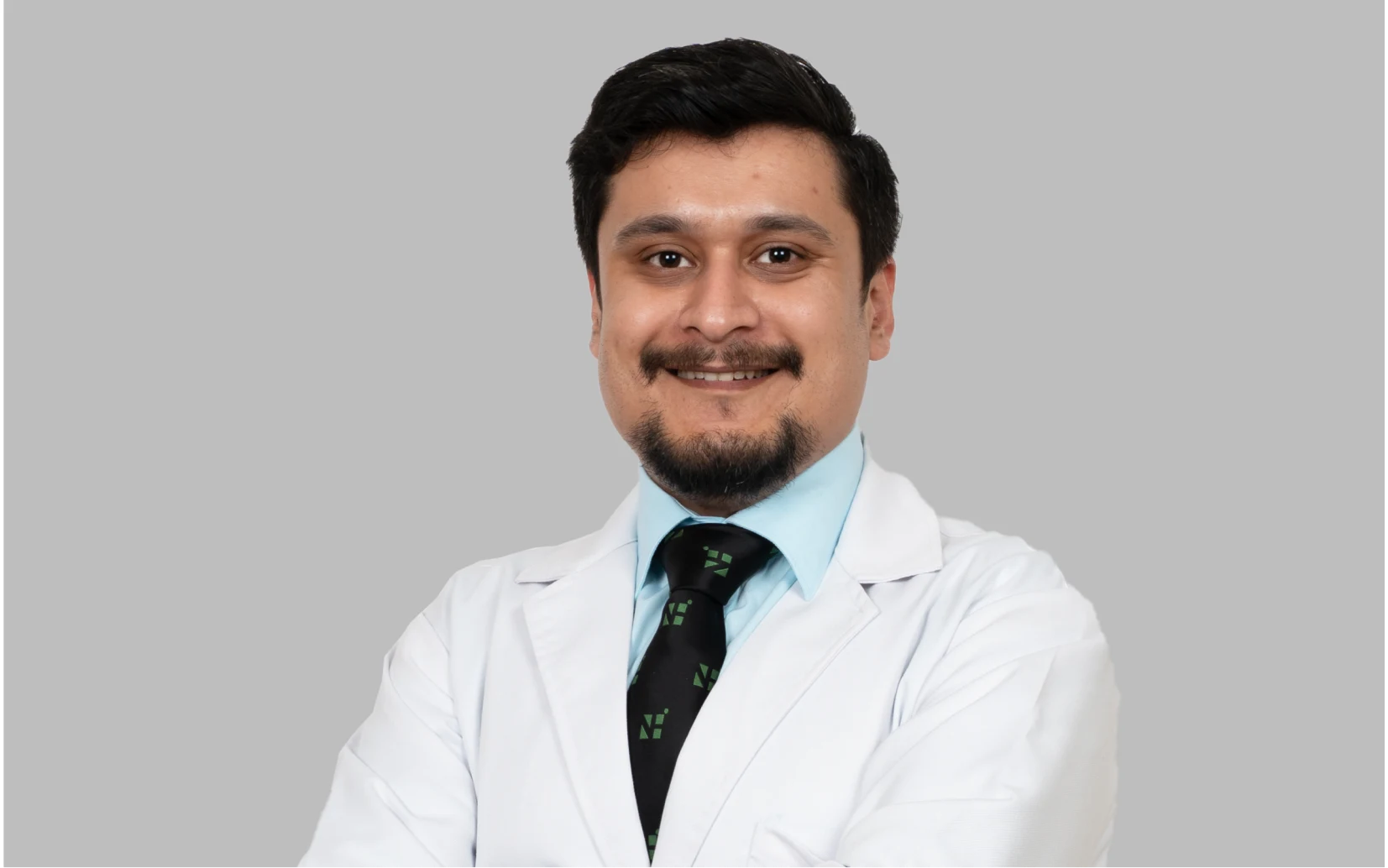
Dr. Siddharth Sethi,

Consultant Psychiatrist

7+ Years Experience 2000/session

Online, In-person

English, Hindi, Marathi

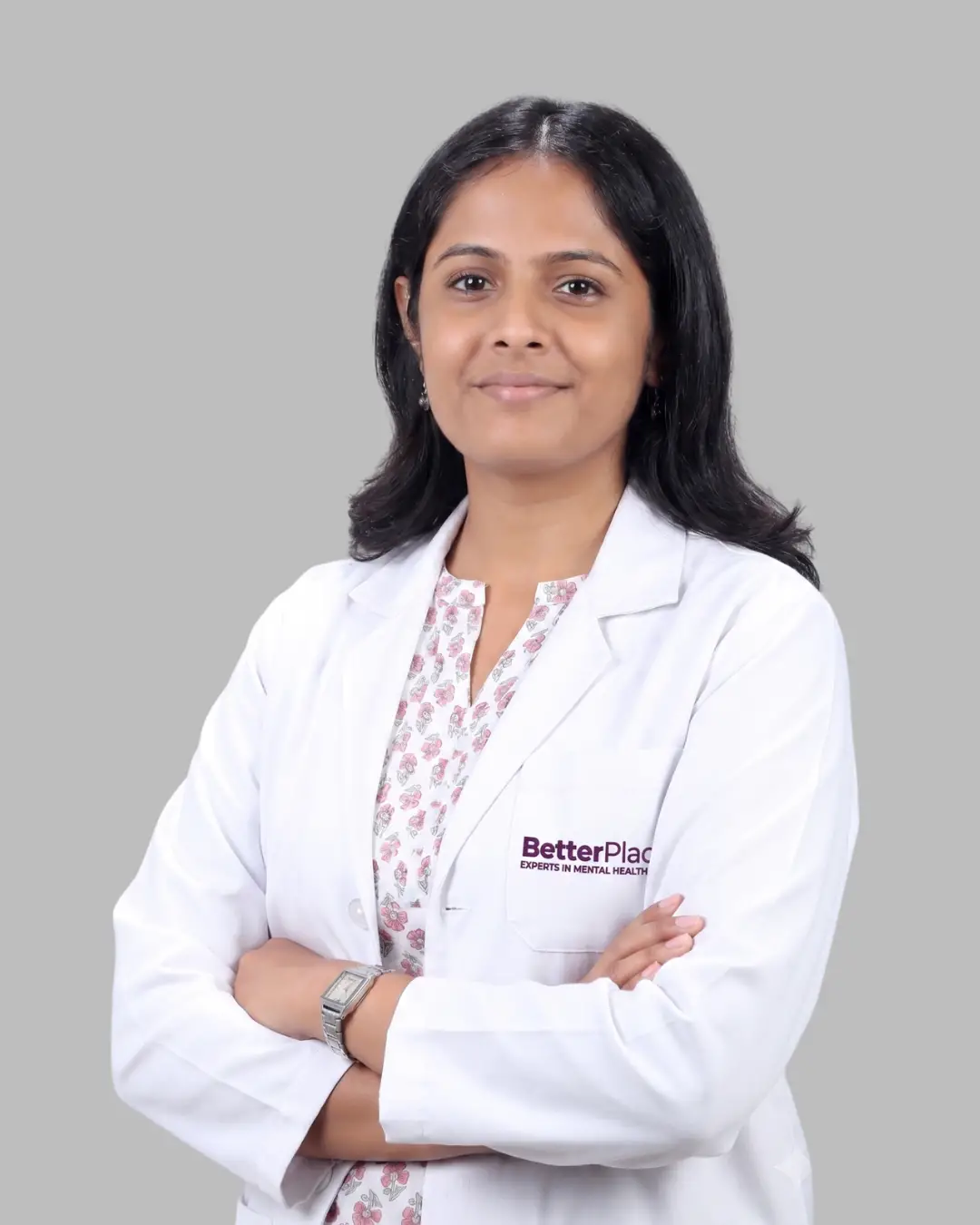
Ms. Lovleena Sharma,

Clinical Psychologist

6+ Years Experience 2000/session

Online, In-person

Hindi, English

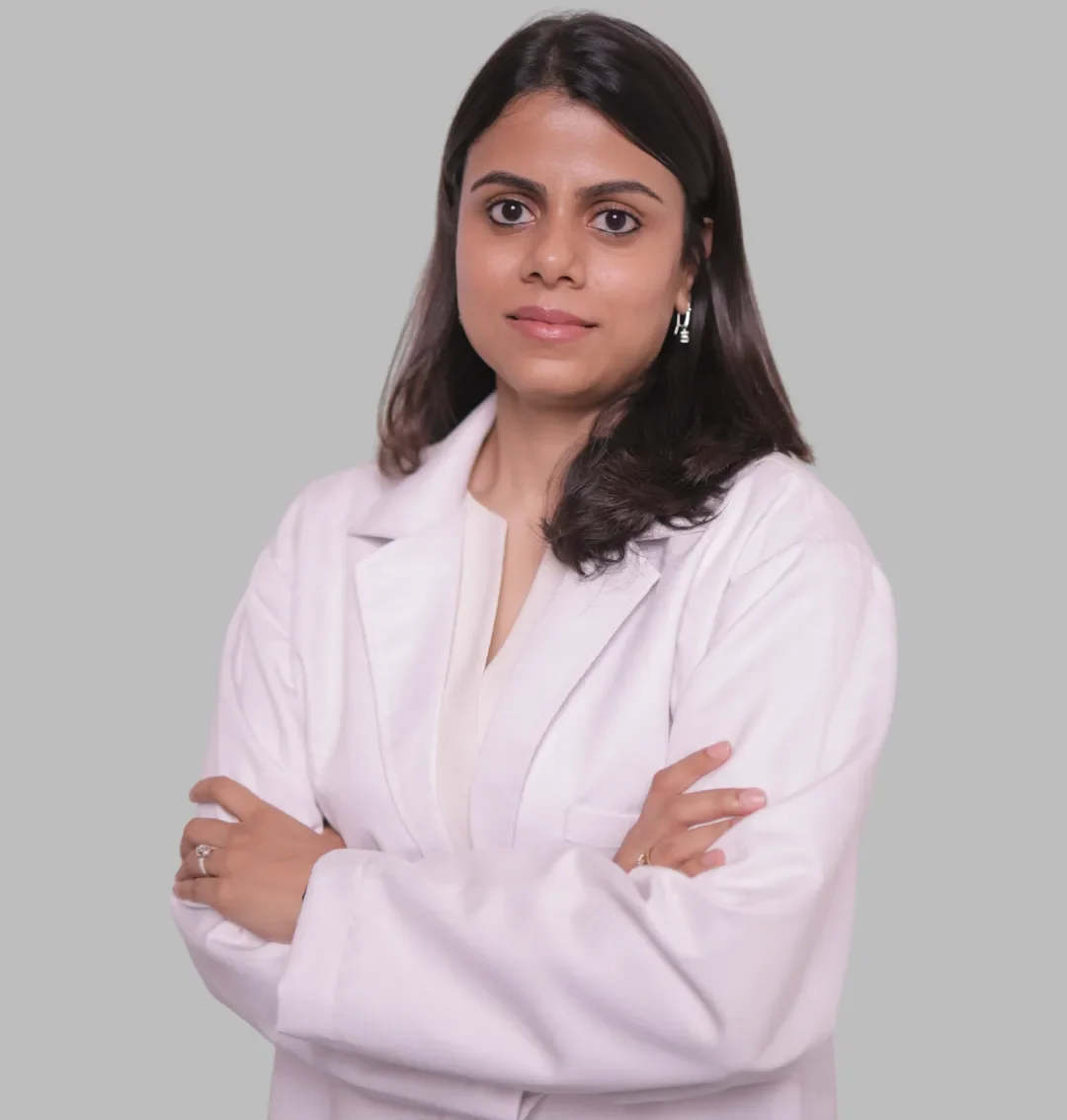
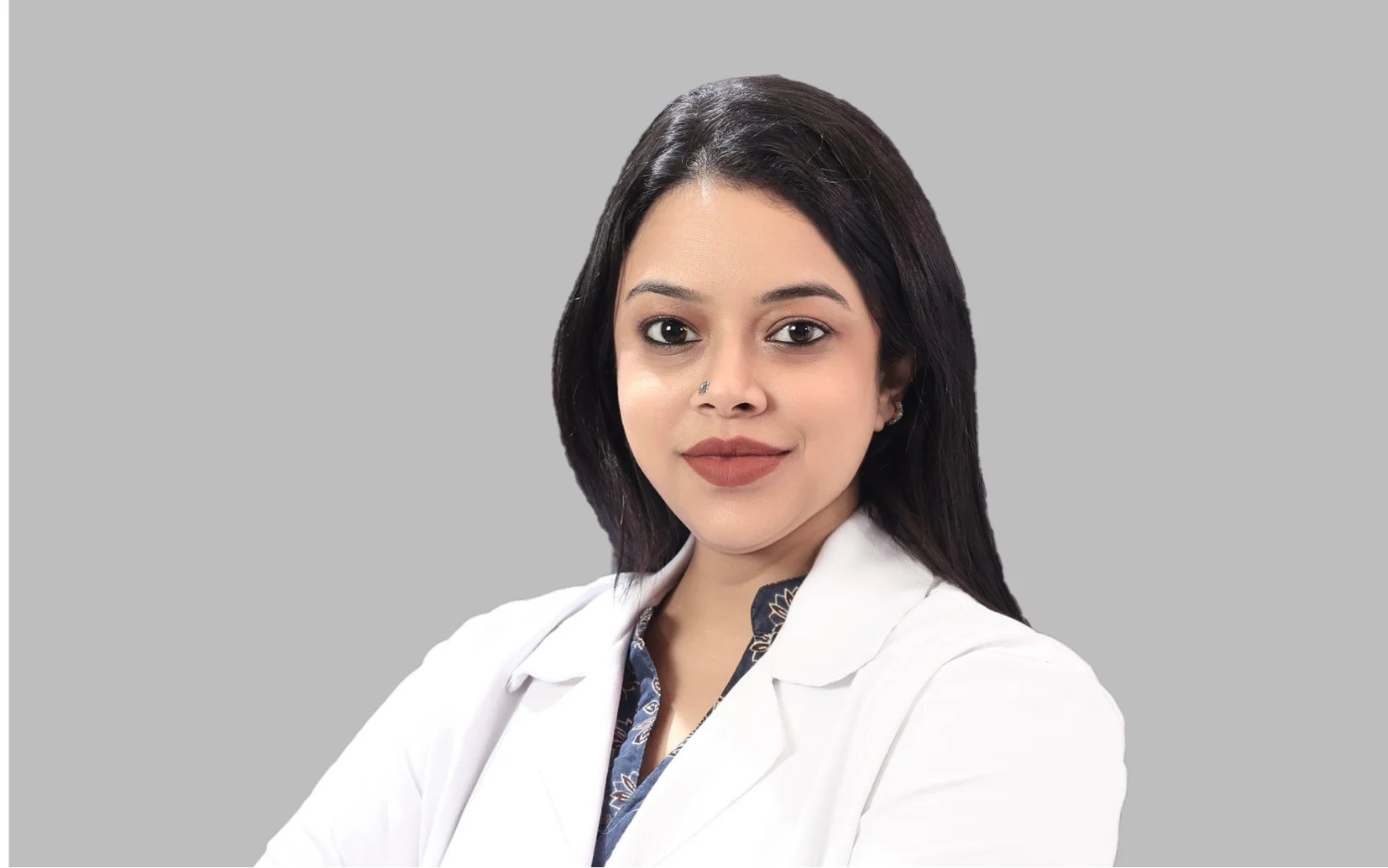
Ms. Ayushi Paul,

Clinical Psychologist

5+ Years Experience 3000/session

Online, In-person

Hindi, English, Bengali

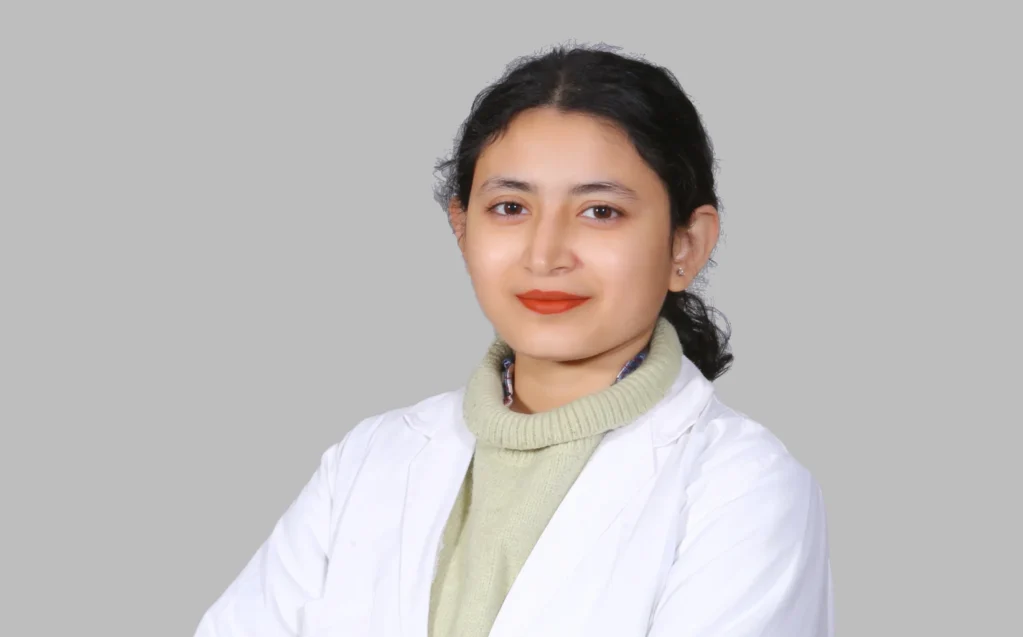
Ms. Sulagna Mondal,

Clinical Psychologist

3+ Years Experience 3000/session

Online, In-person

Hindi, English, Bengali

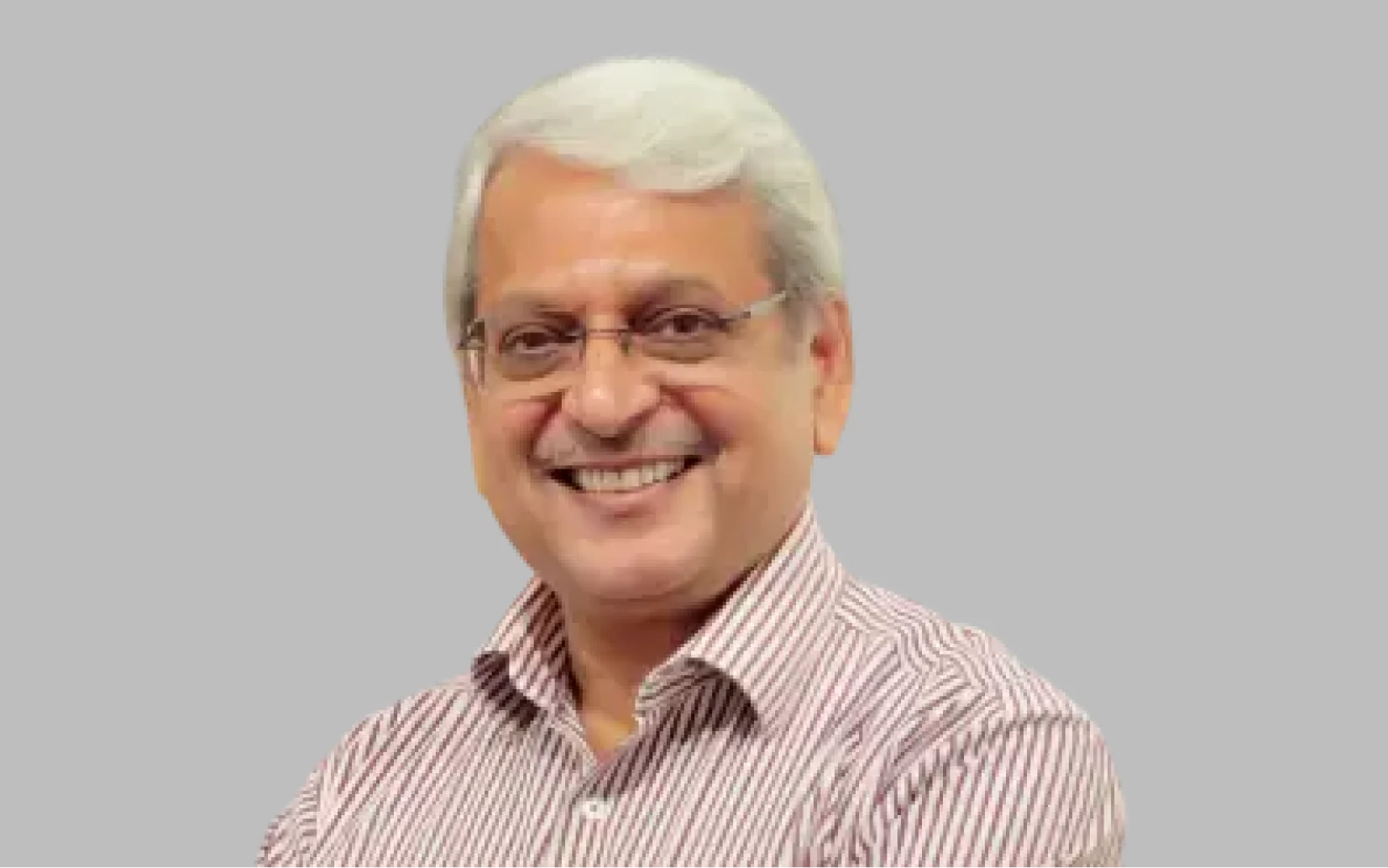
Dr. Sunil Mittal ,

Senior Consultant Psychiatrist

40+ Years Experience 4000/session

Online, In-person

Hindi, English

Ms. Mitali Srivastava,

Senior Clinical Psychologist

Online, In-person

Hindi, English

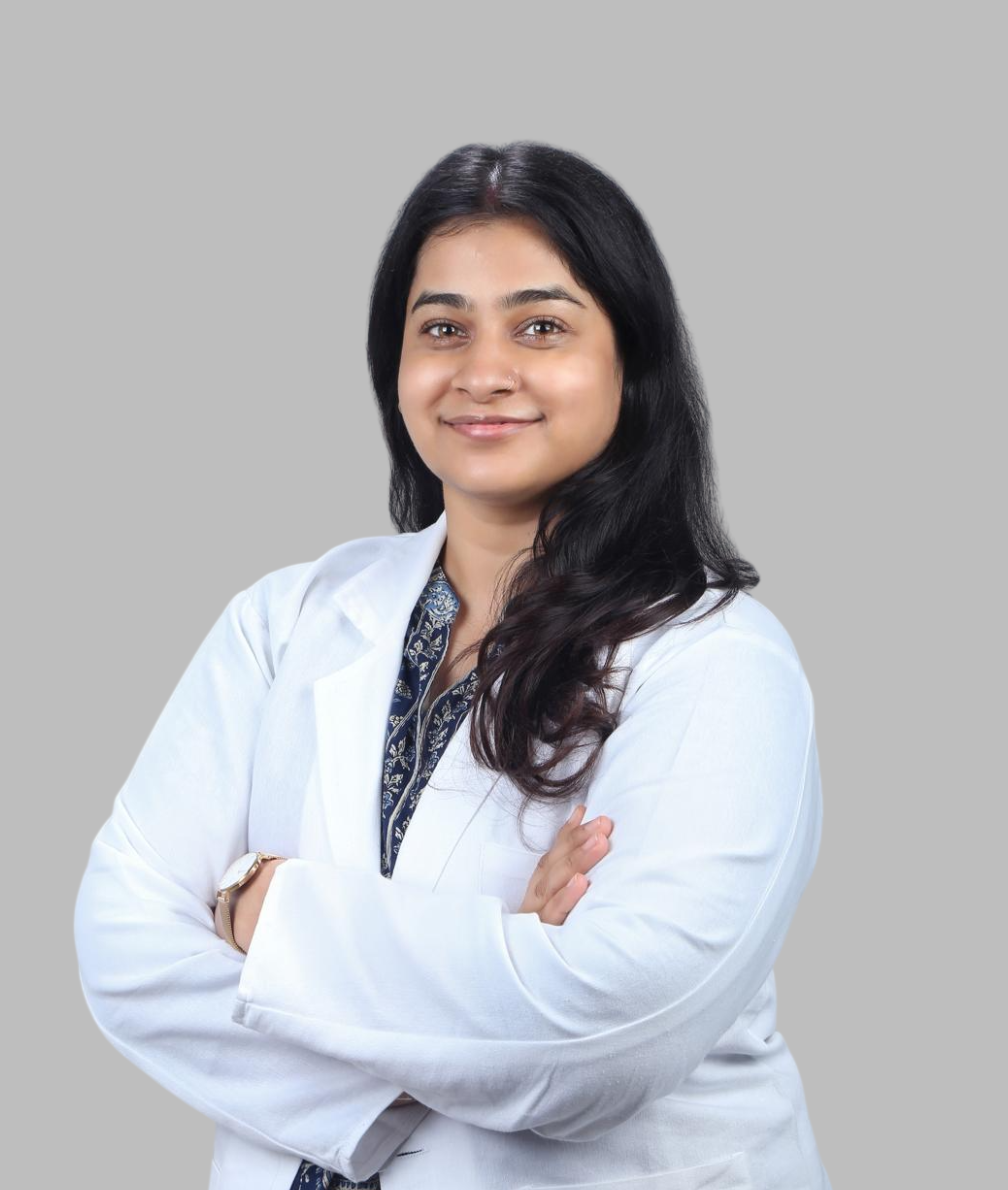
Ms. Sejal Jain,

Clinical Psychologist

2+ Years Experience 2000/session

Online, In-person

Hindi, English

What Makes Our PTSD Care ‘Better’?

Comprehensive trauma-focused therapy

We use evidence-based therapies like EMDR, CBT, and exposure therapy that help you manage your triggers and process your trauma in a safe and structured way.

Family-inclusive treatment options

PTSD affects your relationships, too. We offer family therapy and psychoeducation to help your loved ones understand your condition and be a contributing part of your mental health.

Support beyond therapy sessions

your PTSD recovery isn’t limited to just appointments. We provide on-demand support, coping tools, and crisis response services to help you feel safe and supported at all times.

Continuous monitoring and symptom tracking

PTSD symptoms can change and evolve as your treatment progresses. We track your case regularly, adjusting your treatment plan as needed to ensure ongoing and long-term improvement.

What to Expect When You Visit BetterPlace for PTSD Treatment

When visiting BetterPlace, you can expect a welcoming environment where there is 0% judgment.

Detailed initial session (90 min)

Meet with both a psychologist and a psychiatrist

Comprehensive testing

Get an accurate understanding of your mental health

Treatment phase (3-8 Weeks)

Get a personalised treatment plan

Long-term support

Get ongoing care with regular follow-ups

Transformation Stories at BetterPlace!

 I faced a lot on the battlefield but never thought the real battle would begin once I got home. The nightmares, panic attacks and flashbacks ambushed me when I least expected it. Full credit goes to the excellent doctors at Better Place for helping me tackle my demons head-on. It’s been a slow and steady process but the results have been very encouraging so far.


M
Major Aditya Grover

For years, I feared going to bed due to relentless nightmares that woke me after just a few hours. I visited a few somnologists who told me everything in my body was working well there was nothing wrong. With the help of BetterPlace, i found out that i have unresolved past trauma I experienced. Therapy helped me confront my PTSD and develop coping techniques to reclaim my nights. Sleep is finally peaceful again.


A
Adhiraj R.

My father was getting triggered at any time. It was hard to tell what would set him off. It was really putting a strain on the relationship of the entire family as we would walk on egg shells around him. After therapy at betterplace, we found out that he had underdone childhood trauma that triggered his episodes. Therapy has helped him feel much better and manage his symptoms.


D
Dishant M.

Get Effective PTSD Care Today!

Visit us or book an online consultation

BetterPlace, East of Kailash

At National Heart Institute

First Floor, Annexe Building
D Block, East of Kailash, New Delhi

Overview of Post-Traumatic Stress Disorder

Introduction to Post-Traumatic Stress Disorder (PTSD)

Post-Traumatic Stress Disorder (PTSD) is a mental health disorder that develops after being a part of or witnessing a traumatic event like an accident, act of terrorism, abuse, disasters, etc. PTSD can develop immediately after the traumatic event or it can take days, weeks, or even months. If these symptoms are affecting your daily life, speaking with a psychiatrist in Delhi can help you understand what kind of support and treatment may be right for you.

Read More

Causes and Risk Factors of PTSD

Traumatic events are the leading cause of PTSD. Some of these events may include:

  • Severe accidents
  • Physical or sexual violence
  • Abuse, including childhood or domestic abuse
  • Witnessing or being indirectly exposed to traumatic events in the workplace
  • Severe health conditions, such as intensive care admission
  • Traumatic childbirth experiences, including the loss of a baby
  • Natural disasters
  • The loss of a loved one
  • War or armed conflict
  • Experiences of torture
Read Less

Recognising the Symptoms of PTSD

Intrusive Memories

Do you ever experience persistent, unwanted thoughts that make you question your own mind, even though you have no intention of acting upon them?
These thoughts are called intrusive thoughts. They are usually harmless. But if you obsess over them too much, they can affect your day-to-day functioning.

Read More
  • Flashbacks: Relive the trauma as if it’s happening in real-time
  • Nightmares: Disturbing dreams about the event or related fears
  • Emotional Distress: Intense fear, sadness, or anger triggered by reminders of the event

Avoidance Behaviour

  • Avoiding places, people, or situations that remind you of the trauma
  • Refusing to discuss or think about the traumatic event

Negative Changes in Thinking and Mood

  • Feelings of guilt, shame, or blame
  • Difficulty remembering details of the traumatic event
  • Loss of interest in activities you once enjoyed 
  • Detachment from loved ones

Changes in Physical and Emotional Reactions

  • Being easily startled or frightened
  • Trouble sleeping and concentrating
  • Experiencing irritability, anger outbursts, or difficulty concentrating
Read Less

Diagnosis and Treatment

Diagnosing PTSD involves a thorough evaluation by a mental health professional. At BetterPlace, we focus on understanding your unique experiences and challenges. This includes discussing symptoms, reviewing your history, and using diagnostic tools like structured assessments, interviews or questionnaires. Diagnosis is guided by criteria outlined in the DSM-V (Diagnostic and Statistical Manual of Mental Disorders, Version V) to ensure a comprehensive and accurate assessment. Early identification helps us tailor effective, personalised care for your recovery. If you want integrated support in one place, a mental health clinic in Delhi can help you access both psychiatric and psychological care together.

Read More

Treatment Options for PTSD

Psychotherapy
Psychotherapy provides long-lasting effects in the treatment of PTSD. Cognitive-Behavioural Therapy (CBT) in particular is a highly effective therapy that supports you by helping you process your traumatic experiences and develop healthier thought patterns and coping mechanisms. For regular therapy-led support, a psychologist in South Delhi may also be relevant if that location is more convenient for you.

Medications
There are currently no medications specifically for PTSD, however, medical professionals often prescribe Selective Serotonin Reuptake Inhibitors (SSRIs) and Serotonin-Norepinephrine Reuptake Inhibitors (SNRIs) to alleviate the symptoms of PTSD. Medication review and medical management are usually handled through psychiatry, and a psychiatrist in South Delhi may be useful for ongoing follow-up if you prefer that location.

Supportive Therapies

  • Group therapy
    This type of therapy encourages you to share your challenges, insights and learning with other people suffering from the same condition, in this case, PTSD. It helps create a sense of community and comradery. 
  • Family therapy
    Family therapy is a counselling approach where family members work with a therapist to improve interpersonal communication, resolve conflicts, and strengthen their relationships. It’s especially helpful during transitions in life, conflicts, or when supporting a family member with mental health challenges. The main focus of family therapy is on fostering understanding, empathy, and healthier family dynamics. In such cases, counselling psychologists in Delhi can also support families and individuals as part of the recovery process.

Read Less

The Cost of PTSD Treatment at BetterPlace

At BetterPlace, each therapy session costs INR 2,000. Your journey begins with a 90-minute intake session, where you meet a psychologist and a psychiatrist to create a personalised treatment plan. Our comprehensive approach, tailored treatment strategies, and access to the latest technologies and treatments ensure you receive the best mental health care at the most cost-effective prices.

Living with PTSD and Preventing Relapse

Living with PTSD can be challenging, but it doesn’t have to be. The following tips can help you navigate daily life with more ease and resilience:

Read More
  • Daily Coping Mechanisms
    Living with PTSD can feel overwhelming, but small, consistent actions can make a big difference. Focus on building a routine that brings structure to your day. Find moments to breathe, practice mindfulness, or do something that makes you feel grounded. It’s okay to take things one step at a time.
  • Building a Support Network
    You don’t have to face PTSD alone. Talk to someone you trust—a friend, a family member, or a support group. Sharing your experiences can be hard,  but it’s a powerful step towards healing. Sometimes just knowing someone’s there for you can make all the difference.
  • Professional Support
    Mental health professionals can help you work through your trauma by teaching you tools and techniques to manage your symptoms effectively. Mental health professionals can help you work through your trauma by teaching you tools and techniques to manage your symptoms effectively. There are plenty of therapy options that can help you thrive, not just survive. If you want broader therapy support in the city, psychology is also a relevant service to explore.

Preventing Relapse

While PTSD episodes cannot always be prevented, you can take the following steps to give yourself a better fighting chance:

  • Identifying Triggers
    Pay attention to what causes your PTSD episodes. Understanding your triggers can help you prepare yourself before an episode, or even help you prevent the episode by eliminating the trigger. It could be a type of sound, a certain time of the year, or a certain image—knowing what triggers you helps you take control.
  • Ongoing Therapy and Support
    Healing isn’t linear, and that’s okay. Regular therapy or check-ins with a support group can help keep you on track. Think of it as maintenance for your mental health—something that keeps you strong even when life throws challenges.
  • Healthy Lifestyle Choices
    Physical exercise is good for your mind and body, both. Whether it’s a walk outside, getting enough sleep, or eating something that makes you feel good, the small choices add up.
Read Less

FAQs About PTSD

Yes, PTSD can develop from prolonged exposure to chronic stress or multiple smaller traumatic events, especially when they accumulate over time.

No, while PTSD is common in these professions, anyone who has experienced or witnessed a traumatic event, such as abuse, accidents, or natural disasters, can develop PTSD.

Yes, children can develop PTSD after experiencing or witnessing traumatic events. Their symptoms may differ from adults, including regression, clinginess, or play that re-enacts the trauma.

No, not everyone who experiences trauma will develop PTSD. Factors like personal resilience, social support, and the severity of the trauma play a role in whether someone develops PTSD.

Yes, PTSD symptoms can fluctuate over time. They may intensify during periods of stress or when triggered by reminders of the trauma.

loader
Scroll to Top
Call Us Book Appointment