I was at rock bottom. Now I’m not. I was feeling depressed and didn’t know what to do, so I visited BetterPlace and they helped me. Thank you.



Senior Consultant Psychiatrist


Online, in-person
Hindi, English
40+ Years Experience
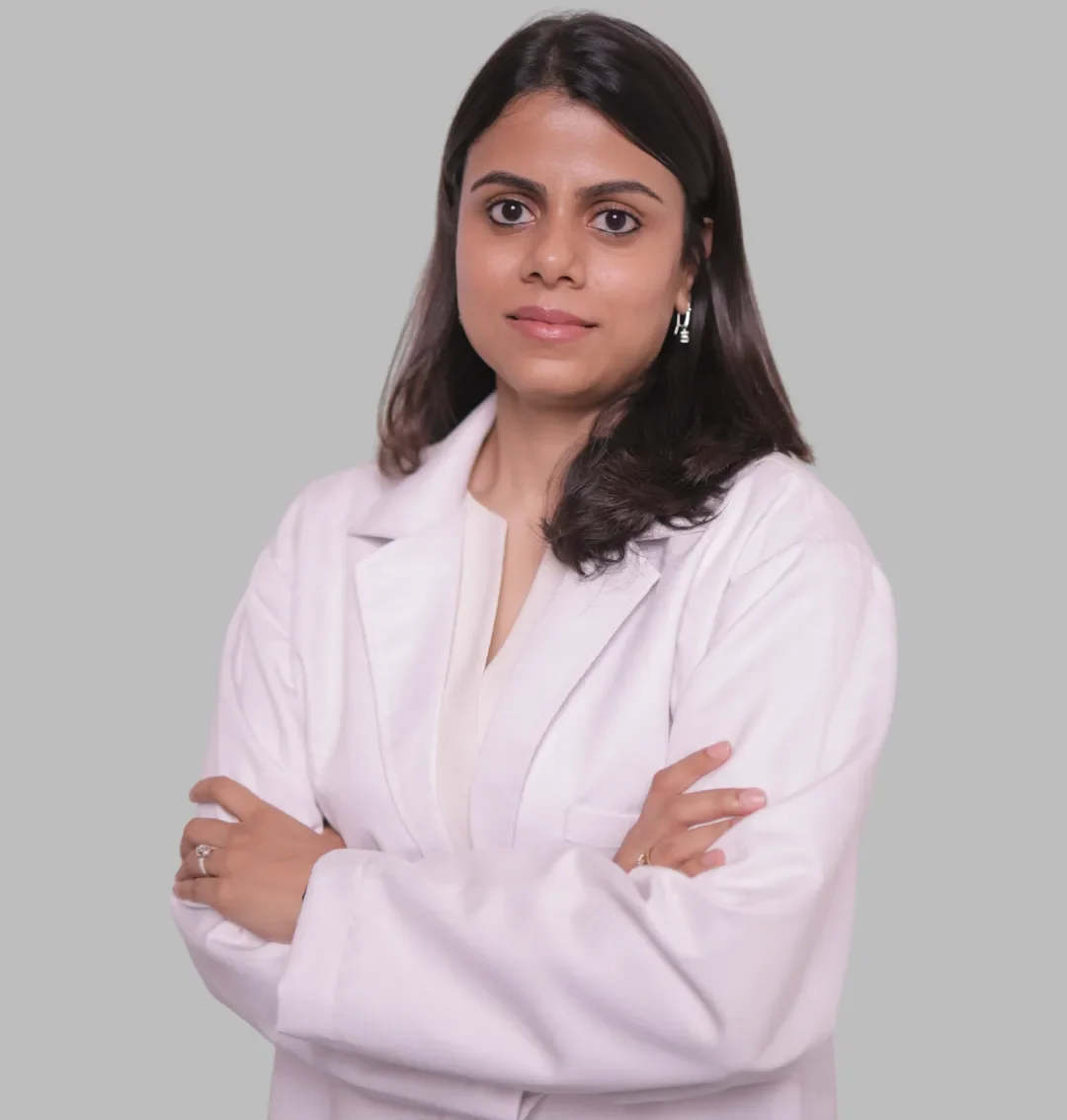
Consultant Psychiatrist
Online, In-person
English, Hindi
7+ Years Experience

Consultant Psychiatrist
Online, In-person
English, Hindi, Marathi
7+ Years Experience

Consultant Psychiatrist
Online, in-person
Hindi, English
5+ Years Experience
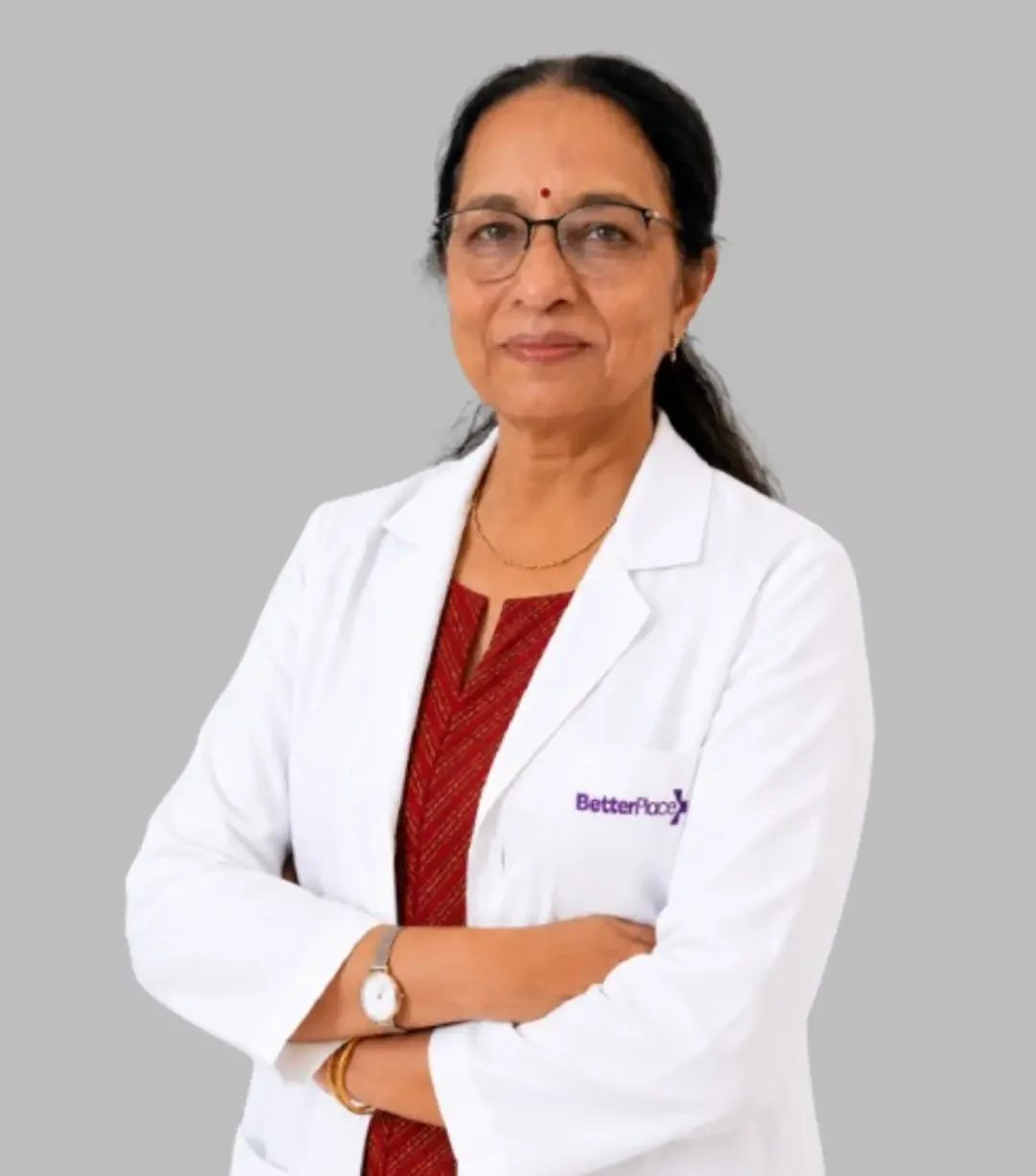
Clinical Psychologist
Online, In-person
Hindi, English
44+ Years Experience
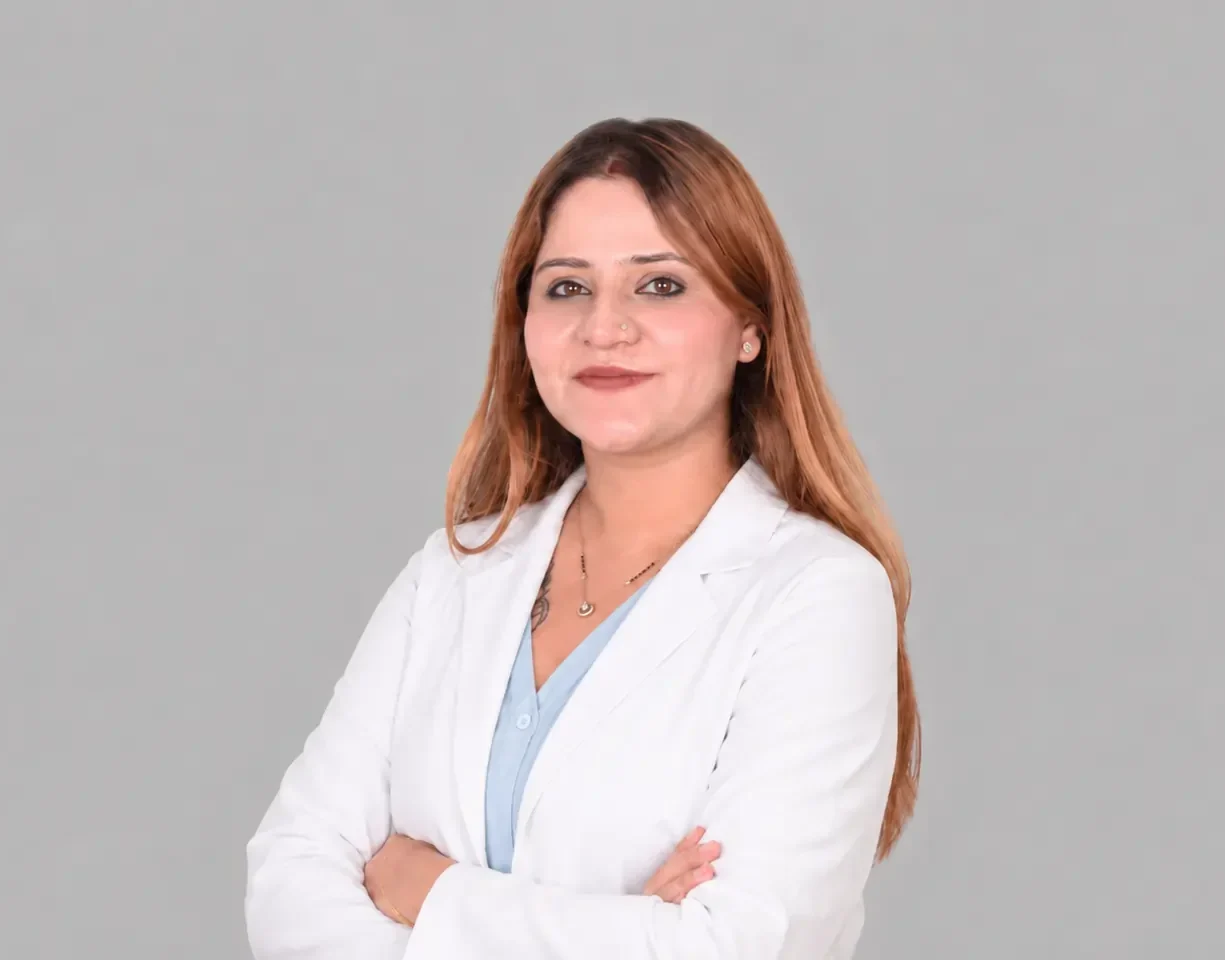
Clinical Psychologist
Online, In-person
Hindi, English
7+ Years Experience
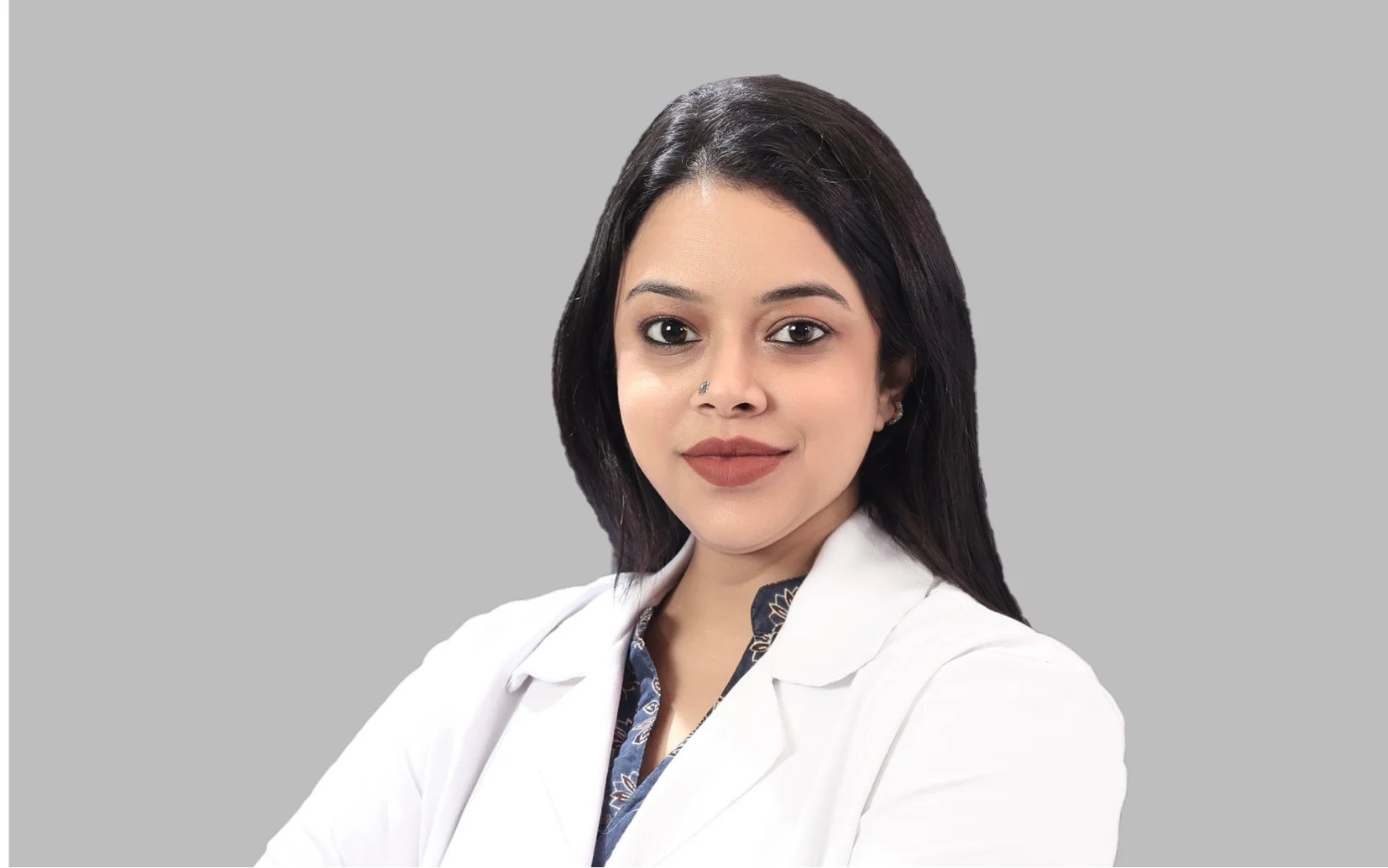
Clinical Psychologist
Online, In-person
Hindi, English, Bengali
5+ Years Experience
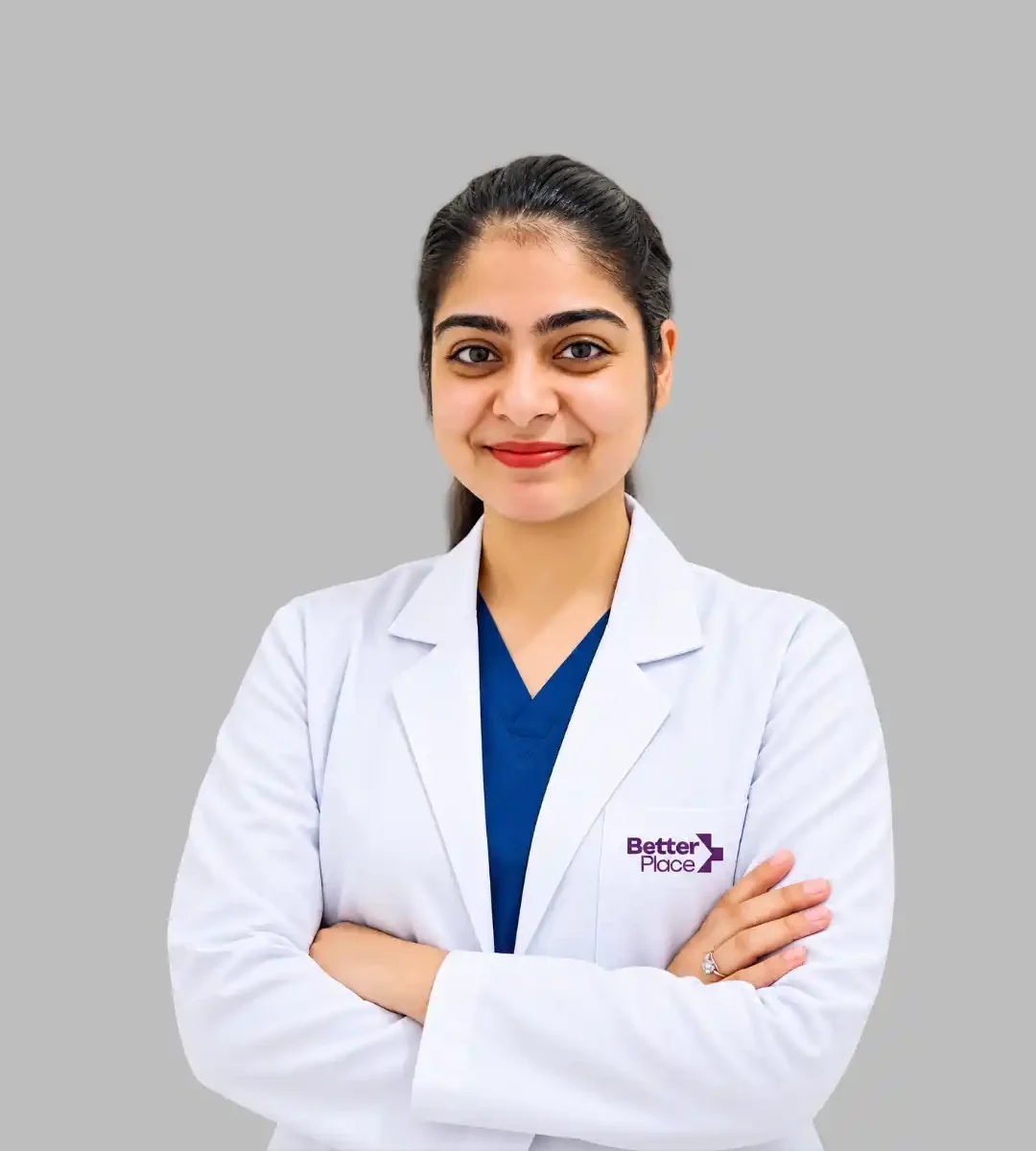
Clinical Psychologist
Online, In-person
Hindi, English
5+ Years Experience

Clinical Psychologist
Online, In-person
Hindi, English, Bengali
3+ Years Experience
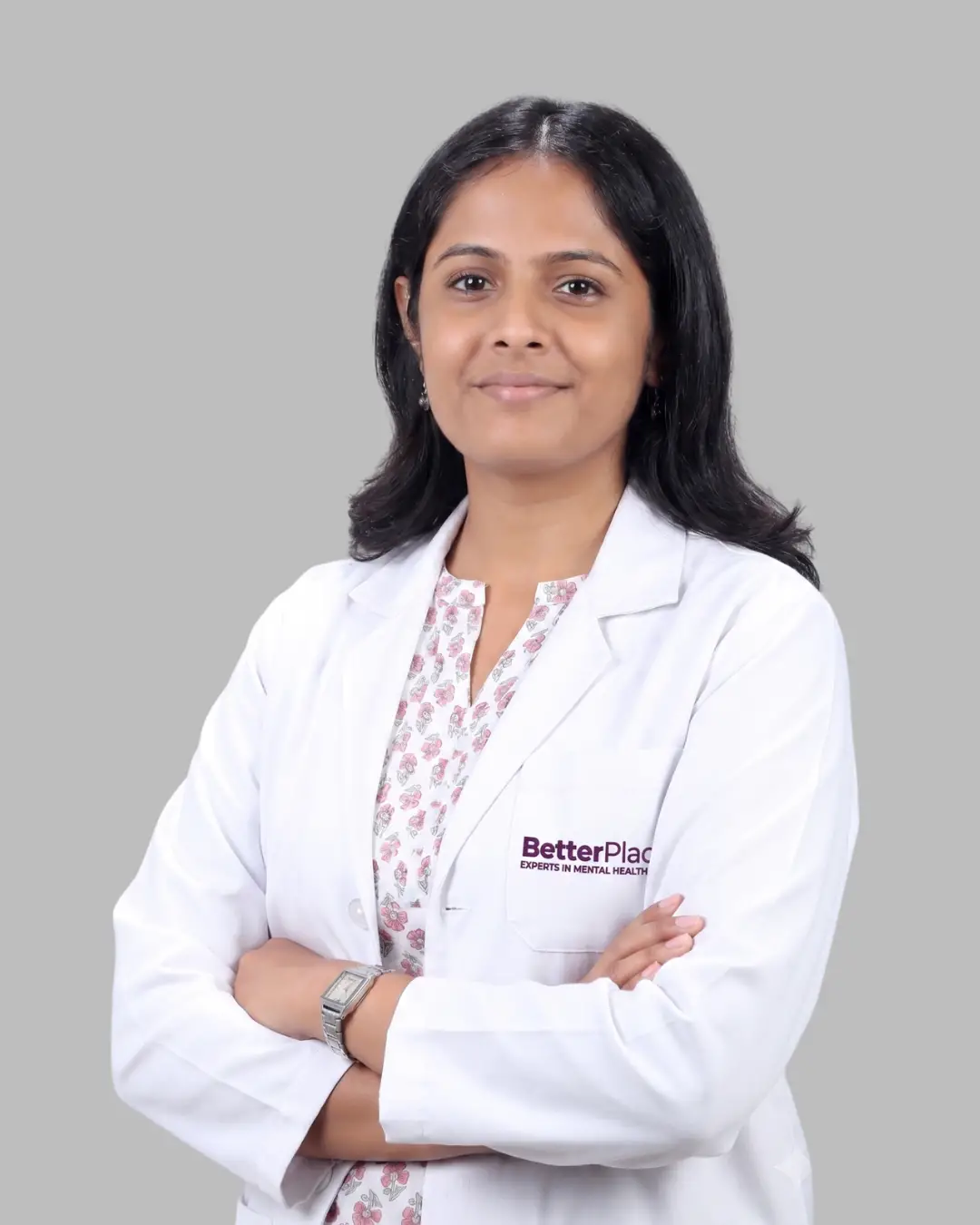
Counselling Psychologist
Online, In-person
Hindi, English
2+ Years Experience
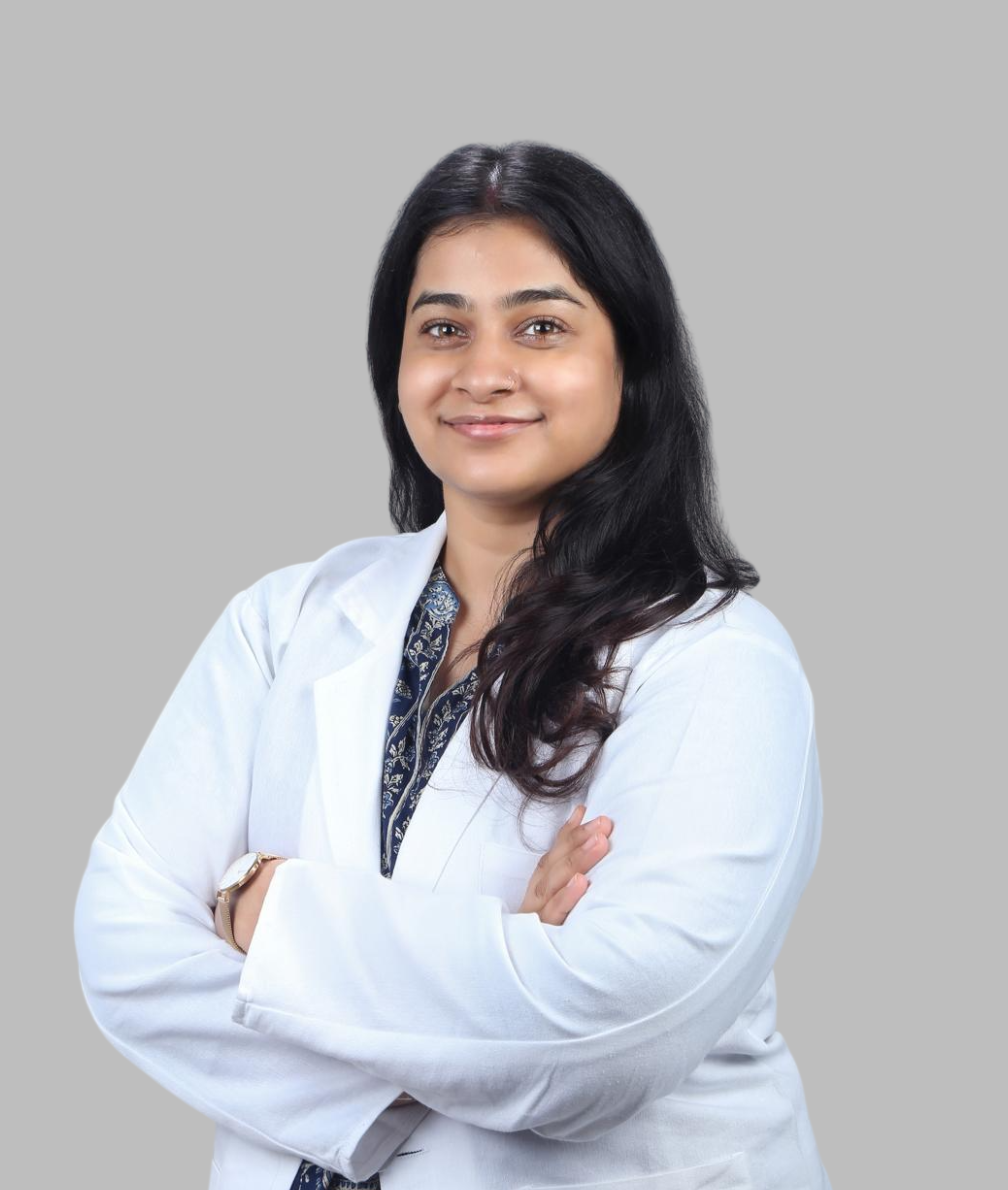
Clinical Psychologist
Online, In-person
Hindi, English
2+ Years Experience
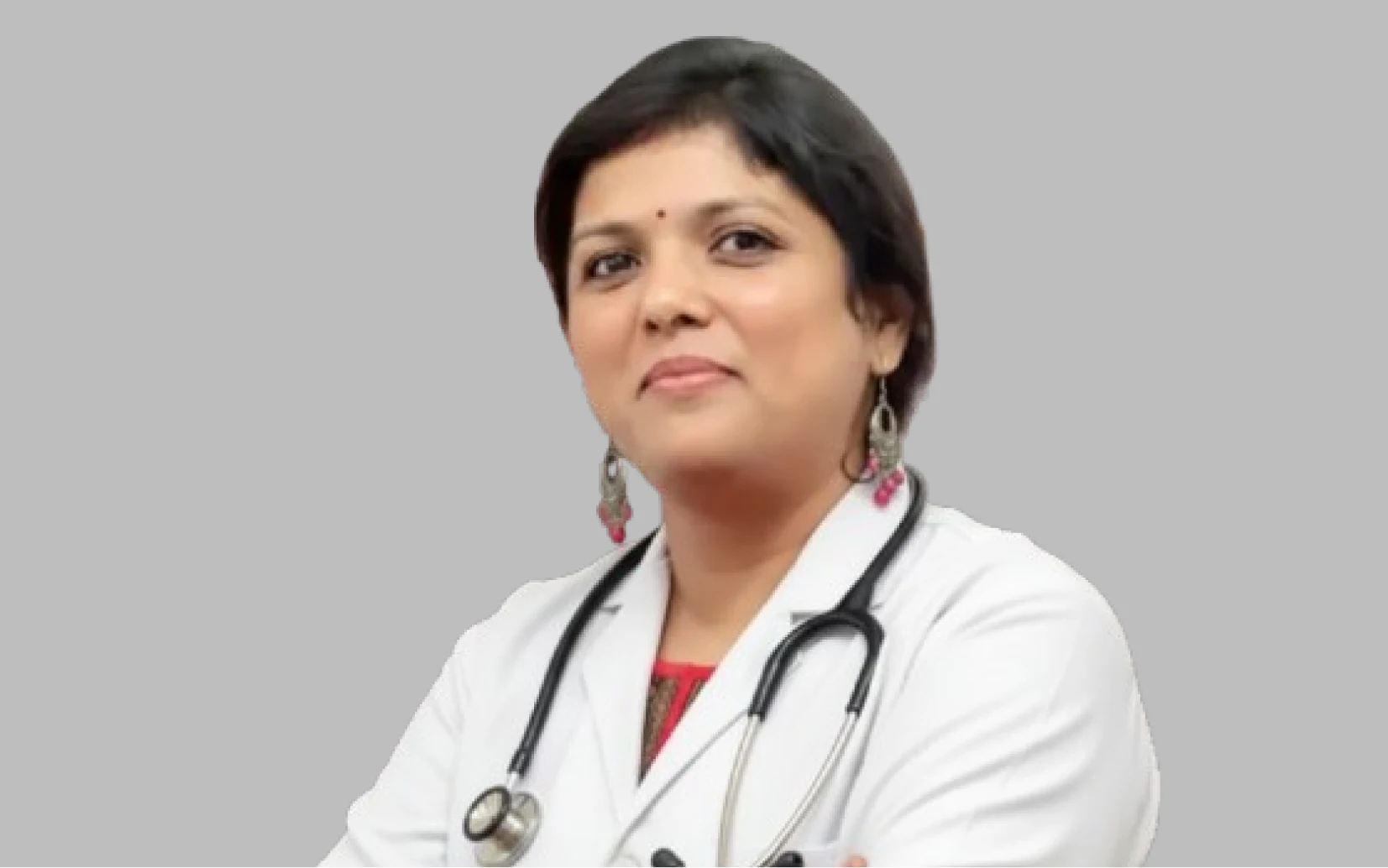
Senior Clinical Psychologist
Online, in-person
Hindi, English
15+ Years Experience

Our programs are tailor-made for what you need – emotionally, psychologically, and biologically. And we help you monitor and track your progress constantly, so you are always supported and informed.

Since all BetterPlace clinics operate within hospitals, our elite team of mental health experts are able to collaborate in real-time with doctors and physicians, giving you a more seamless treatment experience.

Our approach goes beyond medication and therapy. We build multi-modal care plans that include various therapeutic treatments, lifestyle interventions & support services for long-term recovery.

To give you an accurate and reliable diagnosis, we equip our doctors with the most advanced tools available, and incorporate the latest evidence-based treatments from around the world.
When visiting BetterPlace, you can expect a welcoming environment where there is 0% judgment.

Meet with both a psychologist and a psychiatrist
Get an accurate understanding of your mental health
Get a personalised treatment plan
Get ongoing care with regular follow-ups

I was at rock bottom. Now I’m not. I was feeling depressed and didn’t know what to do, so I visited BetterPlace and they helped me. Thank you.
Depression felt like an endless tunnel with no way out. But from my first session at BetterPlace, I felt heard and understood. Dr. Akul and my therapist Ayushi were compassionate in their approach and guided me through every step of the way. They gave me the strength to keep moving forward.
My daughter was diagnosed with depression at just 13, and we tried a bunch of different doctors before finally finding the right one. Now she’s 20 and doing really well. She’s super comfortable with Dr. Akul and her therapist, and I’m happy because I get regular updates and can track her progress in real-time.
My brother has had depression for over 4 years and we tried so many treatments without any improvements. At BetterPlace I found out about rTMS which can help if other treatments don’t work and that has been like a miracle. Obviously I was scared initially because there was a machine but it literally was so gentle and relaxing my brother was so happy. Dr Akul has made my brother feel like himself again and he’s finally active and lively nowadays.
I used to think therapy was nothing, just you go and talk. I thought I could talk at home also? But then when my wife passed on, I fell into deep depression. She was my everything, my closest companion and at the age of 72 it is harder to live alone. Thankfully after meeting with Dr. Akul, I was able to feel much better quickly. His medicines worked and did wonders.
Didn’t think talking about my feelings wud actually help, ngl. But BetterPlace proved me wrong. It’s been 4 months since I started treatment n I’m finally starting to feel like myself again. I’m not saying I’m cured or anything, but life doesn’t feel as heavy anymore. Thanks, Dr Akul. You’re a lifesaver.
Visit us or book an online consultation

First Floor, Annexe Building D Block, East of Kailash, New Delhi

Depression is a serious mental health condition that affects millions of people globally, impacting their thoughts, emotions, physical health, and daily life. It is characterised by persistent feelings of sadness, emptiness, anxiety, or a combination of these. These feelings are often accompanied by a loss of interest in activities and a lack of motivation.
Read MoreDepression often stems from a complex interaction of factors, including genetics, medical conditions, life events, and biochemical imbalances. Depression treatment focuses on addressing these underlying causes through therapy, medication, or lifestyle changes. Getting the best depression treatment usually starts with understanding what is driving your symptoms.

Depression isn’t one single experience. It shows up differently depending on the person, the triggers involved, and how long the symptoms last.
Whatever form it takes, the right treatment of depression starts with an accurate diagnosis of which type you’re dealing with.

Think of signs as the things other people can see, like shifts in your energy or daily habits. Symptoms are the things you actually feel on the inside, which usually push you to get help. Since depression shows up differently in teenagers than in adults, it really helps to know what to look out for.
Read MoreIn adults:
In teens:
If these signs last more than two weeks and start interfering with daily life, it’s worth speaking to a doctor for depression rather than waiting to see if things improve on their own.

Depression develops from a complex mix of psychological, biological, and social factors, not a single cause.
Certain factors don’t cause depression directly but make someone more likely to develop it:

There’s no one-size-fits-all approach to treatment of depression. The right plan depends on how severe your symptoms are, what’s driving them, and what’s worked (or hasn’t) for you before. At most depression treatment centers, including BetterPlace, treatment usually combines more than one of the approaches below.
Read MoreUsed well, these approaches often form the best depression treatment plan for mild to moderate cases, and remain valuable alongside medication for more severe ones.
Antidepressants and mood stabilisers are commonly used in the treatment of depression, particularly for moderate to severe cases. These work by helping regulate the neurotransmitters involved in mood, energy, and motivation. For most people, medication works best when paired with therapy rather than used on its own, and any prescription should come from a qualified depression doctor who can monitor dosage and side effects.

It’s a good idea to see a doctor for depression if you’ve been feeling constantly sad, hopeless, or just not interested in things for over two weeks. Watch out for changes in your sleep, energy, appetite, and focus, since these often hint at depression before the emotional stuff kicks in.
Make sure to reach out to a depression doctor sooner rather than later if work, relationships, or self-care start to slide, or if you ever have thoughts of self-harm. Getting help early always means a smoother and faster recovery.
Your first appointment at BetterPlace costs INR 2,000. From there, the overall cost of treatment for depression depends on how often you need to come in, the treatment plan recommended for you, and whether medication is part of it.
Read MoreThe cost and duration of your depression treatment will vary depending on the frequency of visits, the recommended treatment plan, and the medication required.
BetterPlace provides cost-effective end-to-end psychiatry care for you and your loved ones. Our focus is to quicken and shorten your recovery so you get better, faster. We make sure you receive the best depression treatment for your illness while keeping the costs in check. If you are unsure where to begin, speaking with a doctor for depression can help you understand the right next step.

BetterPlace brings psychiatrists, clinical psychologists, and brain stimulation specialists together under one roof, so your care plan can draw on all three without you having to coordinate between separate clinics. That’s what integrated, biopsychosocial care looks like in practice, treating the biological, psychological, and social sides of depression together rather than in isolation.
Booking a consultation is simple, call our clinic directly or book online, choose a doctor and time that works for you, and come in for your first assessment. From there, your doctor will walk you through what the best depression treatment looks like for your specific situation.
Read MoreYou can click on any “Book an appointment” button on our website, input your details, and a representative from our end will contact you shortly.
Alternatively, you can call us at +919773996888 to book an appointment or visit our clinic in the East of Kailash, New Delhi.
There isn’t a single best depression treatment that works for everyone. For mild to moderate depression, psychotherapy alone is often enough. For moderate to severe cases, a combination of therapy and medication tends to work best. Your doctor will tailor the plan to your symptoms, history, and how you respond over time.
Antidepressants work by regulating neurotransmitters like serotonin, dopamine, and norepinephrine, chemicals that influence mood, motivation, and energy. Different classes of antidepressants target these chemicals in different ways, which is why the right one for you depends on your specific symptoms and how your body responds.
A single depressive episode can last anywhere from a few weeks to several months. Without treatment, symptoms can persist for a year or longer, and often return. With appropriate treatment for depression, most people see meaningful improvement within weeks to a few months.
Depression treatment in Delhi includes Depression therapy, medication, and lifestyle changes. You can opt for counselling or psychotherapy, such as cognitive behavioural therapy (CBT), to help manage negative thoughts. Psychiatrists may prescribe medication if needed. Many clinics offer a combination of both for effective depression treatment.
Depression is a common mental health condition, affecting approximately 300 million people across the world. It’s important to know that you are not alone in your struggle.
Depression is linked to changes in areas like the hippocampus (memory and learning), the amygdala (emotional processing), and the prefrontal cortex (decision-making and impulse control), along with imbalances in neurotransmitter activity. These changes affect concentration, memory, and emotional regulation, which is part of why depression feels like more than just low mood.
Depression is diagnosed by a licensed healthcare professional like a psychiatrist, clinical psychologist, or primary care physician. The healthcare professional will prepare a case history, where they enquire about your demographic details, chief complaints, lifestyle, daily habits, etc. They may prescribe additional assessments to get a better understanding of your case. Through the collected data, they will diagnose you appropriately and suggest treatment methods, which may include therapy for depression, medication, or a combination of both. In many cases, a depression doctor or another qualified doctor for depression will guide this process.
Yes, particularly for mild to moderate depression. Psychotherapy approaches like CBT, IPT, and MBCT, combined with lifestyle changes such as regular exercise, better sleep, and stress management, can be effective on their own. More severe cases usually benefit from adding medication into the mix, but that’s a decision to make with your doctor rather than on your own.
Yes. The brain has a strong capacity for neuroplasticity, meaning it can rewire and recover with the right treatment and support. Early intervention improves the odds of full recovery, which is another reason not to delay seeing a depression doctor once symptoms show up.
Severe Major Depressive Disorder, particularly when it includes psychotic features or suicidal thoughts, is the most serious stage and requires immediate professional attention. If you or someone you know is having thoughts of self-harm or suicide, please reach out to a mental health professional or a crisis helpline right away rather than waiting for an appointment.
Most people start noticing some improvement within two to six weeks, though full effects can take eight to twelve weeks. It’s common to need a dose adjustment or a switch in medication during this period, so staying in touch with your depression doctor during the early weeks matters.
While depression can’t always be fully prevented, there are steps you can take to reduce the risk of developing the condition. Maintaining a healthy lifestyle with regular physical activity, a balanced diet, and adequate sleep can support mental well-being. Strong social connections, mindfulness, and relaxation techniques can further be beneficial. If you have certain genetic predispositions towards depression, regular health check-ins with your doctor and engaging in therapy for depression can help catch symptoms early on and provide effective support.
You should visit a mental health professional if you experience persistent feelings of sadness, hopelessness, or a lack of interest in activities for more than two weeks. They can guide you towards the right depression treatment for you. Additionally, keep a track of your sleeping habits, energy levels, appetite, and attention span as these things can indicate a sign of depression. If you are looking for the best depression treatment, early intervention usually gives you a better starting point.