When my son was diagnosed with autism, I was lost on how to help him. The specialists at BetterPlace have been amazing, offering guidance and therapy that really fits his needs. He’s more confident now, and we see a lot of progress.



Senior Consultant Psychiatrist


Online, in-person
Hindi, English
40+ Years Experience

Consultant Psychiatrist
Online, In-person
English, Hindi
7+ Years Experience

Consultant Psychiatrist
Online, In-person
English, Hindi, Marathi
7+ Years Experience

Consultant Psychiatrist
Online, in-person
Hindi, English
5+ Years Experience

Clinical Psychologist
Online, In-person
Hindi, English
44+ Years Experience
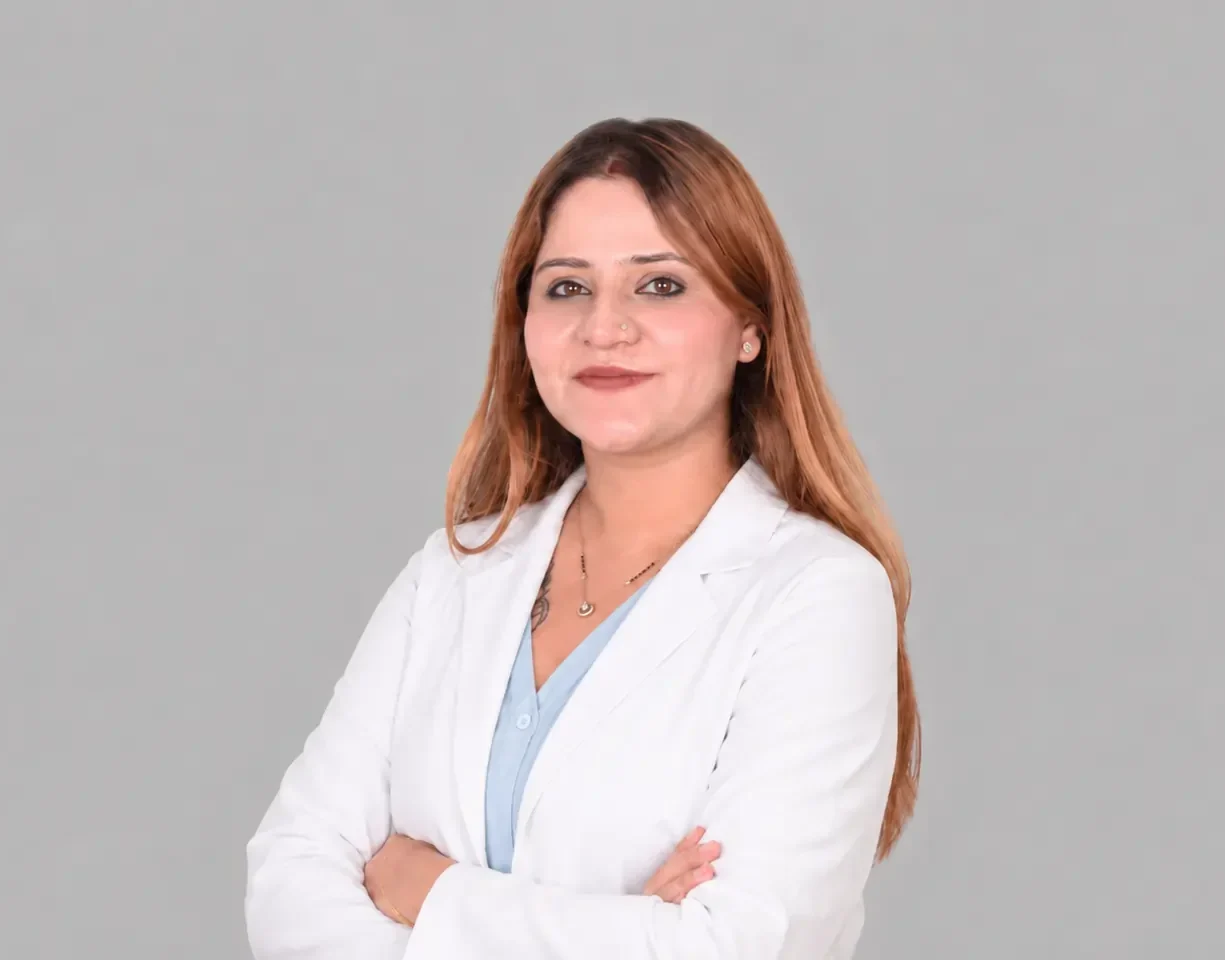
Clinical Psychologist
Online, In-person
Hindi, English
7+ Years Experience

Clinical Psychologist
Online, In-person
Hindi, English, Bengali
5+ Years Experience

Clinical Psychologist
Online, In-person
Hindi, English, Bengali
3+ Years Experience

Counselling Psychologist
Online, In-person
Hindi, English
2+ Years Experience

Clinical Psychologist
Online, In-person
Hindi, English
2+ Years Experience

Senior Clinical Psychologist
Online, in-person
Hindi, English
15+ Years Experience

Every autistic individual is unique. We create tailored treatment plans that consider your sensory needs, communication style, and personal strengths, ensuring therapy feels right for you.

Whether you're a child, teenager, or adult, we offer autism-friendly therapy and support designed to meet your needs at every stage of life.

Our thorough diagnostic assessments are conducted by specialists trained in autism spectrum conditions, helping you get an accurate diagnosis and a clear path forward.

Our clinicians understand sensory processing differences and adapt therapy environments to be calming, comfortable, and suited to your sensory preferences.
When visiting BetterPlace, you can expect a welcoming environment where there is 0% judgment.

Meet with both a psychologist and a psychiatrist
Get an accurate understanding of your mental health
Get a personalised treatment plan
Get ongoing care with regular follow-ups

When my son was diagnosed with autism, I was lost on how to help him. The specialists at BetterPlace have been amazing, offering guidance and therapy that really fits his needs. He’s more confident now, and we see a lot of progress.
When we first found out our 8 year old boy was autistic, we honestly thought our lives would never be the same. We tried few other psychiatrists first, but never clicked with anyone. Then one day my husband’s friend suggested Better Place. Thanks to Dr Akul, our son is improving little by little each week. We understand the process is slow but feel confident we are in good hands.
I was at rock bottom. Now I’m not. I was feeling depressed and didnt know what to do, then i visited BetterPlace and they helped me. Thank you
Mental Health Partners to the prestigious National Heart Institute

First Floor, Annexe Building D Block, East of Kailash, New Delhi


Autism Spectrum Disorder (ASD) is a developmental condition that affects your communication, social interaction, and behaviour. There is a wide range of symptoms associated with ASD, such as sensory sensitivity, repetitive habits, restricted interests, and difficulties with social communication. Developmental screening and thorough assessments by experts are necessary for diagnosis.
Read MoreAlthough there is no cure for ASD, social skills training, speech and occupational therapy, and Applied Behaviour Analysis (ABA) are therapies that can help you function better. Support consists of community resources, caregiver education, and specialised educational plans. Fostering understanding requires encouraging consciousness, empathy, and inclusive behaviours. We can encourage people with Autism to flourish in all facets of life by identifying their unique talents and offering the right assistance. If you want to understand what support may suit your needs best, a psychiatrist in Delhi can help you start with the right evaluation and care plan.
A formal diagnosis needs a qualified professional, typically a psychiatrist, clinical psychologist, or developmental paediatrician trained in autism spectrum disorder assessment. They use standardised diagnostic tools alongside developmental history, behavioural observation, and, where needed, input from parents, teachers, or caregivers to build a complete picture.
At BetterPlace, our team evaluates both children and adults for autism spectrum disorder treatment, since diagnosis looks different across age groups. A GP or paediatrician can flag early signs and refer you onward, but they typically don’t make the final diagnosis themselves. Getting assessed by someone experienced in treatment of autism matters, since an accurate diagnosis is what shapes an effective, individualised care plan from the start.

Signs of autism vary widely from childhood to adulthood, and often look different again in women and girls.
Read MoreChildren with autism often struggle to understand others’ feelings or perspectives and may react strongly to change or unfamiliar situations. Catching these signs early makes a real difference to long-term outcomes. If you’re noticing these signs in yourself or your child, a psychologist in Delhi can help you understand what they mean day to day.
Sensory sensitivity can leave you feeling overwhelmed in loud, bright, or crowded environments, and adjusting to new or unexpected situations often takes extra support. If South Delhi is more convenient for regular support, a psychologist in South Delhi can help you work through these challenges with practical strategies.
Autism in girls and women often looks different from the presentation typically seen in boys, which is one reason it gets missed or diagnosed far later in life. Many girls learn to mask their symptoms by observing and copying peers, which makes their autism harder to spot on the surface.
Because these signs are subtler and easier to internalise, many women aren’t diagnosed until adulthood, often after a health crisis or their child’s diagnosis prompts a closer look at their own experiences. If this sounds familiar, getting assessed by a clinician experienced in autism spectrum disorder in women is worth pursuing, since it opens the door to the right autism treatment and support for your specific presentation.

The exact cause of Autism is unknown, however, research indicates a combination of genetic and environmental factors that contribute to its development.
Read MoreGenetic Influences
Environmental Factors
The significance of early awareness and preventive measures in maternal and paternal health is highlighted by the fact that recognising and addressing these environmental dangers can help lessen their effects and promote healthier prenatal care. If you want support that brings psychiatric and psychological care together, a mental health clinic in Delhi can help you access a more structured approach.

For Autism, early intervention and an accurate diagnosis are essential. The condition is diagnosed using various tools and assessments, usually with the assistance of trained psychologists and psychiatrists who administer appropriate clinical assessments and evaluations.
Read MoreDevelopmental Screening
Standardised instruments and checklists are used in developmental screening to track a child’s progress. Paediatricians usually perform these evaluations as part of regular check-ups.
Early screening aids in detecting developmental delays or issues, which may necessitate additional Autism testing. The Ages and Stages Questionnaire (ASQ) and the Modified Checklist for Autism in Toddlers (M-CHAT) are often utilised instruments.
Comprehensive Diagnostic Evaluation
An interdisciplinary approach is necessary for a thorough diagnostic examination. This comprises thorough evaluations of a child’s behaviour, communication abilities, and developmental history conducted by psychologists, neurologists, and speech therapists.
Ensuring the diagnosis is correct and ruling out other disorders are the objectives. While neurologists and speech therapists help to understand cognitive and communication issues, psychologists play a critical role in behavioural examinations.
There’s no single treatment of autism that works for everyone, which is why an effective plan usually combines several approaches based on your child’s or your own specific needs.
Behavioural Therapies
Applied Behaviour Analysis (ABA), Cognitive-Behavioural Therapy (CBT), and social skills training are examples of behavioural therapies that assist people with autism in improving social interactions, communication, and emotional control.
Addressing challenges, encouraging positive behaviours, and helping young children build essential skills are the goals of early intervention therapeutic approaches such as Early Intensive Behavioural Intervention (EIBI). Starting autism spectrum disorder treatment early through these methods often leads to stronger long-term outcomes.
Educational Interventions
Academic and developmental requirements are met by specialised educational strategies such as occupational therapy, speech therapy, and Individualised Education Programs (IEPs).
Visual schedules and Sensory Integration Therapy help people with autism manage everyday activities, social situations, and routines, improving their independence and general functioning.
Speech Therapy
Many people with autism spectrum disorder experience delays or differences in communication, from limited verbal speech to trouble with tone, rhythm, or the back-and-forth of conversation. Speech therapy works on these areas directly, helping build vocabulary, sentence structure, and clearer articulation where needed.
For those who are non-verbal or minimally verbal, therapists often introduce alternative communication methods, such as picture exchange systems or speech-generating devices, so communication doesn’t stay limited to spoken words alone. Speech therapy also addresses subtler challenges like understanding sarcasm, maintaining eye contact during conversation, and picking up on conversational cues, all of which make day-to-day social interaction easier.
Occupational Therapy
Occupational therapy focuses on the practical skills needed for daily independence, from fine motor tasks like handwriting and buttoning clothes to broader routines like getting ready in the morning. For many with autism, sensory processing differences make everyday environments genuinely difficult to navigate, and occupational therapy works directly on building tolerance and coping strategies for this.
Therapists often use sensory integration techniques to help regulate responses to touch, sound, light, and movement, reducing overwhelm in daily settings like school, home, or public spaces. Over time, this builds functional independence and makes it easier to participate confidently in everyday activities.
Parent Training & Support
Parents and caregivers play a central role in reinforcing progress made in therapy, which is why parent training is a core part of effective autism treatment. This typically involves learning the same behavioural strategies and communication techniques used in therapy sessions, so they can be applied consistently at home rather than staying confined to a clinical setting.
Support extends beyond skills training too. Parents often need guidance on managing meltdowns, navigating sibling dynamics, and simply coping with the emotional weight of caregiving. A good autism treatment centre builds this support directly into the care plan, rather than treating it as separate from the child’s or individual’s own therapy.
Medical and Pharmacological Treatments
Medication can help control symptoms such as anxiety, hyperactivity, and sleep difficulties, even though there is no known cure for autism. Melatonin, antidepressants, and antipsychotics are common treatments. To enhance social functioning and quality of life for people with autism, researchers are investigating new treatments like oxytocin and Transcranial Magnetic Stimulation (TMS). Medication review and long-term medical support are usually managed through psychiatry, and if you need wider family support around care planning, counselling psychologists in Delhi can also help.
If you’re weighing your options, understanding autism treatment cost in India upfront, alongside what each therapy actually involves, makes it easier to plan a realistic, sustainable care path for the long term.

At BetterPlace, we are dedicated to providing accessible, high-quality care for Autism, tailored to your unique needs. The cost of treatment varies based on your personalised care plan, which may include therapy sessions, skill-building programmes, or specialised interventions. Each consultation costs INR 2,000 and your 90-minute initial session involves meeting our psychiatrist and clinical psychologists. Our team understands your entire case, including your needs, chief complaints, symptoms, strengths and goals, and creates a personalised treatment plan for your unique requirements.

Finding the right autism treatment centre matters just as much as starting treatment itself. Here’s what sets BetterPlace apart:
| Name | Designation | Years of Experience | Therapy Mode | Language | Fees |
| Dr. Siddharth Sethi | Consultant Psychiatrist | 7+ | Online, In-person | Hindi, English | ₹ 2000 |
| Dr. Akul Gupta | Consultant Psychiatrist | 5+ | Online, In-person | Hindi, English | ₹ 2000 |
| Dr. Shambhavi Jaiman | Consultant Psychiatrist | 7+ | Online, In-person | Hindi, English | ₹ 2000 |
| Dr Sunil Mittal | Senior Consultant Psychiatrist | 40+ | Online, In-person | Hindi, English | ₹ 4000 |
| Ms. Ayushi Paul | Clinical Psychologist | 5+ | Online, In-person | Hindi, English | ₹ 3000 |
| Ms. Sulagna Mondal | Clinical Psychologist | 3+ | Online, In-person | Hindi, English | ₹ 3000 |
Booking with us is simple. Just click any “Book an appointment” button on our website and enter your details. One of our team members will reach out to you shortly to get you scheduled.
You can also call us directly at +919773996888 or visit our main clinic in East of Kailash, New Delhi.
Limited eye contact, trouble reading facial expressions or gestures, difficulty making friends, a strong preference for routines, repetitive actions, and trouble comprehending the feelings or viewpoints of others are among early warning indicators of Autism in children.
Families can support a member with Autism by cultivating understanding and empathy, family therapy, and the building of controlled environments. Participating in community activities, support groups, and therapy helps develop empathy, enhance knowledge, and improve caregiving skills.
To improve their independence and create lasting relationships, adults with Autism can benefit from job coaching, life skills training, therapy, support groups, assistive technology, and tailored community initiatives.
Common behaviours include limited eye contact, repetitive movements like hand-flapping or rocking, and a strong preference for routine. Many people with autism spectrum disorder also show intense focus on specific interests, difficulty picking up on social cues, and sensory sensitivities to sound, light, or touch. These behaviours vary widely from person to person, which is why an individual assessment matters more than a checklist.
No, there’s no cure for autism, since it’s a lifelong neurodevelopmental condition rather than an illness to be treated away. That said, the right autism spectrum disorder treatment, including behavioural therapy, speech therapy, and support strategies, can significantly improve communication, independence, and quality of life.
Yes, adults can absolutely be diagnosed, even if signs went unnoticed in childhood. This is especially common in women, who often mask symptoms for years. If you suspect this about yourself, seeking autism treatment as an adult is just as effective as early intervention in childhood, just tailored differently.
Yes, genetics play a major role. Autism tends to run in families, and having a sibling or parent with autism spectrum disorder increases the likelihood significantly. That said, it’s not caused by a single gene. It usually results from a combination of genetic and environmental factors.
Yes, though it’s frequently under-diagnosed in girls because symptoms tend to present differently and get masked more easily. Girls often develop stronger social camouflaging skills, which means their treatment of autism sometimes starts years later than it should, after other conditions like anxiety or depression get treated first.
No, speech delay is common but not universal. Some children with autism spectrum disorder develop language on schedule or even early, while struggling instead with the social and conversational side of communication, like tone, sarcasm, or back-and-forth exchange. This is one reason a proper evaluation at an autism treatment centre matters more than judging by speech alone.