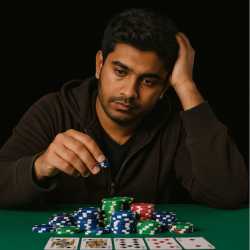
Gambling ek nasha hain my friends … and trust me Better Place is the best cure of that nasha. I lost a lot to gambling … car, house, wife’s jewlry, money, everything! But thanks to Dr Akul, I was able to stop before I lost my life and family too

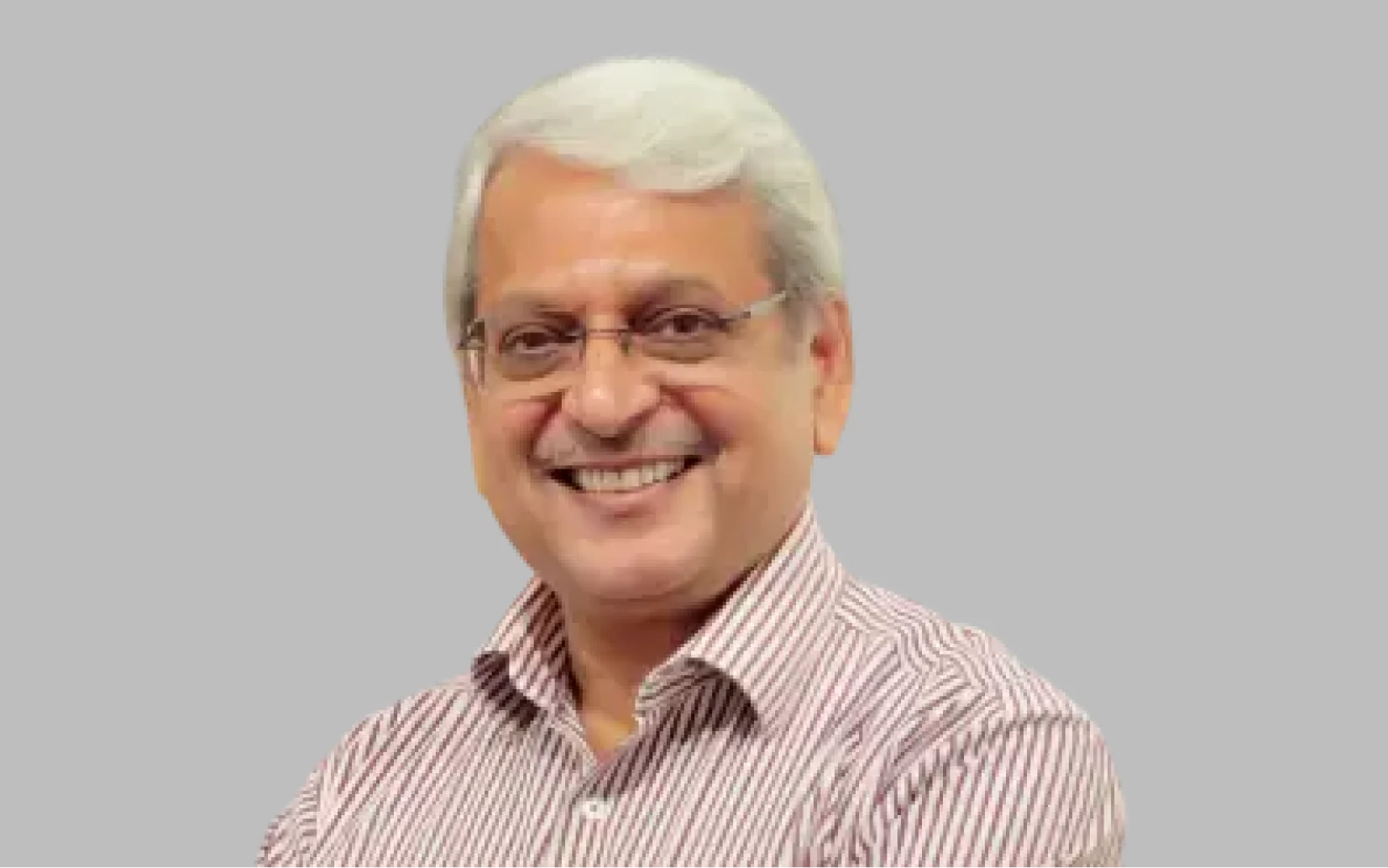
Senior Consultant Psychiatrist


Online, in-person
Hindi, English
40+ Years Experience

Consultant Psychiatrist
Online, In-person
English, Hindi
7+ Years Experience

Consultant Psychiatrist
Online, In-person
English, Hindi, Marathi
7+ Years Experience

Consultant Psychiatrist
Online, in-person
Hindi, English
5+ Years Experience

Clinical Psychologist
Online, In-person
Hindi, English
44+ Years Experience

Clinical Psychologist
Online, In-person
Hindi, English
7+ Years Experience

Clinical Psychologist
Online, In-person
Hindi, English, Bengali
5+ Years Experience

Clinical Psychologist
Online, In-person
Hindi, English, Bengali
3+ Years Experience

Counselling Psychologist
Online, In-person
Hindi, English
2+ Years Experience

Clinical Psychologist
Online, In-person
Hindi, English
2+ Years Experience

Senior Clinical Psychologist
Online, in-person
Hindi, English
15+ Years Experience

Your gambling addiction is unique, and so is your treatment. We tailor our therapy, medication (if needed), and behavioural strategies specifically to your triggers, habits, and emotional needs.

Our addiction specialists, psychologists, and psychiatrists have extensive experience in treating gambling addiction, ensuring you receive expert care backed by the latest research.

Our therapists teach you real-time strategies to resist urges, handle stress without gambling, and navigate high-risk situations without falling back into old patterns.

Many people with gambling addiction also struggle with anxiety, depression, or other mental health conditions. We treat the whole person, not just the addiction, ensuring long-term recovery.
When visiting BetterPlace, you can expect a welcoming environment where there is 0% judgment.

Meet with both a psychologist and a psychiatrist
Get an accurate understanding of your mental health
Get a personalised treatment plan
Get ongoing care with regular follow-ups

Gambling ek nasha hain my friends … and trust me Better Place is the best cure of that nasha. I lost a lot to gambling … car, house, wife’s jewlry, money, everything! But thanks to Dr Akul, I was able to stop before I lost my life and family too
I started smoking at 16—each cigarette felt like a warm hug, sharpening my focus. When I learned I was at risk of cancer, I tried everything to quit, but nothing worked. Then I found BetterPlace’s smoking cessation programme, which included rTMS therapy. It significantly reduced my cravings. I’ve gone from three packs a day to just one. There’s still a long way to go, but progress is progress!
My brother has had depression for over 4 years and we tried so many treatments without any improvements. At BetterPlace I found out about rTMS which can help if other treatments don’t work and that has been like a miracle. Obviously i was scared initially because there was a machine but it literally was so gentle and relaxing my brother was so happy. Dr Akul has made my brother feel like himself again and he’s finally active and lively nowadays.
Visit us or book an online consultation

First Floor, Annexe Building D Block, East of Kailash, New Delhi
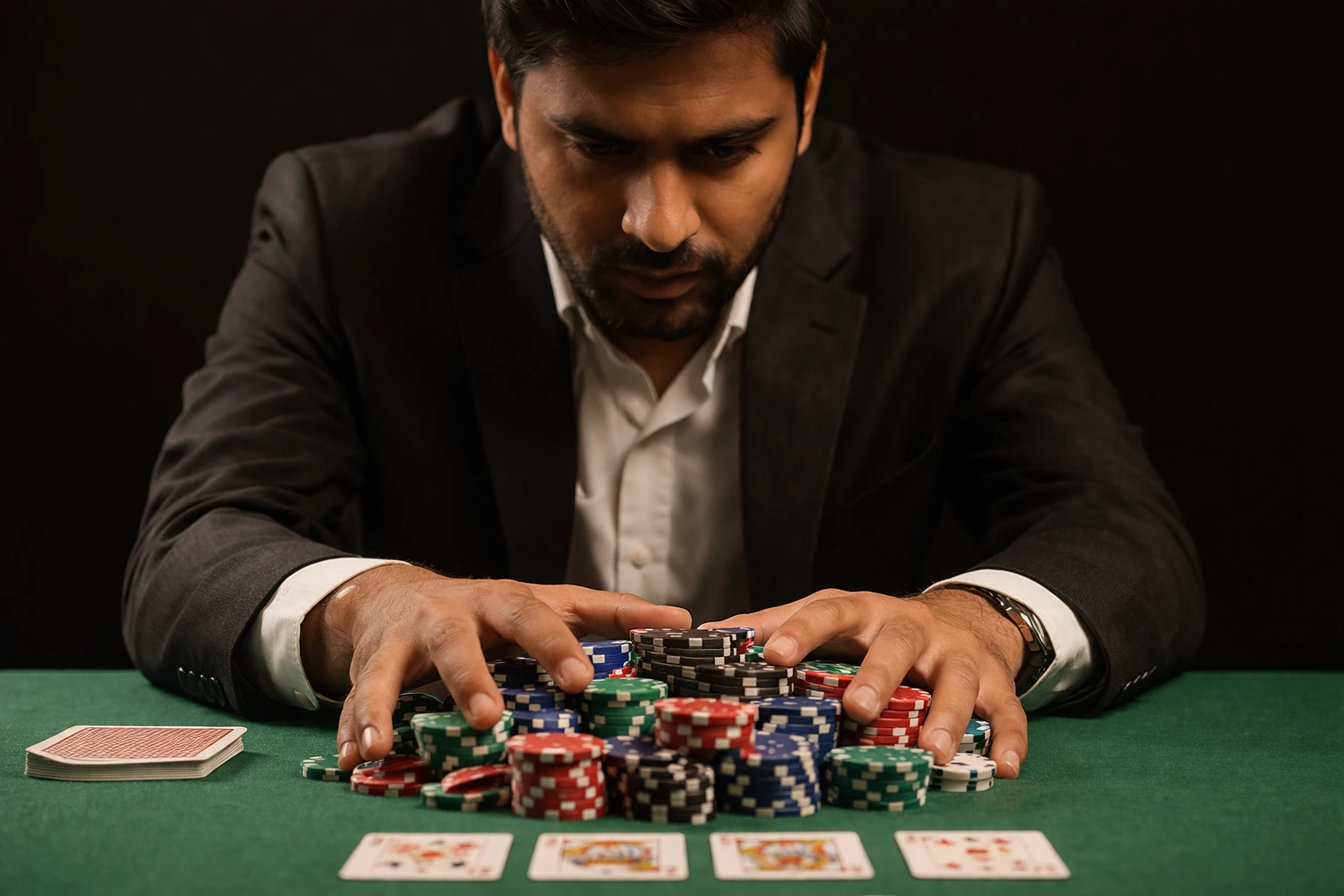
Gambling is an activity where you risk something valuable to win something in return.
E.g. betting money to win more money.
There are many forms of gambling such as casinos, sports betting, online gambling in the forms of games, betting, etc.
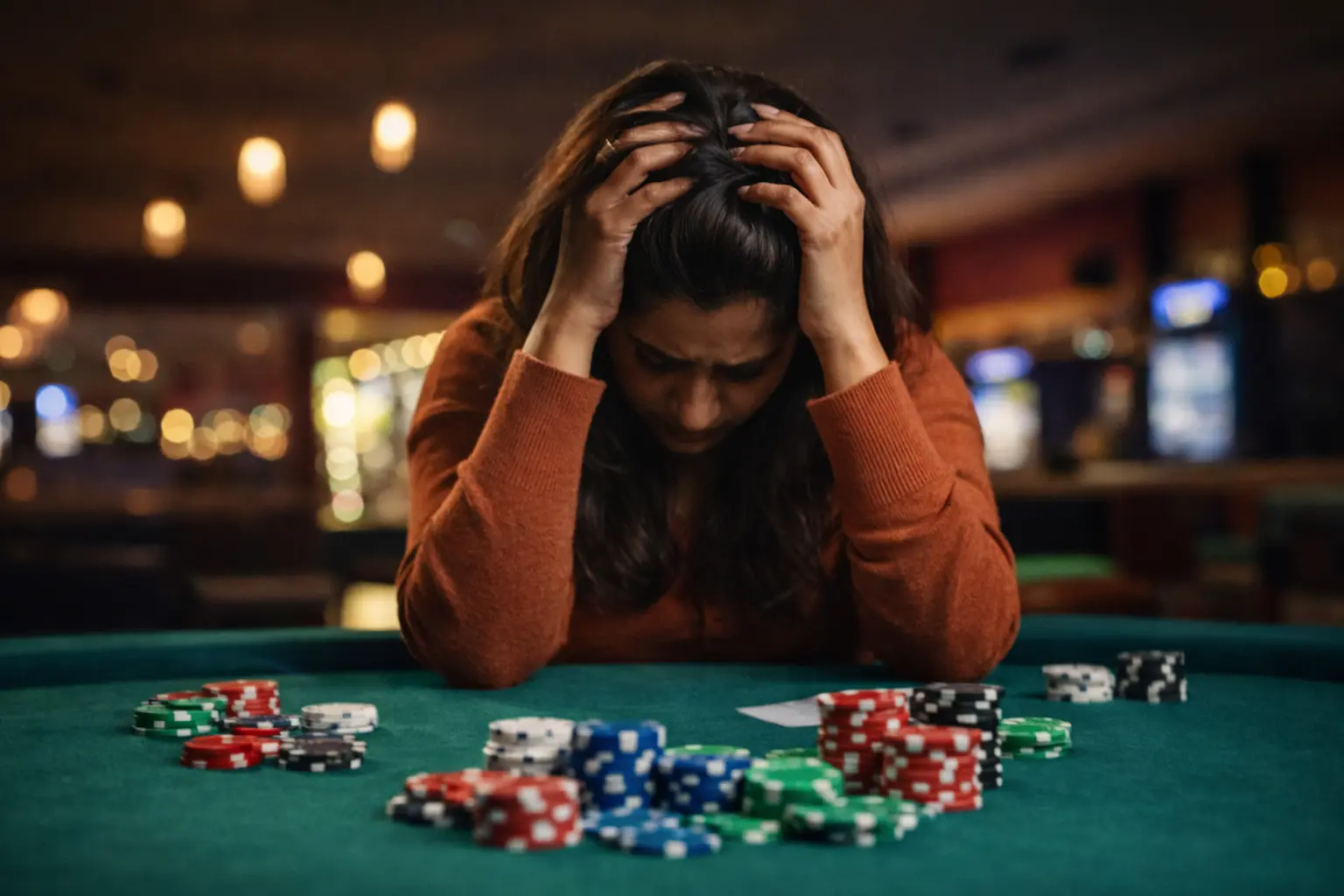
Not everyone who gambles develops a Gambling Disorder; however, gambling can change your brain chemistry and manifest as a disorder. Gambling Disorder can be a debilitating problem that not only affects the person suffering from it but also affects their families. It can cause major problems in your relationships, work/school, or finances. It can cause major problems in your relationships, work, or finances, often requiring professional treatment for gambling disorder to overcome. If this has started affecting your life, a psychiatrist in Delhi can help you understand what kind of gambling addiction treatment and support you may need.
Behavioural Signs
Emotional and Psychological Indicators
If these signs feel familiar, a psychologist in Delhi can help you work on triggers, urges, and the thought patterns that keep the cycle going. Working with a therapist for gambling addiction can also help you understand the emotional patterns behind repeated gambling.

There’s no singular cause for this condition. It is a complex issue where early intervention through treatment for gambling disorder can make a significant difference.
Read MoreGenetic and Biological Factors
Gambling activates the reward centre in the brain and triggers dopamine release known as the “happiness hormone”. This hormone creates a feeling of pleasure and reinforces your behaviour.
Psychological and Environmental Influences
People with certain psychological traits such as impulsivity tend to be more at risk of developing Gambling Disorder. Irrational beliefs such as “I can beat the odds” or “I know the trick to winning” also contribute to the development of Gambling Disorder. If these urges are starting to take over your decision-making, a mental health clinic in Delhi can help you access structured psychiatric and psychological care in one place. In many cases, gambling addiction treatment works best when it addresses both the emotional triggers and the behavioural cycle.

Diagnosing gambling addiction involves evaluating patterns of behaviour and their impact on a person’s life. At BetterPlace, our mental health professionals use specific criteria from the DSM-V (Diagnostic and Statistical Manual of Mental Disorders, version V) such as persistent gambling despite negative consequences, failed attempts to stop, and reliance on gambling for emotional relief to diagnose Gambling Disorders. Assessments may include interviews, screening tools, and input from loved ones for a comprehensive understanding. If regular follow-up closer to your area would be easier, a psychiatrist in South Delhi may also be relevant for ongoing support.
Read MoreBehavioural Therapies
Psychotherapy, especially Cognitive-Behavioural Therapy (CBT), is a very effective tool for treatment for gambling disorder. It tackles the cognitive distortions that reinforce gambling behaviours and equips you with tools to manage triggers and prevent relapses. A gambling addiction therapist can help you identify distorted thinking, build healthier coping strategies, and reduce the risk of relapse.
Support Groups
Support groups are a type of psychotherapy where people suffering from the same conditions meet regularly to discuss their problems, challenges, insights and learnings. Group therapy becomes a valuable resource for you as it results in motivation, knowledge, and oral support, and fosters a general sense of community. Support groups often work even better when combined with formal gambling addiction treatment.
Pharmacological Treatments
Like any other addiction, Gambling Disorder does not have a special medication for it, however, antidepressants and mood stabilisers help alleviate some key symptoms. Medication review and medical management are usually handled through psychiatry. If you want therapy-led support closer to you, a psychologist in South Delhi may also help you work on urges, routines, and relapse prevention. Alongside medical support, a therapist for gambling addiction can help you stay consistent with recovery strategies.

At BetterPlace, each therapy session costs INR 2,000. The process begins with a comprehensive 90-minute intake session, where you meet a psychologist and a psychiatrist to develop a tailored treatment plan. Our unique approach to gambling disorder treatment includes personalised care, evidence-based therapies, and continuous support to help you regain control over your life. We not only treat your condition but also teach you tools that help you in long-term recovery.
Read MoreIf you and your family need broader emotional support through the process, counselling psychologists in Delhi can also support your recovery journey. Working with a gambling addiction therapist as part of a structured care plan can make recovery more manageable and sustainable.

Identifying Triggers and High-Risk Situations
You need to identify your triggers first to stop gambling. Triggers are internal or external cues that urge you to gamble. E.g. stress, boredom, pleasure, entertainment, locations such as casinos, stadiums, or social situations like peer pressure. Once you have identified these triggers, you can work with your psychotherapist to apply psychological techniques that foster positive coping mechanisms, emotional resilience, and healthier decision-making habits. A therapist for gambling addiction can guide you through this process in a more structured and personalised way.
Read MoreBuilding a Support Network
Engaging with support groups and involving family members is an excellent way to build accountability and stay committed to your goals. The encouragement and support from your loved ones can keep you motivated, guide you on the right path, and provide strength during moments of weakness.
Lifestyle Modifications
Preventing relapse in gambling addiction starts with adopting healthier habits. Focus on building a structured daily routine, avoiding environments that trigger gambling urges, and engaging in activities that promote well-being, like exercise or hobbies. Strengthening self-discipline and fostering supportive relationships are key to maintaining recovery and leading a balanced life. Ongoing gambling addiction treatment and regular sessions with a gambling addiction therapist can help you maintain these changes over time.
Early warning signs of gambling addiction often include an inability to control gambling habits, spending more money or time on gambling than intended, and feeling restless or irritable when trying to cut back. You may notice lying about gambling, borrowing money to gamble, or prioritising gambling over responsibilities and relationships. Recognising these signs early is key to seeking help and regaining control.
Gambling Disorder is diagnosed using the specific criteria found in the DSM-V (Diagnostic and Statistical Manual of Mental Disorders, Version V), an industry standard for diagnosing mental health disorders, written by the American Psychological Association.
Be compassionate and non-judgemental when you’re supporting a loved one suffering from a gambling addiction. Encourage them to seek professional help and offer to accompany them to appointments or support group meetings. Set boundaries to protect your finances and emotional well-being, and be empathetic towards their struggles. Most importantly, remain patient—it’s a challenging journey, but your support can make a significant difference.
You can prevent relapse by using a combination of strategies and resources. Therapy sessions can help you identify and manage triggers, while support groups provide accountability and encouragement. Practical tools like financial management plans, self-exclusion programmes at gambling venues, and mobile apps designed to block gambling websites can also help you stay on track. Building a strong support system and focusing on healthy, fulfilling activities is essential for long-term recovery.