Disease vs Disorder: What’s the Real Difference?


The disorder vs disease difference is one of those things most people never really think about. Until they need to. A doctor mentions a “metabolic disorder” and suddenly there’s a mental scramble: wait, isn’t that a disease?
Is there a difference? Does it even matter? The short answer is yes. It matters quite a bit. Understanding these distinctions changes how conditions get treated, how insurance views them, and even how patients perceive their own health.
What is a Disease?
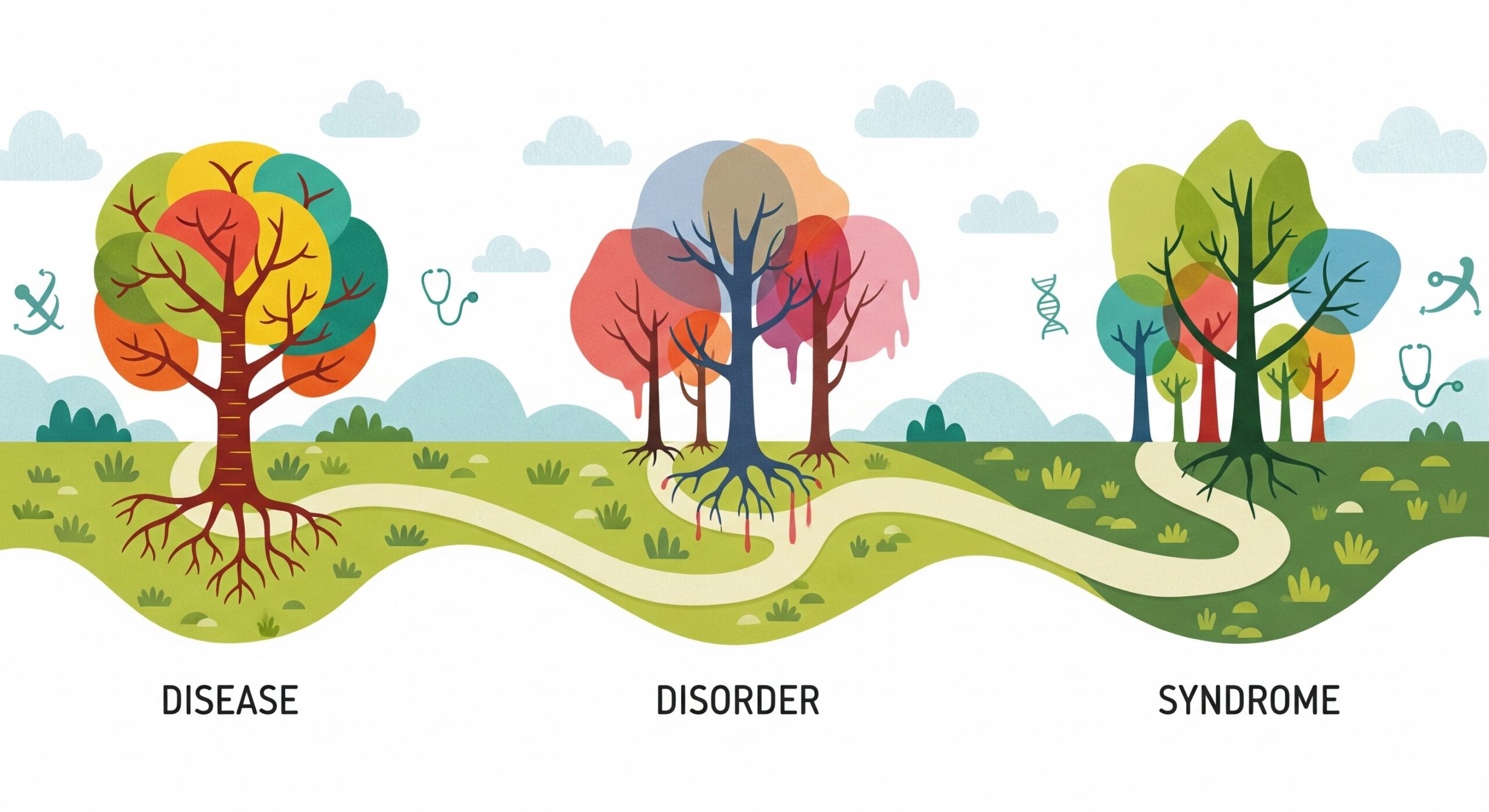
A disease has a clear cause. You can think of it as a medical puzzle that has already been solved. In these cases, doctors fully understand the “pathophysiology,” which is just a fancy word for the biological engine driving the problem. Because the underlying mechanism is well-mapped, we know exactly what is going wrong deep inside the body to create those symptoms.
Expert’s Insight:
Ms Sulagna Mondal, clinical psychologist at BetterPlace, clarifies a major distinction here: a disease is strictly a physical manifestation. It isn’t psychological. The definition typically includes identifiable pathogens, measurable biological markers, or well-documented structural changes in the body. Tuberculosis fits perfectly here. There’s a bacterium. It infects the lungs. The progression follows a predictable pattern. Same with heart disease, where arterial plaque buildup creates measurable, observable damage.
What is a Disorder?
Here’s where things get trickier. The meaning of “disorder” relates to disrupted function without necessarily knowing the “why.” Something’s clearly wrong, but the root cause remains unclear or multifactorial.
Ms Sulagna explains that while diseases are physical, disorders are where we categorise psychological problems that cause impairments in our daily functioning. This is exactly why mental health conditions are usually classified as disorders; they represent a group of symptoms that disrupt your ordinary life, even if we can’t point to a single “invader” or germ.
Are they harder to diagnose?
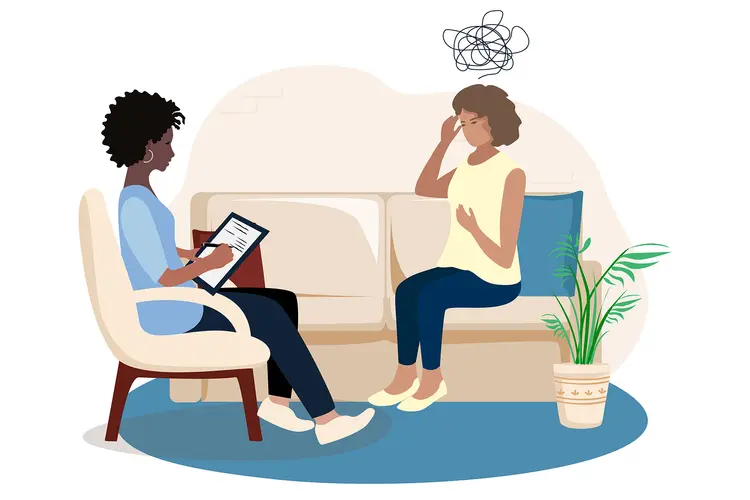
Sometimes, yes. Ms Sulagna points out that because we often lack clear biological markers, doctors have to rely heavily on observing your behavioural patterns, moods, and emotions. You can’t always see a disorder on an X-ray, but the manifestations in your life are very real, this is why structured assessments can be so valuable when symptoms are confusing or overlapping.
If these patterns disrupt your sleep or focus, a counselling psychologist in Delhi can help. They clarify what is happening and find the right support for your needs.
What Is a Syndrome?
Syndromes throw another variable into the mix. A syndrome is a collection of symptoms that tend to occur together but might have different underlying causes in different patients. It’s like noticing that several people in a room all have headaches, fatigue and fever – they’re experiencing the same symptoms but possibly for completely different reasons.
Down syndrome illustrates this perfectly. The chromosomal abnormality is identified, but the resulting collection of potential symptoms varies enormously between individuals. Some experience significant cardiac issues. Others don’t. The syndrome describes the pattern, not a single predictable outcome.
Syndrome vs Disease vs Disorder – Key Differences
| Aspect | Disease | Disorder | Syndrome |
|---|---|---|---|
| Cause | Known and specific | Unknown or multifactorial | May vary between patients |
| Diagnosis | Definitive tests available | Based on symptom patterns | Recognisable symptom cluster |
| Pathophysiology | Well understood | Partially understood | Variable |
| Treatment approach | Often targets root cause | Usually manages symptoms | Addresses individual manifestations |
Common Examples and Practical Implications
Mental Health: Disorders Not Diseases
Most mental health conditions, such as depression, bipolar disorder, and ADHD, are disorders. Why do we avoid the “disease” label even when we feel physical pain or fatigue? Ms Sulagna explains that these aren’t pathological in nature. While you might feel physically drained, those symptoms are caused by the mental health aspect rather than a biological pathogen.
Infectious Conditions as Diseases
Infections with identifiable pathogens qualify as diseases. Malaria, COVID-19, pneumonia – all diseases. The causative agent is known. Treatment targets that specific invader.
Genetic Conditions Classification
Cystic fibrosis is considered a disease because the genetic mutation and its effects are precisely mapped. However, many genetic conditions remain in a grey area where environment and biology both play a role.
Syndromes
Irritable bowel syndrome, chronic fatigue syndrome, and metabolic syndrome all describe recognisable symptom patterns without a single definitive cause. They’re essentially medical shorthand for “these things tend to happen together.”
When Terms Overlap
These categories aren’t rigid. Parkinson’s disease started as a syndrome. As understanding grew, it gained disease status. What’s classified as a disorder today might become a disease once researchers identify its specific mechanism.
Understanding the Distinction Matters
The difference between disease vs disorder isn’t just important for the doctors or the academics. It affects everything from how doctors communicate diagnoses to how treatments get funded and researched. When something’s labelled a disease, there’s often more urgency around finding cures. Disorders tend toward management strategies.
Patients benefit from understanding these terms too. Knowing your condition is a disorder rather than a disease doesn’t make it less real or less worthy of treatment. It simply reflects where medical understanding currently stands.
If your symptoms are severe and never seem to go away, it might be time to talk to a psychiatrist in Gurgaon. This is especially helpful if you need a structured treatment plan or medication to help you feel like yourself again. While therapy is a great tool, sometimes adding medical support is the missing piece that helps you get back to your daily routine.
FAQs About Disease vs Disorder
Cancer is classified as a disease. The cellular mechanisms causing abnormal cell growth are well understood, and specific biological markers exist for diagnosis and treatment planning.
Precision matters in medicine. Different terms communicate different levels of understanding about causation, which influences treatment approaches and prognosis discussions.
Most are, yes. Without definitive biological tests confirming causation, mental health conditions remain classified as disorders. This could change as neuroscience advances and identifies more specific biological mechanisms.


Anuroop Pokhriyal is a Content Specialist at BetterPlace Health. Before joining BetterPlace, he worked as a psychologist, content writer and marketer. He draws on his background in psychology to simplify complex mental health concepts and make them more accessible to readers. When he is not writing and optimising content, he enjoys playing badminton and making music.
Related Blogs