10 Red Flags in Relationships You Shouldn’t Ignore


Building a strong relationship is a journey that requires time and patience. You probably hear people say that communication is the most important part of staying together.
While that is true, it is just as important to know when a problem cannot be fixed with a simple conversation. Some behaviours are not just mistakes or rough patches. They are signals that something is wrong at a deeper level. Learning how to spot these signs early helps you protect your heart and your future.
Understanding the Meaning of Red Flag
A red flag in a relationship is a warning sign of potential problems that you might run into later. Red flags are highly subjective; what might be a deal breaker for you might not be a deal breaker for your partner. Ms Lovleena Sharma, clinical psychologist at BetterPlace, explains that a red flag appears when you cannot feel safe, honest, or comfortable with your partner. It is not just a one-time bad mood or an argument about chores. The true meaning of red flag is a pattern of behaviour that makes you feel unsafe or disrespected.
When red flags are present, you might hesitate to speak because you worry they will dismiss you, mock you, or blame you. Boundaries often do not exist in these dynamics. A red flag tells you that your well-being or your freedom might be at risk. The most dangerous part is that these signs often look like intense love when a relationship first starts. You might feel a deep connection, but if that connection comes with extreme jealousy, repeated blame, or hidden anger, it is a major warning. These patterns often overlap with dynamics described in toxic relationships, where emotional safety slowly disappears.
Normal Flaws vs Serious Problems
Everyone has flaws, but the difference lies in awareness and honesty. If your partner stays open, acknowledges mistakes, and respects boundaries, the relationship feels safe. However, if they stay unaware, dismissive, and controlling, the pattern becomes a serious red flag.
10 Critical Red Flag Signs in Relationships
1. Controlling Behaviour and Isolation
Control usually begins quietly. Early signs include jealousy when you talk to someone of the opposite sex, asking who called and why your phone was busy, or checking your phone. Ms. Lovleena notes that a partner might demand more time than you can give or criticise your family. This social pressure and “punishing silence” grow slowly until you stop feeling like yourself and feel cut off from the people who love you.
2. Lack of Respect for Boundaries
Healthy partners listen when you say “no.” When boundaries do not exist, your emotional safety disappears. Your feelings, time, and choices stop mattering because the partner treats your rules like suggestions. You eventually start shrinking just to keep the peace.
3. Constant Criticism and Belittling
There is a big difference between helpful feedback and being mean. Ms. Lovleena explains that a partner should feel like a secure emotional base. When someone pulls you down, highlights only your flaws, and calls it “concern,” your personality starts shrinking. This style of criticism comes from a place of control, not care, and it slowly destroys your confidence, sometimes even contributing to long-term anxiety and self-doubt.
4. Love Bombing and Withdrawal
This feels like an emotional roller coaster. First, they shower you with gifts and non-stop attention. This is called love bombing. Then, they suddenly become cold and distant for no reason. This “hot and cold” behaviour confuses you and keeps you chasing their approval.
5. Gaslighting and Manipulation
Gaslighting is a way to make you doubt your own mind. Ms. Lovleena points out that people experiencing gaslighting often feel a loss of self-confidence and a reliance on the partner for decisions. You might start seeing reality only through their point of view. Sometimes the partner does not even realise they are gaslighting, but the effect remains damaging and erodes your self-trust.
6. Explosive Anger
Everyone gets frustrated sometimes. However, if your partner’s anger feels unpredictable, threatening, or makes you feel physically unsafe, that is a huge red flag. You learn to silence yourself to avoid conflict, which is a sign that the environment is no longer healthy.
7. Jealousy Without Trust
A little bit of jealousy might seem sweet at first, but when it appears without reason, it often masks deep insecurity. It leads to constant questioning, blaming, and suspiciousness. Real love is built on trust, not on checking up on where you are every second.
8. Financial Control
Financial control often looks subtle at first. Signs include tracking every expense, questioning every purchase, or taking full control of your money. Ms. Lovleena notes that this limits your independence and makes it much harder for you to leave if things get bad.
9. Disrespect Towards Your Loved Ones
Pay attention to how they treat your family and friends. If your partner puts down the people who support you, they are creating distance and leaving you more dependent on them. A good partner wants you to have a full life with many connections.
10. Refusing to Take Responsibility
In a healthy relationship, both people can admit when they are wrong. A major red flag is when a partner refuses accountability and always blames you, the circumstances, or stress for every problem. Mistakes never become opportunities to grow.
What is Red Flag and Green Flag Behaviour?
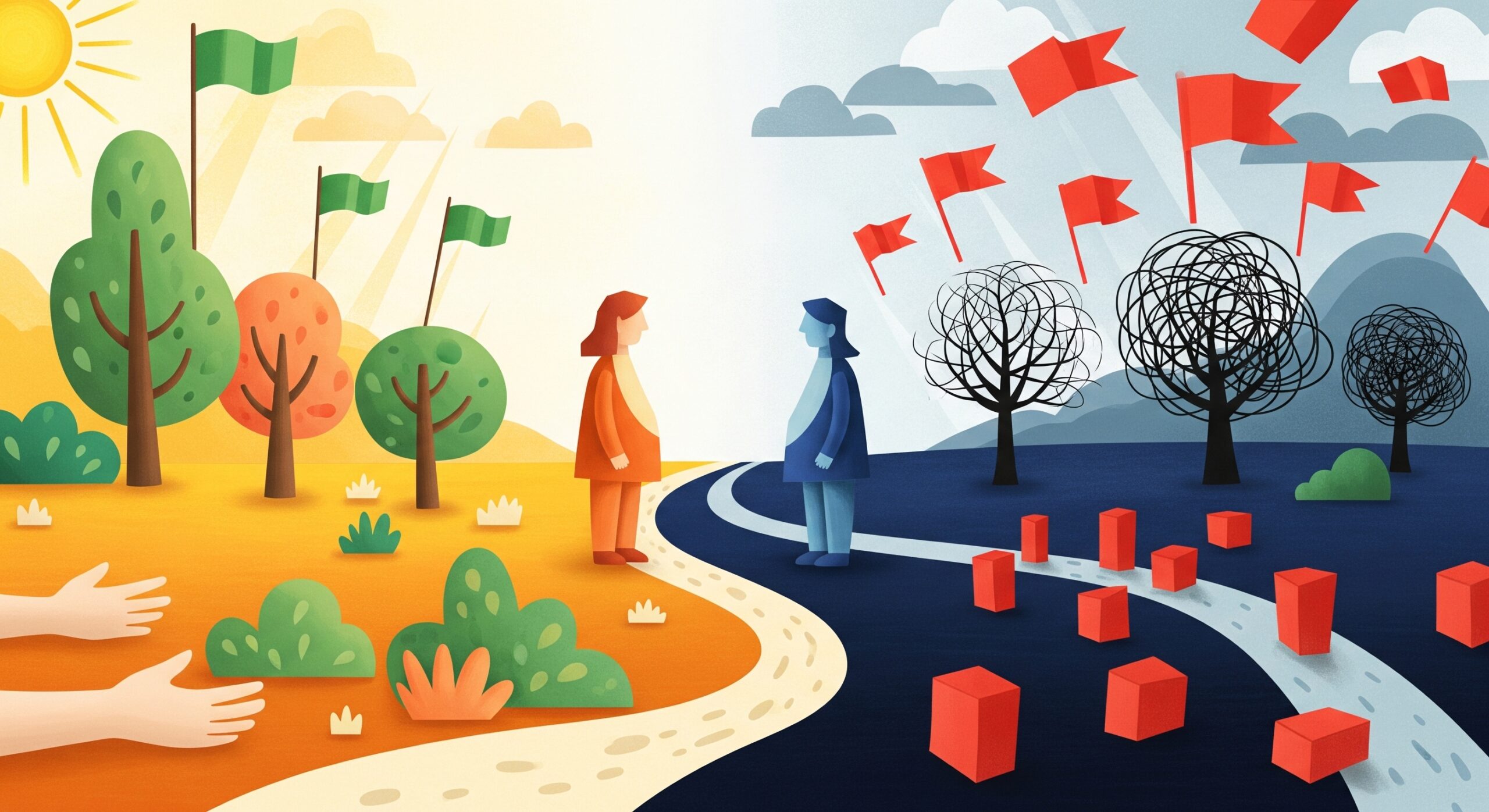
Knowing the difference between what is red flag and green flag behaviour is key to a happy life. Green flags feel steady and calm; they involve respect, honesty, and emotional safety. Red flags feel like a storm, revolving around control, guilt, and fear. Always ask yourself if the relationship makes you feel like a better version of yourself.
When to Seek Support
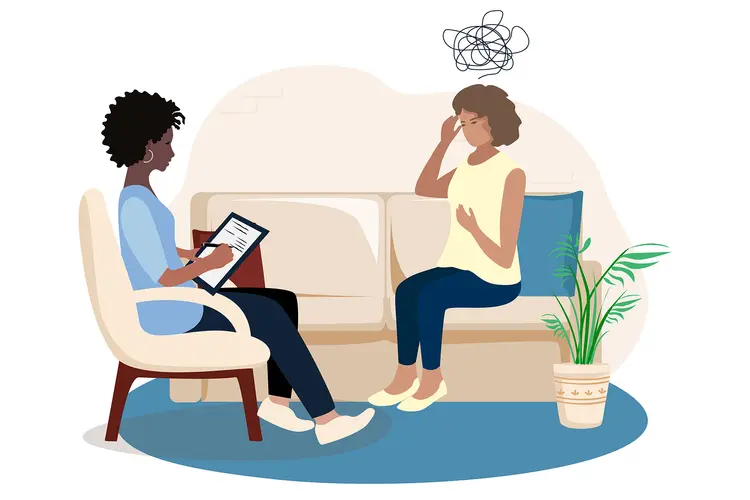
Ms. Lovleena advises reaching out if you feel scared to speak, doubt your own judgment, or feel isolated. You do not have to wait for a crisis to talk to a friend or a therapist. A fresh perspective can help you see the patterns more clearly. Speaking with experienced psychologists in Delhi can help you understand what you are experiencing and rebuild your emotional confidence.
How to Handle Red Flag Behaviour
If you notice these signs, take action early:
- Acknowledge the pattern: Be honest about what is happening.
- Create boundaries: Set emotional and physical boundaries clearly and consistently.
- Talk about impact: Discuss how the behavior affects you instead of focusing on blame.
- Watch for change: Observe if their actions actually improve over time.
- Have an exit plan: Your safety and dignity must always come first.
Working with trained counsellors in Delhi can support you in planning next steps, strengthening boundaries, and protecting your well-being.
Protecting Your Well-being
Your mental and physical health are the most important things you have. You should never sacrifice your peace for a relationship. Trust your gut feelings. If something feels wrong, it usually is.
FAQ's of Red Flags in Relationships
Ms. Lovleena says yes, but only if the partner becomes aware, remains open to change, and genuinely works on their behaviour. It is their choice, and you need to see consistent behaviour over a long period.
Healthy disagreements feel respectful and stay focused on the specific issue in the moment. Red flags are harmful patterns that pull you down and attack your identity.
Not always. First, understand the pattern and communicate your needs safely. If the partner shows a willingness to change, therapy can help. However, if the pattern continues or involves abuse, your well-being must come first.


Anuroop Pokhriyal is a Content Specialist at BetterPlace Health. Before becoming one of BetterPlace’s first team members, he worked as a psychologist, content writer and marketer. He draws on his background in psychology to simplify complex mental health concepts and make them more accessible to readers. When he is not writing and optimising content, he enjoys playing badminton and making music.
Related Blogs