
Why You Have Trust Issues & How to Overcome The-Testing


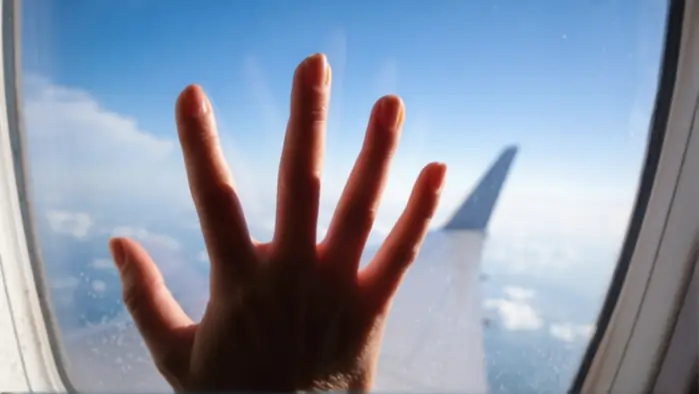
Traveling by air should be an exciting start to a vacation or a quick way to reach a business meeting. We often hear people say that flying is much safer than driving a car.
Explore Psychiatric Services
Connect with trusted psychiatrists and begin your journey to mental wellness.
Book free consultation
No data found!
While that is a comforting fact, it does not always help when you are standing at the boarding gate. For many people, the thought of being thousands of feet in the air creates a feeling of deep worry that logic cannot fix. If you feel your heart race when you see an airplane, it is important to know that you are not alone. Understanding why your body reacts this way is the first step toward feeling calm during your next trip.
What is Aerophobia?
Aerophobia is the medical term for an intense and persistent fear of flying, sometimes referred to as aviophobia. Ms Sulagna, a clinical psychologist at BetterPlace, explains that any specific phobia like this is clinically considered a mental illness. It involves intense physiological symptoms and a level of anxiety that far exceeds general nervousness.
You can tell it is a phobia when it leads to the extreme avoidance of the stimulus, such as refusing to board a plane even when it is necessary for your personal or socio-occupational life. Unlike a simple preference for driving, aerophobia is a fear that makes your decisions for you, often involving intense “anticipatory anxiety.” Ms Sulagna notes that even just imagining the situations would make you feel anxious, often starting weeks before a scheduled trip.
Normal Nerves vs. True Phobia
It is helpful to distinguish between being a “nervous flyer” and having a clinical phobia. Ms Sulagna points out that any phobic situation is far exaggerated and intense than general anxiety.
| Aspect | Normal Nerves | Aerophobia (True Phobia) |
| Intensity | Mild anxiety | “Far exaggerated and intense” |
| Physical symptoms | Mild butterflies | “Heart palpitation, breathlessness, numbness” |
| Control | Feels manageable | “Sense of losing control, especially of symptoms” |
| Avoidance | “Don’t avoid the stimulus” | “Extreme avoidance of the stimulus” |
| Anticipation | Some nervousness | “Anticipatory anxiety of flying” |
| Imagination | Can think about flying | “Imagining the situations makes you feel anxious” |
| Life Impact | Minimal | “Affects your personal and socio-occupational life” |
Symptoms of Aerophobia
Physical Symptoms
Your body often shows signs of fear before your mind even catches up. Ms Sulagna highlights that physiological symptoms are a hallmark of this condition. You may experience:
- Heart palpitations: A racing, pounding, or irregular heartbeat.
- Breathlessness: A feeling of suffocation or difficulty catching your breath.
- Numbness: A tingling or loss of sensation, often in the extremities.
- Other signs: Sweating, trembling, dizziness, or nausea.
Emotional and Mental Signs
The mental side of this fear is very draining. Ms Sulagna emphasizes that there is often a “sense of losing control, especially of symptoms.” This means you aren’t just afraid of the plane; you are afraid of your own panic response and your inability to stop it. This is fuelled by anticipatory anxiety, where your mind plays “movies” of disasters, causing you to suffer the fear multiple times before you even reach the airport.
Behavioural Patterns
The most significant behavioural sign is the extreme avoidance of getting on planes. While avoiding the airport might feel like the right move, Ms Sulagna explains a dangerous psychological trap: avoiding helps reduce anxiety and stress in the short term, which acts as a reward mechanism. This immediate relief teaches your brain that avoidance is “good,” which actually causes the aerophobia to strengthen and worsen over time.
Understanding the Causes
Traumatic Experiences
While rare, aerophobia usually develops due to specific experiences. Ms Sulagna notes that first-hand experiences are the primary causes—such as being on a flight with severe turbulence, seeing a plane crash, or even living near a crash site. However, “second-hand recollection of an event” can also lead to aerophobia. This happens when you hear a parent or friend describe a traumatic flight in vivid, fearful detail.
Underlying Anxiety
Aerophobia often travels with other types of anxiety. If you already have a generalized anxiety disorder, flying can amplify a “sense of losing control.” The enclosed space of an aircraft can also trigger claustrophobia, where the inability to leave or escape during the flight intensifies the panic.
Media and Misconceptions
Dramatic news coverage of rare aviation accidents contributes to what Ms Sulagna calls “second-hand recollection.” Because these events are covered so intensely, your brain develops a distorted perception of risk. This makes the fear response feel “far exaggerated and intense” compared to the actual statistical danger of flying versus driving.
Effective Treatment Options
1. Cognitive Behavioural Therapy (CBT)
CBT is one of the best ways to treat this fear by challenging the thoughts behind your “anticipatory anxiety.” It targets the “imagining of situations” that trigger your panic. A therapist will work with you to target “cognitive distortions,” such as catastrophic thinking about plane safety or the overestimation of the likelihood of a crash.
2. Exposure Therapy
This involves habituation, gradually exposing yourself to the phobia to break the cycle where avoidance acts as a reward. Ms Sulagna notes that this is essential to stop the phobia from worsening.
- Level 1: Looking at airplane pictures (addresses anxiety triggered by imagining situations).
- Level 2: Watching flight videos and using visualization.
- Level 3: Visiting an airport to watch planes land.
- Level 4: Sitting in a stationary plane, followed eventually by short flights.
3. Medication
Doctors can sometimes prescribe anti-anxiety medications or beta-blockers to manage “heart palpitations, breathlessness, and numbness.” This helps reduce the “sense of losing control” over your physical symptoms while you engage in the hard work of therapy.
4. Self-Help and Coping Strategies
- Relaxation Techniques: Deep breathing and progressive muscle relaxation to manage the physical response.
- Grounding: Focus on your senses (what you see and hear) to stay in the present moment.
- Habituation: Repeatedly exposing yourself to small fears until they become normal.
- Distraction: Using music, movies, or puzzles to “destress” the mind during a flight.
Overcoming Your Fear
Getting better requires breaking the avoidance cycle. By using habituation and relaxation techniques, you can move from “extreme avoidance” to functioning like someone with “normal nerves.” The goal is to reach a place where you can fly when needed without letting the fear “affect your personal and socio-occupational life.”
Frequently Asked Questions
Can fear of flying be completely cured?
Yes. Ms Sulagna states that by breaking the reward mechanism of avoidance and building coping skills, most people can reach a point where they fly as needed. You may still have some nervousness, but the “far exaggerated” phobic response can be resolved.
Is fear of flying a mental illness?
Yes, clinically. Ms Sulagna explains that any specific phobia is considered a mental illness. It requires treatment when it results in “extreme avoidance” and begins to interfere with your career or relationships.
FAQs
Yes, they can. Constant suspicion is tiring for a partner and can eventually push them away, confirming the very fears that started the cycle.
Yes, they can. Constant suspicion is tiring for a partner and can eventually push them away, confirming the very fears that started the cycle.
Yes, they can. Constant suspicion is tiring for a partner and can eventually push them away, confirming the very fears that started the cycle.


Anuroop Pokhriyal is a Content Specialist at BetterPlace Health. Before becoming one of BetterPlace’s first team members, he worked as a psychologist, content writer and marketer. He draws on his background in psychology to simplify complex mental health concepts and make them more accessible to readers. When he is not writing and optimising content, he enjoys playing badminton and making music.
Related Blogs