
How to Remove Fear from Mind and Heart: A Practical Guide to Peace and Confidence

Fear is an integral part of human life. It plays an important role by alerting us to danger and prompting action. However, when fear becomes constant or irrational, it starts working against us, turning life’s colour into a warning red.
This guide explores how to remove fear and anxiety, understand their differences, and apply proven strategies to regain inner peace and courage.
Understanding Fear and Anxiety
You can make overcoming fear and anxiety much easier by thinking of them as biological functions necessary for survival. Knowing that fear is a response to an immediate threat, just as pain is a signal that warns the body of harm helps us understand that both serve protective purposes. Rather than being signs of weakness, they act as an internal warning system that protects us from potential harm.
Fear triggers automatic reactions that prepare us to act quickly, much like the reflex that makes you pull your hand away from a hot surface before it burns. Similarly, when a dog barks aggressively, your body instinctively becomes alert, ready either to defend yourself or move away from danger.
This distinction highlights the difference between fear and anxiety: fear responds to what is, while anxiety reacts to what might be. Both can become overwhelming when they persist beyond reason.
Why Fear and Anxiety Take Control
Fear and anxiety often take root in the subconscious mind. They feed on uncertainty, past trauma, negative self-talk, or constant exposure to stressful situations. When you leave them unchecked, they can manifest physically as a racing heart, shallow breathing, or insomnia.
The key to transformation lies in awareness. Once you identify where your fear begins–whether it’s from past failure, rejection, or loss–you can begin to learn how to remove fear from mind and heart effectively.
Accept and Acknowledge Your Feelings
Many people try to suppress fear, pretending it doesn’t exist. But denial strengthens what we resist. The first step in removing fear from the mind is acceptance.
Pause and acknowledge what you’re feeling. Label it: “I feel anxious,” or “I feel afraid.” Naming emotions helps the brain regulate them. When you accept your fear as a natural response, it loses much of its power over you.
Practice Deep Breathing and Mindfulness
Fear and anxiety often trap the mind in “what if” scenarios. Mindfulness brings you back to the present. Try this simple exercise:
- Breathe in deeply for four counts.
- Hold for four counts.
- Exhale slowly for six counts.
- Repeat until your heart rate slows.
This technique not only calms the nervous system but also improves focus and clarity. Regular practice can significantly reduce fear and anxiety.
Challenge Your Thoughts
Most fear exists only in the imagination. When you find yourself worrying, question your thoughts:
- “Is this fear based on facts or assumptions?”
- “What’s the worst that could happen, and how would I handle it?”
This rational questioning is a powerful way to control anxiety and fear. When you challenge your fears with logic, you weaken their emotional grip. Over time, your brain learns to replace irrational fear with confidence.
Use Visualisation and Positive Affirmations
Visualisation rewires your brain to focus on courage rather than fear. Imagine yourself handling stressful situations calmly. Picture success vividly—the more you do this, the more your subconscious mind believes it’s possible. Combine visualisation with affirmations such as:
- “I am in control of my emotions.”
- “I choose peace over fear.”
- “I face challenges with courage.”
These statements act as reminders that you have power over your thoughts, reinforcing your ability to overcome anxiety and fear.
Take Small Steps Toward Your Fears
Avoidance keeps fear alive. If you want to know how to remove fear from mind and heart, you must gradually face what you fear. For example, if you fear public speaking, start small by speaking to a mirror, then to a friend, then to a small group. Each step rewires your brain to associate the activity with safety rather than danger.
Courage grows through consistent, small victories. Every time you face fear, you prove to yourself that you are stronger than it.
Strengthen Your Body and Mind Connection
Exercise plays a vital role in emotional stability. Physical activity releases endorphins, the body’s natural mood lifters. Yoga, meditation, or even brisk walking can greatly reduce fear and anxiety by calming your nervous system.
A balanced diet, adequate sleep, and reduced caffeine intake also help maintain emotional equilibrium. When your body feels strong, your mind follows.
Seek Support and Perspective
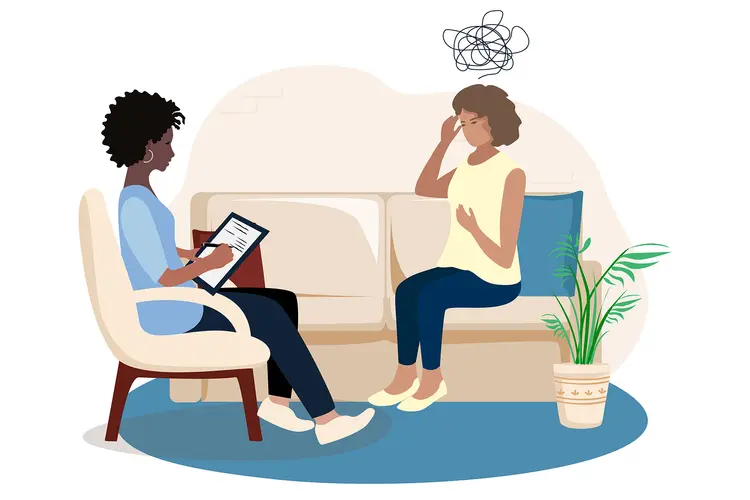
Sometimes, fear and anxiety become overwhelming despite our best efforts. In such cases, seeking help from a trusted friend, mentor, or therapist can make a world of difference.
Talking about your fears breaks their silence and power. Professional guidance can teach you effective techniques on how to control anxiety and fear using cognitive behavioural methods or mindfulness-based therapy.
Reframe Failure and Uncertainty
Many fears stem from a dread of failure. But failure is not the opposite of success; it is, rather, a part of it. Every mistake teaches you something essential. When you embrace uncertainty as a path to growth, fear begins to dissolve.
Reframing your mindset this way turns fear into a teacher rather than an enemy. That’s one of the most empowering lessons in learning how to overcome anxiety and fear.
Final Thoughts
Knowing how to remove fear from mind and heart is a lifelong journey, not a one-time fix. It is not about becoming fearless but about managing emotions so they don’t manage you.
Fear is a constant part of life because it serves an essential purpose in our survival. However, you do not have to live in its shadow or let it control your happiness. Fear, as all emotions do, will come and go, but living a balanced, fulfilling, and largely fear-free life is entirely possible.
By practising mindfulness, facing fears gradually, nurturing your body, and shifting your thoughts, you can transform fear into strength.
Remember, fear is not your enemy. It is a signal inviting you to grow.


Anuroop Pokhriyal is a Content Specialist at BetterPlace Health. Before becoming one of BetterPlace’s first team members, he worked as a psychologist, content writer and marketer. He draws on his background in psychology to simplify complex mental health concepts and make them more accessible to readers. When he is not writing and optimising content, he enjoys playing badminton and making music.
Related Blogs