Smiling Depression: Risks, Symptoms, and Treatment Options


Many people believe that depression always looks like someone who cannot get out of bed or stop crying. However, some of the most difficult battles are fought by people who look perfectly fine on the outside.
You might see a friend who is successful at work, always smiling in photos, and always ready to help others. Behind that happy face, they could be struggling with a deep sense of exhaustion and sadness. This is often called “smiling depression.” It is important to understand that mental health struggles do not always have an obvious look. Learning about this hidden form of depression can help us be more kind to ourselves and more aware of the people around us.
What Is Smiling Depression?
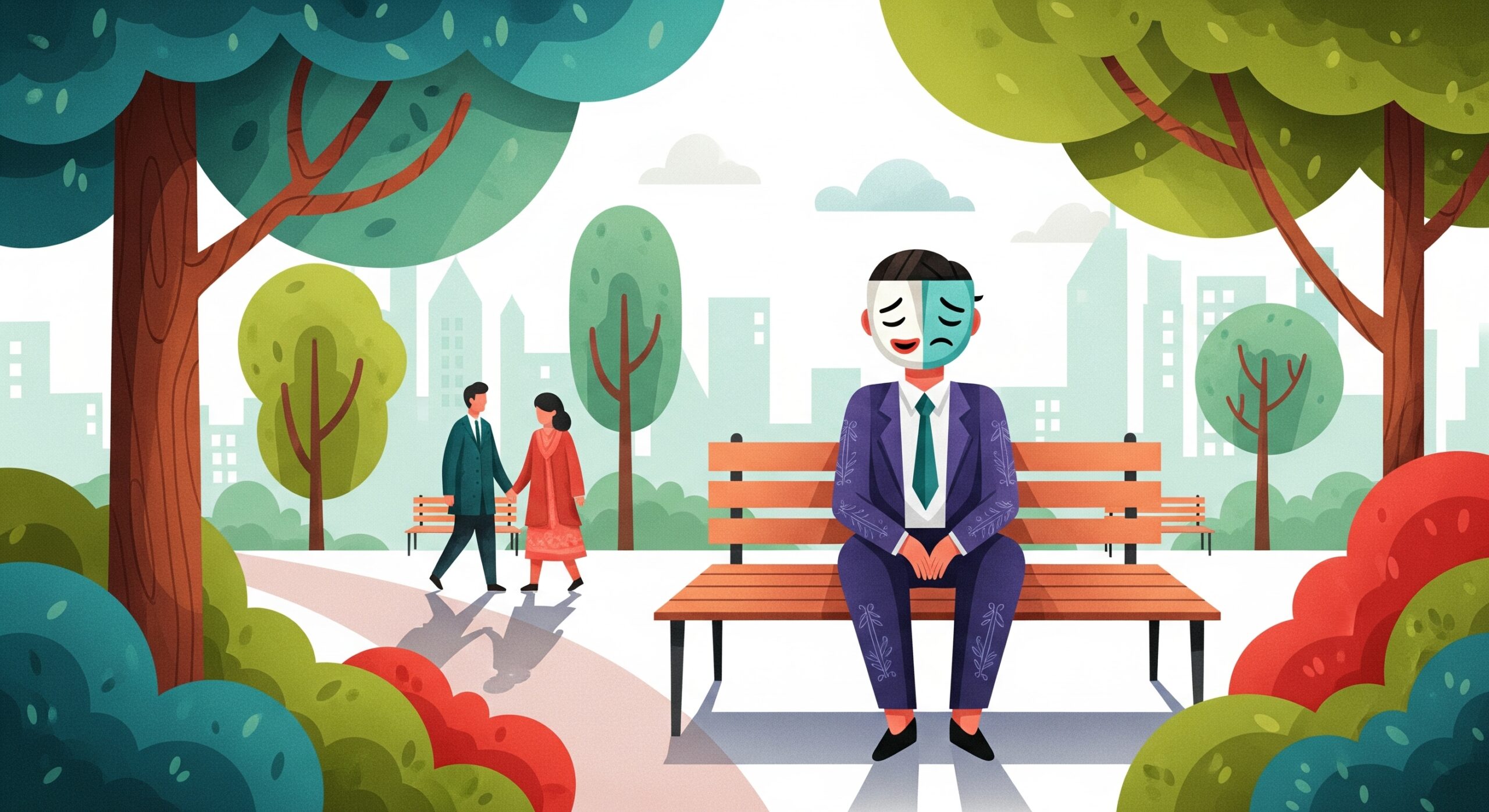
Smiling depression is a term used to describe people who hide their depression behind a mask of happiness. They show up to every meeting, laugh at every joke, and keep their homes perfectly clean. Because they look so put-together, even their closest friends might never guess that anything is wrong.
Expert’s Insights:
Ms Ayushi Paul, Clinical Psychologist at Betterplace, explains that this is also known as high-functioning depression. She notes that while you might go around your life normally, you often feel like something invisible is holding you back from truly achieving your potential. According to Ms Paul, this presentation of depression is particularly heavy because it involves a tremendous amount of pain and depressive symptoms that typically surface only when you are alone.
In the medical world, this is often called atypical depression or high-functioning depression. It is particularly dangerous because the person is unlikely to ask for help. They might even feel guilty about being depressed because their life looks “good” on paper. They often fear that admitting their pain will make them look weak or ungrateful. Ms Paul points out that for those struggling internally, all projects and successes can seem very empty, making the toll on your life feel even more significant.
Causes of Smiling Depression
There are several reasons why a person might choose to hide their struggle:
- Perfectionism: If you always strive to be flawless, you might feel like you cannot afford to show any weakness.
- Societal Pressure: Many cultures reward people for “staying positive” and “pushing through” pain. This makes being vulnerable feel like a failure.
- Social Media: Seeing everyone else’s “perfect” lives online can make a person feel ashamed of their own sadness.
- Cultural Stigma: In some families, depression is seen as a character flaw rather than a health issue.
- Life Transitions: Moving to a new city or starting a high-pressure job can trigger depression that a person hides to maintain their image of success.
If you notice your mind constantly spinning through thoughts like “why am I like this?” while you try to maintain a normal functioning on the outside, the pattern can look a lot like overthinking.
Who Is Most at Risk?
Certain personality types are more likely to develop this habit of hiding their pain.
- High-IQ Individuals: Ms Paul notes that a high IQ often correlates with stronger ego defence mechanisms, making it easier to mask symptoms.
- Natural Caregivers: Those looking after the mental health of others often only experience their own breakdowns when alone.
- High Achievers: People who tie their identity to success and feel they must maintain a flawless public image.
- Perfectionists: Individuals who view any sign of emotional struggle as a personal failure or weakness.
- Imposter Syndrome Sufferers: Those who hide their pain because they fear being exposed as “not strong enough.”
Warning Signs and Symptoms
Since smiling depression is hidden, you have to look for very small clues. You will not usually see classic signs like crying in public.
Physical Symptoms
People often find it easier to talk about physical pain than emotional pain. They might report:
- Constant headaches or backaches.
- Stomach issues and digestive problems.
- A feeling of being physically heavy or moving slowly.
Ms Paul suggests that while these physical symptoms are present, they are often expertly masked when you are around people, only to become overwhelming once you are in private.
Behavioural Changes
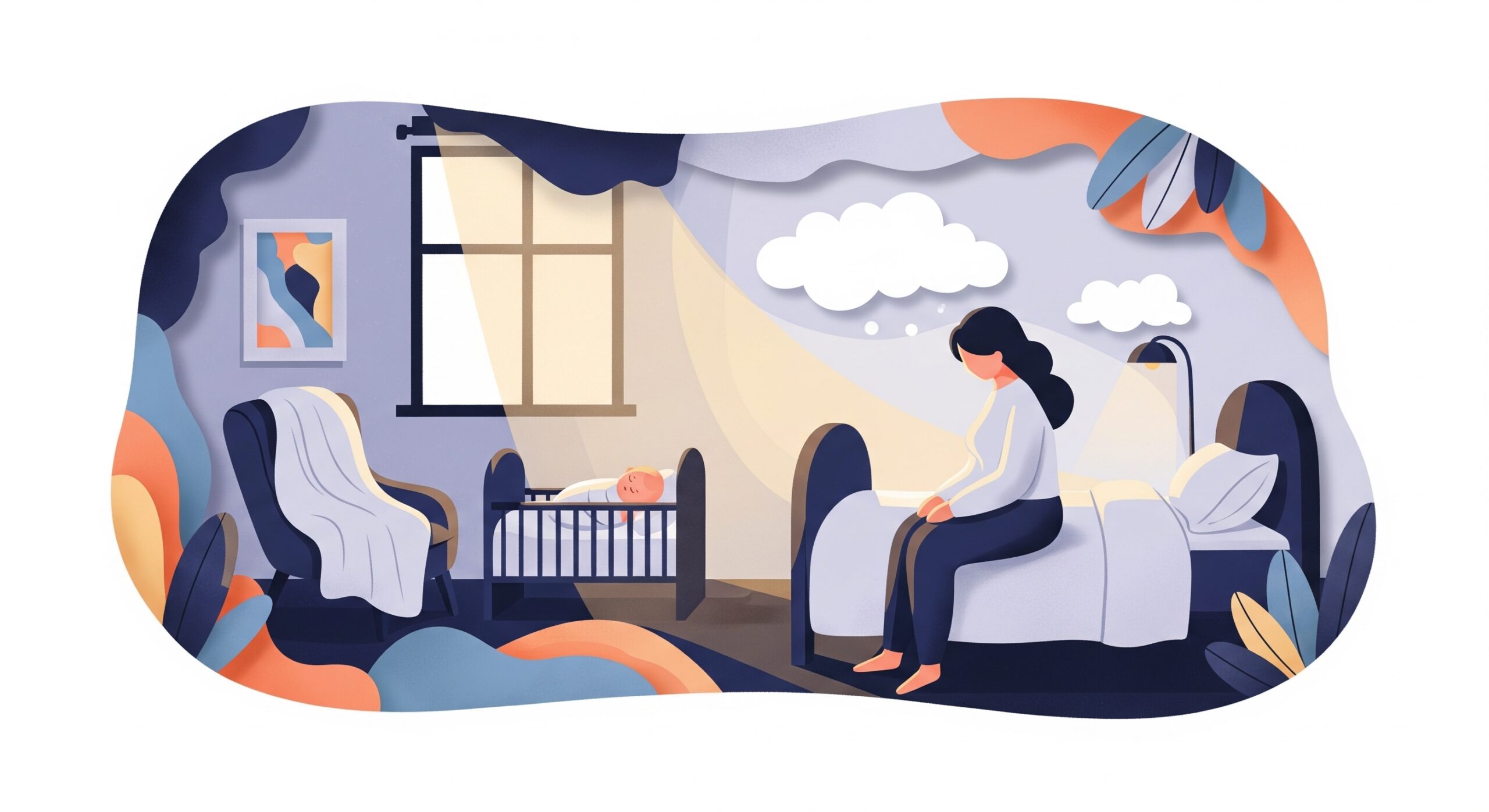
- Sleep Issues: They might struggle with insomnia or use sleep as a way to escape from the world when they are alone.
- Energy Shifts: They are “on” and energetic in public but completely collapse from exhaustion the moment they get home. Ms Paul observes that you might continue to function in a caretaker role or go around your life normally, but you are essentially going through the motions without any genuine engagement.
- Appetite Changes: You might notice they are losing or gaining weight, which they often blame on “work stress.”
If sleep is becoming the main escape, it can help to understand what chronic sleep disruption does to the mind and body in the science of sleep.
Emotional Signs
- Low Self-Esteem: Despite their success, they feel worthless or like they are failing.
- Harsh Self-Criticism: They judge themselves very strictly for the smallest mistakes.
- Guilt: They feel they have no “right” to be sad because their life seems fine to others.
- Emotional Numbness: They might feel empty inside even while they are smiling and talking. Ms Paul describes this as a state where your internal struggle is constant, yet you maintain a smiling face so people do not realise the depth of the pain.
Treatment Options
Recovery begins when you finally admit that you are wearing a mask. This is often the hardest part because you have spent years pretending to be okay.
Professional Therapy
Therapy is the best foundation for getting better. Cognitive Behavioural Therapy is very helpful because it helps you challenge the negative thoughts that keep you stuck. Ms Paul emphasises that therapy helps process the reality that breakdowns are currently only happening when you are alone and works on addressing why your daily life and projects feel so empty. It is important to find a psychologist in Delhi who understands that you can be both successful and depressed at the same time. If a therapist tells you that you “look fine,” they might not be the right match for you. You can also look into Dialectical Behaviour Therapy if you find it hard to manage your intense emotions.
Medication Management
Many high-functioning people avoid medicine because it feels like giving up. This is not true. Medicine can help balance your brain chemistry so that therapy can work more effectively. A qualified psychiatrist in Gurgaon can guide you through this process and help you make an informed decision. SSRIs are a common choice, and they usually take about four to six weeks to start working. You might need to try a few different types before you find the one that fits your body best.
If symptoms are persistent or severe and you need clinical guidance alongside therapy, specialist psychiatry support helps ensure medication is used safely and effectively.
Self-Help and Lifestyle Changes
Small daily habits can help you lower the pressure you feel:
- Mindfulness: This helps stop the cycle of constant worrying.
- Regular Exercise: A 20-minute walk can act as a natural way to boost your mood.
- Sleep Hygiene: Keeping a consistent bedtime helps stabilise your energy.
- Journaling: Writing down your feelings gives you a private way to be honest.
- Setting Boundaries: Practice saying “no” to things that overwhelm you.
A simple way to build consistency is to treat coping like routine maintenance—similar to your mental health toolkit.
When to Seek Professional Help
You should reach out for professional support if your low mood lasts for more than two weeks or if you find yourself constantly exhausted by the effort of maintaining your public mask. If depression is interfering with your sleep, appetite, or ability to enjoy your life, a therapist can provide the tools you need to heal. Seeking help for mental health is a sign of strength, not a failure. If you ever have thoughts of self-harm, please contact a healthcare provider or a crisis helpline immediately.
If you’re unsure what level of care you need, starting with structured assessments can help clarify symptom severity and the most effective next step.
Building a Support Network
Isolation is what keeps depression strong. You do not have to tell the whole world, but telling one trusted person can make a huge difference. Support groups are also excellent because you are surrounded by people who “get it.” You can find online groups if you are not ready to talk to people in person yet.
When it comes to supporting others, Ms Paul advises against “calling them out” directly. She warns that being too persuasive or confrontational can result in the person shelling within, making them even less likely to share how they feel. Instead, Ms Paul suggests giving a compassionate ear. You should approach them from a space of concern rather than pushing them to admit a diagnosis. Try subtly discussing life areas that seem to be getting impacted or mention how they would earlier be involved in certain activities compared to now. Being able to say “I’m not okay” without following it up with “but I’ll be fine” is a major step toward healing.
Moving Forward
Getting better is about ending the performance. Ms Sharma notes that we must recognize this is not just a diagnosis, but a presentation of deep-seated pain. You are allowed to be a human being who struggles. You can be successful and still need support. You can be grateful for your life and still feel sad. As you start to lower your mask and address the feeling that something is holding you back, you will find that the world does not end. In fact, your honesty might help others feel safe enough to take off their own masks too.
FAQ's of Smiling Depression
In typical depression, symptoms are often visible to others, and a person might stay in bed or stop going to work. Ms Paul explains that in smiling depression, also known as high-functioning depression, you can go around your life normally. You put on a smiling face so people do not realise you are struggling, even though you are experiencing a tremendous amount of pain when you are alone.
While it is possible, Ms Paul points out that this is generally an unusual finding. Teenagers go through significant hormonal ups and downs, so their emotional expression is usually different and harder to mask. She explains that in adolescence, the body typically “takes over,” whereas in high-functioning depression, the mind takes over to help suppress and hide the depressive symptoms, which requires a level of cognitive control usually developed later in life.
As Ms Paul suggests, do not call them out directly, as this often leads to them withdrawing further. Instead, be compassionate rather than persuasive. Talk to them about specific life areas that seem impacted and mention, with concern, how their involvement in things has changed. By showing your own vulnerability and coming from a space of genuine care, you make it safe for them to eventually open up.


Anuroop Pokhriyal is a Content Specialist at BetterPlace Health. Before becoming one of BetterPlace’s first team members, he worked as a psychologist, content writer and marketer. He draws on his background in psychology to simplify complex mental health concepts and make them more accessible to readers. When he is not writing and optimising content, he enjoys playing badminton and making music.
Related Blogs