
The 6 Stages of Depression: Understanding What You’re Going Through

According to the World Health Organisation (WHO), 4% of the total global population suffers from depression. Many people do not realise they’re suffering from depression until it affects them deeply. You can manage and treat depression well before it affects your daily life if you catch it in the early stages. Understanding the stages of depression helps you notice what is happening and take the right steps towards feeling better.
What are the stages of depression? How do they show up? What can you do at each point? Let’s take a deep dive.
The First Phase: Subtle Changes
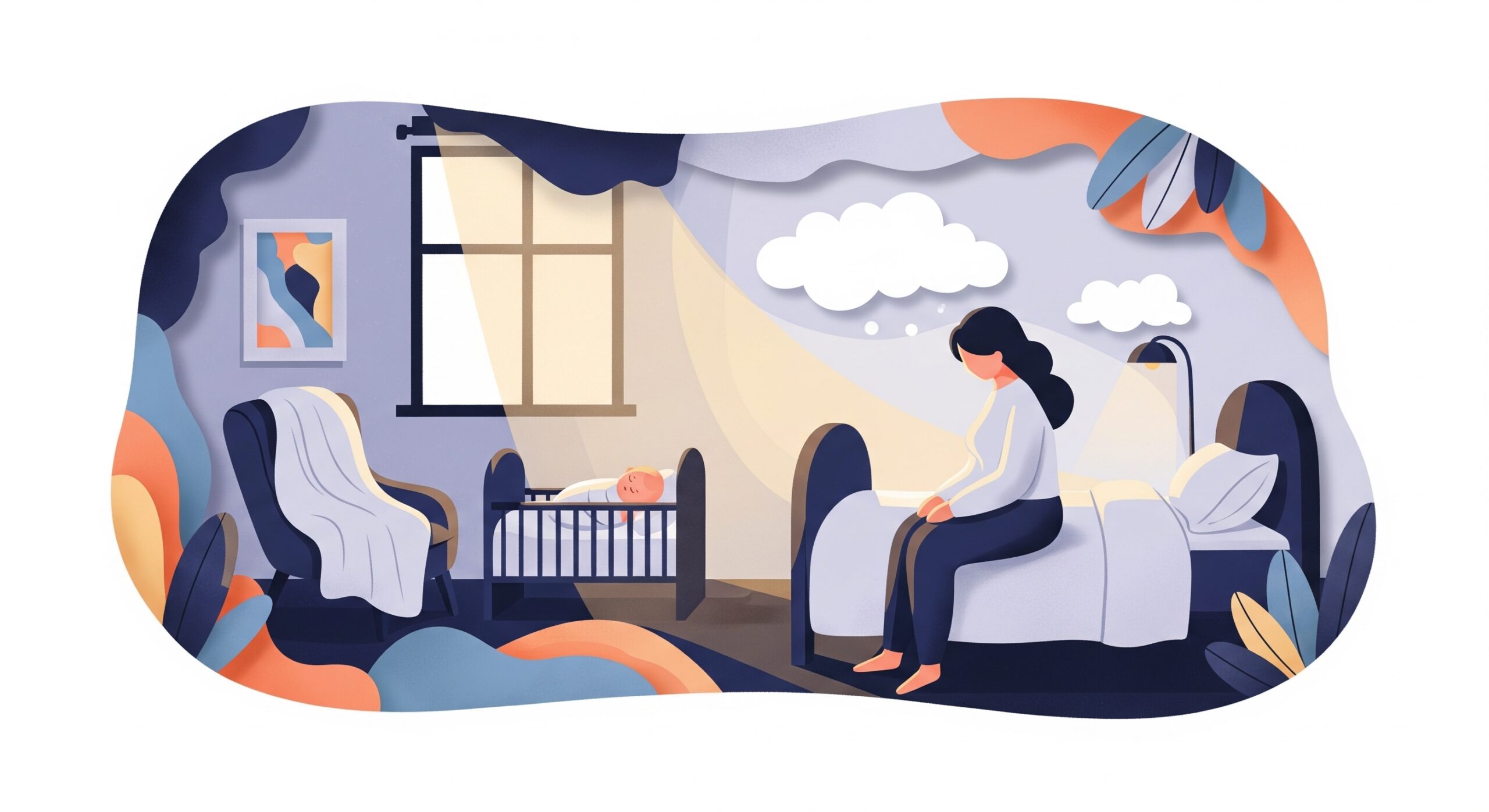
Depression often starts with small signs. You may feel more tired than usual or lose interest in things you normally enjoy. Perhaps you find it harder to focus, or your sleep schedule changes. You easily brush these symptoms off and tell yourself that you’re just tired, stressed, or having a rough week. But often, these little changes signal that something’s wrong in your mind.
At this stage, you easily ignore what is happening. You may still go to work, hang-out with friends, and enjoy activities, making everything appear fine on the surface. But there’s always that inkling feeling inside, the persistent feeling of uneasiness, remains. This is one of the early phases of depression when the symptoms are light but persistent. Recognising them gives you a better chance of managing things before they worsen.
The Second Phase: The Slump
This is one of the more visible stages of depression, and symptoms become clearer. You might lose motivation, struggle to get out of bed, or cancel plans because everything feels like too much effort.
This is also when support matters a lot, because trying to “push through” often backfires. If you want a practical way to work through the slump without feeling judged, starting with counselling can help you build small routines and coping tools before things spiral.
The Third Phase: Frustration and Guilt
When you realise something is wrong but cannot fix it quickly, you feel frustrated. You might get angry at yourself for not “snapping out of it.” You might even feel guilty for being less productive, not meeting your loved ones, or for feeling sad when you believe you “should” feel fine.
This is one of the toughest stages of depression because it turns your thoughts against you. Your inner critic becomes louder and harsher. You may replay past mistakes or believe you are letting people down, even though that is likely not the case. You must remind yourself that depression affects thinking patterns, and the negative voice in your head is part of the illness.
If you want a structured, evidence-based way to challenge that inner critic and break the guilt loop, Cognitive Behavioural Therapy is one of the most effective approaches.
The Fourth Phase: Hopelessness
This is often when you feel depression the most intensely. You may feel like nothing matters anymore, and even getting out of bed feels impossible. You might believe that things will never improve or that you will always feel this way.
At this point, your energy and concentration drop sharply. You may isolate yourself and stop doing even basic things like cooking or showering. Sleep problems and changes in appetite are common. This is one of the most difficult stages of depression, but also one that deserves the most compassion and help. You can find comprehensive depression treatments in Delhi by expert psychologists who provide structured support before the hopelessness takes over you.
The Fifth Phase: Acceptance and Seeking Help
After hitting the lowest point, many people reach a moment of understanding and clarity. You realise that you cannot continue to live this way, and something has to change. You start to accept that what you are experiencing is depression, and you decide to get help.
You might make an appointment with a mental health professional, talk to a friend, or research ways to manage symptoms. Among all the stages of depression, this is the turning point where you finally take matters into your own hands.
The Sixth Phase: Recovery and Healing
Recovery is a slow and gradual process. You return to your normal self bit by bit. You might still have days when you feel down, but they no longer control you.
- Therapy teaches you to manage your symptoms, set healthy boundaries, and understand your triggers.
- Medication can relieve short-term symptoms so you can focus on long-term progress, and small lifestyle changes can provide additional benefits to your treatment. However, make sure you consult a psychiatrist in Delhi before taking medication.
If you want therapy that’s specifically structured around depression recovery, depression therapy can help you build consistency and momentum without relying on willpower alone.
Outlook
Recognising the stages of depression and symptoms helps you make sense of what is happening inside you. It also helps you realise that recovery is a long journey and not an overnight success story. So, if you find yourself feeling stuck, remember this: you are not broken, and you are not alone. You are going through something that many people face. With the right support, you can feel better again.


Anuroop Pokhriyal is a Content Specialist at BetterPlace Health. Before becoming one of BetterPlace’s first team members, he worked as a psychologist, content writer and marketer. He draws on his background in psychology to simplify complex mental health concepts and make them more accessible to readers. When he is not writing and optimising content, he enjoys playing badminton and making music.
Related Blogs