What Are the 5 Love Languages and How to Use Them


The belief that love is just a feeling – one that either exists or doesn’t – has led countless couples down a frustrating path. That notion is not just incomplete. It’s actively damaging relationships.
What are Love Languages?
Ms Ayushi Paul, clinical psychologist at BetterPlace, explains that love languages describe how people express and receive love in ways that feel most meaningful to them. They remove barriers in emotional communication by offering clear channels for affection. Getting this wrong means pouring energy into expressions that miss the mark entirely—like speaking French to someone who only understands Japanese.
Origin of Love Languages
The concept of the 5 love languages emerged from Dr Gary Chapman’s work with couples over decades of counselling. He noticed something peculiar: partners who genuinely loved each other often felt unloved. The disconnect wasn’t about care; it’s about communication. Not everyone feels loved in the same way, which explains why the same action may feel deeply meaningful to one person and emotionally flat to another.
How Love Languages Develop
According to Ms. Ayushi, love languages develop through self-reflection and lived experience. People learn what “feels” like love by noticing how they respond emotionally to different forms of connection. When you realise that certain actions consistently make you feel valued, you begin identifying that pattern as your primary language. This development is a mix of awareness, emotional feedback, and your specific relational history.
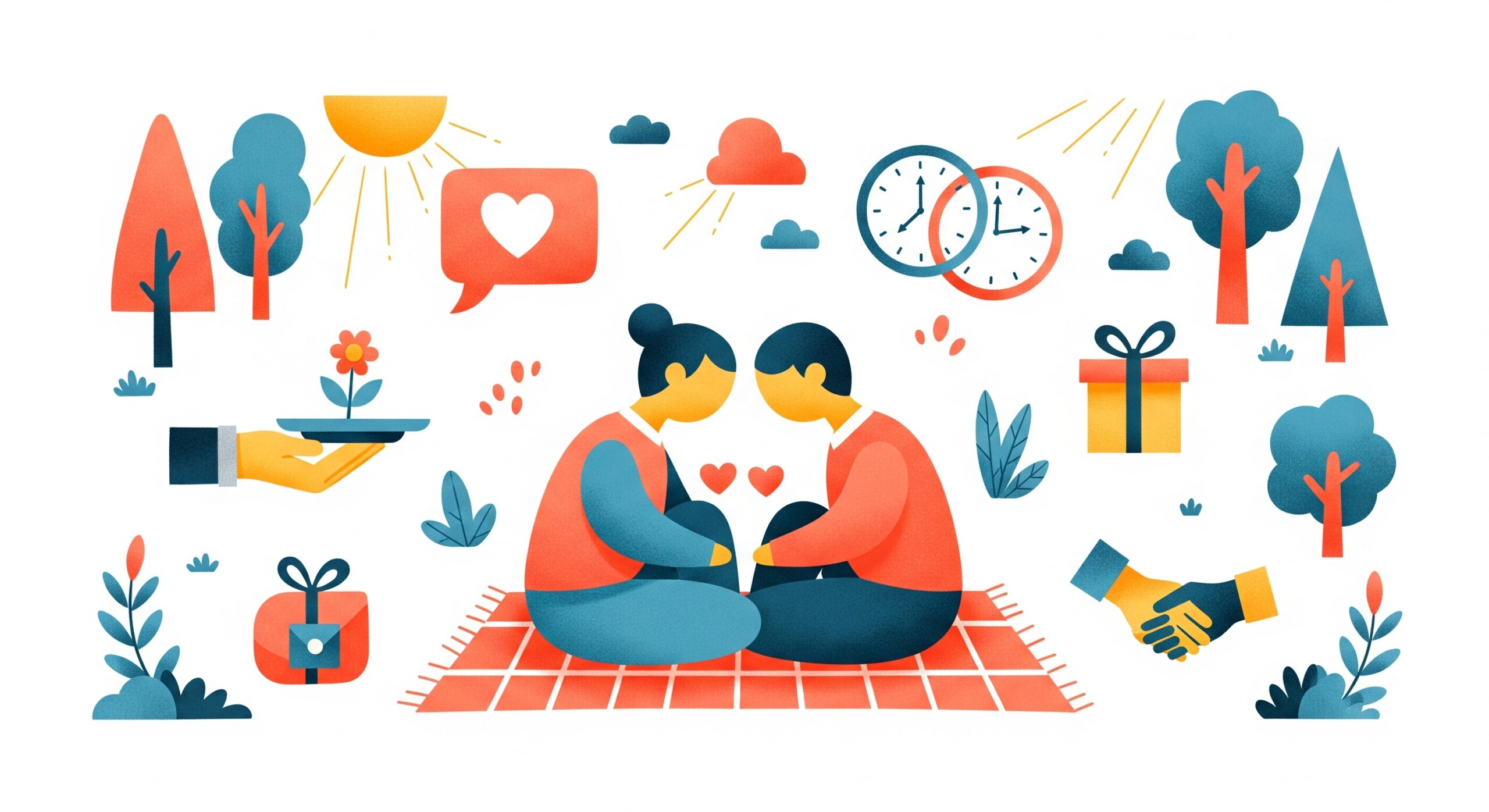
The 5 Love Languages Explained
1. Words of Affirmation
Verbal encouragement hits differently for some. Ms. Ayushi points out that words carry a heavy emotional weight for certain people due to a biological sensitivity to tone and language. For these individuals, verbal affirmation reassures them and strengthens their sense of safety.
However, there is often a deeper history involved. Ms. Ayushi notes that past verbal abuse can significantly increase sensitivity to words. For people who have experienced verbal harm, language shapes their emotional reality; while positive language heals, negative language can reactivate buried memories and past pain.
When past experiences keep getting triggered, it can show up as chronic trust issues even when the relationship is otherwise stable.
2. Quality Time
Here’s where most people trip up. Quality time isn’t about being in the same room while scrolling phones. It demands focused attention and meaningful engagement.
What does this actually look like in practice? Weekly date nights. Routine check-ins where you put devices away. Sharing hobbies deliberately. The absence of distractions signals commitment more powerfully than words.
3. Receiving Gifts
This love language often gets unfairly labelled as materialistic. Ms. Ayushi clarifies that it actually reflects how someone learned to associate tangible gestures with care. For these partners, a gift is a symbol of effort and proof that they were remembered.
In some cases, this preference is shaped by family dynamics. Ms. Ayushi observes that in families where emotional inconsistency or abuse existed, gifts might have been used for reconciliation. When affection only comes through material gestures during emotional unpredictability, the mind links physical tokens with emotional safety.
4. Acts of Service
Actions speak. For some partners, doing the washing-up without being asked communicates love more clearly than any declaration.
Common examples include cooking meals, running errands, and handling household tasks. The crucial element? Doing them willingly rather than from obligation. Intention separates an act of service from a chore.
5. Physical Touch
This extends beyond intimacy. Holding hands during a film, a spontaneous hug, a reassuring touch on the shoulder – these gestures create emotional connection for touch-oriented people. Oxytocin release from affectionate contact builds trust and safety in relationships.
If you want to understand why closeness matters beyond sex or romance, the guide on intimacy—meaning, types, and why it matters fits naturally here.
How to Use Love Languages in Your Relationships
Identifying Your Love Language
Understanding your own language requires reflecting on what consistently makes you feel valued. Ms. Ayushi suggests that your reactions offer the best clues—the moments that feel most meaningful to you reveal your primary emotional dialect.
Discovering Your Partner’s Love Language
Watch how they complain. What they criticise most reveals what they value. Also, pay attention to how they show affection to you. Ms. Ayushi notes that people usually give love in the way they wish to receive it. Observing these patterns helps decode their true emotional needs.
When the same misunderstandings keep circling, couples often find it easier to talk to each other when there’s an unbiased facilitator. Many people start with couples therapy.
Practical Ways to Express Love
- Words of Affirmation: Send spontaneous appreciation texts. Be specific about what you admire.
- Quality Time: Schedule uninterrupted conversations. Share activities they enjoy.
- Receiving Gifts: Note things they mention wanting. Surprise them thoughtfully.
- Acts of Service: Handle tasks they find draining. Do it without prompting.
- Physical Touch: Initiate non-sexual affection daily.
Common Mistakes to Avoid
The single most frustrating mistake? Projecting. Giving love in YOUR preferred language rather than your partner’s. Speaking your own dialect and wondering why they don’t understand.
Also avoid treating love languages as fixed. They evolve with life circumstances. And never use them for scorekeeping – “I did your love language twice this week” turns connection into competition.
Making Love Languages Work for You
Mastering how to express love through these types of love language requires ongoing attention, not one-time learning. Start by taking a love language test together, discuss the results openly and then commit to speaking each other’s language consistently.
When relationship stress starts affecting day-to-day functioning, working through it in counselling can help both partners regulate emotions and communicate more clearly. Book a session with a psychologist in South Delhi to improve communication patterns and reduce recurring conflict without turning love into guesswork.
Frequently Asked Questions
Can someone have more than one love language?
Absolutely. Most people have a primary and secondary love language. Focusing exclusively on one risks missing important needs.
Do love languages change over time?
Yes. Life phases, stress, and relationship dynamics influence what people need. Regular conversations about this prevent drift.
What if my partner and I have different love languages?
That’s common and manageable. Learn to speak their language even if it doesn’t come naturally. It’s a skill, not an instinct. When mismatched needs keep creating misunderstandings, couples often make faster progress with structured support. You should consider visiting a psychologist in Delhi to work on developing practical communication and emotional safety.


Anuroop Pokhriyal is a Content Specialist at BetterPlace Health. Before becoming one of BetterPlace’s first team members, he worked as a psychologist, content writer and marketer. He draws on his background in psychology to simplify complex mental health concepts and make them more accessible to readers. When he is not writing and optimising content, he enjoys playing badminton and making music.
Related Blogs