How to Choose the Best Psychiatrist in Delhi for Depression


Finding the right psychiatrist for depression isn’t just about picking a name from a directory and hoping for the best. It’s about matching with someone who understands your specific struggles, speaks your language (literally and figuratively), and has the expertise to guide you through one of life’s most challenging experiences.
Delhi has hundreds of mental health professionals, but when you’re dealing with depression, you need more than just credentials – you need the best psychiatrist in Delhi for depression who actually gets it.
Introduction to Mental Health
Mental health has finally started getting the attention it deserves in India’s capital, though we’re still playing catch-up with the demand. The stigma that once silenced conversations about depression and anxiety is slowly crumbling, replaced by a growing understanding that mental health is just as crucial as physical health. Maybe more so.
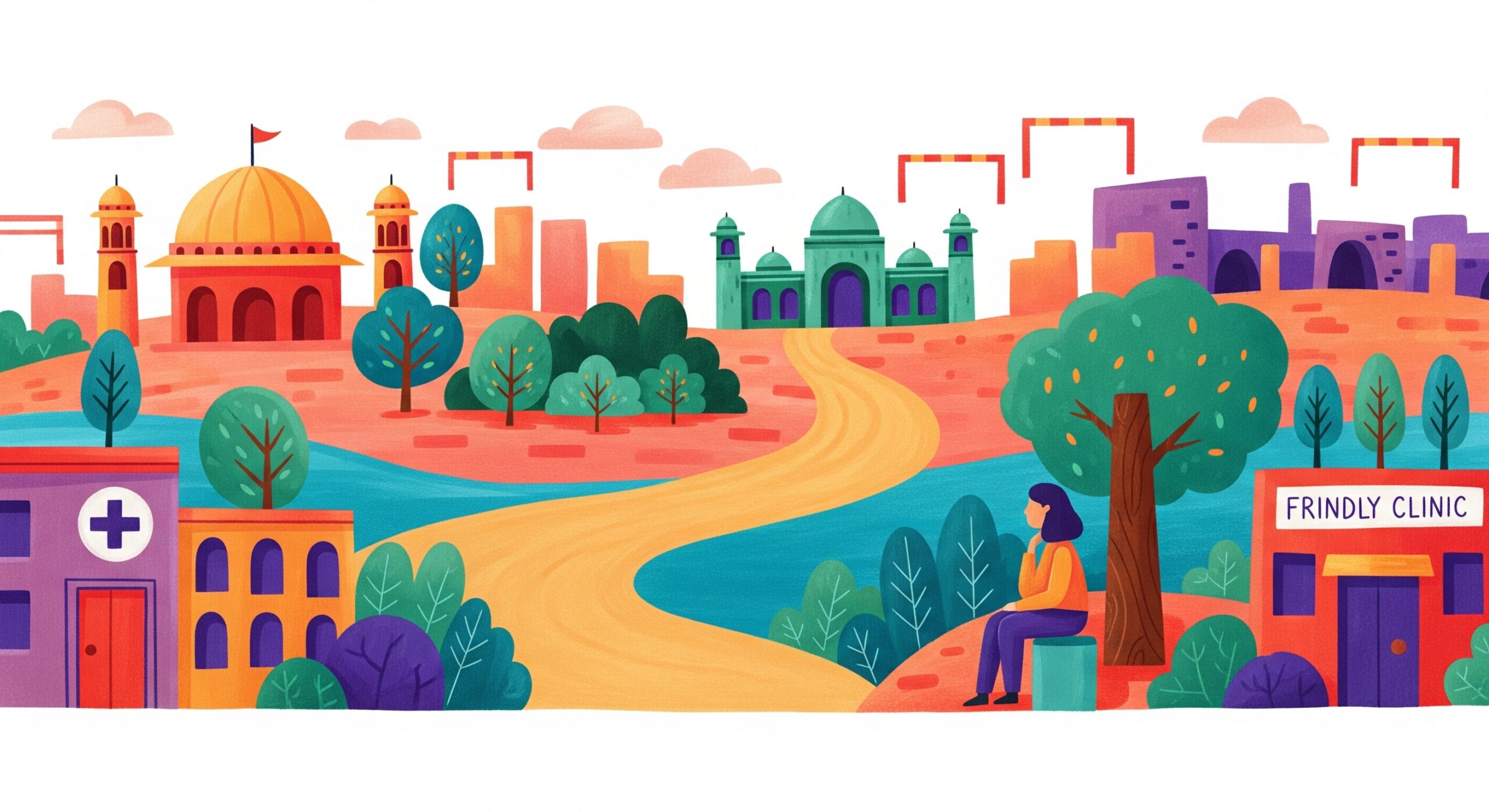
Delhi’s mental health infrastructure has evolved dramatically over the past decade. From the handful of government facilities to the current ecosystem of private clinics, specialised centres, and even telepsychiatry options, the choices can feel overwhelming when you’re already struggling. That’s exactly the problem – when depression has you feeling like you’re moving through fog, how do you navigate this complex healthcare maze to find the best doctor for depression?
Here’s what most people don’t realise: the relationship between you and your psychiatrist is fundamentally different from other medical relationships. You’re not just describing symptoms and getting a prescription (though medication might be part of it). You’re building a therapeutic alliance that could last months or years.
Types of Mental Health Disorders
Depression isn’t a monolith—it shows up differently for different people, and understanding these variations matters when choosing your psychiatrist.
- Major Depressive Disorder (MDD): This is what most people picture—persistent sadness, loss of interest in activities, changes in sleep and appetite.
- Persistent Depressive Disorder (Dysthymia): This is like living under a grey cloud for years—you are functioning, but never quite feeling right.
- Bipolar Disorder: Often misdiagnosed as depression because the manic episodes might be subtle or absent for long periods.
- Seasonal Affective Disorder (SAD): Hits when Delhi’s winter smog blocks out what little sunlight we get.
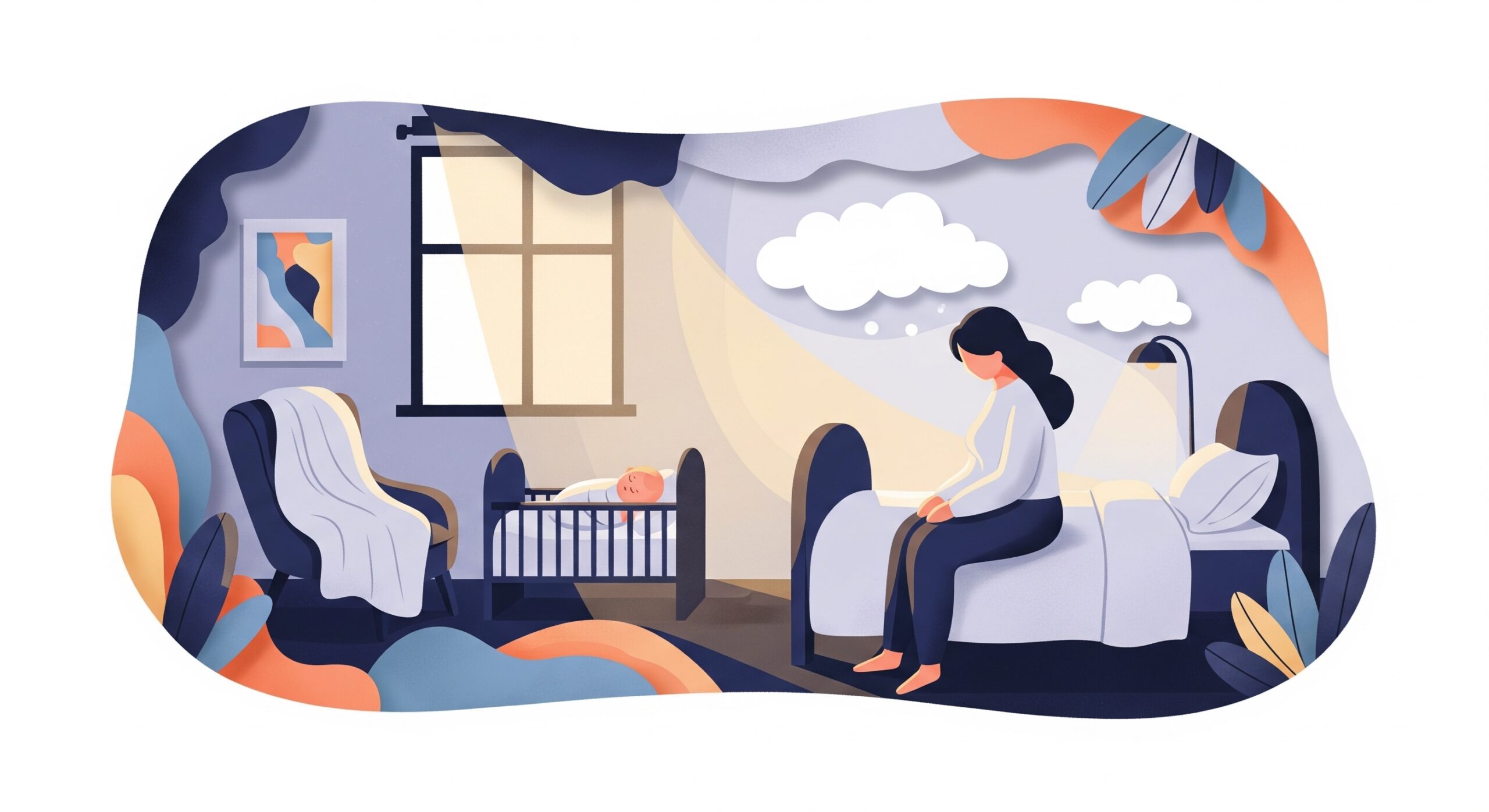
- Post-Partum Depression: Affects new mothers who are already dealing with massive life changes.
Where to Find the Best Psychiatrist in Delhi
Let’s cut through the noise. Delhi’s top psychiatrists aren’t necessarily the ones with the fanciest clinics in South Delhi (though some are). Start with the major hospitals – AIIMS, Safdarjung, and IHBAS (Institute of Human Behaviour and Allied Sciences) have excellent psychiatry departments. Yes, the wait times can be brutal, but these institutions often have specialists who’ve seen everything.
Private options cluster in specific areas. Vasant Vihar, Greater Kailash, and Saket house numerous mental health clinics. Gurgaon has become another hub, especially for professionals who prefer evening appointments. But here’s the insider tip: some of the best psychiatrists for depression in Delhi operate from modest clinics in neighbourhoods like Lajpat Nagar or Karol Bagh. Don’t judge by the address.
“The best psychiatrist isn’t always the most expensive one. Sometimes it’s the one who answers your panicked WhatsApp at 10 PM or remembers that you can’t tolerate certain medications.”
Online platforms like Practo and Lybrate have made finding psychiatrists easier, but take the reviews with a grain of salt. A five-star rating from three reviews means nothing. Look for consistent patterns in feedback – does the doctor listen? Do they rush through appointments? Are they accessible between sessions?
Key Factors to Consider When Selecting a Depression Psychiatrist in Delhi
This is where things get serious. Choosing the wrong psychiatrist isn’t just inconvenient – it can set your recovery back by months. These aren’t just nice-to-haves; they’re essential criteria that separate adequate care from exceptional depression treatment in Delhi.
Verify Professional Qualifications
An MBBS degree followed by an MD in Psychiatry is the baseline. Full stop. Some excellent psychiatrists also have DNB (Diplomate of National Board) qualifications. What you’re really looking for are additional certifications – maybe they’ve trained in Cognitive Behavioural Therapy (CBT) or have specialised in psychopharmacology.
Check if they’re registered with the Delhi Medical Council. It takes two minutes online and could save you from someone who shouldn’t be practising. Also look for memberships in professional bodies like the Indian Psychiatric Society. These aren’t just fancy letters after their name – active membership means they’re keeping up with the latest research and treatment protocols.
Check Experience with Depression
Years of practice matter less than relevant experience. A psychiatrist with five years focused entirely on mood disorders might be better than someone with twenty years treating everything under the sun. Ask directly: “How many patients with depression do you currently treat?” The answer tells you everything.
Look for someone who’s worked with cases similar to yours. If you’re dealing with depression alongside ADHD, find someone experienced in comorbidity. If previous medications haven’t worked, you need someone comfortable with treatment-resistant cases who won’t just keep throwing different SSRIs at the problem.
Assess Treatment Approach
Here’s where many people go wrong – they assume all psychiatrists work the same way. Some rely heavily on medication. Others combine medication with therapy. Still others might suggest lifestyle interventions first. None of these approaches is inherently wrong, but one might be wrong for you.
The best approach? Find someone who explains their treatment philosophy upfront. They should discuss:
- Whether they provide therapy themselves or refer out
- Their stance on medication (first line or last resort?)
- How they monitor progress and adjust treatment
- Their openness to complementary approaches
Red flag: any psychiatrist who promises quick fixes or seems married to one treatment method.
Consider Location and Accessibility
Depression makes everything harder, including travelling across Delhi’s traffic. That amazing psychiatrist in Dwarka won’t help if you live in Rohini and can barely get out of bed. Proximity matters more than you think.
But it’s not just about distance. Consider:
- Parking availability (sounds trivial until you’re circling blocks while anxious)
- Metro connectivity
- Clinic hours that work with your schedule
- Availability of telepsychiatry options for follow-ups
Some psychiatrists now offer hybrid models – in-person first consultations followed by online sessions. This can be perfect if you’ve found the right doctor but they’re not conveniently located.
Evaluate Communication Style
This might be the most important factor, yet it’s often overlooked. You need someone who makes you feel heard, not judged. During your first interaction (even if it’s just scheduling an appointment), notice: Do they seem rushed? Do they interrupt? Do they explain things in a way you understand?
Cultural sensitivity matters too. If you’re more comfortable discussing certain topics in Hindi or prefer a female psychiatrist, honour those preferences. Depression is hard enough without forcing yourself to fit into someone else’s communication style.
The best psychiatrists create a space where you feel safe being vulnerable. They remember details from previous sessions and check in on specific concerns. Basically, they make you feel like a person, not a diagnosis.
Conclusion
Finding the best psychiatrist in Delhi for depression isn’t about ticking boxes or choosing the most qualified person on paper. It’s about finding someone who combines expertise with empathy, accessibility with availability, and professional competence with personal connection.
Making Your Final Decision
Trust your instincts after that first appointment. Did you leave feeling hopeful, or more confused? Were your concerns addressed, or did you feel rushed through a checklist? The right psychiatrist won’t make depression disappear overnight, but they should make you feel like recovery is possible.
Remember: it’s okay to switch if it’s not working. Too many people stick with a psychiatrist who isn’t helping because they don’t want to seem difficult. Your mental health is too important for politeness. Give it a fair shot – maybe three to four sessions – but if you’re not seeing any progress or feeling heard, move on.
Start your search systematically. Make a shortlist based on the criteria that matter most to you. Book consultations with your top three choices if possible. Yes, it might cost more initially, but finding the right match early saves money and suffering in the long run. Depression is treatable, and with the right psychiatrist guiding your journey, recovery isn’t just possible – it’s probable.
Frequently Asked Questions
There’s no universal timeline, but most people see initial improvements within 4-6 weeks of starting treatment. Full recovery might take 6-12 months. Honestly though? Some people need longer, and that’s completely normal. The key is consistent progress, not speed.
Absolutely. You’re not married to your psychiatrist. If after giving it an honest try (usually 3-4 sessions), you’re not feeling the connection or seeing progress, switching is not just okay – it’s recommended. Just request your medical records for continuity of care.
Depends on your specific needs. Psychiatrists can prescribe medication and are medical doctors, while psychologists focus on therapy. For moderate to severe depression, you might need both. Many people start with a psychiatrist who can then refer to a psychologist if needed.
Don’t go in blind. Ask about their experience with your type of depression, their treatment approach, how they handle emergencies, their communication preferences between sessions, and what they consider success. Also ask about costs upfront – nothing worse than financial stress adding to depression.


Anuroop Pokhriyal is a Content Specialist at BetterPlace Health. Before becoming one of BetterPlace’s first team members, he worked as a psychologist, content writer and marketer. He draws on his background in psychology to simplify complex mental health concepts and make them more accessible to readers. When he is not writing and optimising content, he enjoys playing badminton and making music.
Related Blogs