Postpartum Depression Explained: Symptoms, Causes, and More


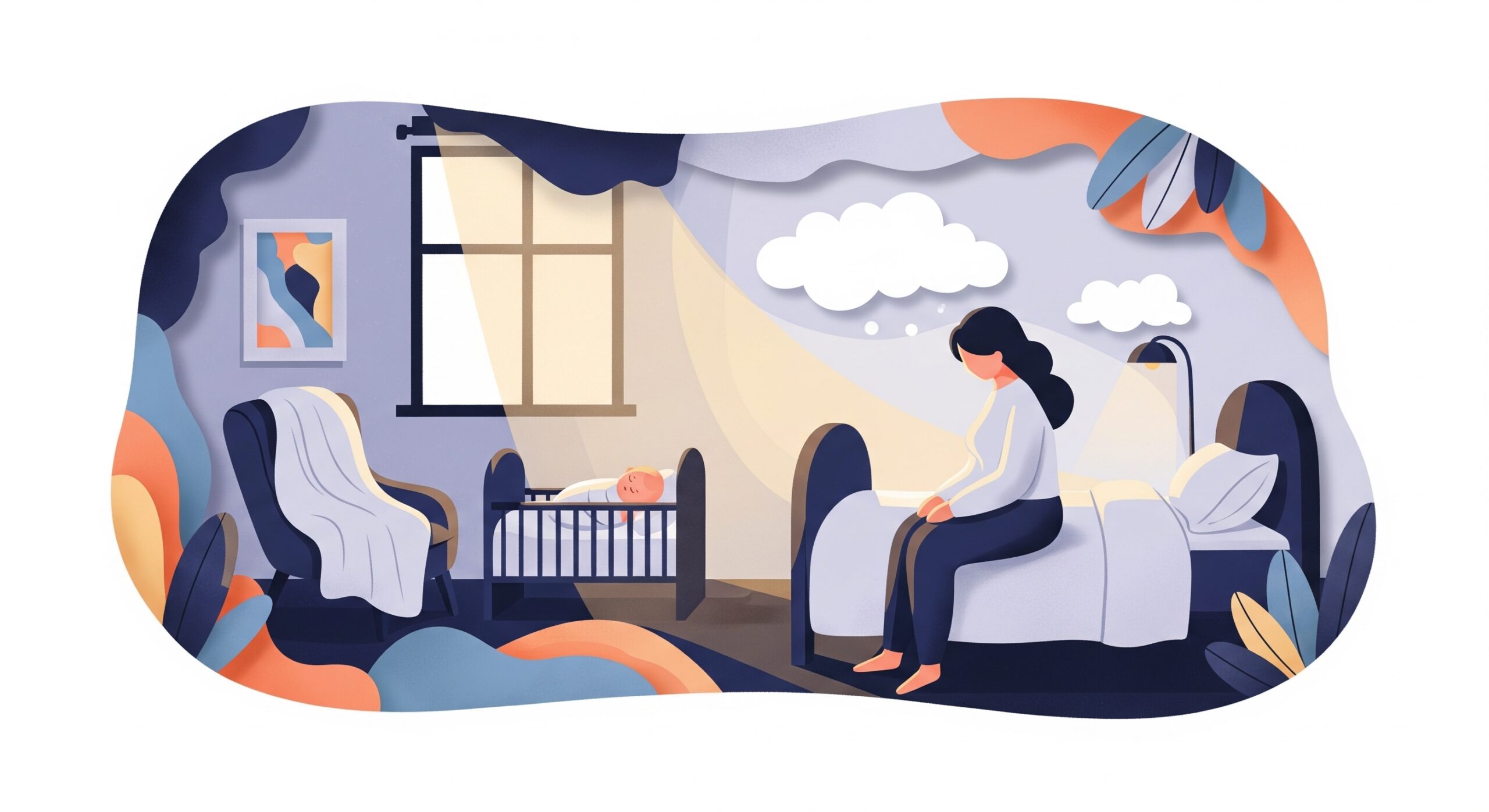
Everyone talks about the joy of new motherhood. The tiny fingers, the first smile, the overwhelming love. What the glossy images don’t show is the crushing weight some mothers feel – a heaviness that goes far beyond tiredness.
Postnatal depression isn’t weakness or a character flaw. Its basically a medical condition that deserves the same attention as any physical illness after birth.
What Is Postpartum Depression?
Postpartum depression is a serious mood disorder that affects parents after childbirth. Unlike the “baby blues”—that brief period of tearfulness and mood swings in the first two weeks—postpartum depression symptoms persist and intensify.
Ms Ayushi Paul, clinical psychologist at BetterPlace, explains it to mothers who may feel ashamed or confused as a treatable condition that is actually very common. If you feel a deep disconnect with your child, a sense of hopelessness, or find yourself unable to take care of yourself or the baby, it is a clear sign to seek professional care. There is zero need for shame or self-blame; your brain is simply navigating a clinical hurdle.
If you’re unsure where to begin, consulting a mental health doctor in Delhi or accessing structured mental health services in Delhi can help you understand your symptoms and begin treatment.
Key Symptoms of Postpartum Depression
Emotional Symptoms to Watch For
The emotional toll can be brutal. Ms. Ayushi notes that families often overlook symptoms like a loss of interest in activities or excessive crying, assuming it’s just “new parent stress.” You might experience:
- Persistent sadness or emptiness that doesn’t lift.
- Feeling disconnected from your baby (this is a major red flag).
- Intense irritability, mood swings, or rage.
- Cognitive impairment, feeling like your brain is in a fog.
Immediate Help Needed: Thoughts of harming yourself or your baby. If this happens, do not wait; reach out for help right away through a mental health clinic in Delhi or emergency services.
Physical Signs of Postpartum Depression
Physical symptoms often include severe fatigue that sleep doesn’t fix, changes in appetite, and disturbed sleep patterns, even when the baby is finally asleep. Some mothers describe a physical heaviness.
Causes of Postpartum Depression
The roots of this condition are a mix of biology and circumstance:
- Hormonal and Biological Factors: After delivery, estrogen and progesterone levels plummet. This hormonal crash, combined with genetic factors, can trigger significant mood changes.
- Traumatic Births: A stressful or complicated delivery—like an emergency C-section—increases risk. The body remembers the trauma even if the mind tries to move on.
- Sleep Deprivation: Chronic exhaustion isn’t just a side effect; Ms Ayushi highlights it as a primary driver of the disorder.
- Mental Health History: If you’ve struggled with depression or anxiety before, your system is more vulnerable now.
- Lack of Support: Isolation is dangerous. Financial worries, relationship strain, or simply not having a helping hand at home compounds the struggle.
Relationship challenges and major life stressors
Financial worries, relationship strain, bereavement and moving house during the perinatal period all compound vulnerability.
Postpartum Depression Treatment Options
Psychological therapies
Therapy is often the first line of treatment. Approaches like Cognitive Behavioural Therapy (CBT) and interpersonal therapy work brilliantly. They help you identify negative thought patterns and restructure how you process the massive life shift of parenthood.
You can access these through psychology services or work with a psychologist in South Delhi for personalised care.
Medication options
Antidepressants can be prescribed safely, even if you are breastfeeding. Beyond meds, there is something powerful about peer support. Sitting with others who truly “get it” provides the validation you won’t find in a textbook. You should always consult a psychiatrist for medication.
Support groups and peer support
There’s something powerful about sitting with others who truly understand. Peer support groups provide both validation and practical tips.
Lifestyle Changes
Don’t underestimate the basics. Physical activity, nutritious food, and periodic rest all support recovery. These are often integrated into structured counselling plans.
Moving Forward with Postpartum Depression Recovery
Recovery isn’t linear. Some days feel lighter; others knock you sideways. But as Ms Ayushi emphasizes, this is a treatable condition. Asking for help isn’t a sign that you are a bad mother—it is the bravest thing you can do for your child and yourself.
FAQ's of Postpartum Depression Treatment
Without treatment, it can persist for months or longer. With appropriate support, many people improve within weeks to months.
Absolutely. Partners can develop postnatal depression too. It’s not exclusive to the birthing parent.
Ms Ayushi clarifies that baby blues are general, mild, and resolve quickly. Postpartum depression is a serious mood disorder that is intense and requires immediate professional intervention, often through psychiatry and therapy combined.
If symptoms last beyond two weeks, intensify, or include thoughts of self-harm – seek help immediately. Don’t wait.


Anuroop Pokhriyal is a Content Specialist at BetterPlace Health. Before becoming one of BetterPlace’s first team members, he worked as a psychologist, content writer and marketer. He draws on his background in psychology to simplify complex mental health concepts and make them more accessible to readers. When he is not writing and optimising content, he enjoys playing badminton and making music.
Related Blogs