
Nomophobia (Fear of Being Without Your Phone): Symptoms and Treatment


Many people find it difficult to imagine getting through a day without their smartphone. We use these devices for everything from waking up in the morning to staying in touch with friends.
While having a phone is helpful, you might notice a sharp feeling of panic if you ever leave it at home or if the battery dies. This modern type of worry has become so common that experts have given it a specific name.
What is Nomophobia?
Nomophobia is the intense fear or discomfort that arises when someone does not have access to their phone. The word comes from the phrase “no-mobile-phone phobia.” Ms Ayushi Paul, clinical psychologist at BetterPlace, explains that being without a phone feels threatening because our devices now hold our schedules, alarms, banking, tasks, and social lives.
Your phone acts like a security blanket. Ms. Ayushi notes that when people miss out on social media updates, they feel disconnected, and that disconnection affects their identity. Connection with others becomes deeply linked with who you believe yourself to be. Essentially, you are worried about losing your connection to others, your source of information, and your sense of control over the world.
How Common Is It?
Research shows that between 40% and 70% of people feel some level of nomophobia. Ms. Ayushi points out that constant availability creates immense pressure. As societal expectations rise, our internal expectations rise with them. We all have a limited emotional bandwidth, and when it stretches too far, anxiety develops.
This is compounded by the struggle between the “real self” (what you can genuinely do) and the “ideal self” (the image you present to the world). Phones increase the pressure to maintain that ideal image, making you fear being left out or labelled as a failure if you slow down.
Key Symptoms of Nomophobia
Physical Symptoms
When you realise your phone is missing, your body reacts as if you are in danger. You might experience:
- A racing heart or chest pains.
- Sweaty palms.
- Trouble breathing.
- Shaking or trembling.
- A sick feeling in your stomach.
These sensations are similar to what happens during panic responses, which are explained in more detail in our guide on panic attacks and physical anxiety symptoms.
Expert’s Insight:
Ms. Ayushi explains that this happens because phones are embedded in our daily routines from the moment we wake up until we fall asleep. Furthermore, a phone contains valuable bank details, personal memories, and communication history. Losing it feels like losing a piece of expensive jewellery or something deeply precious.
Emotional and Psychological Signs
Notifications feel rewarding because likes, messages, and comments create a sense of reassurance and approval. They validate the image you present to the world. Ms. Ayushi notes that people begin to rely on these digital signals to feel connected and valued. You may become grumpy or lonely if you cannot check your notifications, even when you are physically with other people.
Behavioural Patterns
There are several habits that show a strong mobile phone dependency:
- Checking your phone the second you wake up.
- Take a charger everywhere you go.
- Sleeping with your phone under your pillow.
- Using your phone during meals or private conversations.
Ms. Ayushi makes a distinction between a habit and a compulsion. Habits, like tapping a foot, usually happen unconsciously. However, compulsions begin with a conscious, obsessive thought. With nomophobia, the phone check stops being a neutral habit and becomes an anxiety-driven behaviour performed to reduce distress. The brain becomes hypervigilant, constantly anticipating alerts even when there are none.
Impact on Daily Life
Nomophobia affects social presence, sleep, attention, and emotional regulation. Instead of engaging in activities, your attention remains tied to the device. The blue light from your screen also keeps your brain awake, worsening your sleep quality. If sleep disruption becomes regular, it can contribute to insomnia and sleep difficulties.
Effective Treatment Approaches for Nomophobia
Cognitive Behavioural Therapy (CBT)
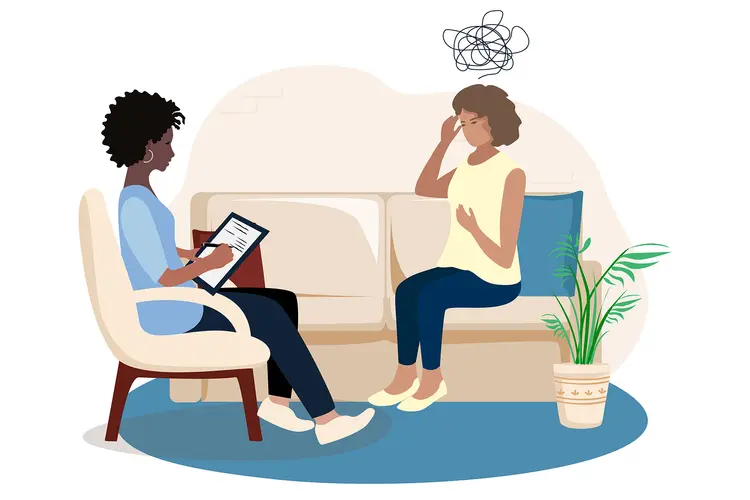
Ms. Ayushi explains that treatment begins with psychoeducation and building insight. Cognitive Behavioural Therapy (CBT) helps you challenge irrational beliefs, reduce compulsive checking, and develop healthier boundaries with technology. If you are looking for structured emotional support, working with trained counselling psychologists in Delhi can help you build practical coping skills.
Digital Detox Strategies
Ms. Ayushi suggests planning what to do during your detox, like going for walks, meeting friends, or engaging in hobbies, rather than just removing the phone. One practical tip is to use two devices: a basic phone for calls and a smartphone strictly for social media. This reduces the temptation to scroll immediately after every call. Structured support through psychology services can make these changes easier to maintain.
Mindfulness and Relaxation
Mindfulness helps you notice the urge to check your phone without automatically reacting to it. Relaxation techniques reduce the physical anxiety you feel during phone-free moments.
Medications
In serious cases where anxiety disrupts your sleep or biological routines, a doctor might suggest medicine. Ms. Ayushi notes that this supports therapy when symptoms feel overwhelming, and lifestyle changes are not enough on their own. You can also consider consulting an experienced psychiatrist in Delhi, who can help determine whether medical support alongside therapy would be beneficial.
Creating Healthy Phone Boundaries
Practical rules can change your life:
- Make certain areas of your home phone-free zones.
- Turn off non-essential notifications.
- Turn your screen to grayscale mode to make it less visually exciting.
- Set structured daily detox periods and intentional offline activities.
When to Seek Professional Help
Ms. Ayushi advises seeking help if phone anxiety affects your sleep, mood, work, relationships, or concentration. If you are experiencing panic attacks or cancelling plans because you are worried about your battery, early intervention can prevent deeper anxiety patterns from forming. You can speak with a psychologist in Gurgaon if that location is more convenient for you.
FAQ's of Nomophobia
It is very common due to their increased dependence on devices for identity and social connection.
Yes, it can contribute to general anxiety, depression, and significant trouble sleeping.
It varies by person and depends on how much your life currently revolves around the device.
No. Ms. Ayushi suggests that for many, mindful use and a balanced relationship work better than total removal.


Anuroop Pokhriyal is a Content Specialist at BetterPlace Health. Before joining BetterPlace, he worked as a psychologist, content writer and marketer. He draws on his background in psychology to simplify complex mental health concepts and make them more accessible to readers. When he is not writing and optimising content, he enjoys playing badminton and making music.
Related Blogs