
Panic Attack vs Anxiety Attack: Causes, Symptoms & Treatment


Many people use the terms “panic attack” and “anxiety attack” as if they are the same thing. While they both feel incredibly stressful, they are actually two different experiences.
Understanding the difference is important because it helps you know exactly what your body is going through. When you can name what you are feeling, you can find the right tools to handle it. Whether you are dealing with a sudden surge of fear or a slow build-up of worry, knowing the facts can make these moments feel much less scary.
Panic Attack vs. Anxiety Attack: Meaning
While these terms are often used interchangeably, they represent different types of emotional and physical distress. Understanding the core meaning of each helps you identify which one you are experiencing.
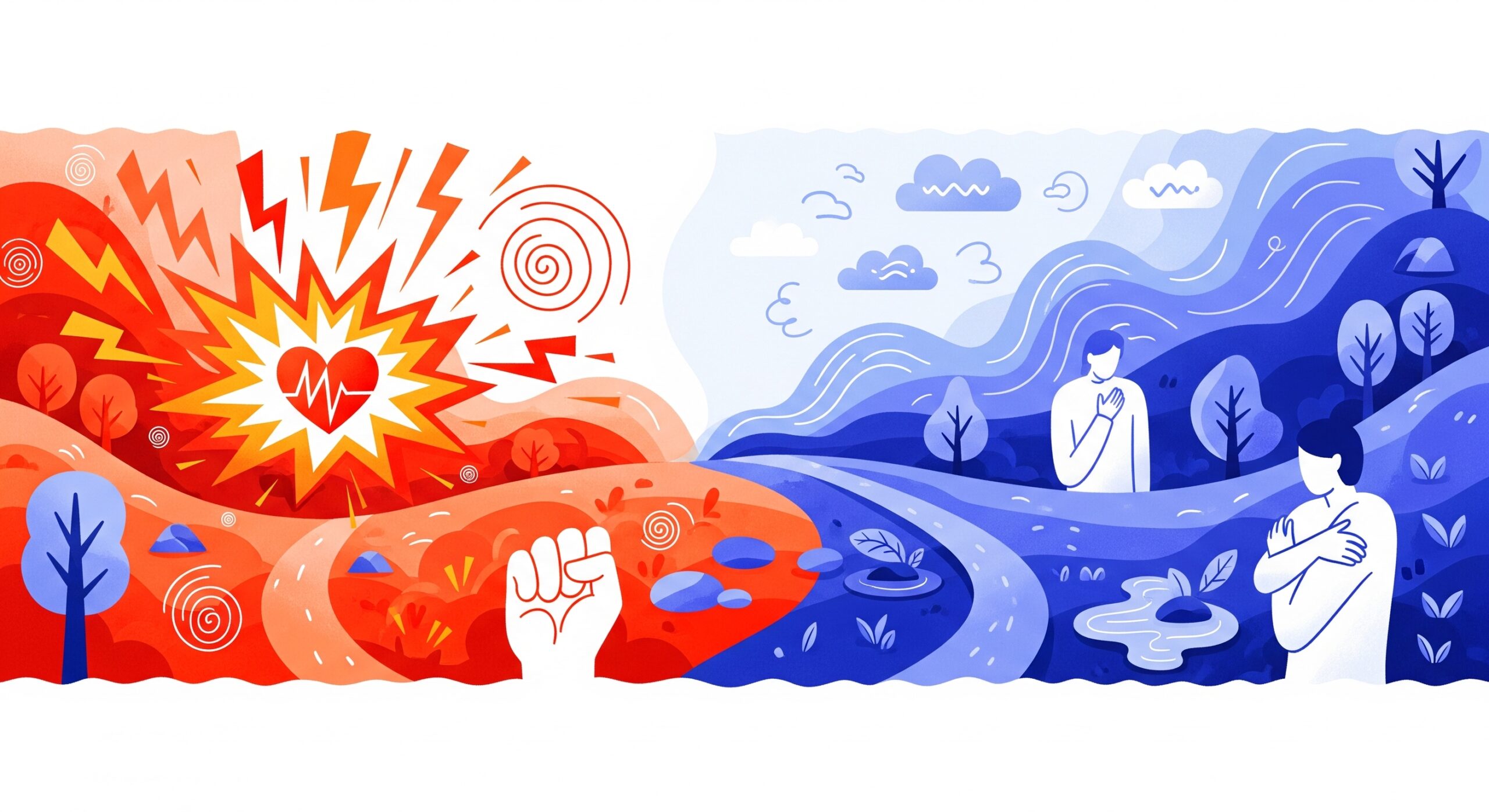
- Panic Attack: Ms Lovleena Sharma, Clinical Psychologist at BetterPlace, describes a panic attack as a “psychological arrest.” This is a sudden and intense surge of fear that peaks within minutes. It is a “false alarm” where your body’s survival system enters a state of extreme terror, even when there is no actual danger. It feels like an explosive, short-lived crisis that overwhelms your senses.
- Anxiety Attack: This is a period of persistent, escalating worry and distress. It is a “slow-building” response to a specific stressor or threat in your life. Instead of a sudden explosion, it feels like a heavy weight of dread that grows over time and lingers, keeping you on edge for much longer than a panic attack.
Panic Attack vs. Anxiety Attack: In a Nutshell
| Feature | Panic Attack | Anxiety Attack |
| Onset | Sudden; peaks in minutes | Gradual; builds over time |
| Duration | Short-lived but intense | Slightly longer duration |
| Triggers | Often no identifiable trigger | Usually linked to a specific stressor |
| Intensity | Extremely intense symptoms | Not as intense as panic |
| Core Feeling | Fear of impending doom or dying | General restlessness and helplessness |
Anxiety Attack vs Panic Attack: Symptoms
The physical sensations can overlap, but Ms Sharma explains that for anxiety attack vs panic attack symptoms, people tend to notice the symptoms they fear or relate to most. For example, if you fear heart issues, you might notice palpitations before anything else.
Panic Attack Symptoms
In a panic attack, your body’s emergency alarm is screaming. Ms Sharma notes that while short-lived, the symptoms are incredibly intense and include:
- Heart and Blood Pressure: A racing heart and high blood pressure.
- Physical Sensation: Numbing or coldness in the limbs.
- Breathing: Restlessness and breathing problems.
- Mental State: An overwhelming fear of impending doom, often feeling like “I might die right now”.
Anxiety Attack Symptoms
In an anxiety attack, the mind is stuck in a loop of worry. You might experience these specific panic attack vs anxiety attack symptoms:
- Emotional State: A general heightened restlessness and a feeling of momentary helplessness.
- Physicality: Increased frequency of attacks and physical tension.
- Cognitive Load: Fixation on the problem or a hyper-vigilance about having another attack.
- Behavioural Changes: You might find that “avoidance” starts kicking in as a way to cope with the distress.
Panic Attack vs Anxiety Attack: Causes
Panic Attack Causes
These episodes are often described as a “psychological arrest” and frequently occur without a specific external reason:
- Unprovoked Nature: Panic attacks do not always have an identifiable trigger, which is their main descriptive factor.
- Biological and Genetic Factors: Your biology or a family history of panic disorder can make the brain’s “panic button” more sensitive.
- Psychological Origins: While the symptoms mimic a physical cardiac arrest, the cause is entirely psychological in nature.
Anxiety Attack Causes
Unlike panic, anxiety episodes follow a clear “storyline” and build up over time:
- Identifiable Triggers: Anxiety episodes almost always have a specific trigger, such as chronic stress at work or home.
- Nocturnal Triggers: They can occur at night if a person wakes from a bad dream and cannot immediately distinguish reality from the dream-like state.
- Physical-to-Mental Triggers: Waking up with physical symptoms like acidity or gastric distress can cause the brain to jump to the worst possible outcome, such as a heart attack, triggering an episode.
- Traumatic History: A history of traumatic experiences can lower your threshold for these attacks.
- Substance Use: Withdrawal from alcohol or certain medications can act as a direct cause.
When your brain keeps spinning on worst-case outcomes, it can help to recognise the pattern as overthinking rather than “proof” that something is wrong.
Panic Attack vs. Anxiety Attack: Diagnosis
When seeking clarity, it is important to understand that these are not formal mental health disorders; rather, they are considered mental health conditions or clinical phenomena. Ms Lovleena Sharma, Clinical Psychologist at BetterPlace, notes that while “panic attack” is a specific clinical term, “anxiety attack” is a more colloquial description of intense distress.
A doctor will ask you about your symptoms and conduct tests to rule out other health conditions with similar symptoms, such as heart disease or thyroid problems. This is crucial because a panic attack is the “closest approximation to a cardiac arrest” but is “psychological in nature”.
To get a diagnosis, a doctor may:
- Conduct a physical exam to assess your general health.
- Order blood tests to check for underlying issues like thyroid imbalances.
- Order a heart test, like an electrocardiogram (ECG or EKG) to distinguish between a “psychological arrest” and a physical one.
- Recommend a psychological evaluation or questionnaire to identify “fear of impending doom” or “heightened restlessness”.
Ms Sharma emphasises that you should seek help as soon as possible, as waiting while feeling scared or confused only prolongs your suffering. When symptoms are recurring, and you want clarity beyond guesswork, structured assessments can help document patterns across panic symptoms, anxiety cycles, and stress reactivity.
Panic Attack vs Anxiety Attack: Treatment
Because the timing and nature of these attacks differ, panic attack vs anxiety attack treatment requires specific grounding techniques that engage all five senses to pull your focus back to reality.
Immediate Relief Techniques
- Tactile (Touch): Touch the lines on your hand and feel each groove to bring focus back to your skin.
- Visual: Choose one colour and look for five things in your current environment that match it.
- Audio: Use humming to create a grounding internal sound.
- Smell: Find anything near you with a scent and focus on it.
- Taste: Use a strong taste, like a mint, to change your overall sensory experience.
- Breathing: Ensure your exhale is longer than your inhale to signal your nervous system to calm down.
For super-fast tools you can use discreetly, these micro-interventions for anxiety work well during the first wave of symptoms.
Long-Term Therapy Solutions
Panic attack vs anxiety attack treatment often requires a professional approach to address both the physical and psychological roots of the distress.
- Cognitive Behavioural Therapy (CBT): This is the most effective therapy for both conditions, helping you address the “hyper-vigilance” of fearing future attacks and stopping “avoidance” behaviours.
- Exposure Therapy: This is specifically helpful for panic, teaching you that the physical sensations of an attack are not actually dangerous.
Medication Strategies
- Long-term Balance: A doctor may prescribe SSRIs (Selective Serotonin Reuptake Inhibitors) to manage the neurochemical imbalances that lead to frequent episodes.
- Short-term Relief: For sudden, intense panic, short-term medications can be offered to quickly stop acute physical symptoms.
When medication decisions are part of care (especially if attacks are frequent), a psychiatry specialist ensures the plan is safe and matched to your symptoms.
When to Seek Professional Help
Ms Sharma emphasises that you should seek help as soon as possible, as waiting while feeling scared and confused only prolongs your suffering. While these attacks are not usually dangerous, you should seek emergency care if you have chest pain or if you cannot tell the difference between reality and a dream-like state. Therapy is not just to “fix” a problem; it is a tool to improve your overall quality of life.
If you’re looking for structured anxiety treatment in Gurgaon, consider seeking help from a psychologist in Gurgaon.
FAQ's of Panic Attack vs Anxiety Attack
Yes. You may experience a high frequency of both, leading to hyper-vigilance and avoidance.
Anxiety episodes generally have a slightly longer duration than panic attacks, though their symptoms are typically less intense.
Stay calm and help them use grounding techniques like focusing on tactile sensations or identifying colours in the room. Remind them that even though it feels like a cardiac arrest, it is psychological in nature and will pass shortly.
Neither is inherently more serious. Panic attacks feel more immediately threatening but are brief. Anxiety attacks cause longer-term distress. Both deserve proper treatment and support.
Teenagers might express panic through behavioural changes – suddenly refusing school, avoiding friends, or developing physical complaints like stomach aches. They’re less likely to articulate the fear of dying but more likely to worry about embarrassment or losing control in front of peers.


Anuroop Pokhriyal is a Content Specialist at BetterPlace Health. Before becoming one of BetterPlace’s first team members, he worked as a psychologist, content writer and marketer. He draws on his background in psychology to simplify complex mental health concepts and make them more accessible to readers. When he is not writing and optimising content, he enjoys playing badminton and making music.
Related Blogs