5 Signs You’re in a Toxic Relationship & How to Cope with it


Relationships should be a space where you feel safe and loved. Ideally, being with someone else makes you feel stronger and more confident.
However, sometimes a relationship can start to feel heavy or confusing. Instead of bringing you joy, it might leave you feeling tired and unsure of yourself. It is important to look at your connections honestly to make sure they are actually good for you. Learning the difference between a rough patch and an unhealthy relationship is the first step toward protecting your peace.
What is a Toxic Relationship?
A toxic relationship is a connection that consistently drains your energy rather than supporting you. It is built on things like control and chaos instead of mutual respect. Ms Lovleena Singh, clinical psychologist at BetterPlace, explains that toxicity develops when one partner keeps gaslighting, emotionally manipulating, and invalidating the other person’s emotions and decisions. Over time, this leads to a diminished sense of self.
Toxicity can be very quiet at first. Ms. Lovleena notes that toxic behaviour, such as gaslighting, often shows up subtly. This is where a partner twists reality until you question your own feelings. The person showing these patterns might behave “hot and cold.” While they manipulate and control decision-making, the person on the receiving end often suffers from constant self-doubt, low self-esteem, and overthinking. Essentially, if a healthy relationship helps you grow, a toxic one keeps pulling you down until your life starts revolving entirely around the partner.
Types of Toxic Relationship Patterns
Unhealthy dynamics can develop in any bond, whether it is with romantic partners, family, friends, or coworkers. Ms. Lovleena points out that certain traits and situations significantly increase the risk of these patterns:
-
Personality Traits: Ms. Lovleena explains that people who display extreme mood swings, self-harm tendencies, or controlling behaviours often struggle to maintain healthy and stable connections.
-
Power Imbalances: Unfair dynamics often stem from traditional gender roles or financial control. This creates a situation where one person feels entitled to dominate and make all the decisions for the other.
-
Family Dynamics: Toxic patterns in families are often the most difficult to manage. Ms. Lovleena notes that you cannot easily walk away or distance yourself from these people, which adds to the stress.
-
Emotional Attachment: In romantic relationships, deep feelings often cloud your judgment. This emotional bond makes it hard to detach and see the truth of the situation clearly.
5 Signs You Are in a Toxic Relationship
1. Constant Criticism and Belittlement
There is a big difference between a partner helping you grow and a partner tearing you down. Ms. Lovleena explains that over time, repeated criticism wears you down. Your partner keeps questioning your choices and feelings until you believe their version of you more than your own. These are classic signs of toxic relationship dynamics where you are made to feel small, and this emotional erosion can sometimes contribute to depression.
2. Emotional Manipulation and Gaslighting
Gaslighting is a way to make you doubt your own memory and feelings. You might start thinking, “Maybe I am overreacting” or “Maybe it is my fault.” Ms. Lovleena emphasises that in these cases, the confusion itself becomes the tool for the other person to control you.
3. Isolation from Friends and Family
A toxic person often wants to keep you away from people who might help you. They want your attention centred entirely on them so you only listen to their perspective. Over time, your world shrinks until you stop seeing the people who truly care about you.
4. Walking on Eggshells Daily
This is a physical feeling of staying alert all the time. You avoid saying or doing anything that may trigger your partner’s bad mood. You spend all your energy preventing fights rather than being yourself. You focus entirely on their happiness just to keep a temporary sense of peace.
5. Physical or Verbal Aggression
Shouting, insults, and threats are clear signs of danger. Ms. Lovleena warns that even if it happens only occasionally, it destroys safety and trust. Bad behaviour usually gets worse over time, and you should never wait for it to get more dangerous before taking it seriously.
How to Overcome a Toxic Relationship?
1. Acknowledge the Patterns
Naming the behaviour helps you stop blaming yourself. Ms. Lovleena suggests that recognising the pattern allows you to stop the self-blame. Admitting that someone you love is hurting you is a sign of immense strength.
2. Build Your Support System
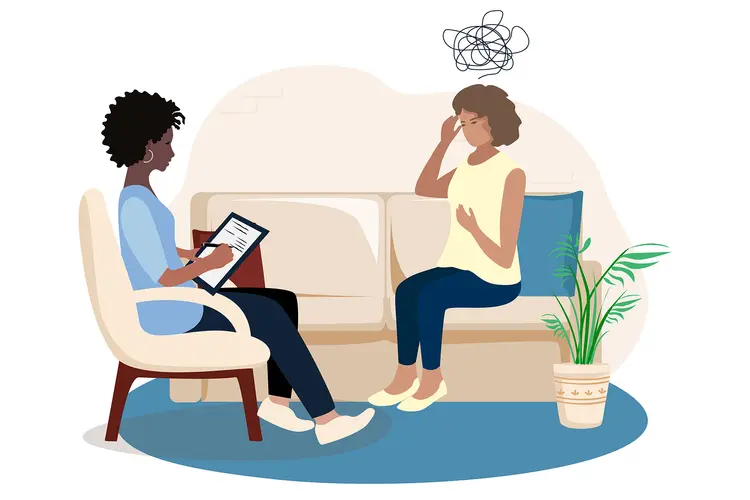
Talk to trusted friends, family, or a therapist. Having support helps you gain clarity and reminds you of who you were before the relationship began. Speaking with experienced counselling psychologists in Delhi can give you a safe space to process your emotions and rebuild your confidence.
3. Set Clear Personal Boundaries
Decide what behaviour you will no longer tolerate and communicate this calmly and consistently. For example, you might decide to leave the room if the other person starts calling you names. Boundaries are simply rules for how you expect to be treated. Therapy approaches like cognitive behavioural therapy can help you challenge guilt, overthinking, and fear that make it hard to enforce boundaries.
4. Create a Safety Exit Plan
If the relationship becomes unsafe, you need a plan. Ms. Lovleena advises planning exactly where to go, whom to call, and how to protect yourself. Keep your important documents and some money in a safe place so you can leave quickly if you need to. If emotional distress begins affecting sleep, appetite, or daily functioning, consulting experienced psychiatrists in Delhi can help stabilise your mental health while you navigate major decisions.
Structured recovery often involves both emotional support and clinical care through integrated counselling services and, when required, medical guidance through psychiatry services.
Moving Forward
Healing takes time. You learn to trust yourself again and rebuild your confidence. Ms. Lovleena notes that recovery means choosing environments that respect you. Working with a therapist is very helpful during this time to understand the patterns that kept you stuck and help restore your sense of agency.
FAQ's about Toxic Relationship
Ms. Lovleena says that sometimes this is possible, but only if the partner recognises their behaviour, stays open to understanding it, and genuinely works on it through therapy. It remains a conscious choice.
Normal conflicts stay respectful. People stay mindful of what they say and discuss the current issue instead of attacking the person. In toxic relationship arguments, the goal is often to hurt and pull the other person down.
Ms. Lovleena suggests doing so with clarity. First, identify the patterns and share how their behaviour affects you instead of blaming or accusing. If they agree to work on it, professional help can support you both.


Anuroop Pokhriyal is a Content Specialist at BetterPlace Health. Before becoming one of BetterPlace’s first team members, he worked as a psychologist, content writer and marketer. He draws on his background in psychology to simplify complex mental health concepts and make them more accessible to readers. When he is not writing and optimising content, he enjoys playing badminton and making music.
Related Blogs