Tachophobia (Fear of Speed): Meaning, Symptoms & Treatment


Many people think that phobias only happen in extreme or rare situations. We usually hear about the big fears like heights or spiders. However, there is a very real condition called tachophobia, which is the fear of speed.
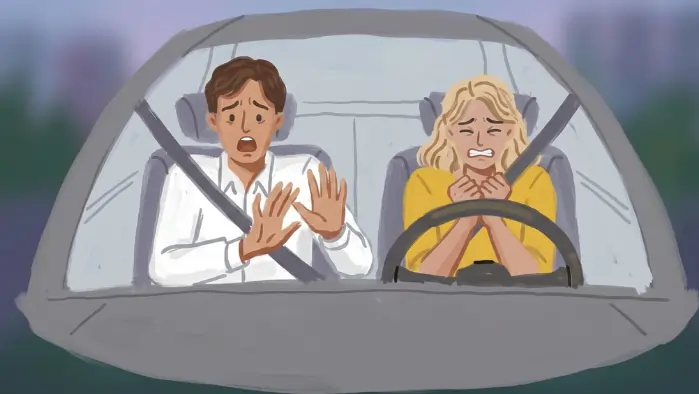
This fear often goes unnoticed because it hides in everyday moments. You might feel it when a car speeds up on the highway or when a train starts moving faster. It can even happen in a fast elevator. This is not about being dramatic; it is a physical response that can change how you live your life. Understanding this fear is the first step toward taking your freedom back.
What is Tachophobia?
Tachophobia is a specific phobia where a person feels an intense and irrational fear of speed. The name comes from the Greek word “tachos,” which means speed, and “phobos,” which means fear. Ms Sulagna Mondal, clinical psychologist at BetterPlace, explains that this condition involves specific symptoms of anxiety and phobic symptoms, leading to the active avoidance of speeds.
It is important to distinguish this from motion sickness. Ms Mondal notes that motion sickness is strictly due to physical reasons (inner ear balance), whereas tachophobia is psychological. People with this condition often experience “cognitive errors,” where they catastrophize the thought that something terrible will happen, specifically because of the velocity. Even the imagined scenario or anticipation of moving fast can make them scared.
Understanding Tachophobia Symptoms
Physical Symptoms
When you are moving fast, your body reacts instantly because your brain perceives a threat. Ms Mondal explains that these tachophobia symptoms manifest as a full-body anxiety response. You might feel:
- Your heart is racing or pounding in your chest.
- Shallow or rapid breathing.
- Sweaty palms and trembling or shaking.
- A tightness in the chest.
- Feeling sick to your stomach, nauseous, or dizzy.
These are the same body reactions seen during a panic attack vs anxiety attack, where the nervous system goes into fight-or-flight mode.
Emotional and Psychological Signs
The mental side of this fear is driven by “worst-case scenario” thinking. You might feel a sense of total dread or helplessness. Ms Mondal points out that common thought patterns include catastrophizing—believing that high speeds will inevitably lead to a disaster—and a lack of self-confidence in one’s own skills or the skills of the driver, fearing they might cause a crash.
Common Triggers and Situations
Tachophobia is highly context-dependent. Ms Mondal notes that the intensity of the fear can change depending on the situation:
- Highways: On a highway, speed limits are higher. If a person knows a car is going to speed up, there might actually be less catastrophizing because the speed is expected.
- Roller Coasters: In this context, the catastrophizing often centres on the idea that the machine will “dismantle” or break apart due to high speeds.
- Social Situations: A person might avoid getting into a car with a friend or family member who is known to drive fast.
- Other triggers: Airplane takeoffs, fast elevators, biking down steep hills, or even watching high-speed chases on a screen. Some people also notice physical sensations like shortness of breath when anxiety spikes.
Impact on Daily Activities
This fear can significantly shrink a person’s world. Ms Mondal emphasises that the “avoidance of speeds” impacts transportation choices and social mobility. Someone might turn down a promotion because the commute involves a fast highway, or they may choose alternate, much slower means of travel. Because even the imagined scenario triggers fear, anticipatory anxiety can make planning any trip a source of deep distress.
If fear starts limiting your independence or work life, structured support through psychology services can help you rebuild your confidence one step at a time.
Tachophobia Treatment and Management Strategies
Cognitive Behavioural Therapy Techniques
CBT is often the primary tachophobia treatment because it targets cognitive errors and catastrophizing. Ms Mondal explains that it helps you challenge “worst-case scenario” thoughts and build the confidence needed to counter the belief that you or others will cause a crash. It moves the fear from an emotional response to a reality-tested one.
Gradual Exposure Therapy Steps
Overcoming fear of speed usually involves slowly helping you face your fear in a safe environment. Ms Mondal suggests starting with the “imagined scenario” (visualisation) before moving to real exposure. Because tachophobia is context-dependent, exposure should address each trigger separately—starting perhaps with a slow car ride before progressing to faster situations. This type of work is often guided through professional counselling.
Important Note: Generally, professional therapy is required to gradually build you up to face the fear. Avoid “flooding” or jumping into high speeds without safety measures.
Relaxation and Breathing Exercises
When you panic, your body’s physical response can be managed through controlled breathing. Ms Mondal notes that techniques like box breathing help manage phobic symptoms and prevent a spiral of catastrophizing. You can also learn structured calming methods through mental health therapy in Delhi if anxiety feels overwhelming.
- Box Breathing: Inhale for 4 seconds, hold for 4, exhale for 4, and hold for 4 again.
Professional Support and Medication
In some cases, especially when the fear is rooted in previous trauma or accidents, a doctor might suggest medication. Beta-blockers can help stop the physical signs of anxiety (like a racing heart), making it easier for you to engage in the hard work of therapy.
FAQ's of Fear of Speed
Ms Mondal identifies several causes of tachophobia:
- Trauma: Past accidents or near-misses.
- Observational Learning: Watching an anxious parent be very careful about speed.
- Environmental: Living near a highway and seeing frequent accidents.
- Genetics: A genetic predisposition toward anxiety.
Yes. Ms Mondal states that through proper therapy, it can definitely be cured and has a very good prognosis. You can reach a point where speed no longer dictates your choices.
Yes. Fear of driving (amaxophobia) is about the act of operating the vehicle. Tachophobia is specifically about the velocity and the catastrophizing of what might happen due to speed, whether you are the driver or a passenger.


Anuroop Pokhriyal is a Content Specialist at BetterPlace Health. Before becoming one of BetterPlace’s first team members, he worked as a psychologist, content writer and marketer. He draws on his background in psychology to simplify complex mental health concepts and make them more accessible to readers. When he is not writing and optimising content, he enjoys playing badminton and making music.
Related Blogs