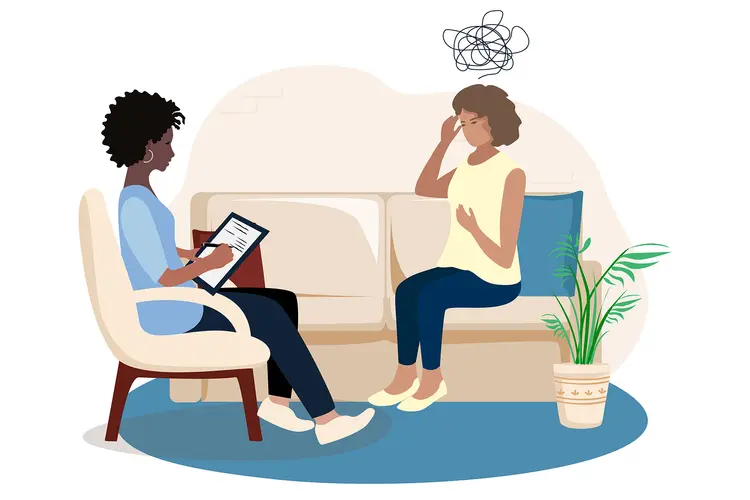

Therapist Red Flags and Green Flags: How to Know if You’ve Found the Right Fit

Starting therapy is a brave and significant step toward better mental health.
However, the success of your journey depends heavily on the “therapeutic alliance”, the relationship between you and your therapist. Just like any other relationship, there are signs that things are going well and warning signs that it might be time to look elsewhere. Here is a guide to identifying therapist red flags and green flags.
Green Flags: Signs of a Healthy Therapeutic Relationship
A “green flag” indicates that your therapist is professional, empathetic, and creates a safe environment for growth.
- Active and Attentive Listening: They don’t just hear your words; they understand the emotions behind them. They remember details from previous sessions and provide reflections that make you feel truly seen.
- Clear Boundaries: A good therapist maintains professional boundaries regarding scheduling, communication, and the nature of the relationship. This structure actually makes the space feel safer for you.
- Collaboration on Goals: They ask what you want to achieve. Instead of telling you what to do, they work with you to create a treatment plan that aligns with your personal values.
- Cultural Sensitivity and Humility: They respect your background, identity, and lived experiences. If they aren’t familiar with a specific part of your culture, they are willing to learn rather than make assumptions.
- Encourages Independence: The goal of therapy is to give you the tools to eventually manage on your own. A green flag therapist celebrates your progress and encourages your autonomy.
- Respects Your “No” the First Time: A true professional takes your “no” as a boundary rather than a challenge. They do not rephrase questions to seek compliance or ignore your refusal.
- Non-Stigmatizing View of Coping: They treat maladaptive behaviours, such as substance use, as coping mechanisms developed for valid reasons rather than just bad choices.
- Transparency and Preparation: They spend time explaining what to expect in upcoming sessions so you are never caught off guard.
Red Flags: Warning Signs to Watch Out For
If you notice these behaviours, it may indicate that the therapist is not a good fit or is behaving unethically.
- Judging or Shaming You: You should never leave a session feeling “small” or judged for your choices. If a therapist uses condescending language or makes you feel guilty, that is a major red flag.
- Too Much Self-Disclosure: While occasional sharing can build rapport, the session should always be about you. If the therapist spends significant time talking about their own problems, they are crossing a professional line.
- Pushing Their Values on You: A therapist’s job is to help you find your own path. If they try to push their religious, political, or personal beliefs on you, they are not acting in your best interest.
- Distractions During Sessions: If your therapist frequently checks their phone, looks at the clock, or seems bored, they are not giving you the care you are paying for.
- Breaking Confidentiality: Unless there is an immediate risk of harm to yourself or others, what you say in the room must stay in the room. Any casual mention of other patients’ details is a sign that they may not respect your privacy either.
- Dismissiveness of Feedback: If you raise a concern about the relationship and the therapist becomes defensive, blames your “attachment style,” or accuses you of “not wanting to do the work,” it is a major warning sign.
- Premature or Stereotypical Diagnosis: Be wary of those who try to diagnose you within the first five minutes of hearing your history based on outdated stereotypes or labels.
- Pushing Forgiveness: A therapist should never push for reconciliation or forgiveness with an abuser if you have explicitly expressed that you are not interested.
How to Evaluate the ‘Vibe”
Trust Your Gut
Sometimes a therapist has no “red flags” on paper, but you simply don’t feel a click. That is okay. Therapy is an intimate process, and your comfort is the most important factor.
The “Three-Session” Rule
It often takes about three sessions to move past the initial awkwardness and see how the therapist works with you. If you still feel uneasy or unheard by the third appointment, it is perfectly acceptable to start looking for a new therapist.
Address the Issue
If you feel a “yellow flag”, something that isn’t quite a dealbreaker but feels off—try bringing it up. A green flag therapist will welcome the feedback and use it to improve the therapeutic relationship. A red flag therapist will become defensive or dismissive.
Skip the Search for the Right Fit
Evaluating therapists can be exhausting. If you want to bypass the trial-and-error phase and jump straight into getting better, consider starting your journey with BetterPlace. We have already done the heavy lifting by curating a team of empathetic, “green flag” psychiatrists, clinical psychologists and therapists who are ready to collaborate on your treatment and goals.
Conclusion
Whether you are looking for a counsellor or psychologist in Gurgaon, finding the right therapist is a bit like finding the right pair of shoes; it has to be the right fit for your specific journey. By looking for these green and red flags, you can ensure that your time and energy are being invested in a professional who truly supports your healing.
FAQ's of Red Flags and Green Flags from Therapist
If you identify a serious red flag, such as ethical violations or judgemental behaviour, it is best to prioritise your safety and well-being by ending the sessions immediately. You do not owe them a long explanation. A simple call or a WhatsApp text stating that you are discontinuing therapy is sufficient.
Not necessarily. Therapy is a long process, and it often takes time to unpack complex issues. However, you should feel a sense of safety and hope early on as you begin your journey. If you feel stuck for months without any clarity or tools to move forward, it might be a sign that the treatment plan needs to be adjusted. Speak to your therapist and explain your feelings to them, if they fail to adjust your treatment according to your needs, it’s perfectly fine to look for another therapist.
Open communication is a hallmark of a healthy therapeutic alliance. You can say something like, “I felt uncomfortable when you said X,” or “I didn’t feel heard in our last session.” A good therapist will appreciate your honesty and use it as honest feedback to repair the relationship.
While it is always better to have a closing session to wrap things up, you are not obligated to stay in a situation that feels unsafe or disrespectful. If you feel unable to have a direct conversation due to anxiety or fear of their reaction, sending a brief cancellation message is perfectly acceptable.
A “bad fit” usually means their personality or style doesn’t mesh with yours, even though they are professional and skilled. A “bad therapist” displays red flags like boundary violations, judgment, or lack of empathy. You can move on from a bad fit without hard feelings, but a bad therapist should be avoided for your own mental safety.


Anuroop Pokhriyal is a Content Specialist at BetterPlace Health. Before joining BetterPlace, he worked as a psychologist, content writer and marketer. He draws on his background in psychology to simplify complex mental health concepts and make them more accessible to readers. When he is not writing and optimising content, he enjoys playing badminton and making music.
Related Blogs