
“I’d tried two different antidepressants and neither really worked. A friend suggested I look into tDCS and I thought it sounded a bit out there. But three weeks in, I just felt… lighter. Like the fog had lifted a bit. I’m really glad I gave it a shot.”
India's Most Experienced tDCS Providers
20000
+
Sessions delivered
97%
Report early reduction in symptoms
18
Yrs +
Of administering tDCS Treatment

Brain Stimulation Treatments
Meet the People Who Make Us Better

Dr. Sunil Mittal
Senior Consultant Psychiatrist


Online, in-person
Hindi, English
40+ Years Experience
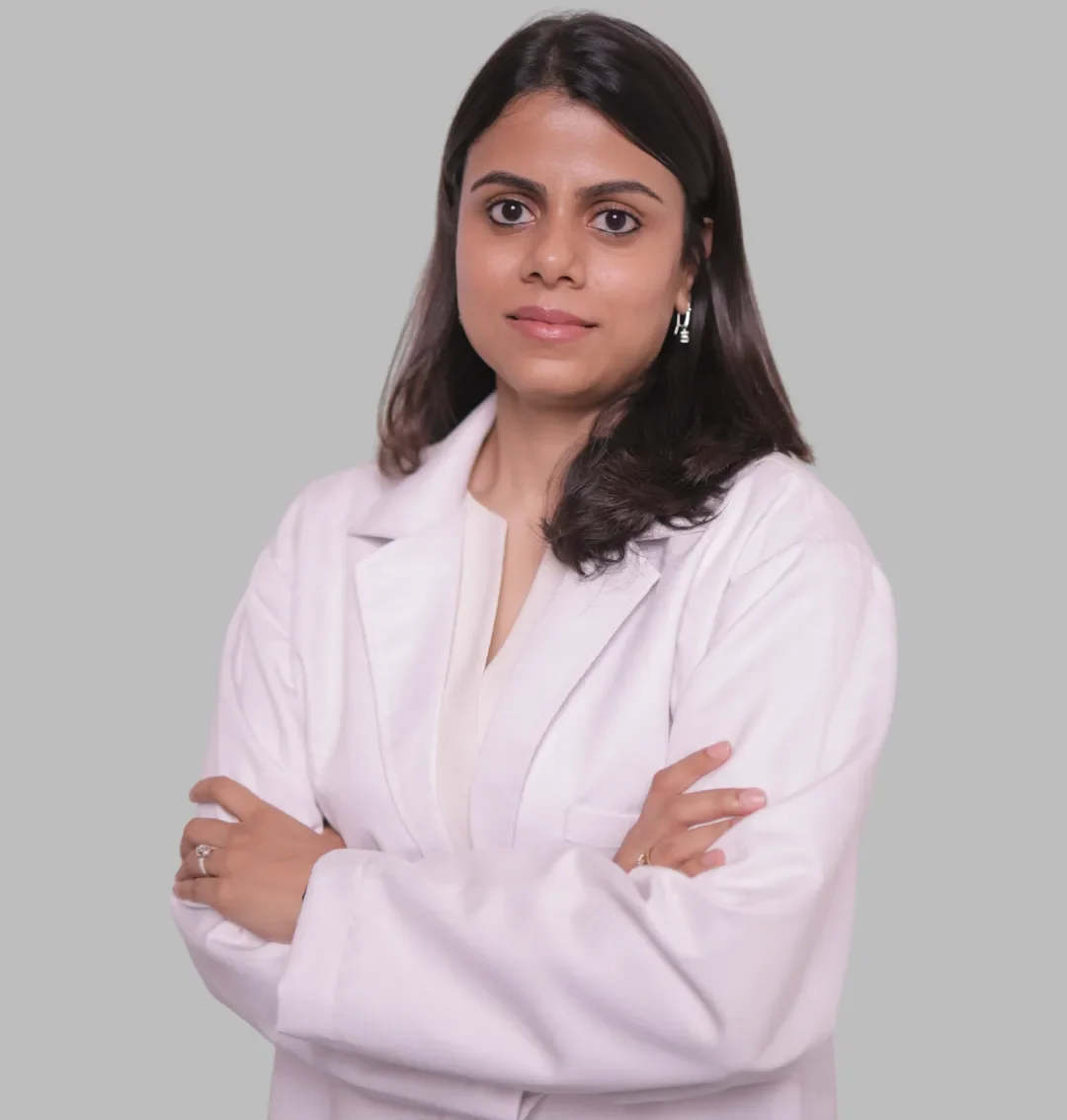
Dr. Shambhavi Jaiman
Consultant Psychiatrist
Online, In-person
English, Hindi
7+ Years Experience
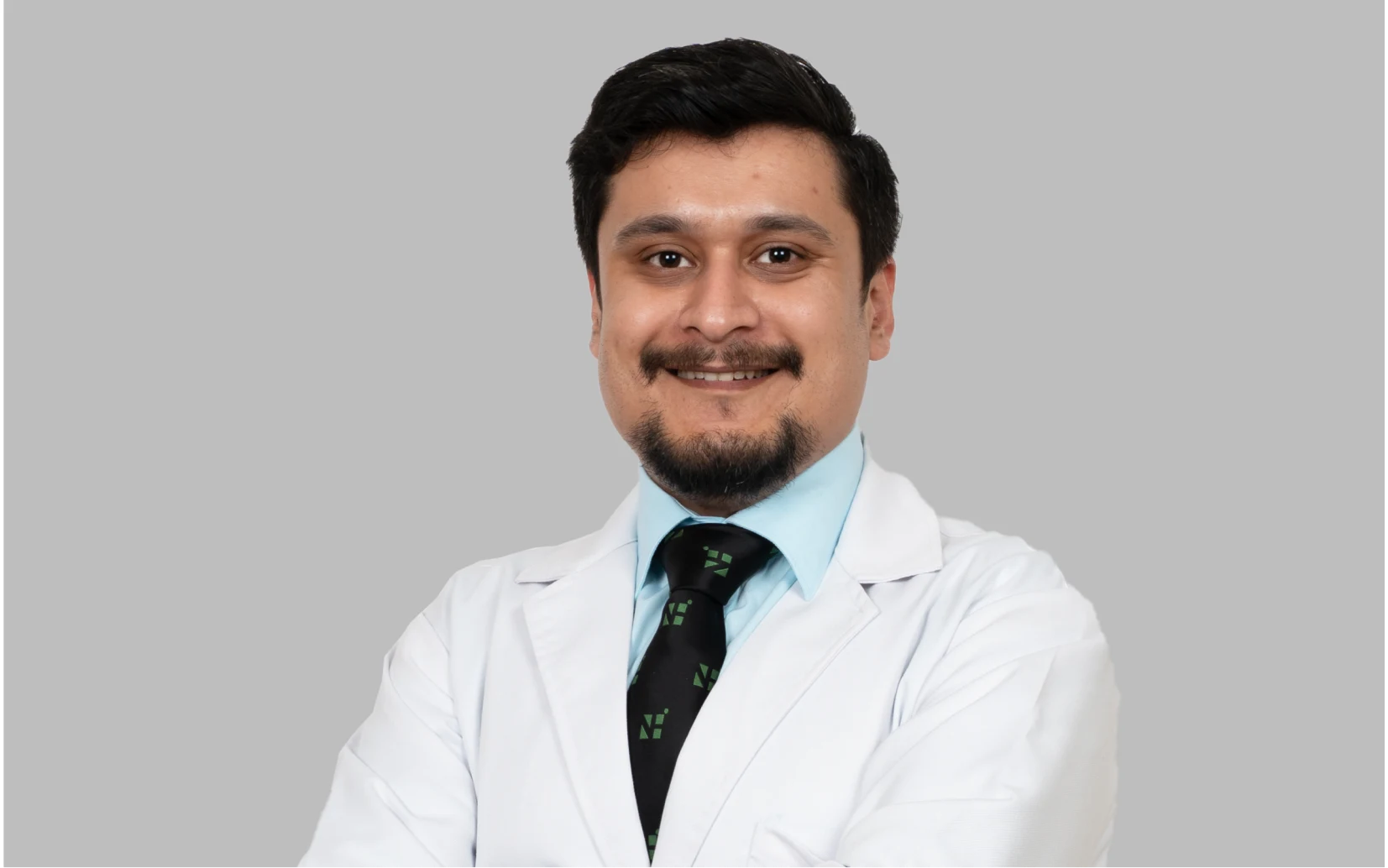
Dr. Siddharth Sethi
Consultant Psychiatrist
Online, In-person
English, Hindi, Marathi
7+ Years Experience

Dr. Akul Gupta
Consultant Psychiatrist
Online, in-person
Hindi, English
5+ Years Experience
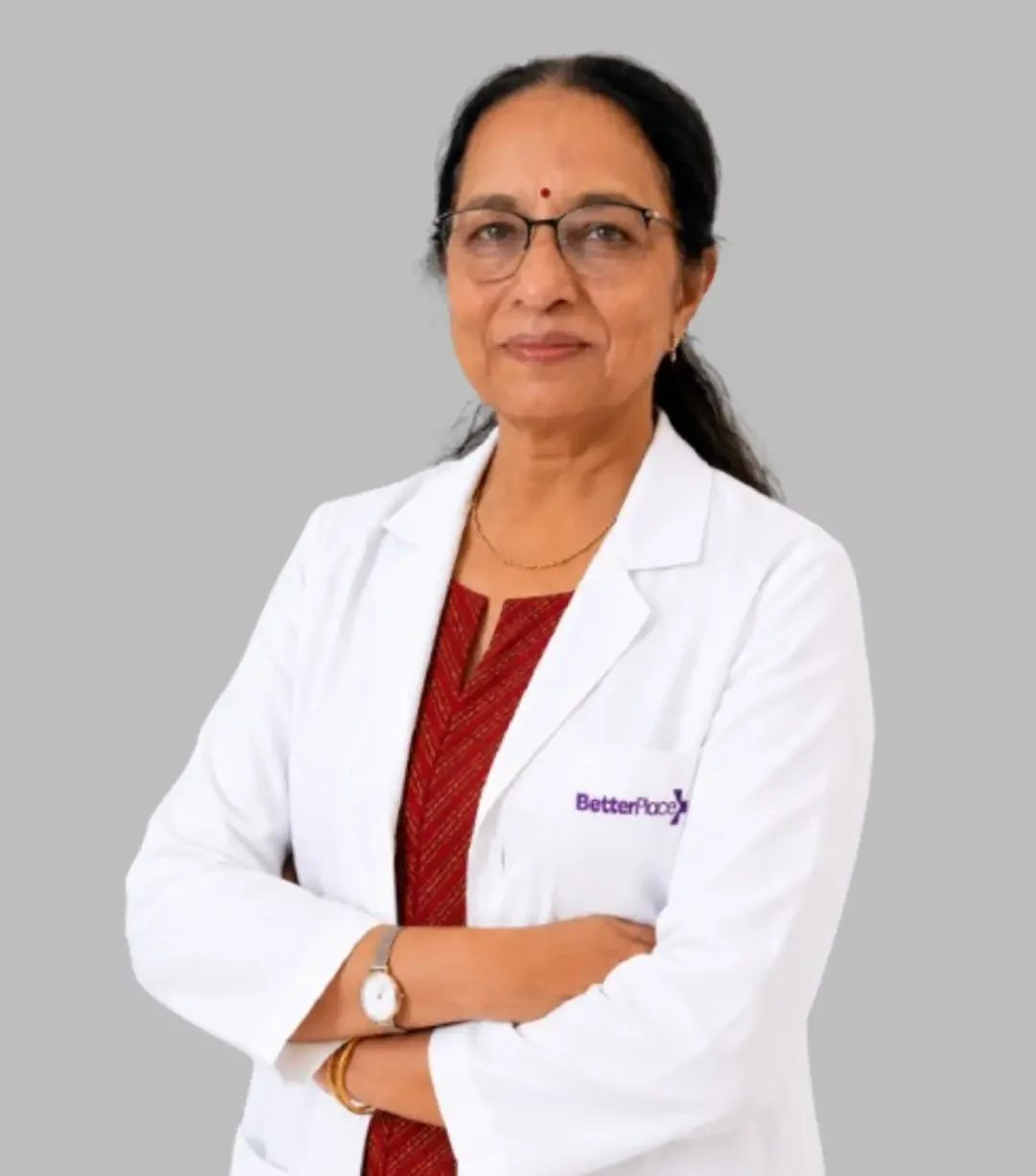
Dr. Pranita Gaur
Clinical Psychologist
Online, In-person
Hindi, English
44+ Years Experience
Ms. Anantika Tehlani
Clinical Psychologist
Online, In-person
Hindi, English
7+ Years Experience
Ms. Ayushi Paul
Clinical Psychologist
Online, In-person
Hindi, English, Bengali
5+ Years Experience

Ms. Sulagna Mondal
Clinical Psychologist
Online, In-person
Hindi, English, Bengali
3+ Years Experience
Ms. Shreya Maheshwary
Counselling Psychologist
Online, In-person
Hindi, English
2+ Years Experience
Ms. Shreeyam Mishra
Clinical Psychologist
Online, In-person
Hindi, English
2+ Years Experience

Ms. Mitali Srivastava
Senior Clinical Psychologist
Online, in-person
Hindi, English
15+ Years Experience
Find a BetterPlace Clinic Near You
Visit us or book an online consultation

BetterPlace, East of Kailash
At National Heart InstituteFirst Floor, Annexe Building D Block, East of Kailash, New Delhi
BetterPlace, Gurgaon
5th Floor, Plot No 33,Understanding tDCS—The most cutting-edge solution for Depression, OCD and more

What is tDCS?
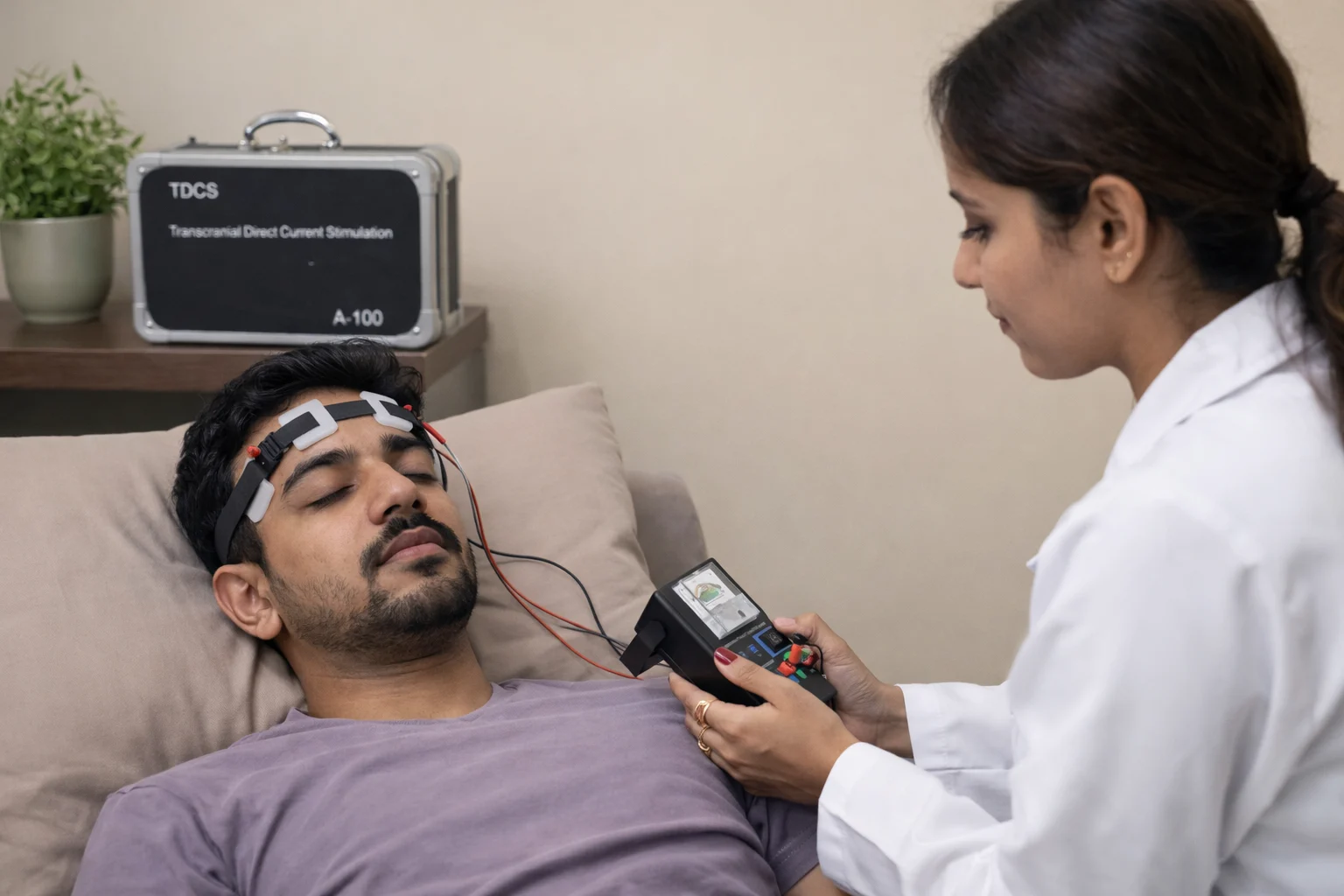
Transcranial Direct Current Stimulation, or tDCS, is a non-invasive brain stimulation treatment that uses a gentle, low-intensity electrical current to activate specific areas of the brain. It can support treatment for depression, anxiety, OCD, ADHD and other conditions where mood, focus or emotional regulation feel difficult.

How is it administered?
tDCS is a simple outpatient treatment. During each session, a clinician places small electrodes on your scalp to deliver gentle stimulation to targeted brain areas. The session usually takes around 20 to 30 minutes, and you can return to your routine immediately afterwards.

Does tDCS actually work?
Yes, tDCS has shown promising results, especially for depression and anxiety. For Depression, studies show tDCS has a 1.6x better response rate and 1.7x better remission rate compared to inactive treatment. For Anxiety, research shows that regular 20-minute tDCS sessions can help reduce anxiety symptoms.

How many sessions are needed?
A typical course of tDCS involves multiple sessions over a few weeks. The exact number depends on your condition, symptom severity and response to treatment. Your psychiatrist reviews your progress throughout the course and adjusts your plan as needed.
Here's What to Expect when Visiting BetterPlace for tDCS Treatment

Detailed First Session (90 min)
You’ll meet both a psychologist and a psychiatrist who’ll get to know your symptoms, history, and goals, especially if past treatments haven’t worked well.
Precise Diagnosis and tDCS Suitability
We use thorough assessments to confirm your diagnosis and check if tDCS is right for you, ensuring the treatment is safe, precise, and evidence-based.
Personalised Treatment Plan
If tDCS is suitable, we’ll design a plan just for you, often pairing it with therapy and lifestyle guidance to boost results. You’ll know what to expect and how progress will be tracked.
Long-Term Support for Long-Term Success
Our care continues beyond treatment, with follow-ups, progress tracking, and ongoing expert support to help you maintain your improvement.
Why Patients Choose BetterPlace for tDCS
BetterPlace

|
Most Clinics Other | |
| Initial Evaluation and Diagnosis |  |
|
| Clinician-supervised sessions | |
|
| tDCS suitability Review by a Psychiatrist | |
 |
| Delivered by Trained Neuropsychiatrists | |
|
| 100% Personalised Treatment Plan | |
|
| Medication Management Alongside tDCS | |
|
| Combined Psychiatric and Psychological care | |
|
| Dedicated Post-treatment Follow-up Support | |
|
Services we Offer
tDCS
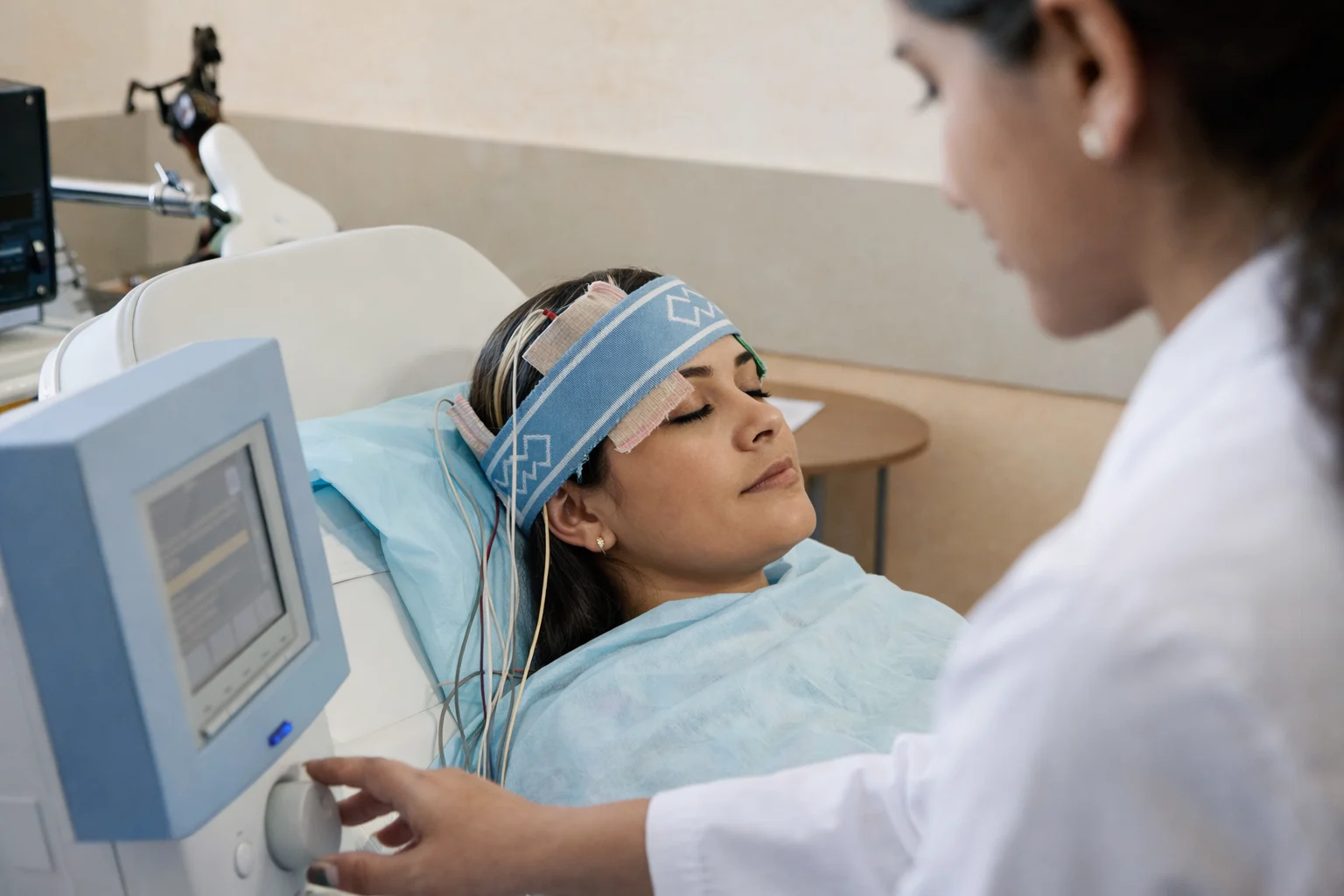
tDCS is a gentle, non-invasive treatment that uses low-intensity electrical stimulation to activate specific areas of the brain. It can support recovery in Depression, Anxiety, OCD, ADHD and difficulties with mood, focus or emotional regulation, particularly when medication or therapy alone has not been enough.
It requires no surgery, no hospitalisation and no recovery time. A clinician places small electrodes on your scalp while you sit comfortably. Sessions take around 20 to 30 minutes, and you can return to your routine straight after.
Research shows that tDCS has a 1.6x better response rate and 1.7x better remission rate for Depression compared to inactive treatment. For Anxiety, regular 20-minute sessions can help reduce symptoms.

Psychiatry
tDCS at BetterPlace is more than a standalone procedure. It is part of a carefully planned treatment approach built around your specific needs.
Before any tDCS session begins, our psychiatrists conduct a thorough clinical assessment to determine whether tDCS is appropriate for you, which stimulation protocol to use, and how to tailor the treatment to your condition.
Throughout treatment, they continue to monitor your progress, adjust the plan if needed, and ensure tDCS and any accompanying psychiatric care are working together.

Psychology
Psychology at BetterPlace is all about understanding your mind. Together with our clinical psychologists, you will explore your behavioural patterns and emotions, and use those insights to navigate your challenges.
It works hand in hand with tDCS to support your recovery. Our clinical psychologists use evidence-based approaches like CBT to help you understand and change the thought patterns that drive your condition. This combination of brain stimulation and therapy leads to better, longer-lasting outcomes than either treatment on its own.

Counselling
Counsellors at BetterPlace provide a safe space for you to discuss your thoughts, feelings and experiences. In the process, they build a deep therapeutic relationship with you that fosters self-discovery and growth.
Counselling gives you a structured space to talk through what you are experiencing during your tDCS treatment. Our counsellors help you process the emotional side of recovery, manage day-to-day stress and build practical coping skills that support your progress between sessions.

Assessments
Assessments serve as a compass to unlock ‘correct’ care.
At BetterPlace, we use clinical, psychological, and psychometric assessments to build diagnostic accuracy, and get unique insights about you that enable us to personalise your treatment.
When administered at regular intervals, they help us monitor and quantify your progress over time.
Depression
Depression is real, but it is also misdiagnosed often. Through our deep domain expertise, we first identify the root cause of your depression, then offer holistic, evidence-based treatments.
Structured treatments ● Medication management ● Brain Stimulation
Anxiety
Anxiety can be more disruptive than it may initially appear. Our integrated team of therapists, psychiatrists and psychologists helps you identify and manage your harmful anxiety triggers through a personalised, result-driven approach.
Individualised treatments ● Multi-modal approach ● Holistic approach
OCD
OCD is a complex disorder that can stem from multiple causes. Our care plans are designed to suit each patient’s unique needs and involve a combination of therapy, medication, and scientific techniques like rTMS.
Personalised therapy ● rTMS treatment ● Holistic care plan
Bipolar
The exact cause of bipolar disorder is not fully understood, but it includes a combination of genetic, biological, and environmental factors. Imbalances in brain chemicals and changes in the structure or function of the brain may also play a role.
Multi-modal approach ● Holistic approach ● Medication Management
Schizophrenia
Schizophrenia might be a lifelong condition, but it can be managed with proper medication and therapy. We offer holistic, outcome-oriented treatments for patients and their caregivers.
Psychosocial treatments ● Family-focused therapy ● Medication management
Transformation Stories at BetterPlace!

“With medication I always had something, drowsiness, weight changes, you name it. With tDCS I just sat there for 20 minutes and went back to work. After about a month I noticed I was handling stress way better than before.”
“I came in for anxiety but my concentration has improved so much as well. I used to struggle to get through a workday without my mind going everywhere. Now I actually finish things.”
Frequently Asked Questions
When you visit BetterPlace for the first time, you will speak to our in-house clinical psychologists and psychiatrists, who will take a detailed case history and understand your chief complaints. The psychologist will then discuss your case with our psychiatrist, who will share a diagnosis and recommend the appropriate assessments and treatment plans.
No, in the first session, we will thoroughly understand your case and symptoms. From there our psychiatrists will diagnose you using the latest diagnostic tools, they will coordinate with the in-house psychologists to discuss a treatment plan, and only then your treatment will start.
Yes, tDCS is considered very safe. It has been extensively researched and is used in clinical settings worldwide. Side effects are usually mild, such as a slight tingling sensation or temporary skin redness at the electrode site.
A typical tDCS session lasts around 20 to 30 minutes, depending on your individual treatment plan. There’s no downtime, so you can return to your day straight after.
Most people feel a mild tingling or itching sensation on the scalp when the session begins. This usually fades within the first couple of minutes. The treatment is gentle and well-tolerated, and you can sit back, relax or even read during the session.
tDCS is particularly effective for people who have not responded well to medication or therapy. It works differently from medication and does not carry the same systemic side effects. For many people, combining tDCS with therapy and psychiatric support leads to better outcomes than medication alone.
The BetterPlace clinic is open from 9:00 am – 5:00 pm on Monday, Wednesday, Thursday, Saturday and 9:00 am – 7:00 pm on Tuesday, Friday
There’s no one-size-fits-all treatment in mental health – each person needs a unique treatment plan, so the recovery period can also differ. However, most patients start seeing significant improvement in their day-to-day functioning and quality of life within 2-3 weeks of treatment. In fact, for certain advanced psychiatric treatments like accelerated rTMS (for Depression, OCD and Addictions), patients can start seeing results in a few days.
