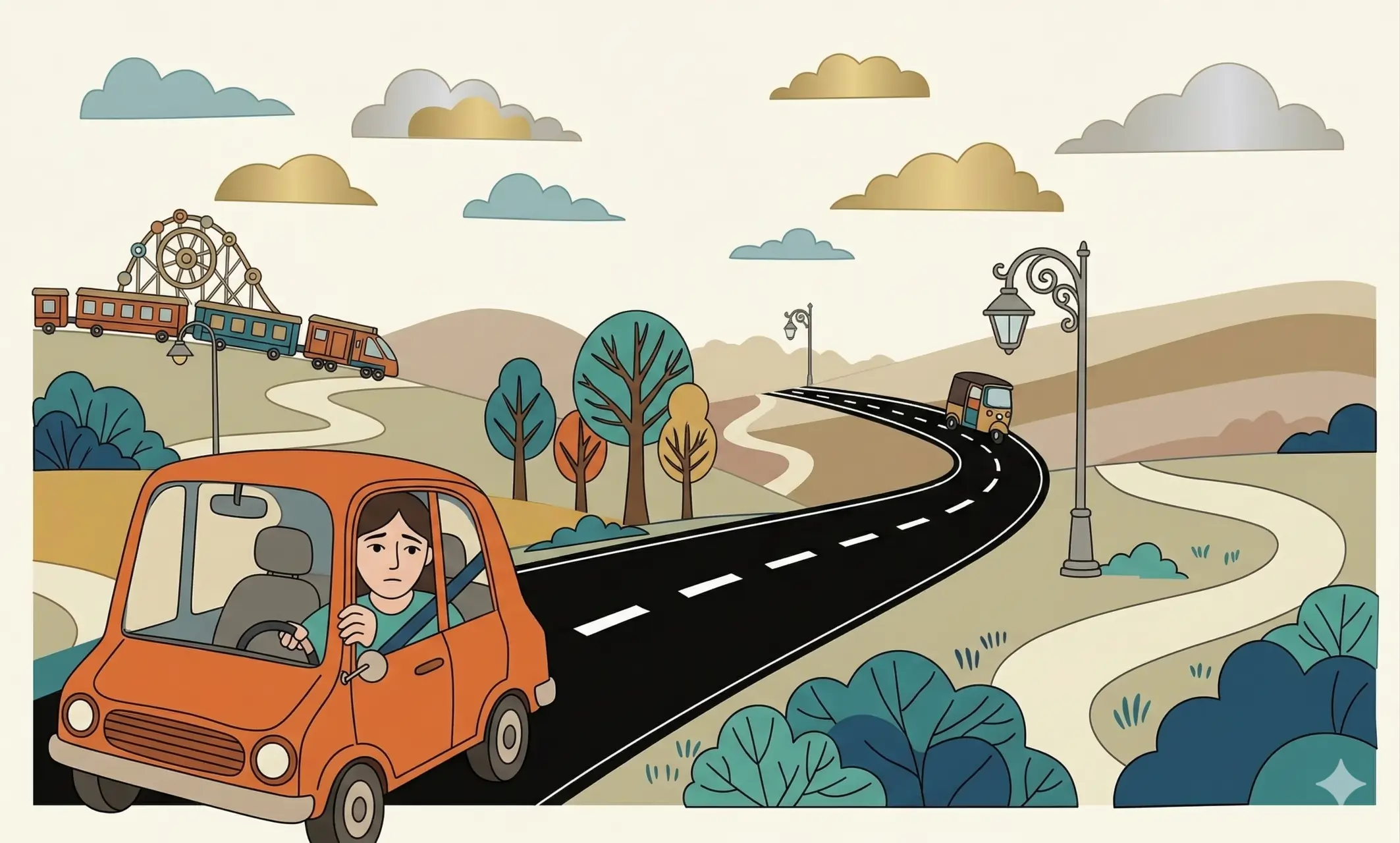
Amaxophobia (Fear of Driving): Meaning, Symptoms & Treatment


Many people think that being afraid to drive only happens to people who are new to the road. You might assume it is just a bit of nerves that goes away with practice.
However, this fear can actually affect anyone, including people who have been driving safely for decades. It is a real condition that can make it hard to get to work or visit family. Understanding that this is a physical response in your brain is the first step toward getting back behind the wheel. With the right tools, you can learn to manage these feelings and feel safe on the road again.
What is Amaxophobia?
Amaxophobia is the medical term for an intense and irrational fear of being in a vehicle. The name comes from a Greek word that means carriage. It falls under the category of a specific phobia, where fear becomes excessive and disrupts daily functioning. Dr Siddharth Sethi, consultant psychiatrist at BetterPlace, explains that while anxiety is a normal response to certain situations, it becomes problematic and diagnosable as a phobia when it meets specific criteria.
Anxiety is considered abnormal and clinical if it meets any of these three markers: it occurs due to no apparent reason, it involves intense “anticipatory anxiety” (the dread of the event before it happens), or it is simply an “excessive anxiety” that is far more intense than what your peers would feel in the same situation. This is much more than feeling tense in traffic. The brain begins to perceive the car as a life-threatening environment rather than a tool for travel, often overlapping with broader patterns of anxiety.
Symptoms of Amaxophobia
Physical Symptoms
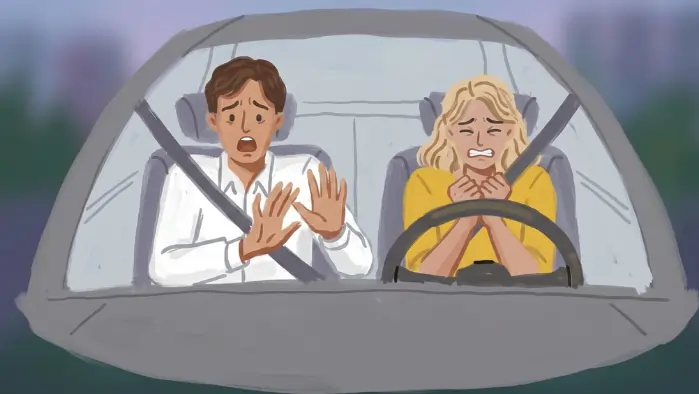
Your body often reacts to this fear before you even realise why you are anxious. Dr Siddharth notes that panic is an exaggerated form of anxiety where the person experiences a physical manifestation of symptoms even when there is no actual danger in the environment. Common signs include:
- Heart palpitations: A heart that feels like it is racing or pounding.
- Gastrointestinal disturbances: A “knot” in the stomach or feeling sick.
- Tingling and Tremors: Numbness in the limbs or visible shaking of the hands.
- Autonomic reactions: Sweating more than usual, dry mouth, or feeling dizzy and lightheaded.
- Respiratory distress: Shortness of breath or a feeling of a tight chest.
These symptoms can resemble those described in panic episodes. If you want to understand that overlap better, read panic attack vs anxiety attack.
Emotional and Mental Signs
This fear also shows up in your thoughts as “cognitive distortions.” Dr Siddharth points out that the psychological component of this phobia often involves “catastrophizing”—the act of imagining the worst possible disaster at every turn. You might experience a constant “sense of impending doom,” making you feel trapped when someone else is driving, even if you trust them. This overthinking makes it impossible to view the road logically, as the brain stays in a state of high alert.
Behavioural Patterns
Avoidance is the most common way people try to cope with driving anxiety. Dr Siddharth explains that people with amaxophobia will often stop travelling altogether. This isn’t just a preference; it is a restrictive pattern. They may choose to travel by alternate means that are comparatively slower or stop travelling to specific locations. While these habits might make you feel safe for a moment, they actually make the fear stronger over time because you never give your brain the chance to learn that the car is actually safe.
Difference Between Amaxophobia and Tachophobia
It is easy to get these two terms mixed up because they both involve travel and would meet the clinical criteria for “excessive anxiety.” However, they focus on very different triggers. You can read more in tachophobia.
| Aspect | Amaxophobia | Tachophobia |
| Main Fear | Being inside a vehicle (car, bus, etc.) | The speed of motion itself |
| Triggers | Sitting in a car, even if it is slow | Moving fast on a bike, a train, or a ride |
| Core Reaction | Irrational fear and catastrophizing | Panic related specifically to velocity |
Treatment Options to Overcome Fear of Driving
Cognitive Behavioural Therapy (CBT)
CBT (Cognitive Behavioural Therapy) is the most effective way to treat this phobia because it directly challenges the “catastrophizing and overthinking” that fuel the fear. Dr Siddharth explains that CBT helps you identify the irrational thoughts, like the “sense of impending doom” while changing lanes, that are not based on fact. A therapist helps you replace those thoughts with realistic evidence, helping to rewire the brain’s association between the car and danger. This structured work is a key part of professional psychology services for phobias and anxiety disorders.
Gradual Exposure Methods
This method involves facing your fear in very small, manageable steps to counter the urge to stop travelling altogether. This systematic desensitisation addressed “anticipatory anxiety” by building a library of positive experiences.
- Step 1: Just sit in the driver’s seat of a parked car.
- Step 2: Drive around a quiet block.
- Step 3: Gradually move toward busier streets.
This process helps reduce the “physical presence of symptoms” by proving to your nervous system, one step at a time, that the expected catastrophe does not happen.
Relaxation and Breathing Exercises
Your nervous system reacts to how you breathe. Dr Siddharth recommends specific techniques to calm the physical manifestations of panic, such as the 4-7-8 breathing technique or box breathing.
- The 4-7-8 Breath: Inhale for 4 seconds, hold for 7 seconds, and exhale slowly for 8 seconds. By controlling the exhale, you manually lower your heart rate and address symptoms like heart palpitations and tingling in the limbs while you are actually in the car.
- The 4-7-8 method works similarly to techniques used for nighttime anxiety. You can explore it further in how to sleep fast, which explains how breath control reduces autonomic arousal.
Medication Support
In some cases, short-term medication may be considered when panic symptoms are severe or linked to trauma. Consulting a psychiatrist in Delhi can help determine whether medication alongside therapy is appropriate.
Conclusion
Learning how to manage this fear is not about having a strong will; it is about retraining your brain to move past overthinking. Dr Siddharth emphasises that recovery means returning to a state where your response to driving is no longer “out of proportion to the actual danger.” With patience and proven methods like CBT and exposure therapy, you can gain your freedom back.
Frequently Asked Questions
Can amaxophobia develop after years of safe driving?
Yes. Dr Siddharth notes that it can be triggered by a negative or traumatic experience, such as a minor accident. However, in some cases, it may also arise “out of the blue” due to no apparent reason. This is often linked to general life stress, making the brain more sensitive to perceived threats on the road.
Is fear of driving more common in urban areas like Mumbai or Delhi?
Dr Siddharth explains there is no concrete evidence for this. While heavy traffic is a normal stressor, the phobia itself is very subjective. Fear of the unknown is always there, and a phobia can develop whether you are on a busy highway or a quiet rural road.
How long does it take to get better?
While every case is unique, treating both the “psychological (overthinking)” and the “physical symptoms” through professional therapy usually leads to significant progress in a few months. The key is to address the anticipatory anxiety before it becomes a permanent lifestyle restriction.


Anuroop Pokhriyal is a Content Specialist at BetterPlace Health. Before becoming one of BetterPlace’s first team members, he worked as a psychologist, content writer and marketer. He draws on his background in psychology to simplify complex mental health concepts and make them more accessible to readers. When he is not writing and optimising content, he enjoys playing badminton and making music.
Related Blogs