
What Is High-Functioning Depression? Everything You Need to Know


Many people think depression is easy to spot. They expect to see someone who cannot get out of bed or someone who misses weeks of work.
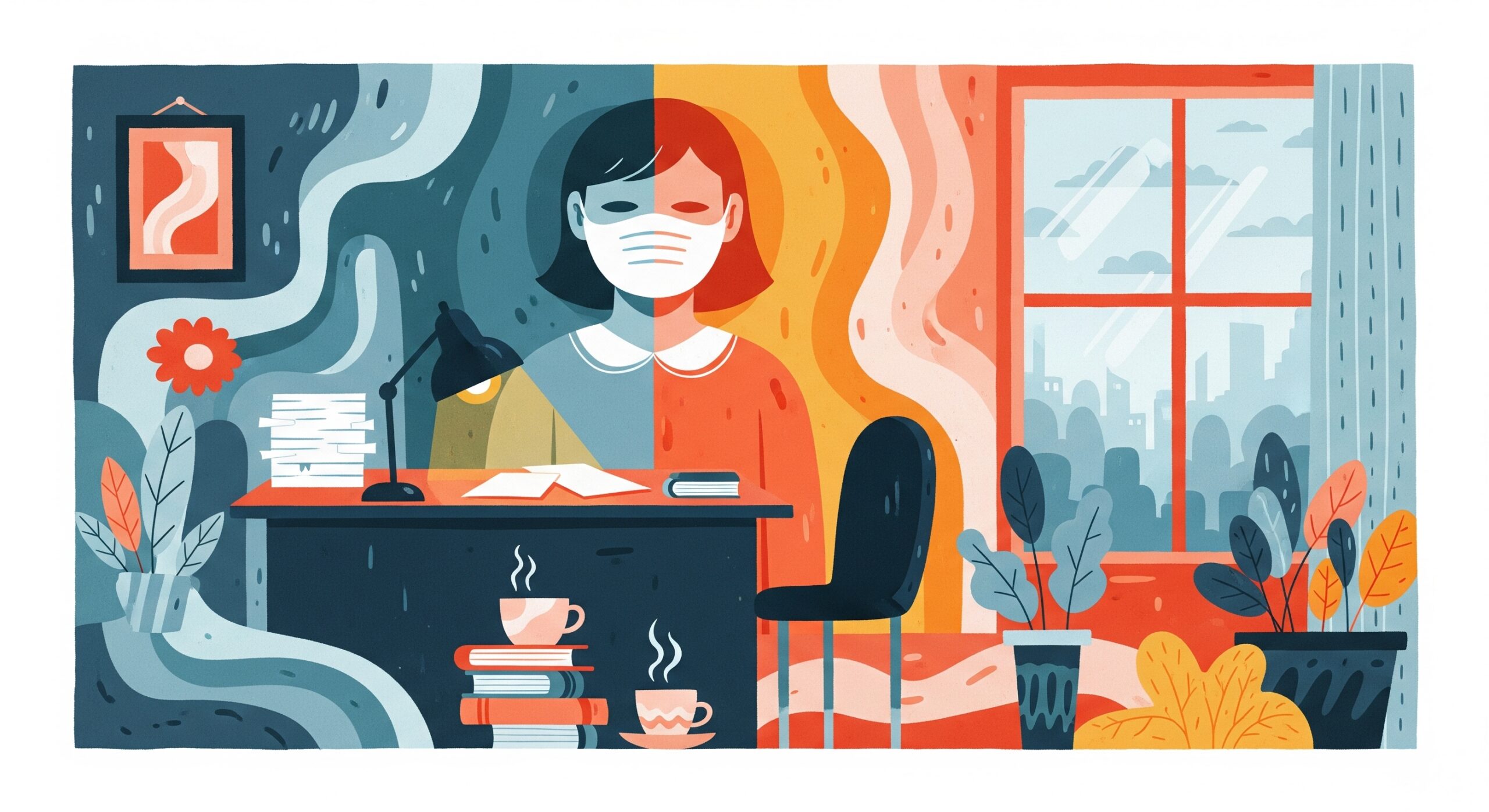
However, millions of people deal with depression while they hit every deadline and attend every meeting. They smile at their coworkers and lead successful projects, but they feel completely empty inside. This hidden struggle is often more exhausting because you have to maintain a perfect image while you suffer in silence. Understanding that success and sadness can exist at the same time is the first step toward healing. This guide explains what happens when your outer life looks great but your inner life feels like it is falling apart.
What is High-functioning Depression?
High-functioning depression is not a “light” version of depression. It is a way to describe a difficult situation where you succeed and suffer at the same time. People with this condition appear to live normal lives. They go to work and handle their chores, but they still feel deep symptoms of depression. You can think of it like running a long race with a broken foot. You might reach the finish line, but every single step causes you pain.
Expert’s Insights:
Ms Lovleena Sharma, Clinical Psychologist at Betterplace, observes that what often stops high-achievers from recognising this early is that they simply do not sit with themselves to recognise their own patterns. Instead of acknowledging the struggle, they might experience a displacement of anger or find themselves avoiding going out with friends. Despite being “always on the go” and feeling like they have endless tasks to manage, they are often low on energy and suffering from a loss of motivation driven by emotional reasoning.
Doctors do not use the term “high-functioning depression” as an official diagnosis. Instead, they usually call this Persistent Depressive Disorder or PDD. Some people also call it dysthymia. Even though it is not an official medical label, the term is very helpful. It validates the experience of people who feel ignored by traditional stories about depression. Ms Sharma adds that socio-economic factors can also play a significant role in how this condition develops and is perceived.
Major depression vs. high-functioning depression
There is a big difference in how these two types of depression show up in your life. Major depression often makes it impossible to do basic things. People with major depression might stop showering or stop answering their phones. They often have to take time off from work because their symptoms are so severe.
Functional depression looks very different on the outside. You keep all your responsibilities in order. You show up on time and you deliver great results. However, you still feel persistent sadness and a hollow feeling in your chest. The core symptoms are the same, but you hide them behind your achievements, this is why many people relate to the idea of smiling depression.
| Feature | Major Depression | High-Functioning Depression |
| Daily Activity | Visible trouble with chores | Maintains all duties |
| Work/School | Often requires time off | Perfect attendance record |
| Visibility | Others notice a problem | Hidden behind success |
| Energy Level | Severely depleted | Pushes through daily |
Causes of High-Functioning Depression
The development of high-functioning depression is usually the result of several overlapping factors rather than a single event. According to Ms Lovleena Sharma, the following points often contribute to this condition:
- Socio-economic Factors: Financial pressures or the need to maintain a certain status can force individuals to keep performing despite their internal struggle.
- The “Always on the Go” Mentality: Chronic stress from high-pressure environments prevents people from having the time to reflect on their emotional state.
- Avoidance Patterns: By focusing entirely on managing tasks, individuals successfully avoid sitting with their emotions or recognising their own depressive patterns.
- Life Transitions: Stressful events such as the loss of a loved one or difficult shifts in relationships can trigger the onset of symptoms.
- Chronic Stress: Constant pressure from a demanding job can slowly turn a temporary low mood into a long-term, persistent depression.
When the mental load becomes constant and you feel like you’re carrying too much without a break, it often matches what people describe in feeling overwhelmed.
Signs and Symptoms of High-Functioning Depression
Persistent Low Mood Despite Success
You might have a great job and friends who love you. Everyone thinks you have a perfect life. Yet, you feel like nothing matters. This is the main sign of high-functioning depression. Success does not make you feel better. Ms Sharma notes that patients often describe this by saying, “I know I should feel proud or excited, but it’s like watching life from behind glass.” You feel a chronic sadness that stays in the background even when you reach a major goal. Despite functioning and being “always on the go,” you experience a profound loss of motivation.
Physical Symptoms
Your body feels the stress even when your calendar is full. You might feel a deep fatigue that sleep cannot fix. Ms Sharma identifies several somatic symptoms she frequently sees in clients, such as:
- Persistent pain in the body and aches that have no clear medical cause.
- Sleep difficulties, including sleeping too much or having trouble falling asleep.
- Stomach problems that flare up when you are stressed.
- Low energy that a long weekend or holiday does not refresh.
Because you are still working hard, you might dismiss these as “just stress.” In reality, these are signs that your mental health is struggling. If sleep has become your main escape but still doesn’t recharge you, the patterns in not being able to sleep at night can feel very familiar.
Emotional Numbness and Disconnection
High-functioning depression often involves something called anhedonia, or a total lack of pleasure. Ms Sharma highlights that this emotional numbness often leads to a displacement of anger and a sense of disconnection from those closest to you. This might result in not spending enough time with family, avoiding your partner, or even engaging in extra-marital affairs. It can also lead to “absent parenting,” where you are physically there but emotionally unavailable.
Perfectionism and Overcompensation
You might find that the worse you feel, the harder you work. Ms Sharma explains that high-achievers often use the mantra “I have a lot of tasks to manage” as a shield. Being “always on the go” prevents you from having the time to reflect. This perfectionism is a form of armor; you believe that if you are perfect enough, no one will notice you are struggling. Unfortunately, some may turn to alcoholism as a coping mechanism, which only serves to worsen the depression.
How is High-Functioning Depression Diagnosed?
A formal diagnosis of high-functioning depression, clinically known as Persistent Depressive Disorder (PDD), must always be performed by a professional mental health care person, such as a psychiatrist or clinical psychologist. They ensure that your symptoms are not caused by other medical conditions or substance use.
Clinicians typically use a combination of clinical interviews, structured assessments, and Mental Status Examinations (MSE) to evaluate your emotional and cognitive state. They rely on the Diagnostic and Statistical Manual of Mental Disorders, 5th Edition (DSM-5) to check if your experience meets the official criteria.
DSM-5 Criteria for Persistent Depressive Disorder (PDD):
- Duration: A depressed mood that lasts for most of the day, for more days than not, for at least two years.
- Symptom Count: While depressed, you must experience at least two of the following:
- Poor appetite or overeating.
- Insomnia or hypersomnia (sleeping too much).
- Low energy or fatigue.
- Low self-esteem.
- Poor concentration or difficulty making decisions.
- Feelings of hopelessness.
- Consistency: During that two-year period, symptoms have never disappeared for more than two months at a time.
- Functional Impact: The symptoms cause significant distress or impairment in social, occupational, or other important areas of life, even if you are still “functioning” on the surface.
Treating high-functioning depression
Cognitive Behavioural Therapy (CBT)
Adding therapy to a busy schedule can feel like a burden, but it is a necessary step. Ms Sharma recommends CBT and specifically Behavioural Activation as effective tools. These help address patterns of avoiding friends and family, redirecting your energy toward activities that bring genuine joy. She emphasises that consistency in therapy, whether online or offline, is vital for high-functioning individuals.
Mindfulness and Self-Reflection
Ms Sharma suggests a simple but powerful intervention: 10-15 minutes of self-reflection a day. This involves sitting with your emotions and thoughts, observing them from a superficial level without diving too deep immediately. This is particularly helpful for those who usually “don’t sit with themselves” to recognise their patterns.
When self-reflection turns into mental spirals, simple strategies to stop overthinkingcan help you stay aware without getting stuck.
Medication: When Therapy is Not Enough
Many high-performers want to handle everything on their own, but sometimes brain chemistry needs extra help. Ms Sharma notes that medication can be essential when therapy alone isn’t enough to manage sleep difficulties or severe emotional numbness. The goal of antidepressants is not to numb you, but to lift the emotional fog so you can move from surviving to actually living.
Lifestyle Interventions
Small, sustainable changes can create significant breakthroughs. Ms Sharma highlights the importance of:
- Sun Exposure: High-achievers are often surrounded by devices; connecting with nature gives you time to reflect on your emotions.
- Diet Management: Maintaining a healthy nutritional balance to support brain function.
- Setting Boundaries: Learning to say “no” to extra tasks to prevent using work as a hiding place.
When to Seek Professional Help
Functional depression symptoms often hide behind the ability to “manage” life. However, Ms Sharma advises seeking professional help if you experience:
- A persistently low mood for two weeks or more.
- A drop in concentration or performance at work.
- Constant irritation from people around you or a displacement of anger.
- A lack of pleasure in activities you once enjoyed.
- Feelings of hopelessness or a reliance on alcohol to cope.
If you’re juggling a busy work schedule but want to start getting to the bottom of these patterns, a session with a psychologist in Delhi is a great way to get support that actually fits into your life. But, if things are feeling really heavy or have been going on for a long time, it might be worth chatting with a psychiatrist in Gurgaon. They can help you look at the bigger picture—including whether medication might be a helpful tool to pair with your therapy.
Frequently Asked Questions
Can you have this without realising it?
Yes. Many people assume everyone feels this tired. Ms Sharma points out that because high-achievers are “always on the go,” they often don’t recognise their own patterns until their relationships or health begin to suffer.
What triggers the symptoms?
It is often a mix of stressful events and chronic pressure. Ms Sharma mentions that socio-economic factors and the habit of never slowing down to reflect can turn a low mood into a long-term struggle.
Can it turn into major depression?
Yes, this is known as “double depression.” This is why getting help early is so important. Ms Sharma notes that “psychoeducation” is often the biggest breakthrough for high-functioning people, helping them understand that their struggle is real and treatable.


Anuroop Pokhriyal is a Content Specialist at BetterPlace Health. Before becoming one of BetterPlace’s first team members, he worked as a psychologist, content writer and marketer. He draws on his background in psychology to simplify complex mental health concepts and make them more accessible to readers. When he is not writing and optimising content, he enjoys playing badminton and making music.
Related Blogs