Safest Sleeping Pills in India: What You Need to Know


Finding the right way to get some rest can feel like a high-stakes guessing game. When you search for the safest sleeping pills, you often find a confusing mix of medical advice and scary warnings.
While some medications can help you through a difficult week, others carry risks of addiction or dangerous side effects that can make your sleep problems even worse. It is important to know which options help you recharge naturally and which ones you should avoid at all costs. By understanding the difference between a gentle sleep aid and a powerful sedative, you can protect your health while finally getting the quiet mind you need. This guide helps you navigate these choices so you can find a path to rest that is both effective and safe.
What are Sleeping Pills?
Sleeping pills include any medication that helps you fall asleep or stay asleep. They range from strong prescription drugs that change your brain chemistry to over-the-counter pills that make you drowsy as a side effect. You should not think of them as a magic switch for sleep. Each type has its own set of risks and works in a different way.
Expert’s Insights:
Dr Siddharth Sethi, Consultant Psychiatrist at BetterPlace, notes that a common misconception is the belief that all sleeping pills belong to the same category. In reality, some medications only serve to induce sleep, while others are designed to sedate the user. Dr Sethi explains that certain medications work as an add-on to existing treatments, which often makes them less likely to cause a heavy dependency.
If sleep problems have been ongoing, it often helps to understand whether you’re dealing with a broader sleep disorder rather than a one-off bad week.
Who Might Need Sleeping Pills?
While they should generally be used as a temporary bridge rather than a long-term solution, certain individuals can benefit from short-term use:
- Shift Workers: Those with irregular schedules who need help managing their internal clock. Dr Sethi notes that Z-class drugs are often prescribed for this group.
- Jet Lag Patients: Travellers crossing multiple time zones may use Z-class drugs to reset their sleep-wake cycle.
- Individuals in Crisis: People dealing with sudden trauma or extreme physical pain.
- Mental Health Patients: Since mental health medications can take time to work, Dr Sethi explains that sleeping pills are often used in the initial part of treatment to stabilise sleep architecture.
- People with Specific Disorders: Those with narcolepsy, which involves an orexin hormone deficiency, may benefit from orexin antagonists.
- Primary Insomnia Sufferers: For the rare cases where sleep is the only issue, Dr Sethi suggests melatonin as a common medication choice.
When sleep loss is being driven by mental strain (racing thoughts, dread, constant worry), it commonly overlaps with anxiety.
Who Should Avoid Them?
Sleeping pills are not suitable for everyone, and certain groups face much higher risks:
- Individuals with Addiction History: Those with a history of substance abuse should be extremely cautious due to the high risk of dependency.
- Pregnant Women: Dr Sethi explicitly warns that even over-the-counter options like melatonin should be avoided by those who are pregnant or trying to conceive.
- Elderly Adults: This group is at a higher risk for falls and injuries.
- People with Poor Sleep Hygiene: If you haven’t fixed your environment or habits first, a pill is merely a temporary mask for a deeper problem.
- Those with Undiagnosed Underlying Issues: Dr Sethi notes that primary insomnia is rare; most sleep problems are symptoms of underlying mental health issues that require therapy rather than just sedation.
If you’re not sure what’s driving the insomnia, starting with structured assessments can help rule in/out anxiety-driven insomnia, sleep disorders, or medication side effects.
What Are the Side Effects?
Sleeping pills come with various compromises that can affect your daily life and long-term health:
- The “Morning Hangover”: Lingering grogginess and a heavy feeling the day after use.
- Complex Sleep Behaviours: Memory gaps and “parasomnias,” such as eating, talking, or even driving while fast asleep.
- Paradoxical Agitation: Especially in older adults, Dr Sethi points out that medication intended to calm can sometimes cause the opposite effect, leading to intense agitation.
- Altered Sleep Architecture: Long-term use changes how your brain moves through REM and Non-REM cycles, often causing you to miss out on the deep, healing stages of sleep.
- Dependency and Tolerance: Dr Sethi warns of withdrawal symptoms—where you cannot sleep at all without the drug—and a rising tolerance that requires higher doses.
- Cross-Dependence: There is a significant risk of developing a dependence on both sleeping pills and other substances simultaneously.
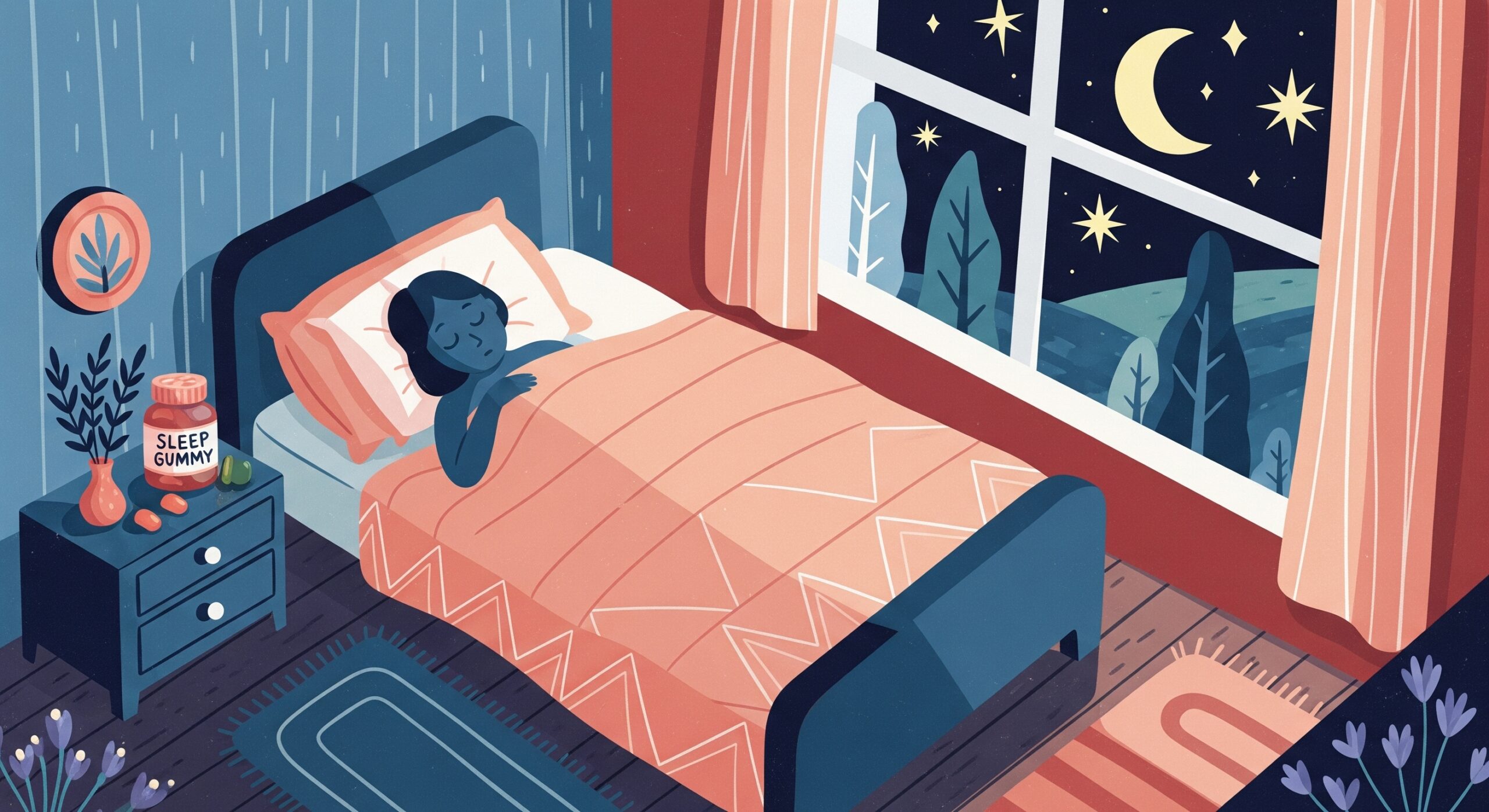
Related read: If you’re looking for an over-the-counter, non-medical alternative, you might consider sleep gummies. This guide provides a thorough breakdown of their risks and benefits, making it an excellent companion to our discussion on sleeping pills.
How Different Sleeping Pills Work
Enhancing GABA Activity
GABA is like the brake pedal for your brain. It slows down your nerve activity. Drugs like benzodiazepines and “Z-drugs” make GABA stronger. This forces your nervous system into submission. Dr Sethi explains that benzodiazepines work much like alcohol, targeting the same receptors to act as a central nervous system depressant and reduce brain activity. You feel like you are sleeping, but your brain is actually just sedated. It does not move through the natural sleep stages correctly.
Affecting Serotonin Levels
Some doctors prescribe antidepressants to help with sleep. These drugs change your serotonin levels. Serotonin helps manage your mood and your internal clock. In this case, the sleepiness is actually a side effect of the medicine. You are essentially hacking your mood chemistry to get some rest.
Regulating Sleep-Wake Cycles
Melatonin receptor agonists work with your body instead of against it. They mimic your natural sleep hormone. These drugs reset your internal clock rather than knocking you out. Dr Sethi notes that orexin antagonists are a newer option that targets specific pathways to help with conditions like narcolepsy. These methods are essential for maintaining the alternating “wave” of sleep stages, ensuring you get the necessary deep sleep your body requires.
If you’re dealing with recurring insomnia episodes, it helps to read the bigger picture of what poor sleep does to the body in the science of sleep.
Types and Categories of Sleeping Pills
When looking at the landscape of sleeping pills in India, some options are much riskier than others. Dr Sethi explains that older medications were often broad and not very specific, sometimes using schizophrenia medications for multiple unrelated conditions. In contrast, newer medications are more specific, targeting particular pathways with lower chances of dependence.
- Barbiturates: These are very old and dangerous drugs. The difference between a safe dose and a deadly dose is very small. They fall into that broad, non-specific category of older medicine that most modern doctors avoid.
- Benzodiazepines: These can cause a physical addiction in as little as two weeks. Dr Sethi warns that these are highly addictive and carry a high risk of cross-dependence with other substances. Withdrawal symptoms include an inability to sleep and a dangerous tolerance.
- Z-drugs: These were made to be safer, but they still cause problems like sleep-walking or sleep-driving. However, Dr Sethi notes they are still used specifically for shift workers and jet lag patients due to their targeted nature.
- Antihistamines: These sit between the old and new classifications. While they cause sedation, using them every day can increase the risk of dementia.
- Orexin Antagonists: These are the newest type available. Dr Sethi mentions they show good effects on various sleep issues and are particularly useful for those with narcolepsy who lack the orexin hormone.
If you are wondering which sleeping pill is dangerous, the answer often lies in the older classes like Barbiturates or highly addictive Benzodiazepines, which can suppress the central nervous system to a hazardous degree.
Safest Sleep Treatment Options
Proper Sleep Hygiene
Before you try any medication, you must fix your habits. Dr Sethi emphasises that therapy and habit changes are the first step in professional treatment. This helps restore your natural sleep architecture and ensures you hit those four essential sleep cycles.
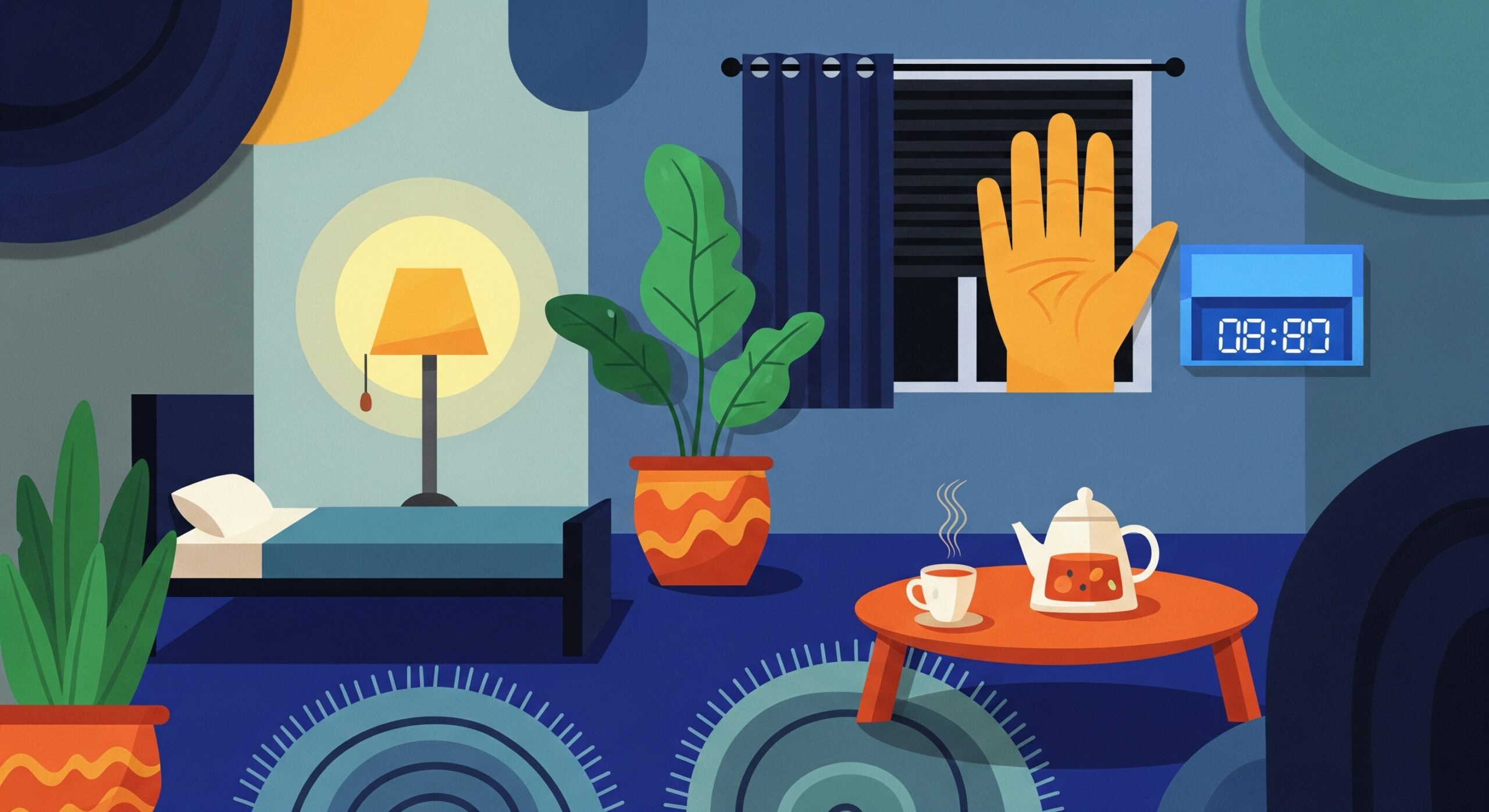
- Use blackout curtains to keep the room dark.
- Go to bed at the same time every night.
- Turn off all screens at least one hour before bed.
- Keep your bedroom cool, ideally between 18 and 20 degrees Celsius.
If sleep hygiene isn’t working and symptoms persist, exploring sleep disorder treatment in Delhi can help you address the root cause instead of cycling through different sedatives.
Melatonin
Melatonin is a natural hormone. Dr Sethi notes that this is the only aid available OTC and is a primary choice for treating rare cases of primary insomnia. Taking a small dose tells your brain it is nighttime without forcing sedation, though it should be avoided if you are pregnant.
Herbal Beverages
Drinks like chamomile or valerian root tea actually work. Dr Sethi specifically recommends decaffeinated lavender tea as a safe alternative. The ritual of brewing and sipping the tea also helps your mind relax, acting as a gentle support for your natural sleep-wake cycle.
If you want clinical guidance on sleep medication safety and tapering it (especially if dependence is a concern), consulting a psychiatrist in Gurgaon can help you choose safer options and avoid risky combinations.
Frequently Asked Questions
Is it bad to take sleeping pills every night?
Yes. If you take them every night, your brain stops knowing how to sleep on its own. Dr Sethi warns that benzodiazepines are particularly addictive and can lead to withdrawal symptoms and high tolerance. While newer, more specific medications have a lower risk of dependence, they are still not ideal for long-term nightly use.
Can sleeping pills cause death?
Yes, particularly the older, non-specific classes like barbiturates. Benzodiazepines also reduce brain activity in a way that can be dangerous in high doses. Dr Sethi also points out that side effects like paradoxical agitation in older adults can lead to falls and serious injuries.
How quickly do they become addictive?
Some can cause a physical need in just 10 to 14 days. Dr Sethi confirms that benzodiazepines are highly addictive, with signs of dependency including a rising tolerance and the inability to sleep without the pill. Newer medications are designed so that dependence is much lower, but the risk varies by type.
Are natural aids safer?
Generally yes, but they aren’t for everyone. Dr Sethi notes that even natural melatonin should be avoided by those who are pregnant. Because most insomnia is caused by underlying mental health issues, natural aids like lavender tea or sleep hygiene work best as part of a broader therapeutic approach rather than a standalone cure.


Anuroop Pokhriyal is a Content Specialist at BetterPlace Health. Before becoming one of BetterPlace’s first team members, he worked as a psychologist, content writer and marketer. He draws on his background in psychology to simplify complex mental health concepts and make them more accessible to readers. When he is not writing and optimising content, he enjoys playing badminton and making music.
Related Blogs