Infidelity: Meaning, Types & How to Cope


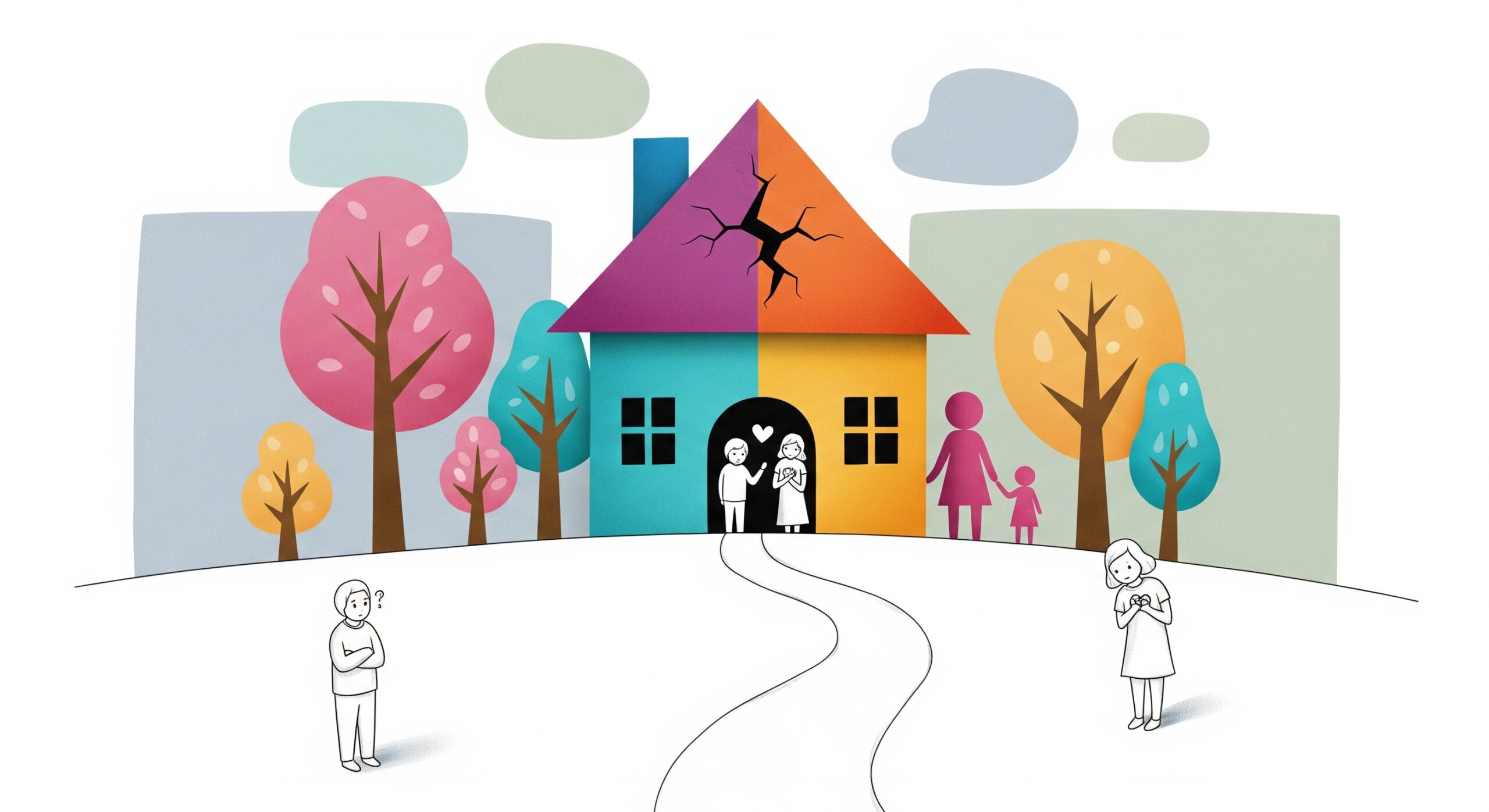
Most conversations about infidelity start and end with the physical act. Caught in bed with someone else. Case closed. But that framing misses the point entirely. The meaning of infidelity runs far deeper than a single betrayal – it’s a fracture in the foundation of trust that can take years to repair, if it heals at all.
What is Infidelity?
Infidelity is the act of engaging in romantic or physical intimacy with someone other than your partner. It is the violation of a mutually agreed-upon set of expectations within a relationship.
However, these expectations vary wildly between couples. For some, a flirtatious text message crosses the line. For others, a drunken kiss might be forgiven. Because the meaning of infidelity is defined by the unique boundaries of each relationship, any breach of those “rules” can feel like a total collapse of safety.
Expert’s Insights:
Dr Siddharth Sethi, consultant psychiatrist at BetterPlace, notes that our understanding of infidelity has shifted significantly. Historically, society focused almost exclusively on the physical aspect. However, as we move away from patriarchal norms toward equality, the definition has expanded. Today, cheating encompasses everything from physical and emotional to financial breaches. Even in non-traditional setups like open marriages or polyamory, there is still a requirement for loyalty to the agreed-upon rules.
“There are no ‘small’ betrayals in a relationship,” says Dr Siddharth. He points out that betrayal only happens where there is trust to begin with, which is why even minor deceptions can feel devastating.
Why do People Cheat?
The reasons are messier than most admit. Dr Siddharth observes several deeper emotional patterns behind infidelity. Often, it stems from unresolved problems within the relationship or as a form of “revenge cheating.” In long-distance scenarios, a lack of physical intimacy often drives the behavior. Sometimes, it’s linked to an underlying personality, specifically Cluster B traits, where the cheating becomes a routine pursuit of excitement.
Do men cheat more than women?
The assumption that men cheat more still persists in our society. While men historically reported higher rates of extra-marital affairs, women now engage in infidelity at nearly comparable rates. The damage remains the same regardless of who is behind the cheating.
What are the Types of Infidelity? & their Examples
To truly grasp the infidelity meaning in a modern context, we must look at the different ways it manifests:
1. Physical Affairs and Sexual Cheating
This is the textbook definition most people picture. Sexual contact with someone outside the relationship. It’s visceral and undeniable when discovered.
2. Emotional Infidelity Without Physical Contact
No sex involved, yet often more devastating. Your partner shares their innermost thoughts, vulnerabilities, and dreams with someone else. You become the roommate while a stranger becomes the confidant.
3. Cyber Affairs and Digital Cheating
Sexting. Explicit video calls. Secret dating app profiles. The physical distance doesn’t soften the blow. Your partner has created an entire hidden relationship through a screen.
4. Financial Infidelity in Relationships
Hidden accounts. Secret debts. Gambling losses concealed for years. This type of betrayal shreds the practical foundation of shared life. How do you plan a future with someone hiding tens of thousands in credit card debt?
5. Micro-Cheating Behaviours
These are the grey areas – consistently liking an ex’s photos, maintaining “just friends” with clear romantic undertones, or hiding certain conversations. None of it crosses obvious lines, but the pattern signals something worrying.
Emotional Impact of Extra-Marital Affairs
Immediate Psychological Effects on Betrayed Partners
The discovery hits like physical trauma. Dr Siddharth notes that betrayed partners often go through the classic stages of grief: shock, denial, anger, bargaining, depression, and acceptance. These can hit in any order. Your mind treats this discovery as a grave loss because, in many ways, the relationship you thought you had has died.
Long-term Trust Issues After Infidelity
Trust rebuilds slowly, if at all. Every late return from work triggers suspicion. Every phone notification causes a flinch. This hypervigilance exhausts both partners.
Impact on Self-Esteem and Identity
Betrayed partners often spiral into self-blame. “What did I lack?” “Why wasn’t I enough?” The affair becomes a mirror reflecting perceived inadequacies that may not exist at all.
Effects on Children and Family Dynamics
Children absorb household tension like sponges. They may not know specifics, but they sense the shift – the quieter dinners, the separate bedrooms, the forced smiles. These experiences shape their own future relationship patterns.
Understanding Infidelity for Healthier Relationships
Grasping the full infidelity meaning isn’t about excusing the behaviour. It’s about recognising warning signs, understanding vulnerabilities, and building relationships where honest communication replaces secrecy. Prevention starts with awareness.
Frequently Asked Questions
What percentage of relationships survive infidelity?
Roughly 60-75% of couples attempt to stay together after an affair. Success varies dramatically based on transparency, professional support, and both partners’ commitment to rebuilding.
Can emotional cheating be worse than physical affairs?
For many betrayed partners, yes. Physical affairs can be framed as “just sex.” Emotional affairs involve deliberate, ongoing intimacy with another person – that feels like a deeper rejection.
How do you know if your partner is having an affair?
Behavioural shifts: increased phone secrecy, unexplained absences, sudden changes in intimacy levels, defensive reactions to innocent questions. None of these confirm guilt, but they warrant honest conversation.


Anuroop Pokhriyal is a Content Specialist at BetterPlace Health. Before becoming one of BetterPlace’s first team members, he worked as a psychologist, content writer and marketer. He draws on his background in psychology to simplify complex mental health concepts and make them more accessible to readers. When he is not writing and optimising content, he enjoys playing badminton and making music.
Related Blogs