ADHD in Children: Signs, Symptoms, and Treatment Options


Children bring so much energy and life into a home. Most people expect kids to play hard and stay active. Because of this, parents often ignore it when a child cannot sit still or struggle to finish a task.
You might hear people say the child is just “energetic” or “naughty.” However, this common myth causes many children to struggle for years without the right help. When a child’s brain works differently, they are not being lazy or difficult. Understanding the truth about these brain differences gives families a lot of hope. Many parents feel a huge sense of relief when they finally learn that there is a medical reason for their child’s behaviour and understand what is adhd in children.
What Is ADHD?
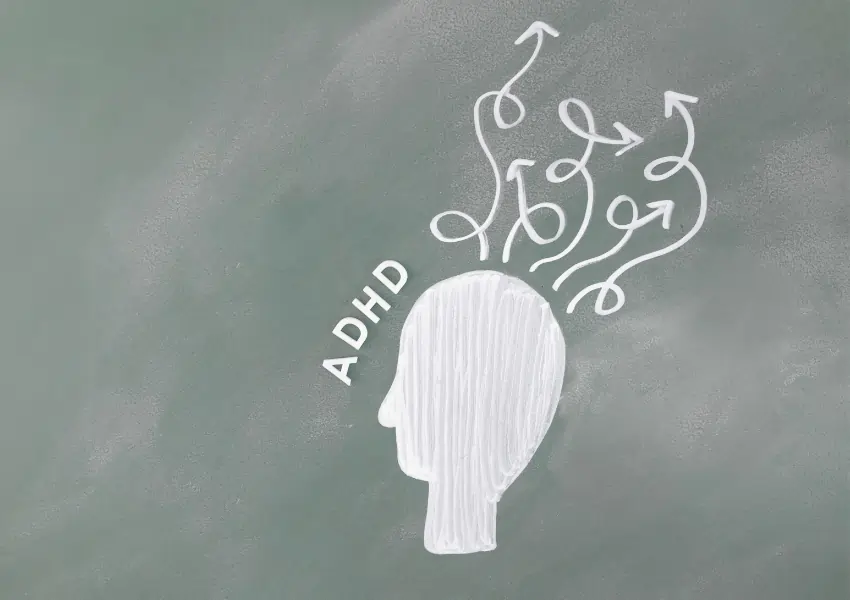
Ms Lovleena Sharma, Clinical Psychologist at BetterPlace, notes that a common hurdle in diagnosis is the cultural dismissal of symptoms, often summed up by the phrase, “bacha toh bahut chanchal hai” (the kid is just very active). This is especially prevalent among boys. ADHD stands for Attention-Deficit Hyperactivity Disorder, but the name does not fully describe the experience. Think of it this way: most brains have a steady flow of dopamine, which is the chemical that helps with motivation. In an ADHD brain, that flow is like a leaky tap. Sometimes it floods the brain, and other times it barely drips.
ADHD and Hesitation Among Parents
To help parents who may be hesitant to accept a diagnosis, Ms Sharma focuses on psychoeducation. She explains that ADHD is a neurodevelopmental disorder; your child is not being difficult deliberately, as their brain is simply wired this way. This condition affects about 5% of children globally. By drawing comparisons with other children and focusing on the child’s specific potential, we can address the symptoms that interfere with their school performance and interpersonal relationships.
What Causes ADHD in Children?
Biology and genetics are the primary drivers of this condition. Ms Sharma emphasises that because this is a neurodevelopmental disorder, it is a physical difference in how the brain is built. It is crucial to remember that parenting styles, sugar intake, or screen time do not cause ADHD.
The main factors include:
- Genetics: If a parent has ADHD, there is a 40% to 60% chance their child will have it too.
- Brain Development: Brain scans show that the prefrontal cortex—the “CEO” of the brain responsible for planning and organisation—grows at a different pace in these children.
- Neurological Wiring: As Ms Sharma notes, the child is not being difficult on purpose; their brain is simply wired differently from a typical brain.
- Prenatal Factors: Being born prematurely or having a very low birth weight can play a significant role.
- Environmental Exposure: In some cases, exposure to certain environmental toxins during pregnancy or at a young age may contribute to development.
Key Signs and Symptoms
Inattention in Daily Life
You might notice your child starts to make their bed but stops to play with a toy, eventually walking to the kitchen because they forgot their original task. Ms Sharma points out some subtle signs of adhd in kids that parents often miss: a child might struggle to focus even on subjects or activities they actually like. They might be easily distracted by slight noises or frequently seen “zoning out” and looking into a void.
Other signs of inattention include:
- Frequent Forgetting: Losing school bags, erasers, or notebooks constantly.
- Incomplete Projects: Starting many tasks but finishing none.
- Instruction Gaps: Forgetting instructions immediately after they are given.
- Careless Errors: Making mistakes on schoolwork they clearly understand.
Hyperactivity at Home and School
Hyperactivity is not just about running; it is a part of the disruption in a child’s day-to-day functioning. Ms Sharma observes that while some kids are physically restless, others experience a racing mind while their body remains still.
| Setting | Common Signs |
| Classroom | Excessive talking, moving in their seat, or blurting out answers. |
| Home | Climbing on things inappropriately, unable to play quietly. |
| Social | Interrupting others or having trouble waiting for a turn. |
Impulsivity in Social Settings
Impulsivity can make it very hard for kids to make friends. They often react with big emotions before processing the situation. Ms Sharma notes that in boys, a lack of control over impulsivity often leads to high levels of physical activity, which unfortunately increases the chances of fighting with peers.
Age-Specific ADHD Symptoms
ADHD symptoms in kids evolve as a child matures, and gender can play a significant role in how these signs appear. Ms Sharma explains that girls tend to mask their symptoms heavily; they may struggle to pay attention but work twice as hard to hide it. Boys, conversely, often show more outward impulsivity and physical aggression.
- Ages 3 to 6: Hyperactivity is the dominant sign, with children in constant motion.
- Ages 7 to 12: Inattention becomes obvious as schoolwork demands increase.
- Teenagers: The struggle shifts to internal restlessness and emotional regulation.
How is ADHD Diagnosed in Children
To understand if your child’s challenges stem from a neurodevelopmental difference, a thorough ADHD assessment is necessary. There is no single blood test that can definitively diagnose ADHD. Instead, the process involves a detailed investigation into the child’s functioning. Ms Sharma explains that psychologists look for problems in school, home life, and interpersonal issues to see how symptoms manifest “frequently.”
Professional Assessments
The diagnostic process relies heavily on structured assessments. These are designed to move beyond the “bacha toh bahut chanchal hai” dismissal and identify the child’s true potential. Common components include:
- Clinical Interviews: Ms Sharma uses these to psychoeducate parents about brain wiring and to draw comparisons with other children to provide a clearer perspective.
- Behavioural Rating Scales: Standardised forms, like the Vanderbilt or Conners scales, are used by parents and teachers to measure how often behaviours like “zoning out” or “forgetting small things” occur.
- Cognitive and Executive Function Testing: These tests assess the child’s working memory and processing speed.
- Observation and Comparison: Specialists observe the child in different settings. For girls, they look for signs of “masking,” where the child tries to hide their struggle. For boys, they look at how impulsivity might lead to fighting.
When to Consider an ADHD Test
You should consider an ADHD assessment if symptoms last for more than six months and occur in multiple settings, such as both home and school. Ms Sharma suggests looking for frequent patterns of “zoning out,” getting distracted by minor noises, or forgetting small items like notebooks. Look for these red flags:
- Grades are dropping even though the child is very smart.
- The child wants friends but keeps losing them.
- Your home life feels like a constant battle over behaviour.
- The child tells you they feel “different” or “broken.”
Treatment and Support Strategies
Behavioural Therapy
Behavioural therapy focuses on teaching concrete skills to help with school and interpersonal issues. Ms Sharma notes that as children get older, they learn to understand and work through these challenges themselves. Cognitive Behavioural Therapy (CBT) helps change thought patterns, while social skills training helps them navigate peer interactions.
If you want dedicated clinical support close by, you can also explore a child counsellor in Delhi to help with emotional regulation, routines, and school-related coping strategies alongside ADHD interventions.
Medication Management
Medication helps about 70% to 80% of children with ADHD. Ms Sharma explains that medication is typically considered when there is significant aggression or high impulsivity. It is often used to calm the child’s system enough so that behavioural therapy can actually be effective. This is a common component in the treatment of adhd in children.
Educational Support
Schools can provide IEPs or 504 plans to help a child succeed. Ms Sharma advocates for individualised education practices, such as:
- Shorter Periods: Breaking study sessions into 20-minute intervals.
- Understanding Environment: Ensuring the school is not too critical or punishing toward a restless child.
- Strategic Seating: Placing the child at the front to minimise distractions from slight noises.
Parent Training Programmes
Parent training is often the most vital step. Ms Sharma’s approach helps parents move away from the “chanchal” (restless) label and instead view the condition as a neurodevelopmental challenge. By focusing on the child’s potential, parents learn to be coaches rather than just disciplinarians.
Lifestyle and Daily Routines
Structure reduces anxiety. Important habits include:
- A strict sleep schedule and 60 minutes of daily physical activity.
- High-protein breakfasts to stabilise blood sugar.
- Visual schedules and checklists for homework.
Moving Forward
The most important message Ms Sharma shares with parents is to be patient. ADHD is not a label or a personality trait; it is a condition that can be managed. The symptoms often subside as children grow older and learn to manage themselves. By focusing on your child’s potential rather than their difficulties, you help them build the skills they need to thrive.
FAQ's of ADHD in Children
Most diagnoses occur between ages 4 and 7. Ms Sharma notes that parents sometimes delay seeking help because they dismiss symptoms as “active behaviour,” but diagnosis becomes vital once school issues and interpersonal problems occur frequently.
There is no single test, but evaluations are over 85% accurate when they include teacher reports and clinical interviews. This process ensures we are identifying a neurodevelopmental disorder rather than just a very active personality.
Yes. Ms Sharma points out that girls often mask their inattention, while boys are more likely to display impulsivity and physical activity that can lead to fighting. Both, however, can experience “zoning out” and forgetfulness.
A combination of behavioural therapy to teach skills and specialised education practices—like 20-minute study periods—is highly effective. Ms Sharma adds that medication is a tool used specifically to manage aggression or extreme impulsivity to allow therapy to work.
While ADHD is long-term, Ms Sharma explains that children learn skills as they age to control and work through it. Symptoms often subside, and children eventually learn to manage their own lives successfully.


Anuroop Pokhriyal is a Content Specialist at BetterPlace Health. Before becoming one of BetterPlace’s first team members, he worked as a psychologist, content writer and marketer. He draws on his background in psychology to simplify complex mental health concepts and make them more accessible to readers. When he is not writing and optimising content, he enjoys playing badminton and making music.
Related Blogs