
“My brother has had depression for over 4 years without any results. At BetterPlace I found out about rTMS which can help if other treatments don’t work and that has been like a miracle. Obviously i was scared initially because there was a machine but it literally was so gentle and relaxing. Dr Akul has made my brother feel like himself again and he’s finally active and lively nowadays.”
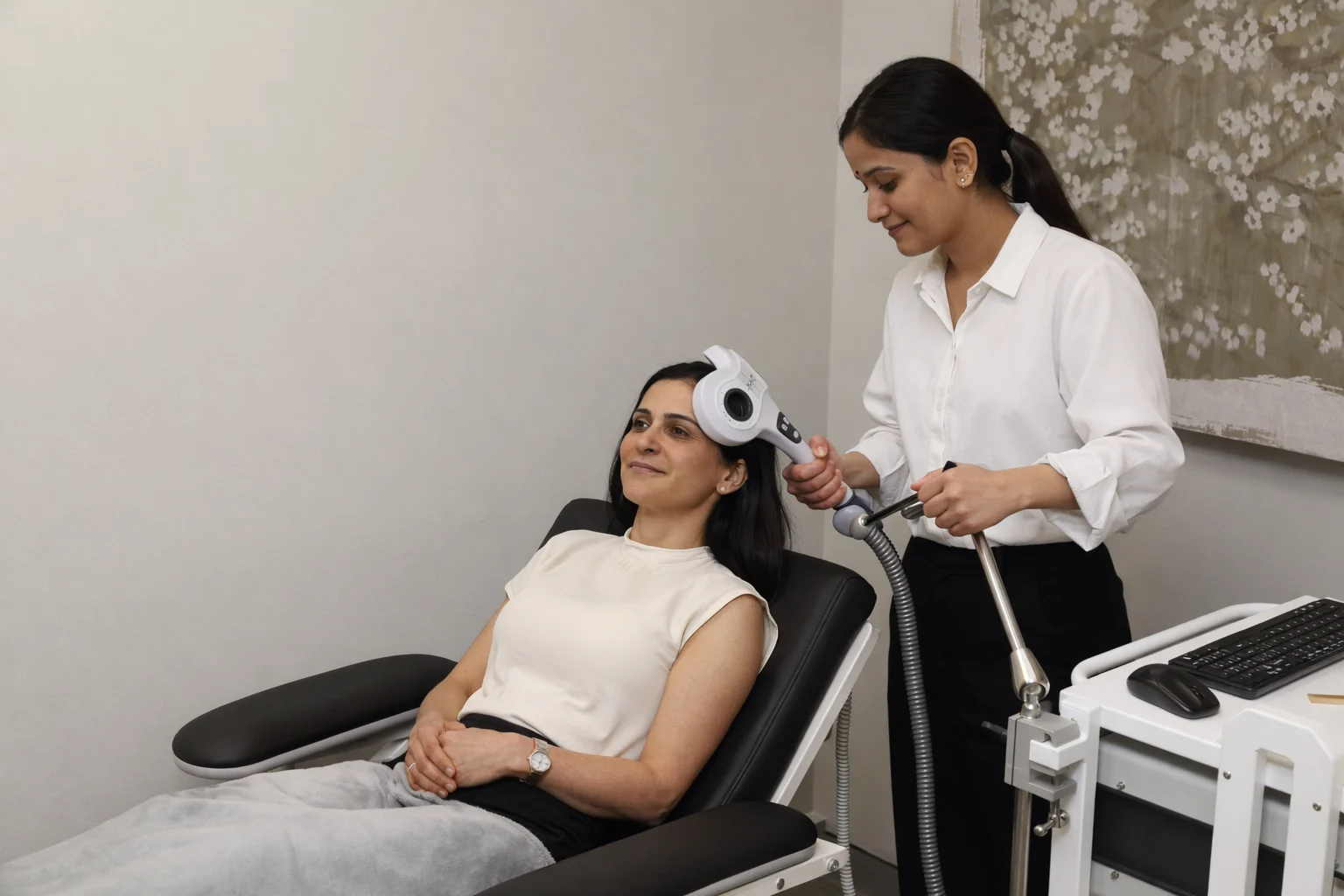
India's Most Experienced Brain Stimulation Providers
20000
+
Sessions delivered
97
%
Report early reduction in symptoms
18
Yrs +
Of administering Brain Stimulation Treatment

Brain Stimulation Treatments
Meet the People Who Make Us Better
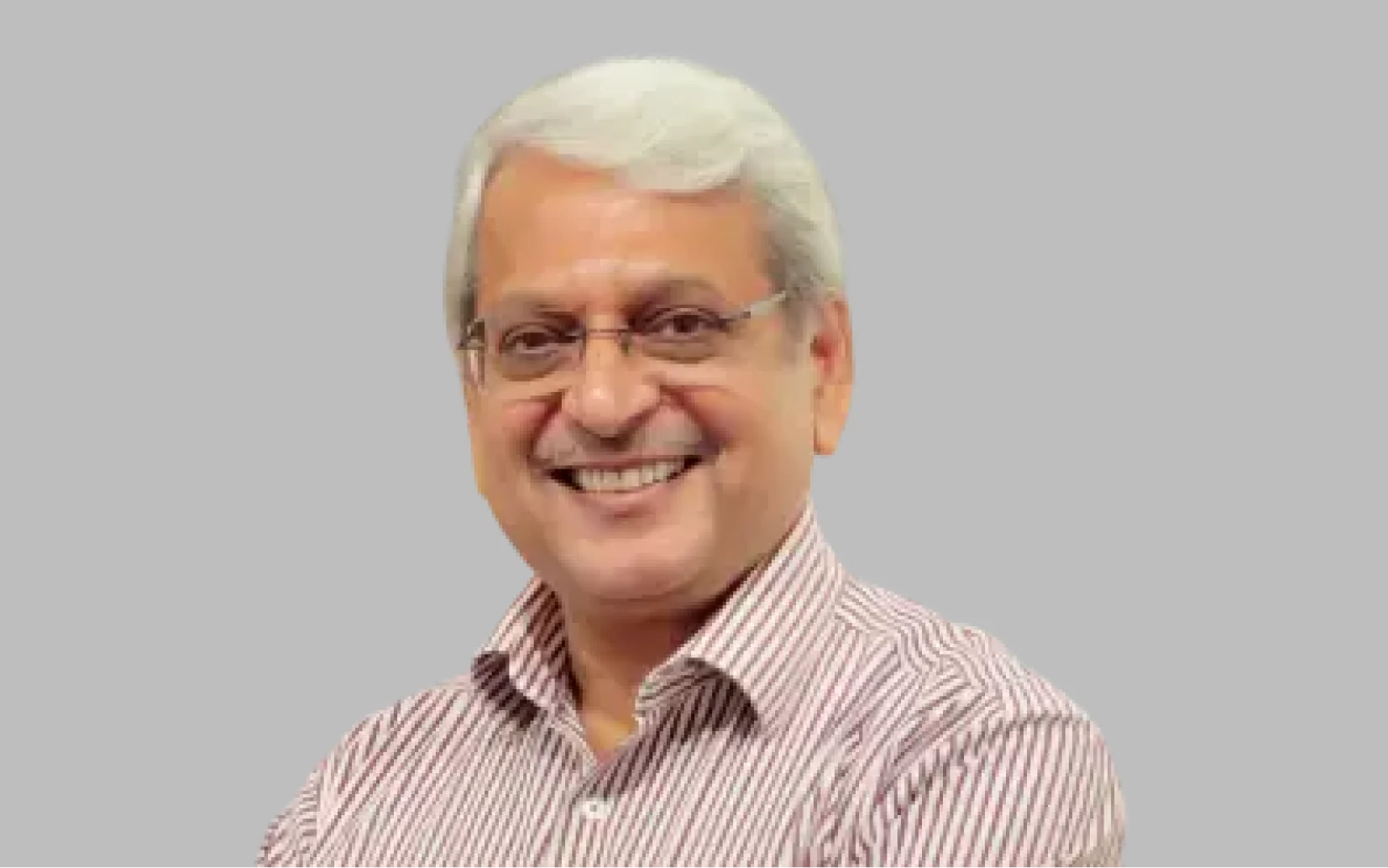
Dr. Sunil Mittal
Senior Consultant Psychiatrist


Online, in-person
Hindi, English
40+ Years Experience
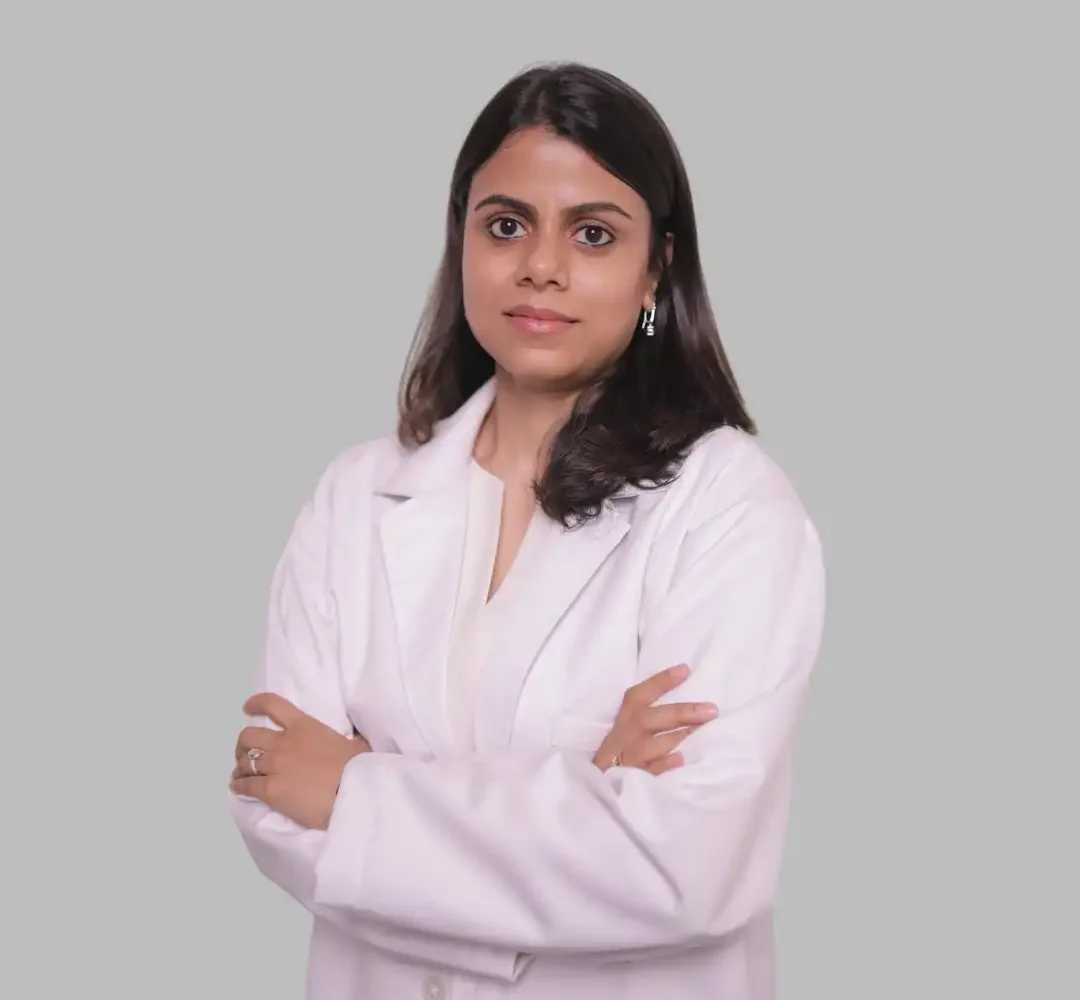
Dr. Shambhavi Jaiman
Consultant Psychiatrist
Online, In-person
English, Hindi
7+ Years Experience
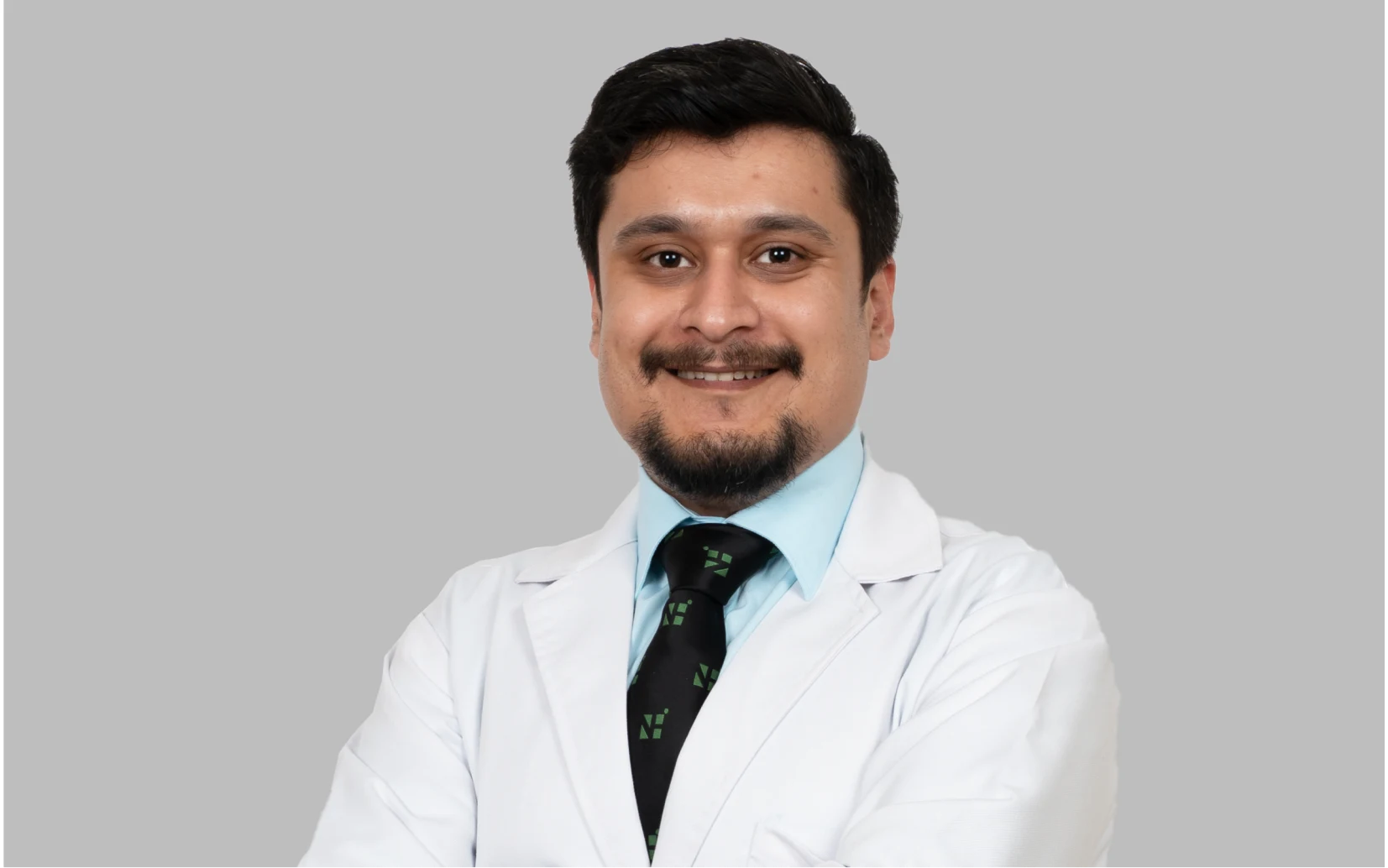
Dr. Siddharth Sethi
Consultant Psychiatrist
Online, In-person
English, Hindi, Marathi
7+ Years Experience

Dr. Akul Gupta
Consultant Psychiatrist
Online, in-person
Hindi, English
5+ Years Experience
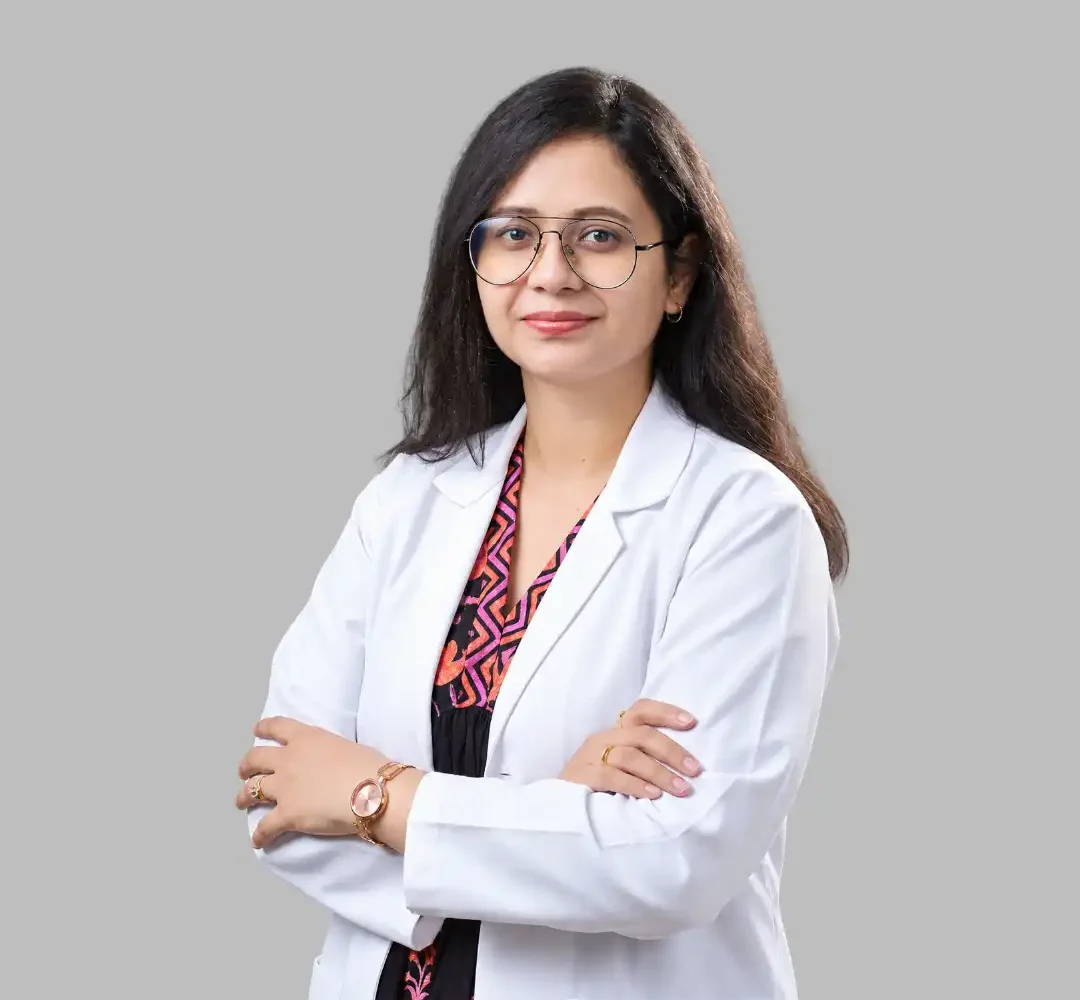
Dr. Anchal Saxena
Consultant Psychiatrist
Online, In-person
English, Hindi
4+ Years Experience
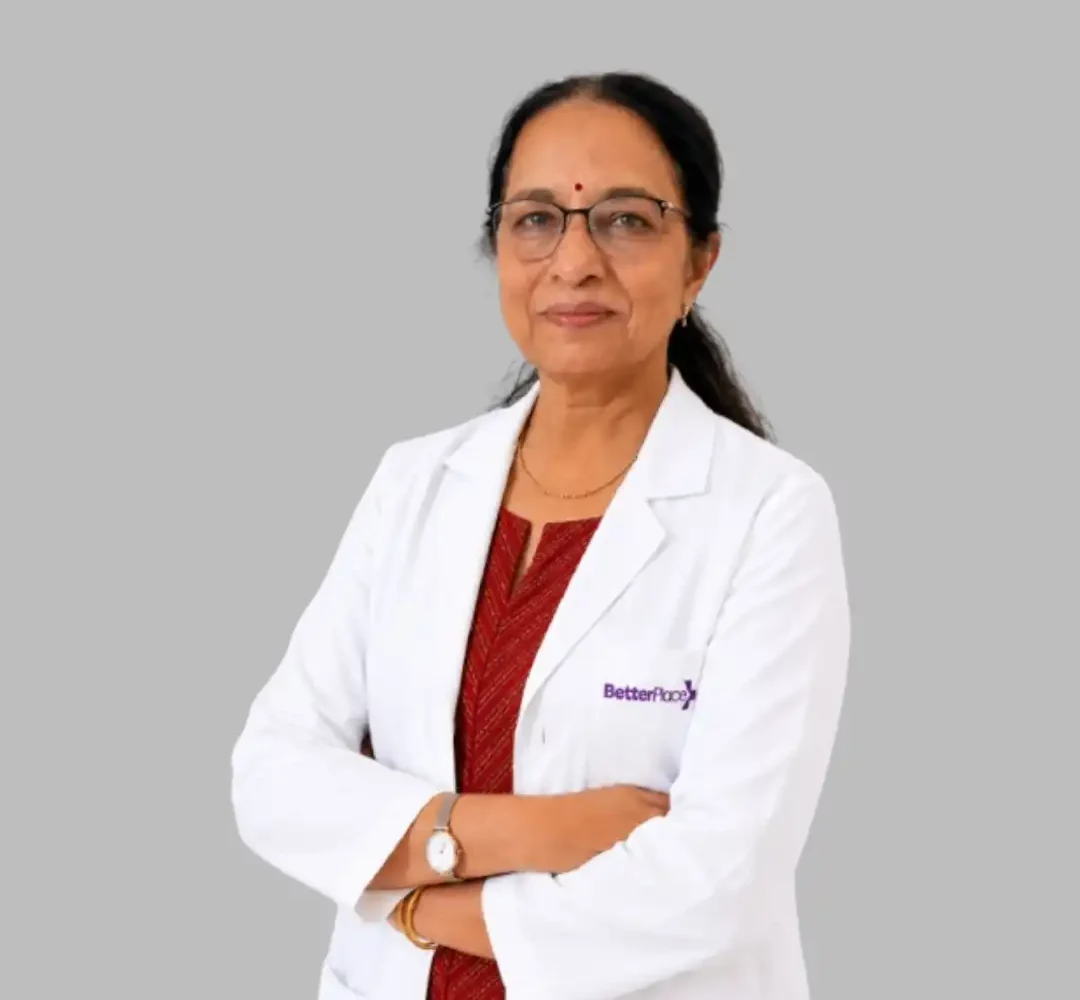
Dr. Pranita Gaur
Clinical Psychologist
Online, In-person
Hindi, English
44+ Years Experience
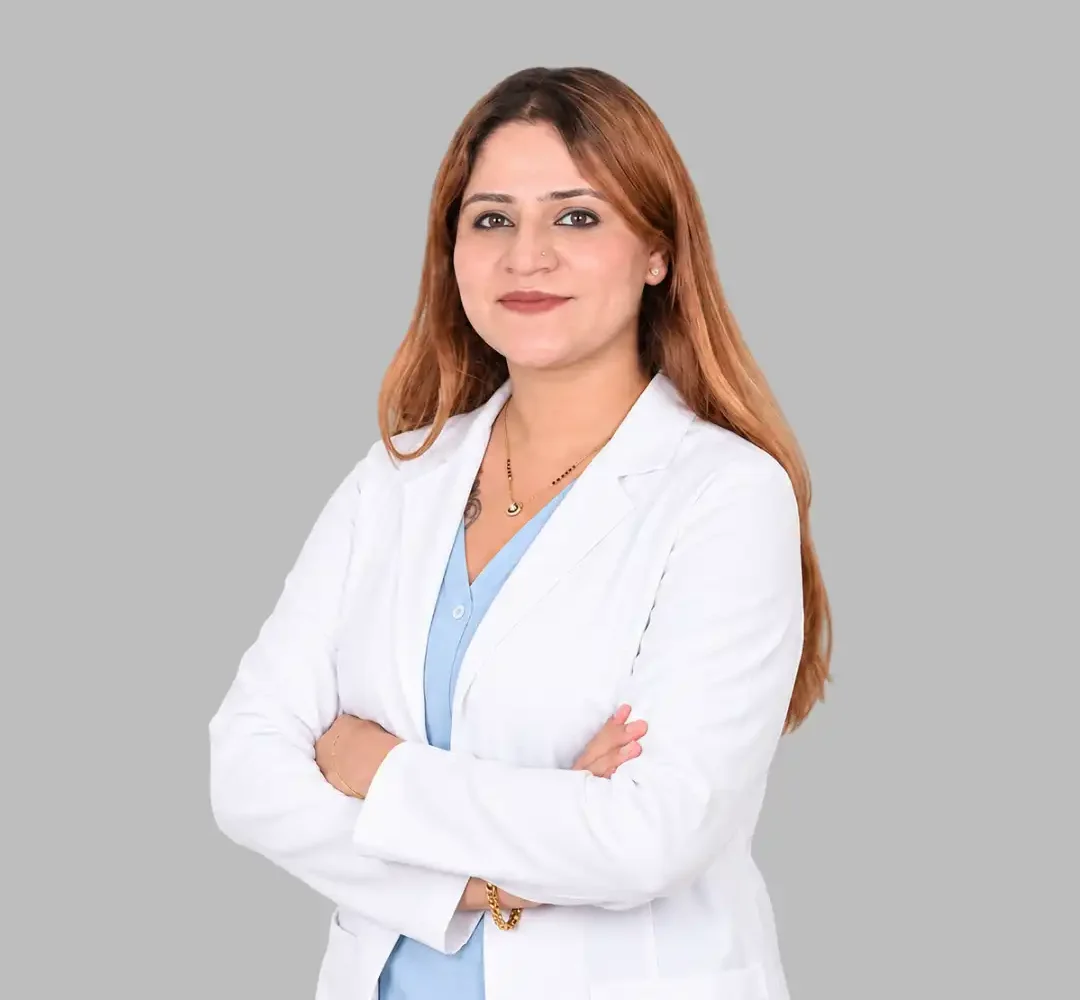
Ms. Anantika Tehlani
Clinical Psychologist
Online, In-person
Hindi, English
7+ Years Experience
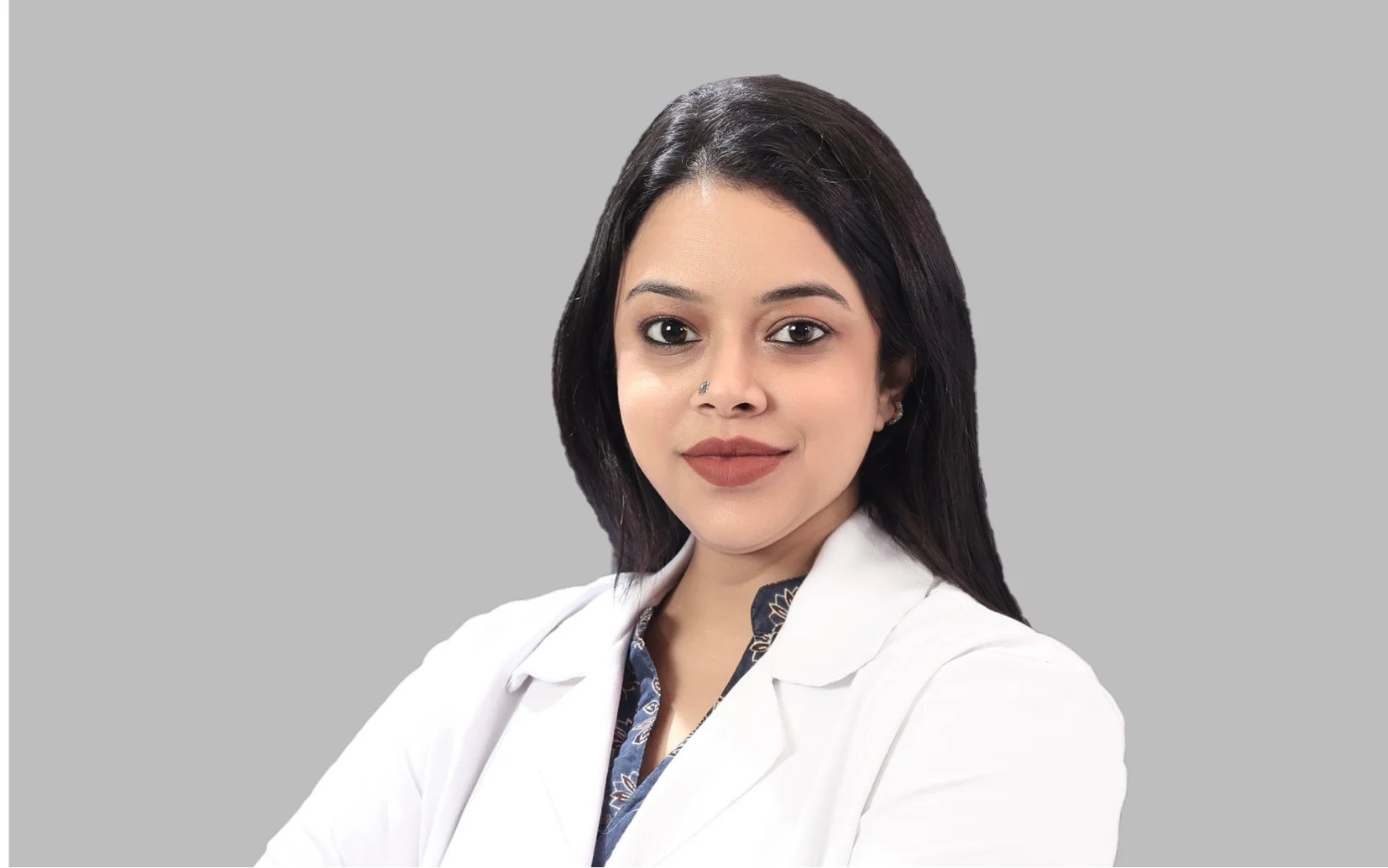
Ms. Ayushi Paul
Clinical Psychologist
Online, In-person
Hindi, English, Bengali
5+ Years Experience

Ms. Ridhi Batra
Clinical Psychologist
Online, In-person
Hindi, English
2+ Years Experience
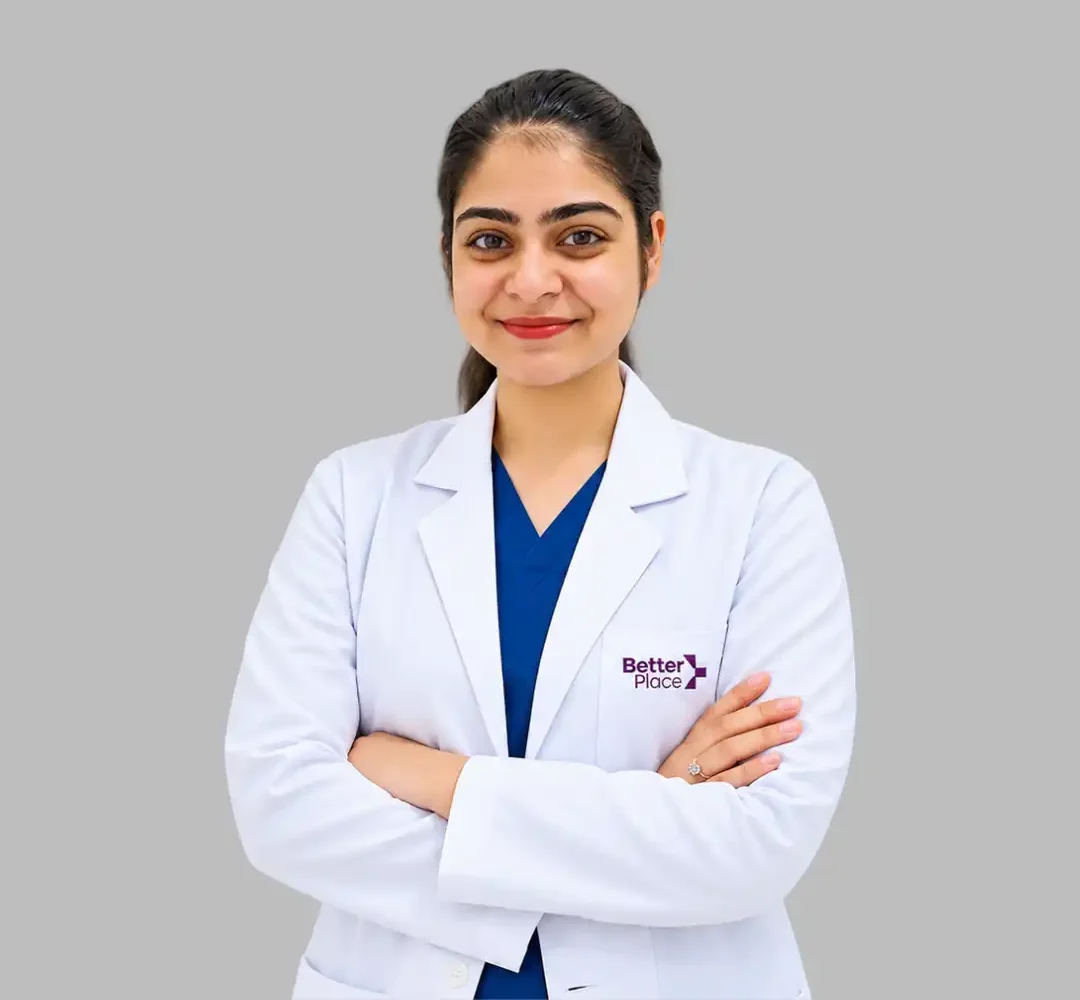
Ms. Sukanksha Sahni
Clinical Psychologist
Online, In-person
Hindi, English
5+ Years Experience
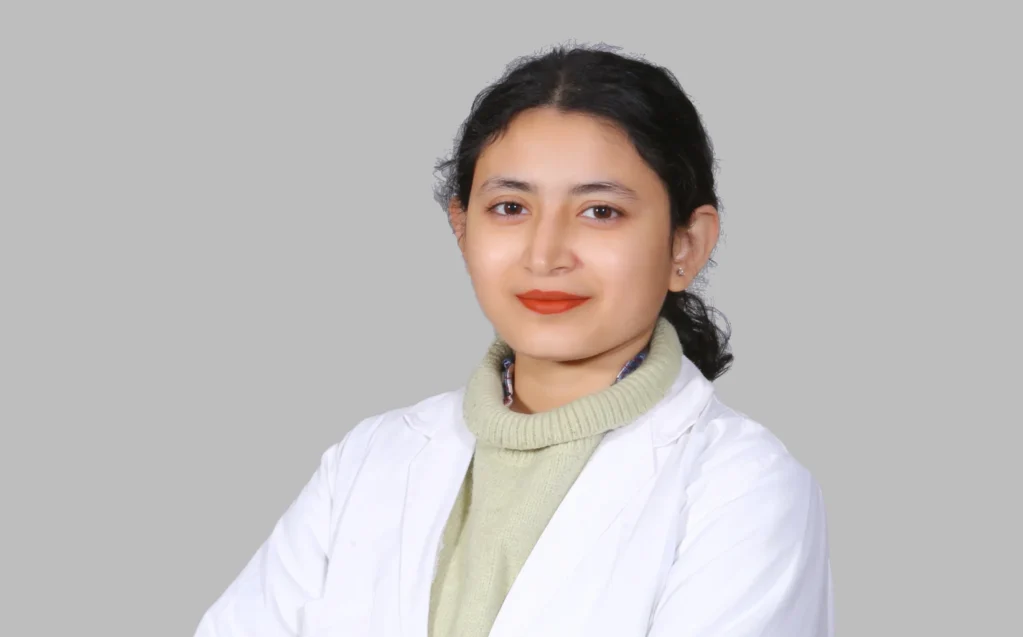
Ms. Sulagna Mondal
Clinical Psychologist
Online, In-person
Hindi, English, Bengali
3+ Years Experience
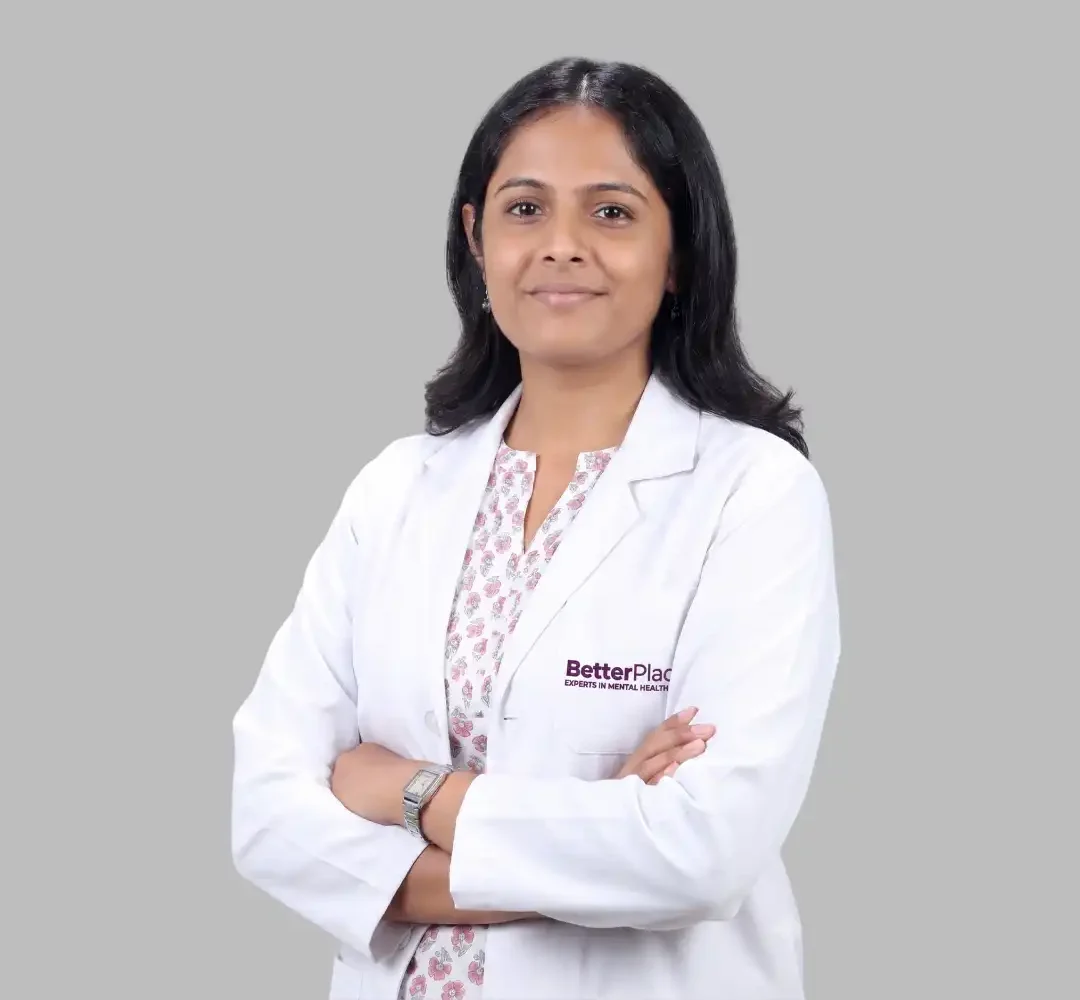
Ms. Shreya Maheshwary
Counselling Psychologist
Online, In-person
Hindi, English
2+ Years Experience
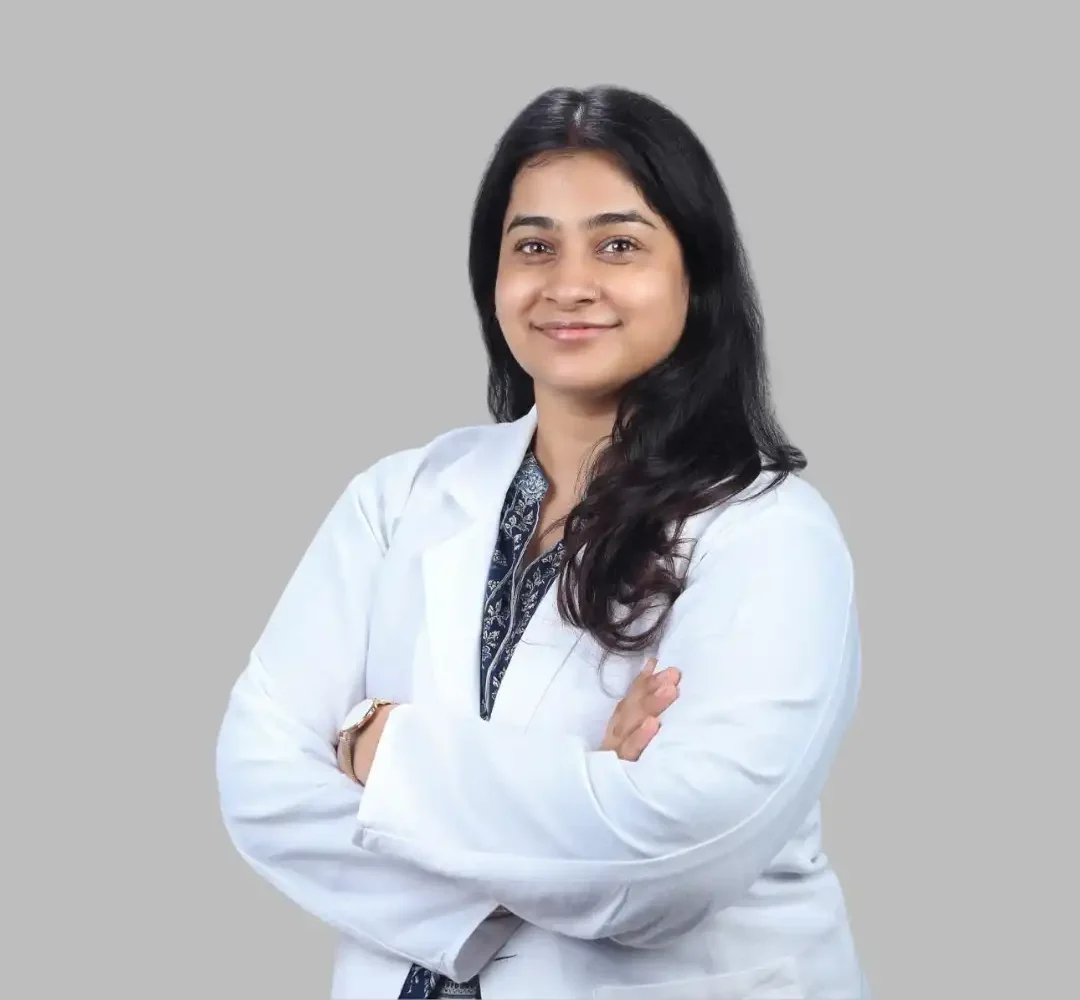
Ms. Shreeyam Mishra
Clinical Psychologist
Online, In-person
Hindi, English
2+ Years Experience
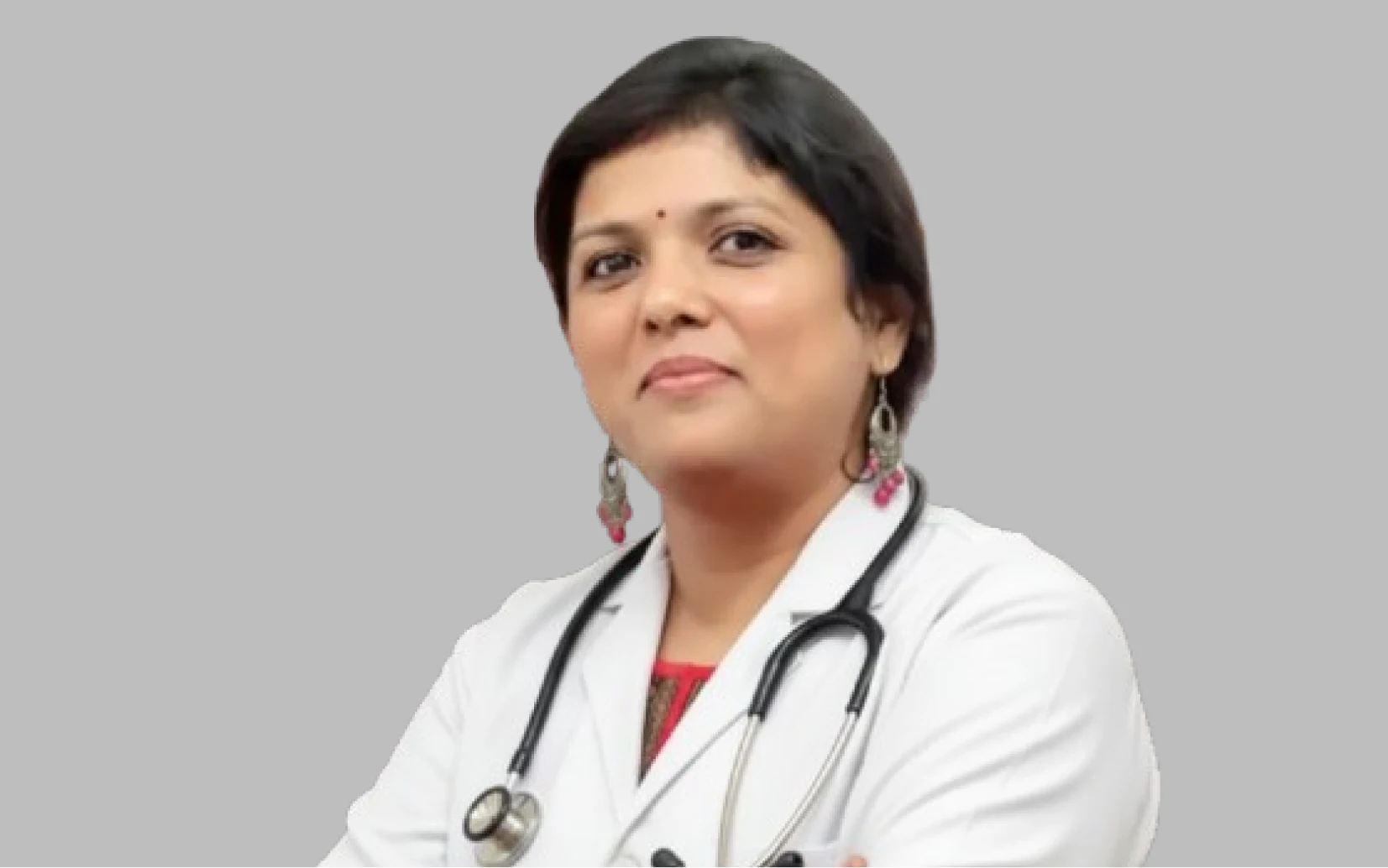
Ms. Mitali Srivastava
Senior Clinical Psychologist
Online, in-person
Hindi, English
15+ Years Experience
Find a BetterPlace Clinic Near You
Visit us or book an online consultation

BetterPlace, East of Kailash
At National Heart InstituteFirst Floor, Annexe Building D Block, East of Kailash, New Delhi
BetterPlace, Gurgaon
5th Floor, Plot No 33,Understanding Brain Simulation Therapy

What is Brain Stimulation?
Brain Stimulation treatments (rTMS, tDCS and ECT) use targeted magnetic or electrical pulses to stimulate specific areas of the brain that regulate mood, behaviour and impulse control. Unlike medication, they work directly on the brain without affecting the rest of the body.

Types of Brain Stimulation Treatments
BetterPlace offers three clinically proven treatments. Repetitive Transcranial Magnetic Stimulation (rTMS), Transcranial Direct Current Stimulation (tDCS) and Electroconvulsive Therapy (ECT). Your psychiatrist will recommend the right one based on your condition.

How is it administered?
rTMS and tDCS are out-patient procedures and require no anaesthesia. Sessions typically last 20 to 40 minutes, after which you can return to your day immediately. ECT is administered under general anaesthesia, requires a hosiptal stay and takes around 15 minutes per session.

How many sessions are needed?
The number of sessions depends on your condition and the treatment. rTMS and tDCS follow a similar approach, typically involving daily sessions over 2 to 4 weeks. ECT is usually administered 2 to 3 times a week over several weeks. Your psychiatrist will outline a personalised schedule at your evaluation.
What to Expect when Visiting BetterPlace for Brain Stimulation Therapy

Detailed First Session (90 min)
You will meet both a psychologist and a psychiatrist who will review your symptoms, treatment history and goals to understand what has and has not worked for you so far.
Diagnosis and Treatment Recommendation
Based on your assessment, our psychiatrist will confirm your diagnosis and recommend the most suitable brain stimulation treatment, whether that is rTMS, tDCS or ECT, and explain why.
Personalised Treatment Plan
Once the right treatment is identified, we design a plan around your specific condition, severity and schedule. You will know exactly what to expect, how many sessions are needed and how progress will be tracked.
Long-Term Support for Long-Term Success
Our care does not stop when your sessions end. We schedule follow-ups to monitor your progress, adjust the plan if needed and make sure the improvement you see during treatment lasts a long time.
Why Patients Choose BetterPlace for Brain Stimulation
BetterPlace

|
Most Clinics Other | |
| Initial Evaluation and Diagnosis |  |
|
| FDA-Approved Brain Stimulation Equipment | |
|
| All Three Treatments Available: rTMS, tDCS and ECT | |
 |
| Delivered by Trained Neuropsychiatrists | |
|
| Personalised Treatment Plan for Each Patient | |
|
| Medication Management Tailored to your needs | |
|
| Combined Psychiatric and Psychological care | |
|
| Dedicated Post-treatment Follow-up Support | |
|
Services we Offer
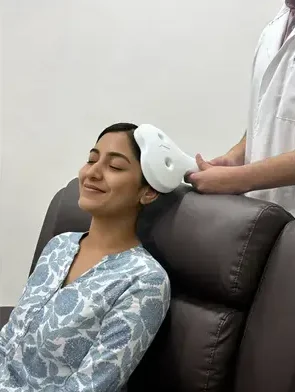
rTMS
At BetterPlace, you will find the most advanced treatments from around the globe to help overcome conditions that no longer respond well to medication or therapy.
Repetitive Transcranial Magnetic Stimulation (rTMS) is a ground-breaking treatment for conditions such as Treatment Resistant Depression (TRD), OCD and Nicotine Addiction that has proven to be effective even when medication and therapy have not shown any promising results.
It uses gentle magnetic pulses to stimulate specific areas of the brain, and is a safe, painless, non-invasive and non-surgical treatment with no side effects. It has a 2.8x better response rate for Depression, 4.5x better response rate for OCD, and a 2.9x higher quit-rate for smokers.
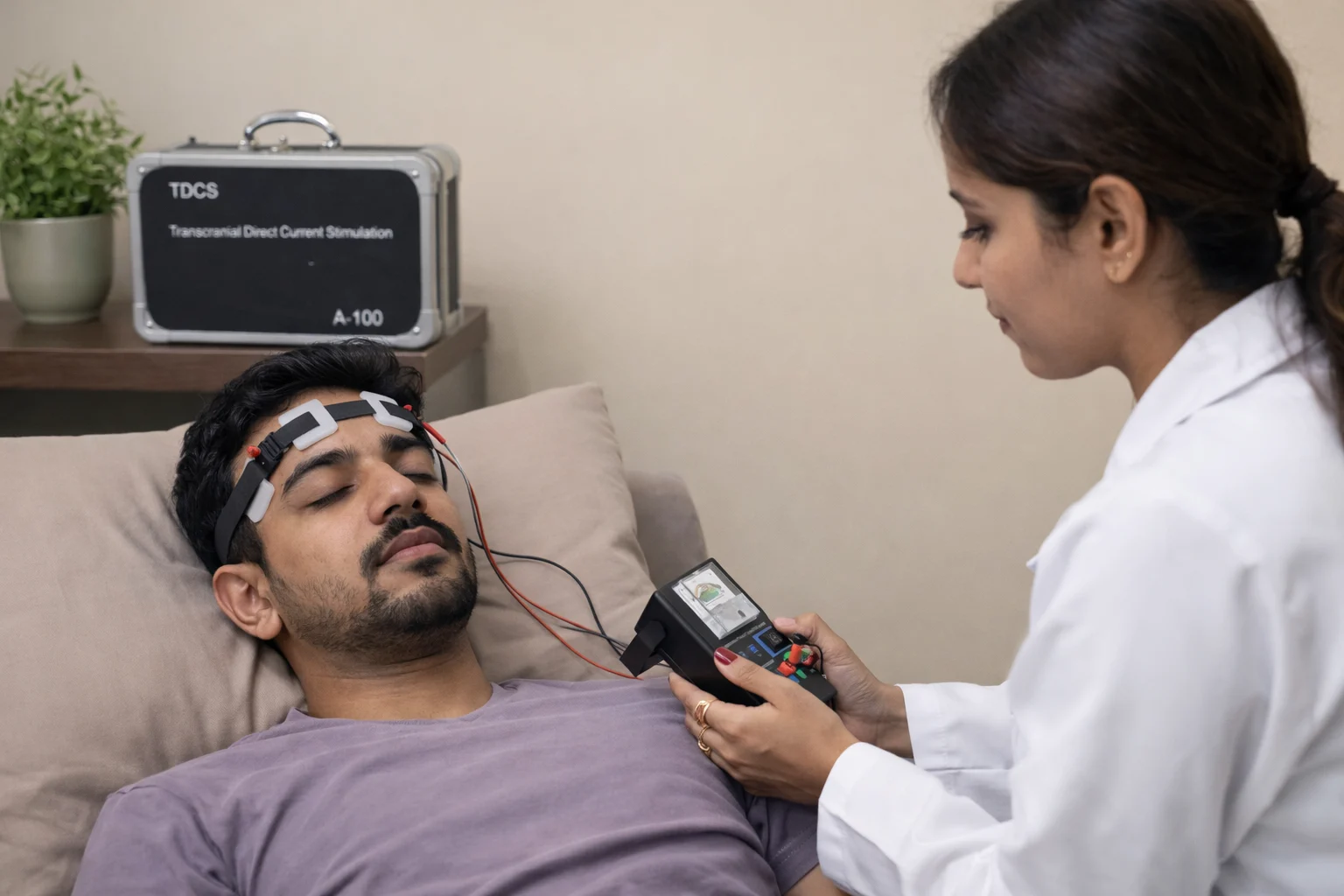
tDCS
Transcranial Direct Current Stimulation (tDCS) is a non-invasive brain stimulation treatment that delivers a low, constant electrical current to specific areas of the brain to regulate neural activity. It is one of the gentlest forms of brain stimulation available and is particularly effective for Depression and anxiety, often used alongside rTMS or therapy to strengthen and sustain results.
It uses mild electrical currents to target underactive or overactive areas of the brain, and is a safe, painless, non-invasive and non-surgical treatment with no systemic side effects. Sessions typically last 20 to 30 minutes and require no anaesthesia, meaning you can return to your day immediately after.
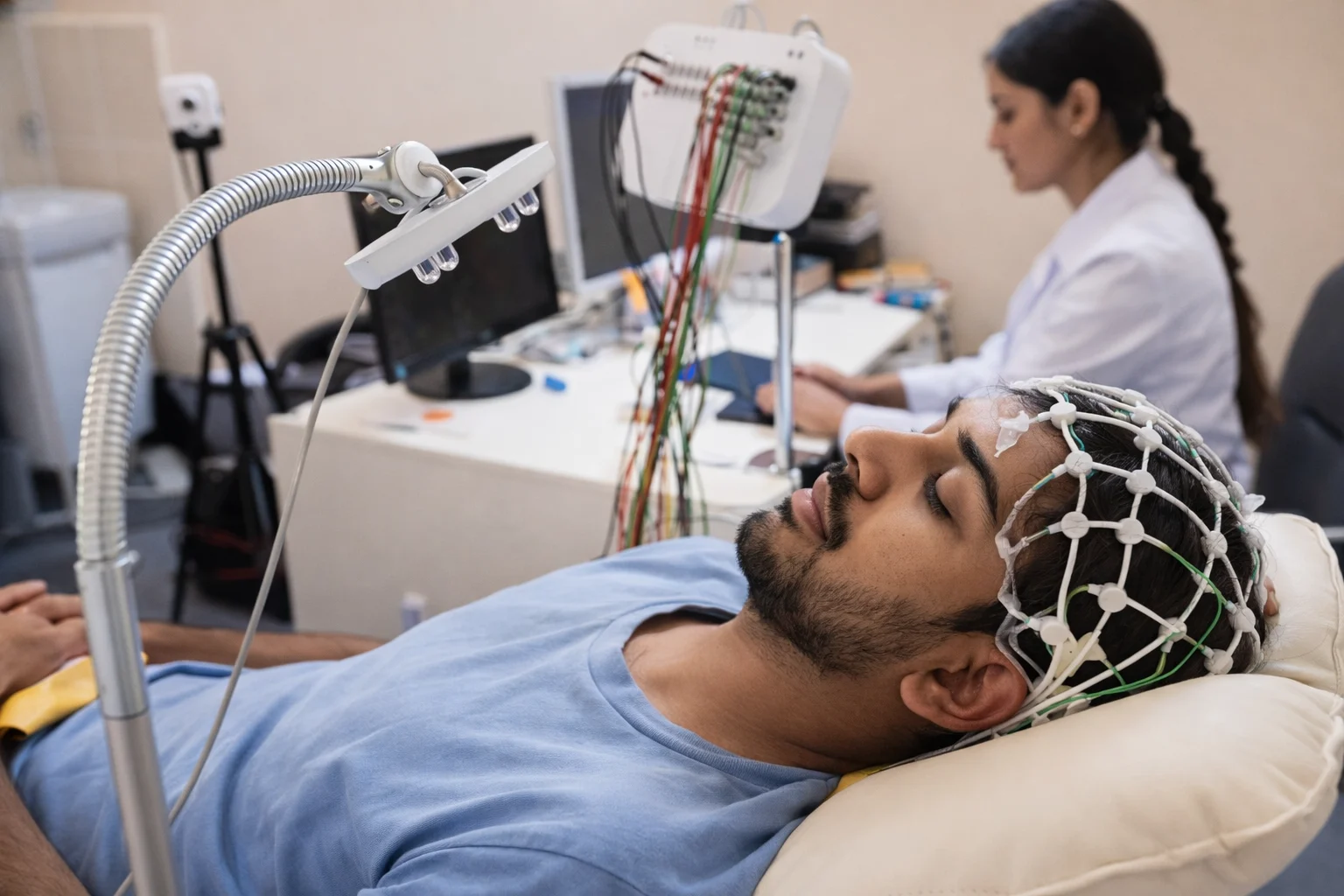
ECT
Electroconvulsive Therapy (ECT) is the most established and clinically effective brain stimulation treatment available, particularly for severe and treatment-resistant Depression, Bipolar Depression and conditions that have not responded to medication, therapy or other brain stimulation treatments.
It uses brief, controlled electrical pulses delivered under general anaesthesia to produce therapeutic changes in brain activity. Modern ECT is safe, carefully monitored and far more precise than its outdated reputation suggests. It has the highest response rate of any treatment for severe Depression and is recommended when faster, more definitive results are needed.

Psychiatry
Psychiatry at BetterPlace goes beyond prescribing medication. It is the foundation on which every brain stimulation treatment plan is built.
Before any treatment begins, our psychiatrists conduct a thorough clinical assessment to determine which brain stimulation treatment is the right fit, which protocol to use, and how to personalise the course for your specific condition and history.
Throughout treatment, they continue to monitor progress, adjust medication if needed, and ensure brain stimulation and psychiatric care are working together. Not in isolation.

Psychology
Psychology at BetterPlace is all about understanding your mind. Together with our clinical psychologists, you will explore your behavioural patterns and emotions, and use those insights to navigate your challenges.
Psychotherapy works hand in hand with brain stimulation treatments to support your recovery. Our clinical psychologists use evidence-based approaches like CBT to help you understand and change the thought patterns that drive Depression and OCD. This combination of brain stimulation and therapy leads to better, longer-lasting outcomes than either treatment on its own.
Depression
Depression is real, but it is also misdiagnosed often. Through our deep domain expertise, we first identify the root cause of your depression, then offer holistic, evidence-based treatments.
Structured treatments ● Medication management ● Brain Stimulation
Anxiety
Anxiety can be more disruptive than it may initially appear. Our integrated team of therapists, psychiatrists and psychologists helps you identify and manage your harmful anxiety triggers through a personalised, result-driven approach.
Individualised treatments ● Multi-modal approach ● Holistic approach
OCD
OCD is a complex disorder that can stem from multiple causes. Our care plans are designed to suit each patient’s unique needs and involve a combination of therapy, medication, and scientific techniques like rTMS.
Personalised therapy ● rTMS treatment ● Holistic care plan
Bipolar
The exact cause of bipolar disorder is not fully understood, but it includes a combination of genetic, biological, and environmental factors. Imbalances in brain chemicals and changes in the structure or function of the brain may also play a role.
Multi-modal approach ● Holistic approach ● Medication Management
Schizophrenia
Schizophrenia might be a lifelong condition, but it can be managed with proper medication and therapy. We offer holistic, outcome-oriented treatments for patients and their caregivers.
Psychosocial treatments ● Family-focused therapy ● Medication management
Transformation Stories at BetterPlace!

“I started smoking at 16—each cigarette felt like a warm hug, sharpening my focus. When I learned I was at risk of cancer, I tried everything to quit, but nothing worked. Then I found BetterPlace’s smoking cessation programme, which included rTMS therapy. It significantly reduced my cravings. I’ve gone from three packs a day to just one. There’s still a long way to go, but progress is progress!”
“I’d tried almost every clinic in Delhi but no one seemed able to cure my depression. Then Better Place happened and my life truly changed for the better. And it all started when Dr Akul recommended I try rTMS, this really fancy technology that not many clinics have but Better Place worked wonders for me and i feel so much better. The doctors were very gentle also.”
Frequently Asked Questions
You will meet both a psychiatrist and a psychologist who will review your symptoms, diagnosis and treatment history. Based on this assessment, they will recommend the most suitable brain stimulation treatment for your condition.
No. The first session is purely an evaluation. Treatment begins only after your psychiatrist has confirmed your diagnosis, assessed your suitability and designed a personalised treatment plan.
BetterPlace offers three clinically proven brain stimulation treatments: Repetitive Transcranial Magnetic Stimulation (rTMS), Transcranial Direct Current Stimulation (tDCS) and Electroconvulsive Therapy (ECT). Your psychiatrist will recommend the right one based on your condition and history.
Your psychiatrist will determine this during the initial evaluation based on your diagnosis, the severity of your condition and your previous treatment history. You will not be defaulted to one treatment without a thorough assessment first.
Yes. rTMS and tDCS are non-invasive, require no anaesthesia and have no systemic side effects. ECT is administered under general anaesthesia and is carefully monitored throughout. All three treatments are clinically established and used in leading psychiatric centres worldwide.
With rTMS you may feel a mild tapping sensation on your scalp during the session. tDCS produces a light tingling feeling at the point of contact. ECT is performed under general anaesthesia so you will not feel anything during the procedure.
rTMS and tDCS sessions typically last 20 to 40 minutes. ECT sessions take around 15 minutes. All three are outpatient procedures and you can return to your daily activities the same day.
rTMS and tDCS typically involve daily sessions over 2 to 4 weeks. ECT is usually administered 2 to 3 times a week over several weeks. Your psychiatrist will outline a specific schedule at your evaluation based on your condition and response to treatment.
The BetterPlace clinic is open from 9:00 am – 5:00 pm on Monday, Wednesday, Thursday, Saturday and 9:00 am – 7:00 pm on Tuesday, Friday
Our psychiatrists and psychologists provide both online and offline consultancy. However, some specialised therapy techniques like relaxation therapy, rTMS or tDCS can only be administered in person, at our clinic.
