
What Is Schizoaffective Disorder, Bipolar Type, ICD 10?


Doctors often find it difficult to give a precise mental health diagnosis because so many symptoms look the same. This is especially true for schizoaffective disorder, bipolar type.
This condition combines the long-term reality of psychosis with the high-energy swings of bipolar disorder. Because it shares traits with both schizophrenia and bipolar disorder, it is very easy to confuse them. However, getting the right label is the only way to find a treatment plan that actually works. This guide will explain exactly what the medical code F25.0 means and how it helps doctors provide better care. By understanding these specific details, you can better navigate the journey toward stability and health.
What is the ICD-10?
The ICD-10 stands for the International Classification of Diseases, 10th Revision. Think of it as a massive, global “dictionary” or “encyclopaedia” for every health condition imaginable. It was created by the World Health Organisation (WHO) to ensure that doctors everywhere are speaking the same language.
What it does
It assigns a unique code to every injury, disease, and mental health condition. For example, instead of just writing “a specific type of mood and thought issue,” a doctor uses the code F25.0. This code acts as a universal shorthand that tells other medical professionals exactly what symptoms and criteria were met.
What it is used for
- Accuracy: It helps doctors provide the right diagnosis by following strict rules for each code.
- Consistency: If you move to a new city or see a different specialist, the code ensures your new doctor understands your history instantly.
- Tracking: Health organisations use these codes to track how common certain illnesses are and how to better allocate resources.
- Insurance: It is the standard used for billing and insurance claims to prove why a specific treatment or medication is necessary.
ICD-10 Classification: Code F25.0, Schizoaffective Disorder, Bipolar Type
When a clinician looks up schizoaffective disorder ICD-10, they are guided toward specific categories that distinguish mood types. The classification for ICD-10 schizoaffective disorder bipolar type ensures that both the psychotic and manic elements are formally recognised in the patient’s record.
Definition and Core Features
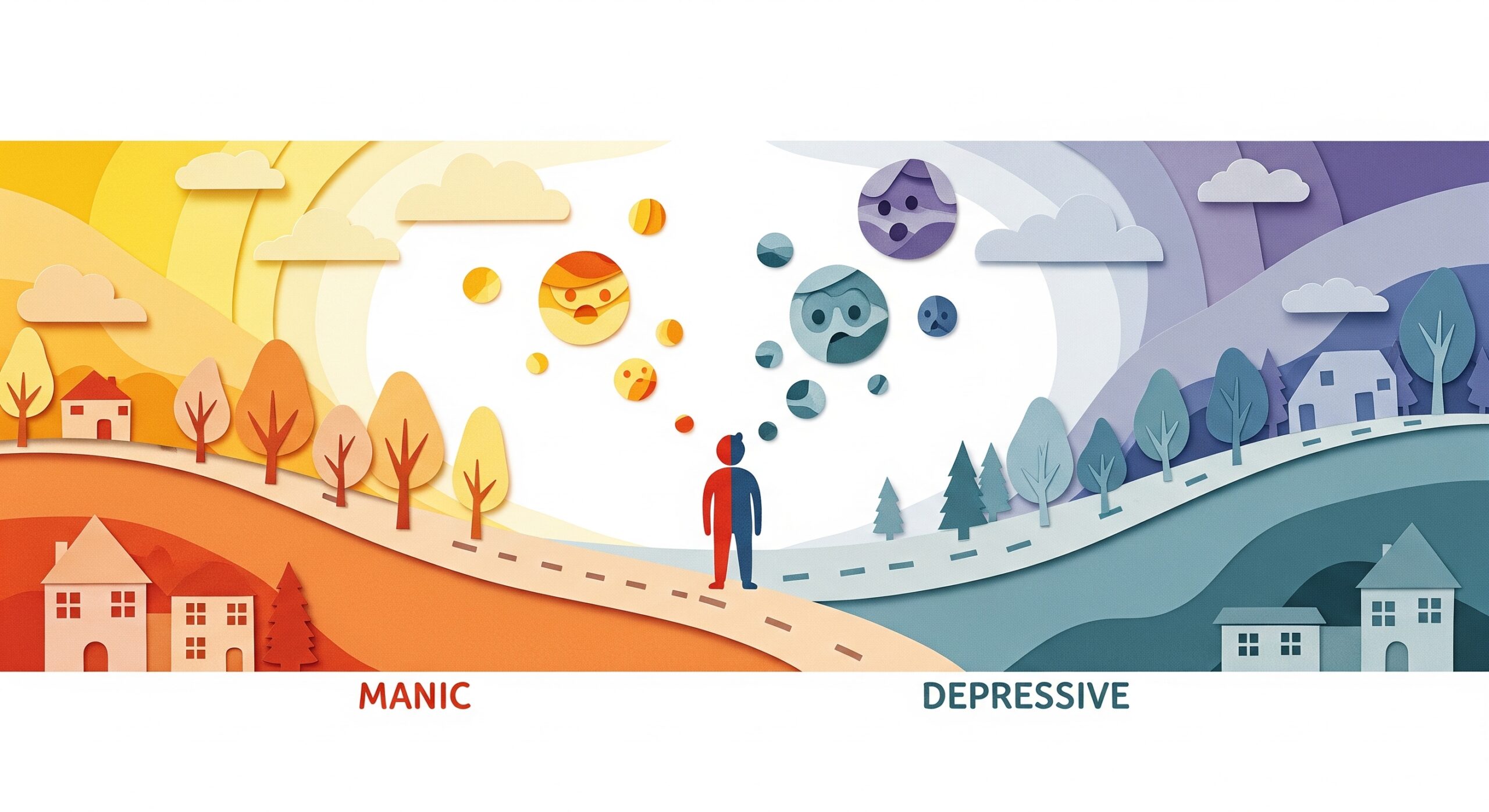
Doctors use this diagnosis when a person experiences persistent psychosis alongside clear bipolar mood swings. Ms Ayushi Paul, Clinical Psychologist at BetterPlace, says that while schizophrenia and bipolar disorder are different categories, some patients experience a significant overlap between the two. In the bipolar type of this disorder, manic symptoms are the most visible. These include periods of very high energy or agitation, though the person might also go through phases of major depression involving frequent crying spells.
The most important feature of this condition is that psychosis must happen on its own. Ms Paul notes that this involves long-standing psychosis where you might experience symptoms for years, while your mood symptoms simply come and go. This key detail separates it from mood-dependent psychosis, where hallucinations or delusions only appear during a specific depressive or manic state. In the F25.0 classification, the reality distortion is the constant backdrop of your life, not just a side effect of a mood swing.
To distinguish symptoms clearly (and document them correctly), structured clinical assessments can help clinicians track symptom timelines and severity over time. If you’re trying to confirm whether symptoms fit bipolar disorder with psychotic features versus schizoaffective disorder, consulting a psychiatrist in Gurgaon can help ensure medication and diagnosis align with the ICD criteria.
Causes of Schizoaffective Disorder, Bipolar Type
The exact cause of schizoaffective disorder, bipolar type, is not fully understood, but it is generally considered a result of several overlapping factors:
- Genetics: A family history of schizophrenia or bipolar disorder significantly increases your risk.
- Brain Structure: Differences in brain chemistry, particularly with neurotransmitters like dopamine and serotonin, play a major role.
- Environmental Stress: High-stress events or trauma can trigger the onset of symptoms in people who are already biologically vulnerable.
- Substance Use: While not a direct cause, the use of mind-altering drugs can worsen symptoms or trigger a first episode.
If you want a simple way to understand the psychosis piece, this guide on hallucination vs delusion makes the distinction clearer.
Symptoms of Schizoaffective Disorder, Bipolar Type
Symptoms are divided into psychotic and mood-related categories. Ms Paul points out that these often fluctuate over time:
- Psychotic Symptoms: These include hallucinations (hearing or seeing things) and delusions (strong, false beliefs). In this type, persecutory beliefs (feeling targeted) are common.
- Manic Symptoms: You may experience racing thoughts, decreased need for sleep, and aggressive outbursts during a manic phase.
- Depressive Symptoms: These include deep sadness, loss of interest in activities, and what Ms Paul describes as “crying spells” or feeling like a “damsel in distress.”
- Cognitive Issues: Difficulty with memory, organisation, or focusing on daily tasks.
Diagnostic Criteria and Clinical Features
To confirm this diagnosis, a doctor looks for specific psychotic features. These include delusions, which are strong beliefs in things that are not true, or hallucinations, which involve seeing or hearing things that are not there. Ms Paul explains that in this specific disorder, you are less likely to experience grandiose tendencies and more likely to deal with persecutory beliefs. The person must also meet the full criteria for mania or hypomania, often presenting with aggression during a manic phase.
The clinical guidelines usually require the following:
- Psychosis must be present for at least two weeks without any mood symptoms.
- The person must have at least one manic episode in their history.
- A doctor must rule out drug use or other medical illnesses before using the code F25.0.
Tracking these symptoms over time is vital because they can fluctuate. However, clinicians often face hurdles during this process. Ms Paul points out that a lack of reliable informants or inadequate patient history can make a diagnosis difficult. If your persecutory beliefs are high, you might become secluded and hesitant to share what is happening in your mind. Because of this, Ms Paul emphasises the importance of gathering reliable information from your close family members to build an accurate clinical picture.
If you’re seeking medication support and diagnostic clarity early (before symptoms escalate), starting with psychiatry is often the most direct route.
Code-Specific Risks
The code F25.0 tells doctors that there are specific risks to watch for. People with this diagnosis have a higher risk of relapse if they stop their medication, especially since the psychosis is a long-standing feature. There is also a significant risk of suicide during “mixed states” or deep depression.
Doctors must also monitor physical health. The long-term medications for this condition can affect metabolism and heart health. It is important to check blood sugar and cholesterol levels regularly. Beyond medicine, life stability is just as important. Having a supportive family, a safe place to live, and a steady job can help prevent symptoms from returning.
Key Information: ICD-10 code for schizoaffective disorder bipolar type
| Term | Definition |
| Code | F25.0 is the official ICD-10 code for this condition. |
| Primary features | It involves psychosis plus bipolar episodes. Ms Paul notes that psychosis persists independently of mood swings. |
| Treatment focus | Doctors use a mix of medication and structured therapy to manage functional impairments. |
When doctors use this code in your medical records, they must record the timing and duration of your symptoms. This ensures that any other professional who treats you knows exactly what you have experienced in the past.
Conclusion
The code F25.0 is not a general label for any complex mood issue. It is a very specific category. It requires clear evidence that psychosis exists independently of mania or depression. Ms Paul highlights that while these disorders are distinct, the overlap requires an adequate history and reliable input from those closest to you to ensure accuracy. When doctors follow these guidelines and document symptoms carefully, the code becomes a tool for better healing. Accurate coding leads to more personalised care and a better chance for long-term stability.
Frequently Asked Questions
The exact entry is F25.0. This is the global standard code used by hospitals and insurance companies to categorise this specific overlap of symptoms.
While most clinical references require a period of at least two weeks, Ms Paul notes that clinical diagnosis often looks for one month of psychotic symptoms. These must be accompanied by functional impairments that are not better explained by other medical or psychiatric conditions.
The primary distinction is the timing of the psychosis. Ms Paul explains that in bipolar disorder (Types 1 and 2), hallucinations and psychotic symptoms only arrive when you are in a specific depressive or manic state. Mania in those cases generally lasts two to three weeks and often includes grandiose tendencies. In contrast, schizoaffective disorder involves long-standing psychosis that persists even when your mood is stable.
Yes, many people lead full lives. Success depends on consistent treatment and a strong support network. Ms Paul mentions that challenges like persecutory beliefs can make a person feel secluded, but addressing both the “come and go” mood symptoms and the persistent psychosis allows for better management. With a good plan, you can finish school, hold jobs, and maintain healthy relationships.


Anuroop Pokhriyal is a Content Specialist at BetterPlace Health. Before becoming one of BetterPlace’s first team members, he worked as a psychologist, content writer and marketer. He draws on his background in psychology to simplify complex mental health concepts and make them more accessible to readers. When he is not writing and optimising content, he enjoys playing badminton and making music.
Related Blogs