
“I’d tried two different antidepressants and neither really worked. A friend suggested I look into tDCS and I thought it sounded a bit out there. But three weeks in, I just felt… lighter. Like the fog had lifted a bit. I’m really glad I gave it a shot.”
Why Psychiatrists Recommend tDCS for Depression
2.1
x
Higher Remission Rate
2.0
x
Higher Response Rate
58
%
Reached Remission in 10 Weeks

Brain Stimulation Treatments
How tDCS Works at BetterPlace
What is tDCS?
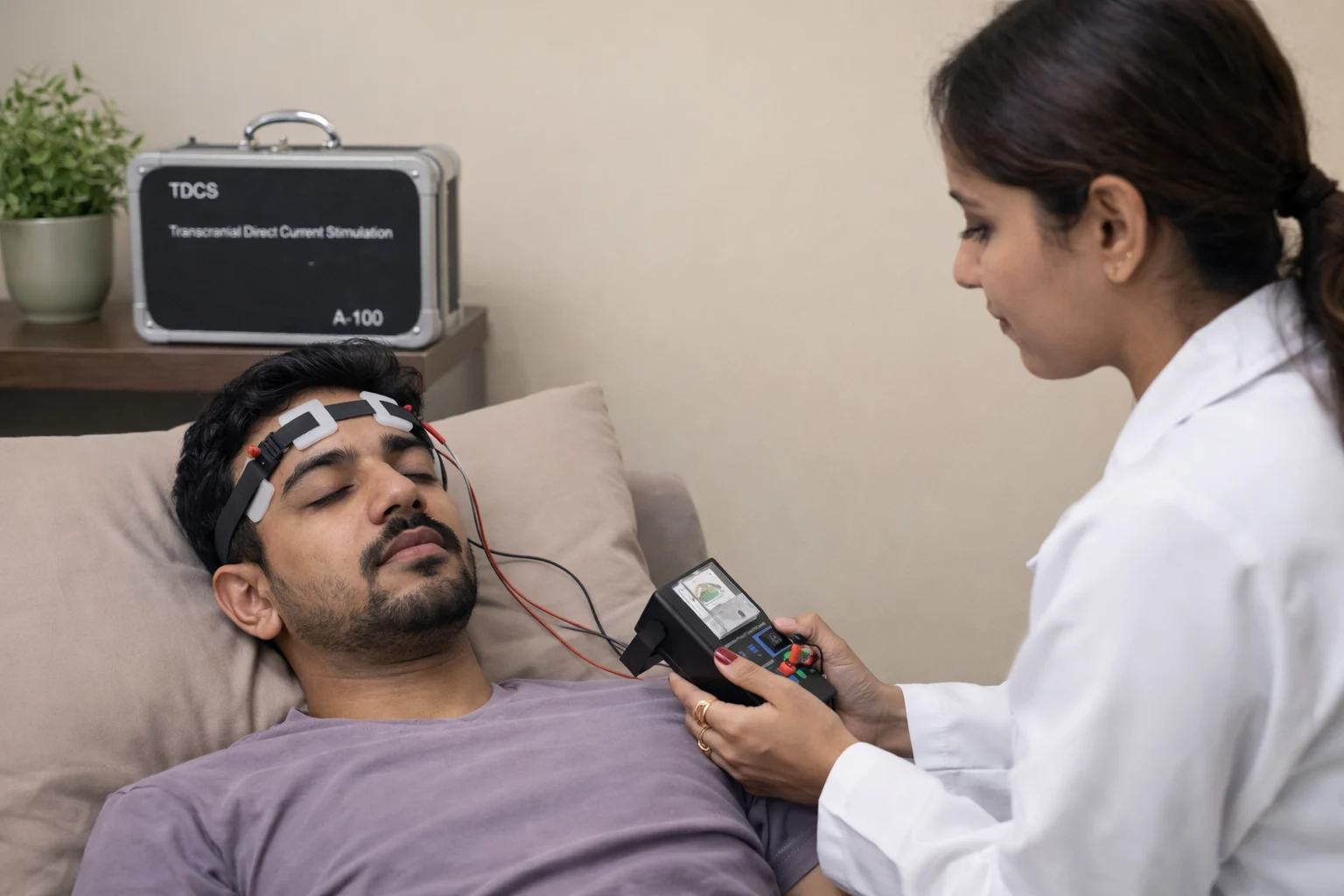
tDCS, or Transcranial Direct Current Stimulation, is a gentle treatment for depression. It sends a weak current through two pads on your scalp to help the brain areas linked to mood work better.
Does tDCS Actually Work?
Yes. Research shows tDCS can ease depression. In clinical trials, about twice as many people improved with tDCS as with a placebo, and it often works best alongside medication.
Is tDCS Safe?
tDCS is safe and non-invasive, with no anaesthesia or surgery. Most people feel only a mild tingling on the scalp, and any redness or headache afterwards usually fades within hours.
How is tDCS Administered?
You stay awake and seated while your clinician places two damp sponge pads on your head. A session lasts 20 to 30 minutes, and you can go back to your day straight after.
Why BetterPlace is the Right Choice for your tDCS Treatment
20,000
+
Sessions Delivered
18 Yrs
+
Of administering ECT
97
%
Report early reduction in symptoms
4.8
/5
Patient Experience Rating
Overview of tDCS Treatment
What Is Transcranial Direct Current Stimulation (tDCS)?
Transcranial Direct Current Stimulation (tDCS) is a non-invasive neuromodulatory treatment that uses constant, low electrical current to modulate brain activity. Electrodes are placed on your scalp to deliver gentle current to targeted areas in the brain, which either inhibit or stimulate brain activity. Unlike other forms of intense brain stimulation techniques, tDCS uses low current that causes minimal discomfort. People who have undergone tDCS therapy generally describe the feeling as mild tingling.
Read MoreHow Does tDCS Work?
Understanding the Science Behind tDCS : Transcranial Direct Current Stimulation (tDCS) uses low-intensity electrical currents to stimulate specific regions of your brain. By modulating the activity in targeted areas, tDCS treatment can help influence neural pathways linked to mood, cognition, and behaviour. This non-invasive technique is often used as a complementary approach in mental health treatments, aiming to improve symptoms for conditions such as Depression, Anxiety, and more by gently adjusting the activity patterns of your brain.
Procedure and What to Expect : During tDCS therapy, you sit comfortably in a chair as a psychiatrist or a technician carefully positions electrodes on specific areas of the scalp. These electrodes deliver a low, controlled electrical current, targeting particular brain regions to modulate neural activity. When this treatment is delivered as part of a medically supervised care plan, it usually sits within broader psychiatry support.
Benefits of tDCS
Non-Invasive and Drug-Free : tDCS brain stimulation is a non-invasive procedure that doesn’t require medications, making it an attractive alternative if you are looking for drug-free treatment options for mental health and cognitive disorders. It stimulates your brain activity without surgery or injections.
Cognitive Enhancement Potential : Research shows that tDCS can enhance cognitive functions such as memory, focus, and learning, making it a promising tool for people seeking improvements in mental clarity, attention, and mental processing speeds.
Safe and Well-Tolerated : tDCS is considered safe and well-tolerated for most people, with minimal risk of adverse effects. Sessions are generally painless with a slight tingling feeling, and side effects are rare, making it an ideal option for long-term use.

Therapeutic Uses of tDCS
Depression and Mood Disorders : tDCS can offer symptom relief for Depression and other mood disorders by targeting and stimulating specific areas of the brain associated with emotional regulation, helping improve mood stability and reduce symptoms. If you are looking for a location-based treatment option for these symptoms, depression treatment in Delhi can also be relevant alongside neuromodulation.
Read MoreEnhancing Cognitive Function : In Cognitive Therapy, tDCS is used to boost cognitive functions such as memory, attention, and problem-solving skills, offering potential benefits for people experiencing cognitive decline or those seeking improvement in their mental performance.
Pain Management : tDCS can also assist in managing chronic pain by altering pathways of pain perception in the brain, providing you relief if you are dealing with long-term pain conditions.
Stroke Rehabilitation : For people dealing with stroke, tDCS may aid in rehabilitating motor functions by enhancing neuroplasticity and helping to regain mobility and motor control over time.
Anxiety and Post-Traumatic Stress Disorder (PTSD) : By targeting areas of your brain involved in anxiety response, tDCS can help alleviate symptoms of Anxiety and Post-Traumatic Stress Disorder (PTSD), offering a potential non-invasive approach to support traditional therapies. If anxiety is your primary concern, you can explore anxiety treatment in Delhi.
tDCS for Home Use
Can You Use tDCS at Home?
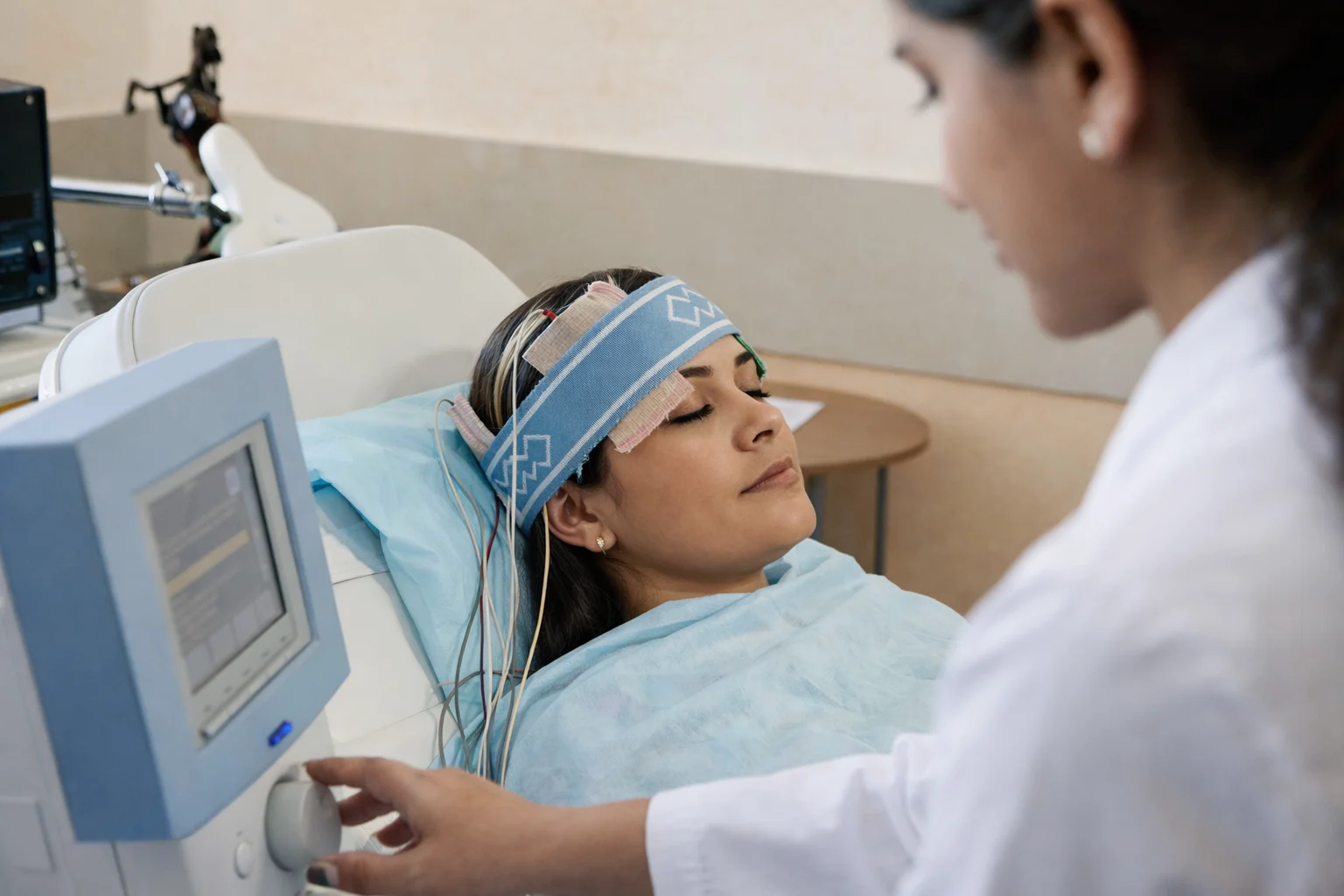
Yes, tDCS devices for home use are available. However, you must consult a healthcare provider for guidance to ensure proper application and to avoid misuse. Home use can offer convenience and flexibility in your treatment.
Safety Guidelines for Home tDCS Use
When using tDCS, you need to follow safety protocols, such as ensuring device calibration, using it for recommended durations, and avoiding misuse to prevent possible side effects. Always consult your doctor before starting home treatment.

How to Find a tDCS Provider?
What to Look for in a tDCS Clinic or Provider?
When choosing a tDCS provider, look for a licensed healthcare professional with experience in neurostimulation therapies. Ensure they offer you a personalised treatment plan and adhere to safety standards, with proper equipment and monitoring protocols.
Read MoreAt BetterPlace, our specialists have years of experience in conducting neuromodulatory treatments, including tDCS treatment and are guided by a senior team with over 40+ years of experience who ensure quality treatment. If you prefer in-person care, you can also begin through a mental health clinic in Delhi or consult experienced psychiatrists in Delhi for treatment planning and supervision.
Cost of tDCS
Cost can vary depending on your location, provider, and treatment frequency. It’s important for you to inquire about session prices, insurance coverage, and whether home-use devices are available for purchase or rental. If you are comparing treatment options, brain stimulation in Delhi can also help you understand where tDCS fits among other neuromodulatory therapies.
Visiting BetterPlace For tDCS Treatment? Here’s What to Expect
When visiting BetterPlace, you can expect a welcoming environment where there is 0% judgment.

Detailed First Session (90 min)
You’ll first meet a psychiatrist who will understand your symptoms, past treatment and how your condition affects your daily life.
tDCS Suitability Check
Your psychiatrist will check that tDCS is safe and suitable for you, including any history of seizures, head implants or scalp problems
Personalised tDCS Treatment Plan
If tDCS is right for you, we’ll plan your sessions around your needs and explain how they fit with any medication or therapy you’re on.
Ongoing Care After tDCS
Your care continues after your sessions end. We’ll track your progress and plan next steps, such as therapy, medication or follow-ups.
The Difference is Clear Side by Side
BetterPlace

|
Most Clinics Other | |
| Initial Assessment and Evaluation |  |
 |
| FDA-Approved tDCS Machine | |
|
| Advanced Preliminary Screening | |
 |
| Evidence-based tDCS Protocols Personalised to your Condition | |
|
| Delivered by Trained Neuropsychiatrists | |
|
| 100% Personalised Treatment Plan | |
|
| Ongoing Treatment Review and Adjustment | |
|
| Combined Psychiatric and Psychological care | |
|
| Dedicated Post-treatment Follow-up Support | |
|
Meet the Experts Behind Your Care

Dr. Sunil Mittal
Senior Consultant Psychiatrist


Online, in-person
Hindi, English
40+ Years Experience

Dr. Shambhavi Jaiman
Consultant Psychiatrist
Online, In-person
English, Hindi
7+ Years Experience

Dr. Siddharth Sethi
Consultant Psychiatrist
Online, In-person
English, Hindi, Marathi
7+ Years Experience

Dr. Akul Gupta
Consultant Psychiatrist
Online, in-person
Hindi, English
5+ Years Experience

Dr. Anchal Saxena
Consultant Psychiatrist
Online, In-person
English, Hindi
4+ Years Experience
We're Available at These Locations
Visit us or book an online consultation

BetterPlace, East of Kailash
At National Heart InstituteFirst Floor, Annexe Building D Block, East of Kailash, New Delhi
BetterPlace, Gurgaon1
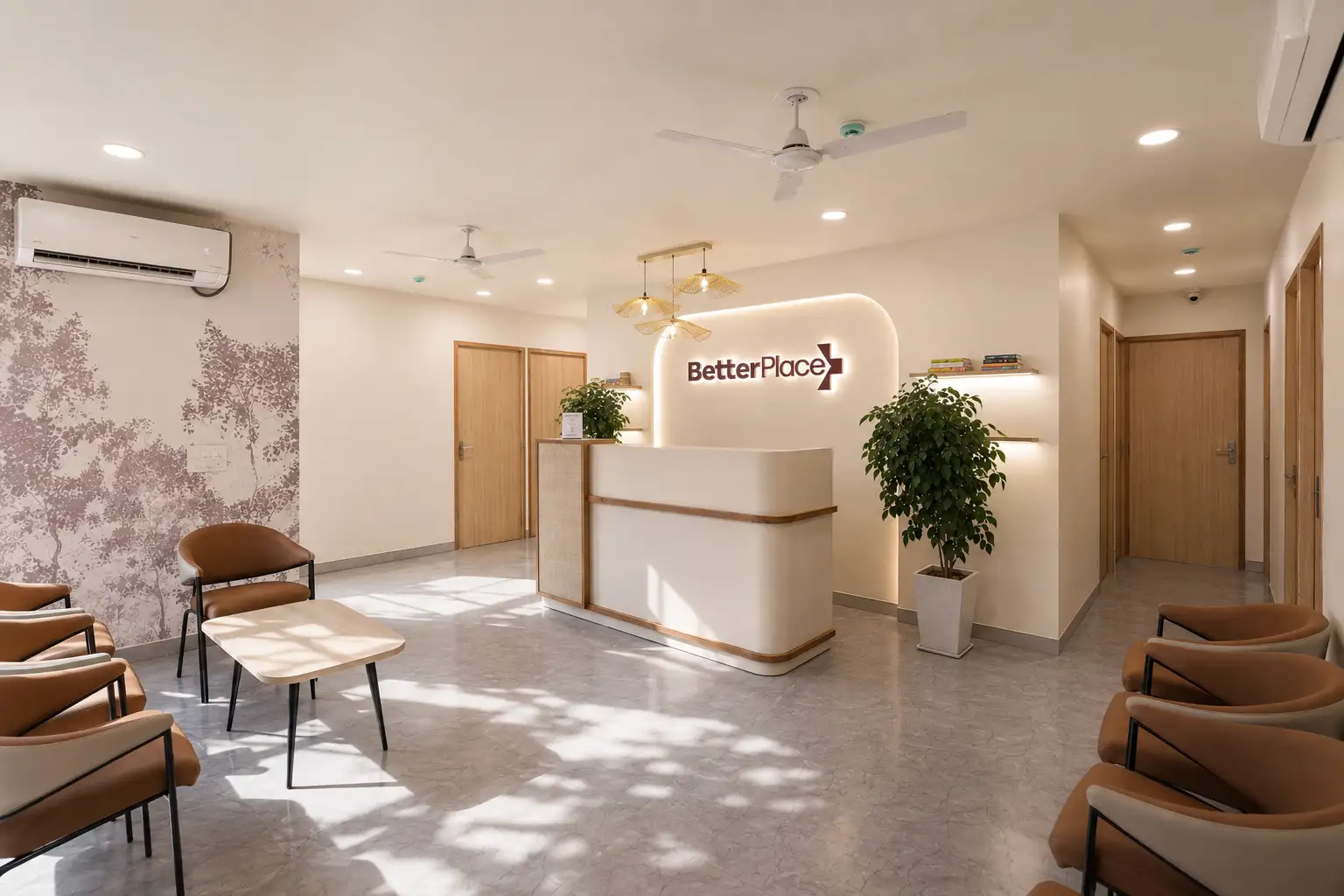
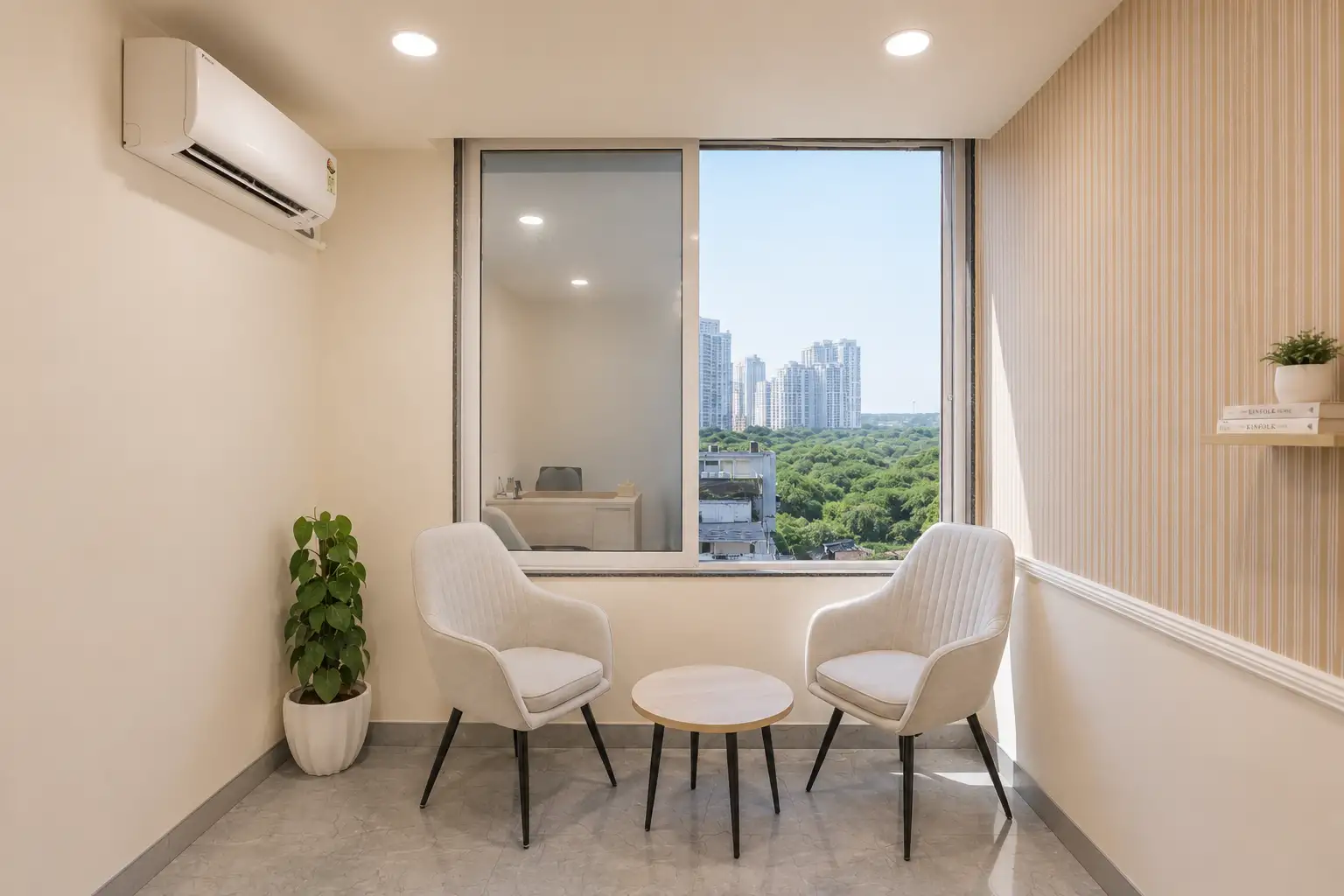
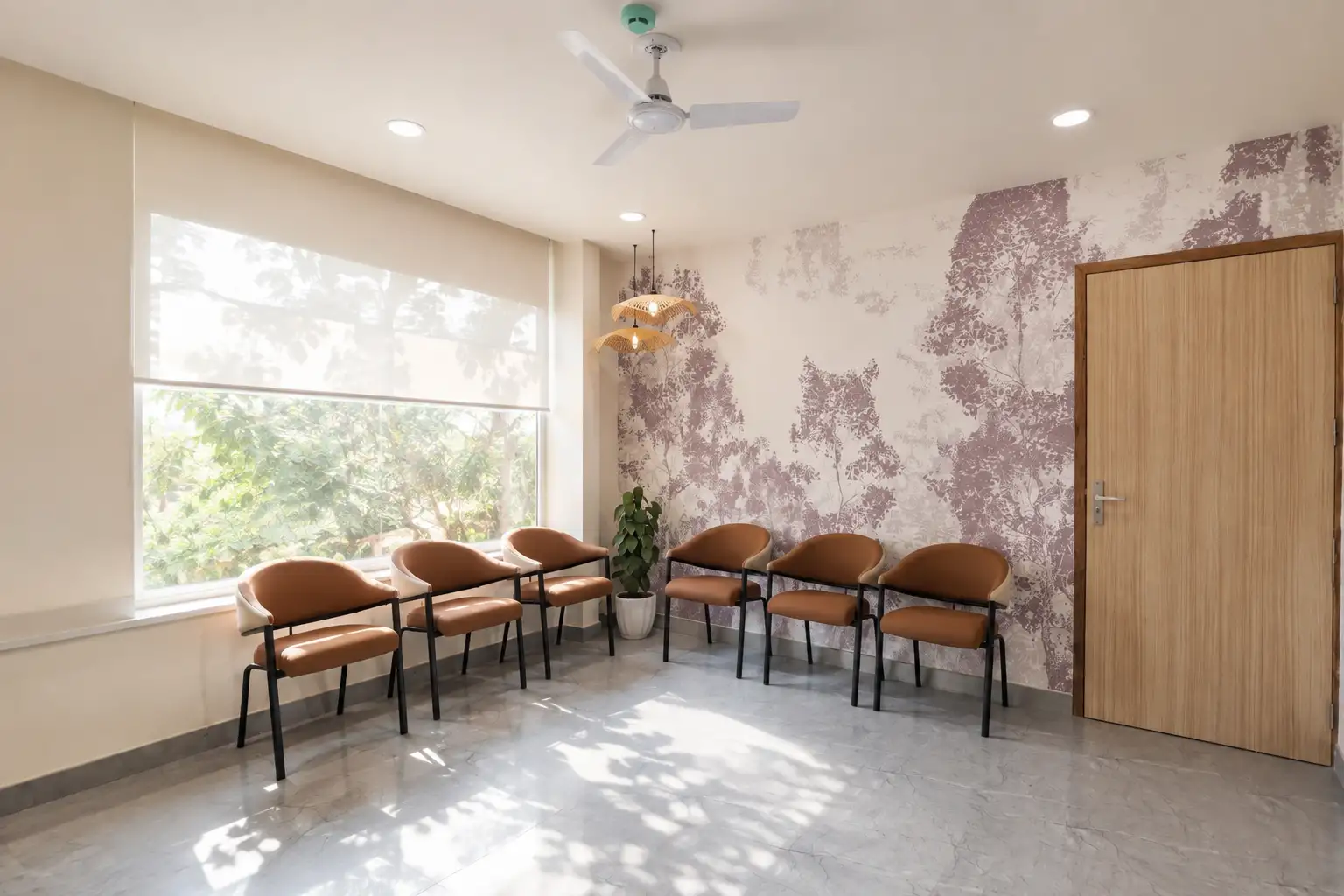
5th Floor, Plot No 33,Take a Look Around Our Flagship Centre in Gurgaon

Transformation Stories at BetterPlace

“With medication I always had something, drowsiness, weight changes, you name it. With tDCS I just sat there for 20 minutes and went back to work. After about a month I noticed I was handling stress way better than before.”
“I came in for anxiety but my concentration has improved so much as well. I used to struggle to get through a workday without my mind going everywhere. Now I actually finish things.”
FAQs About tDCS
Studies show that tDCS can significantly reduce symptoms of Depression by stimulating areas of the brain involved in mood regulation. It’s an effective addition to other therapies for Depression.
Yes, tDCS has shown promising results in enhancing cognitive functions such as memory, attention, and executive function, making it a valuable tool in cognitive rehabilitation and mental performance.
tDCS devices are FDA-approved for specific conditions, including Depression and certain cognitive impairments. However, usage should always be guided by a medical professional.
Yes, tDCS is a drug-free, non-invasive treatment option, relying on electrical stimulation to stimulate brain activity rather than pharmaceutical intervention.
During a tDCS session, electrodes are placed on your scalp, delivering a low electrical current. It’s painless and typically lasts between 20-30 minutes. You may feel a slight tingling sensation during the session.
Side effects of tDCS treatment are rare but may include mild skin irritation or tingling at the electrode site. These effects usually subside shortly after the session. tDCS is generally considered safe with minimal risk. If you are comparing neuromodulation options, rTMS treatment and Electroconvulsive Therapy are other relevant treatments your psychiatrist may discuss with you.
