Psychiatric Services Backed by Research, Trusted by Thousands

50,000
+
Lives transformed
91
%
Report daily life improvement
97
%
Report early reduction in symptoms
40
+
Years of trusted, effective care
Brain Stimulation Treatments

What Makes Our Eating Disorder Treatment ‘Better’?

Individualised nutrition and therapy plans

Your eating disorder isn’t just about your eating habits—it’s about control, emotions, and identity. We design treatment plans that combine therapy, nutritional counselling, and medical support specifically for your body and mind.

Focus on body image, self-worth, and identity

Our therapy goes beyond food behaviours. We help you rebuild a healthy sense of self, address perfectionism, and break the link between self-worth and appearance.

Medical monitoring for health risks

We track your vital signs, weight, and medical symptoms throughout treatment to ensure your physical health is stabilised while working on your psychological healing.

Family-based therapy when needed

Your support system matters. We offer family-inclusive sessions for young people and adults, helping your loved ones understand how to support your recovery without triggering setbacks.

Our Experts for Comprehensive Eating Disorder Treatment

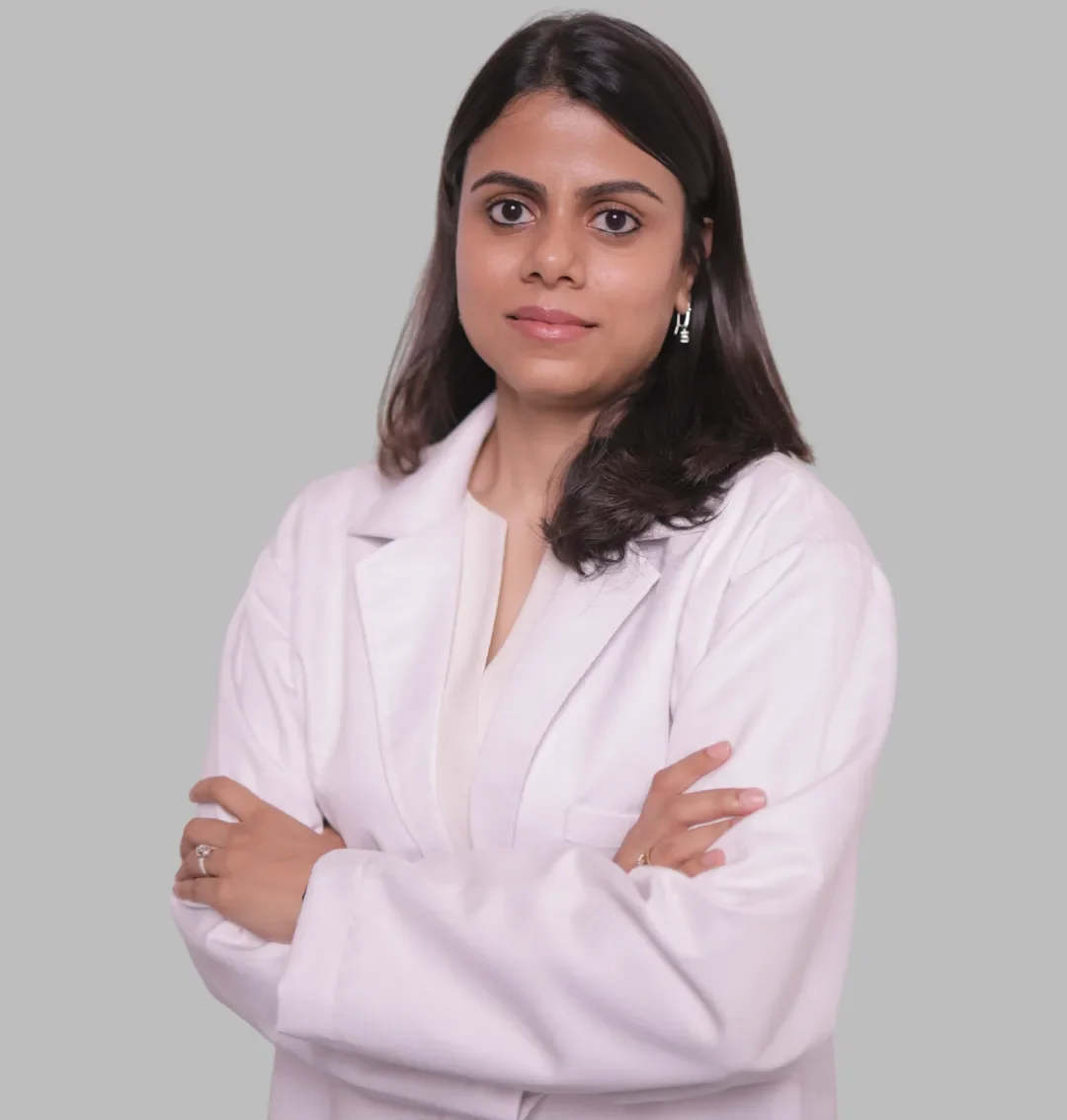
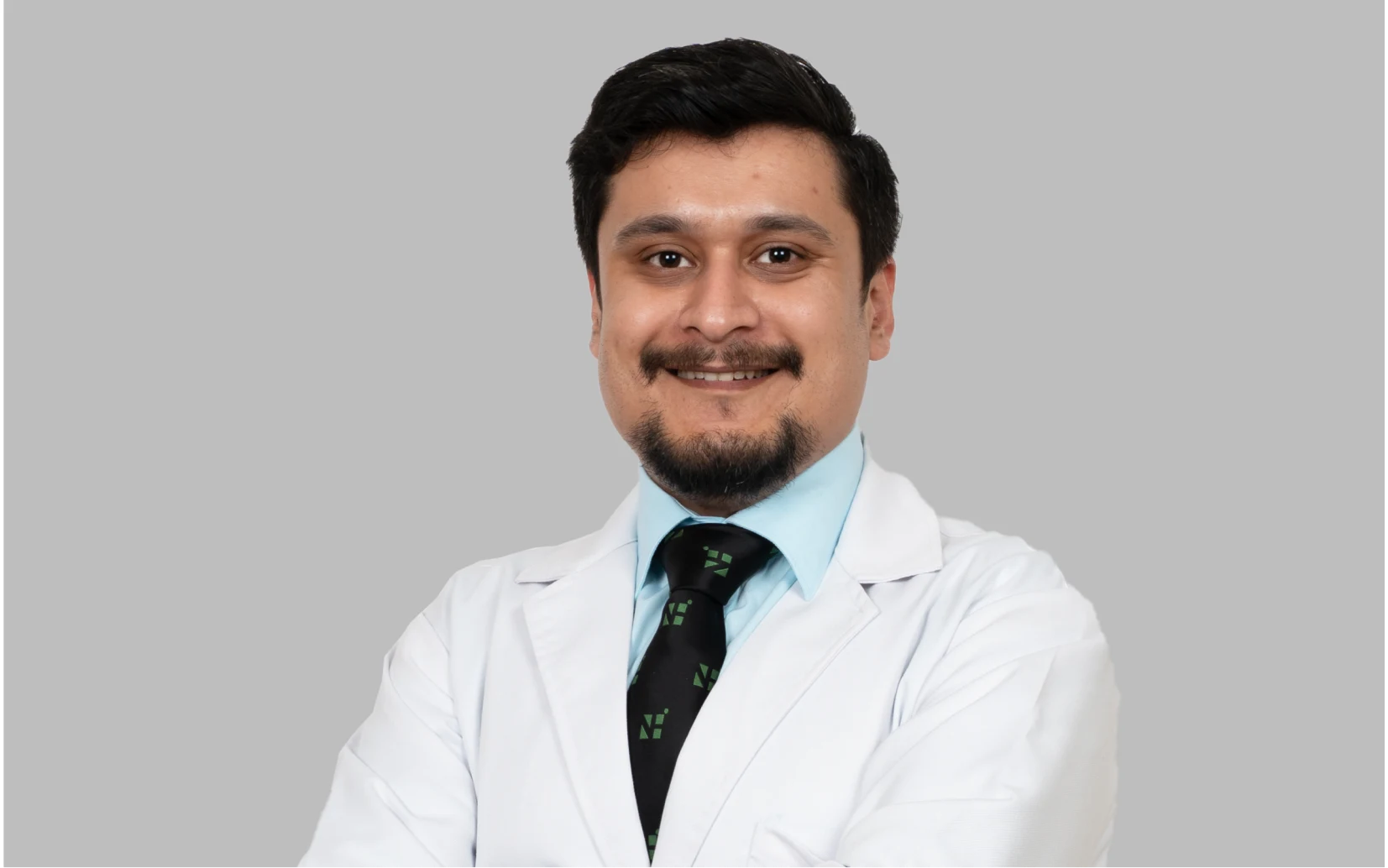
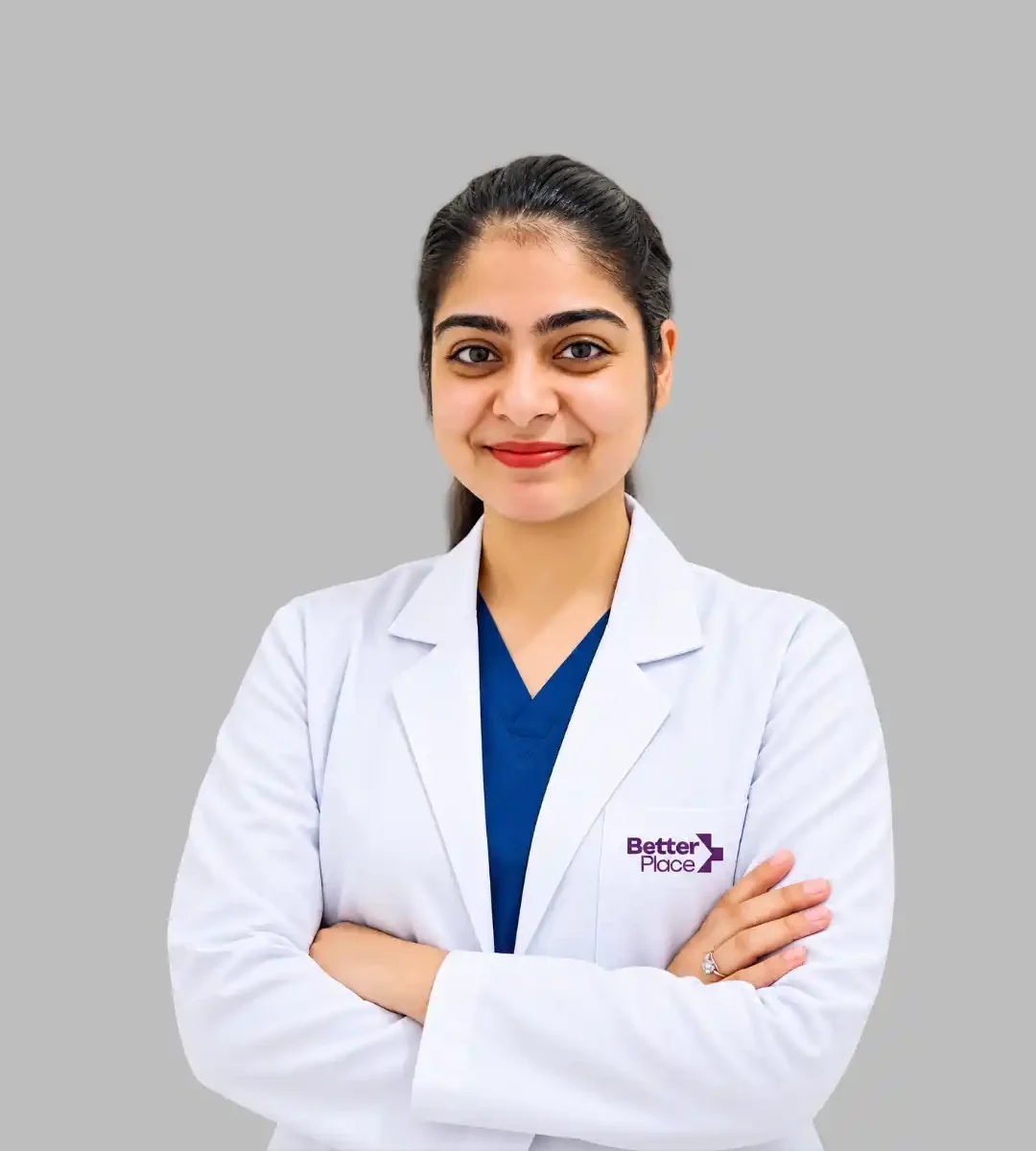
Dr. Akul Gupta

Consultant Psychiatrist, MD Psychiatry


Therapy Mode Online, In-person

Languages Hindi, English

Rating
5.0 / 5
Book Appointment

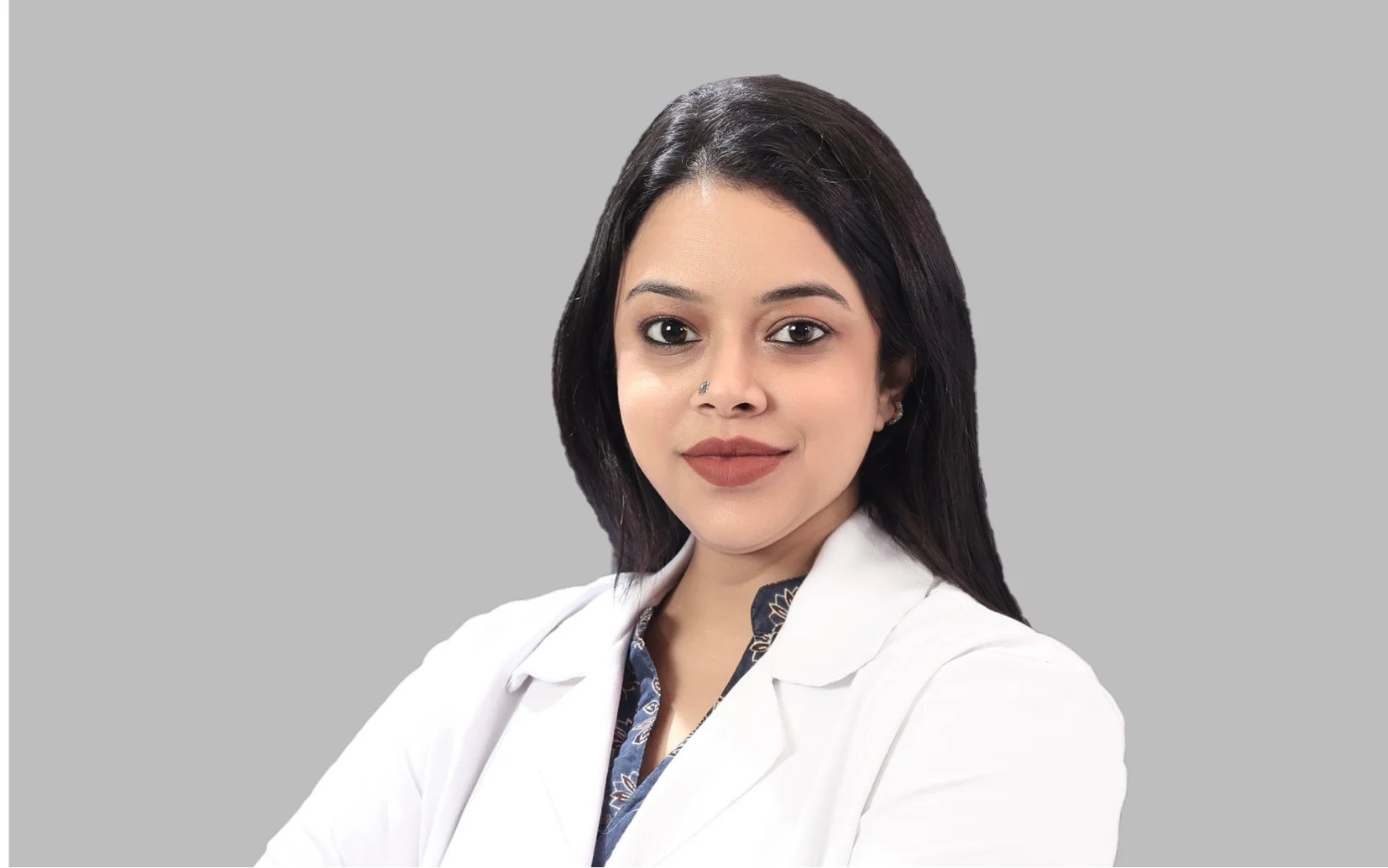
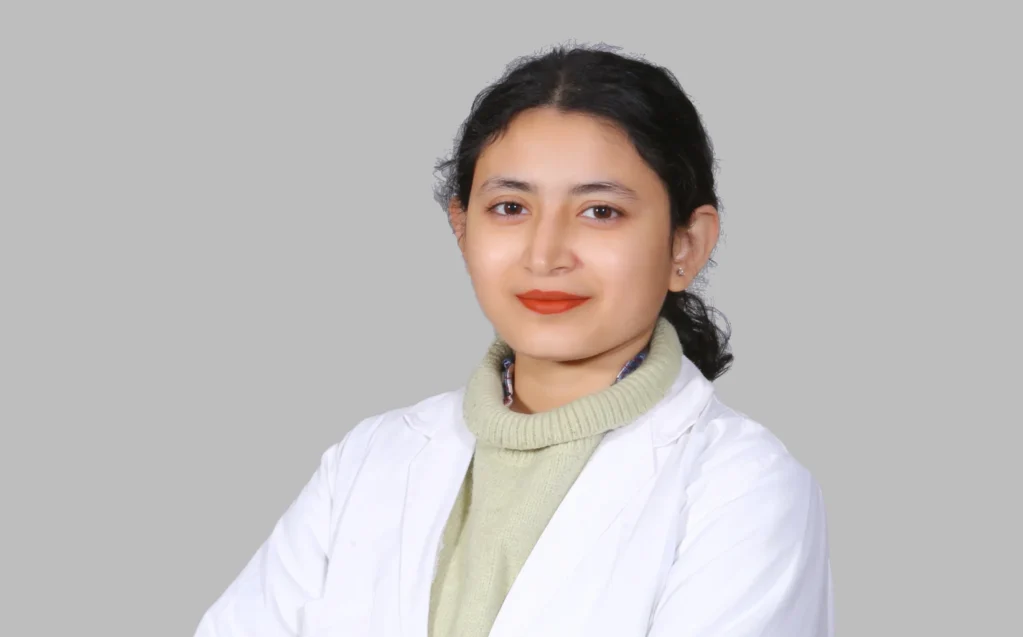
Ms. Lovleena Sharma

Clinical Psychologist, M.Phil Clinical Psychology


Therapy Mode Online, In-person

Languages Hindi, English

Rating
5.0 / 5
Book Appointment

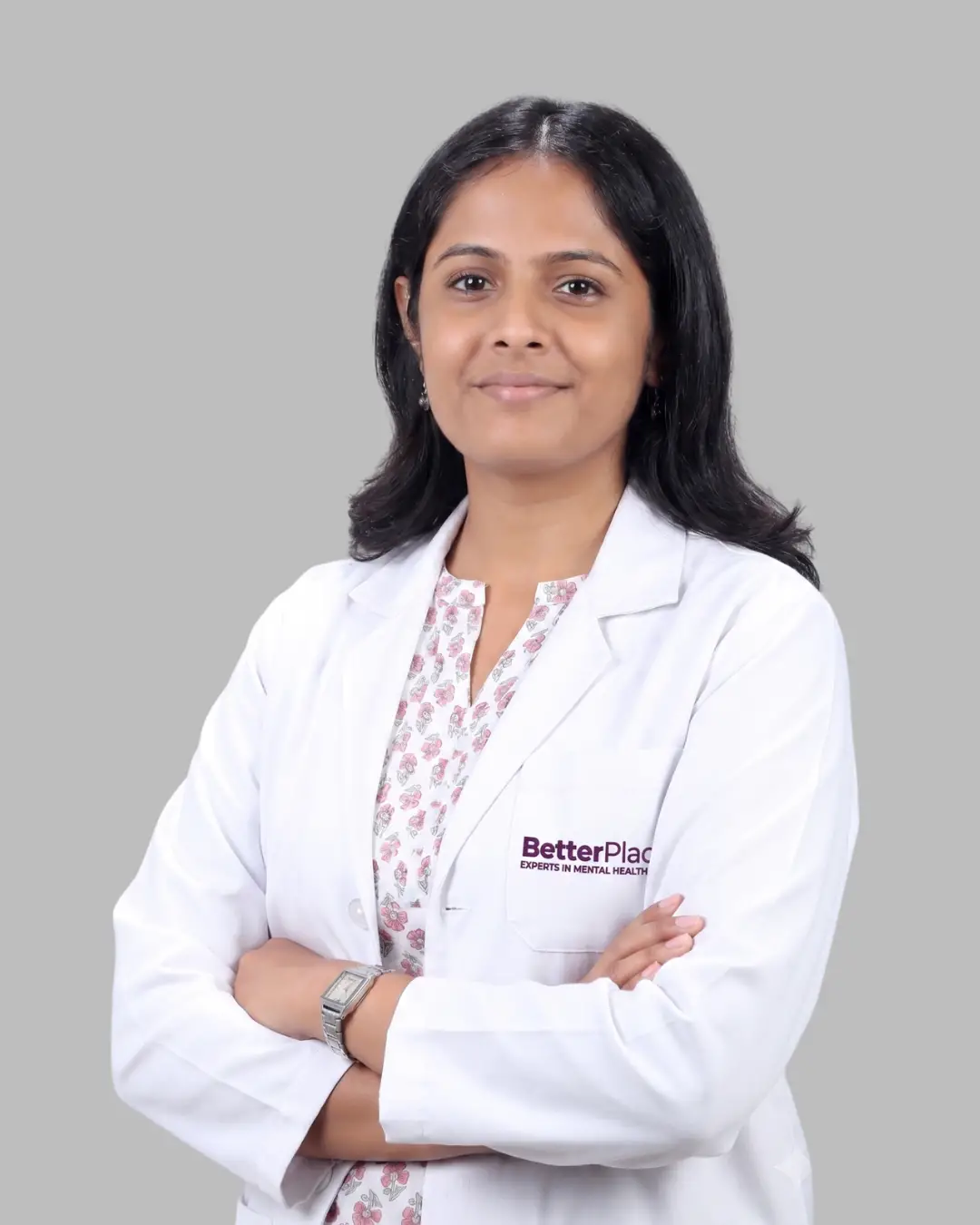
Ms. Ayushi Paul

Clinical Psychologist, M.Phil Clinical Psychology


Therapy Mode Online, In-person

Languages Hindi, English, Bengali

Rating
5.0 / 5
Book Appointment

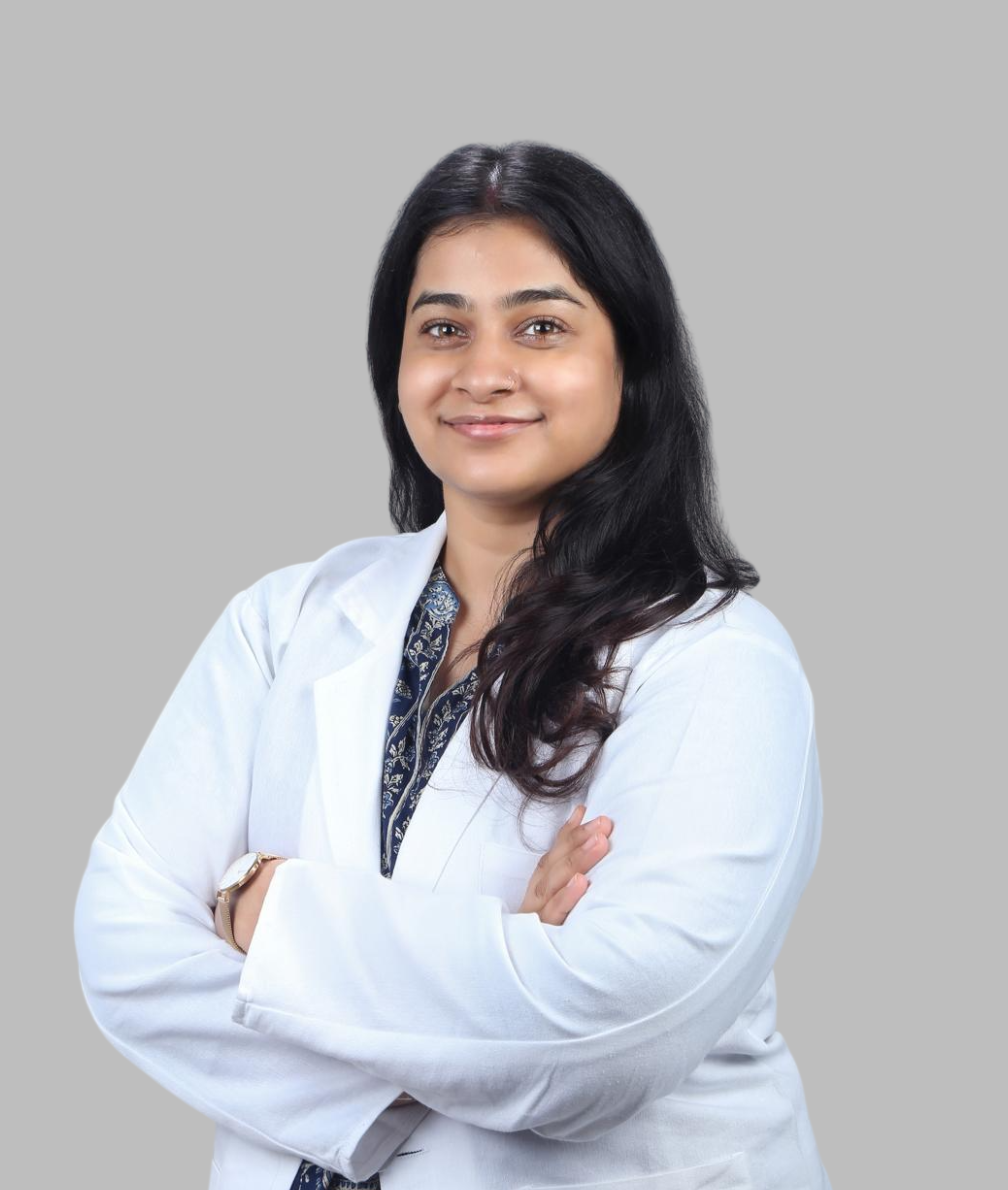
Ms. Sulagna Mondal

Clinical Psychologist, M.Phil Clinical Psychology


Therapy Mode Online, In-person

Languages Hindi, English, Bengali

Rating
5.0 / 5
Book Appointment

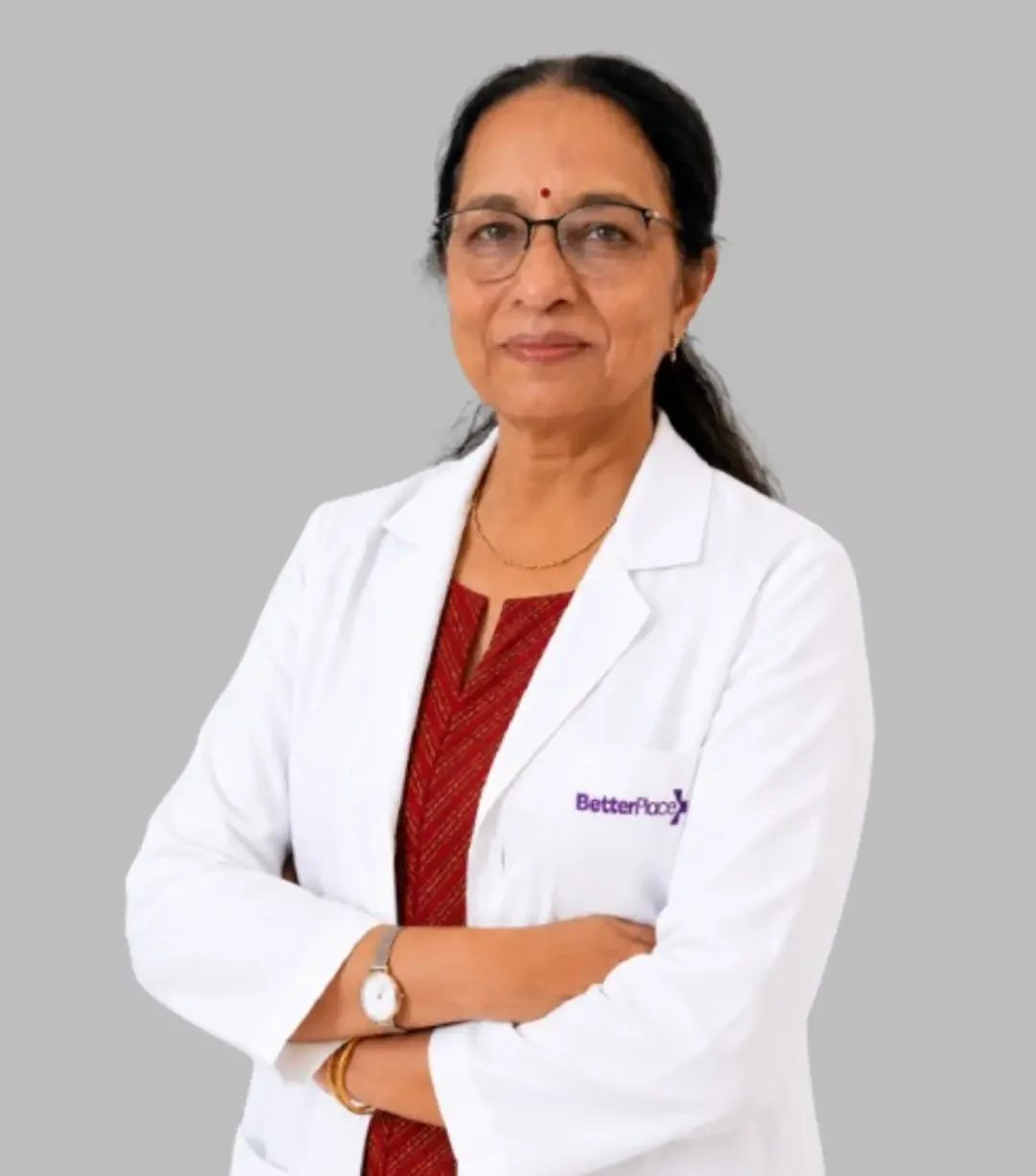
Dr. Sunil Mittal

Senior Consultant Psychiatrist, Head of Clinical Governance


Therapy Mode Online, In-person

Languages Hindi, English

Rating
5.0 / 5
Book Appointment

Ms. Mitali Srivastava

Senior Clinical Psychologist, Head of Clinical Governance


Therapy Mode Online, In-person

Languages Hindi, English

Rating
5.0 / 5
Book Appointment

Compassionate Mental Health Care for Eating Disorder

With specialised training and years of experience, our experts at BetterPlace help you navigate the challenges of eating disorders — from restrictive eating and bingeing to body image struggles — with the care and support you truly deserve.

We’ve already supported over 50,000 people on their journey towards recovery from eating disorders and a wide range of other mental health challenges, including:

Visiting BetterPlace for Eating Disorder Treatment? Here’s What to Expect:

When visiting BetterPlace, you can expect a welcoming environment where there is 0% judgment.

Detailed initial session (90 min)

Meet with both a psychologist and a psychiatrist

Comprehensive testing

Get an accurate understanding of your mental health

Treatment phase (3-8 weeks)

Get a personalised treatment plan

Long-Term Support

Get ongoing care with regular follow-ups

Transformation Stories at BetterPlace!

The hardest part about getting treatment for mental health is that even when things start to get better, they don’t necessarily get easier. I find it difficult just to come for appointments. What I really appreciate is how understanding the team has always been about my struggle with these simple things. Knowing I can count on them has been a true blessing

Dilip S.
Dilip S.

Three other doctors had diagnosed me with ADHD in few minutes, which I always felt is very random. But Dr. Akul at BetterPlace suggested I get an assessment done first before sharing a diagnosis which made me feel more comfortable. I’m really happy doctor spent so much time with me, he is so senior and still. Test results also he explained so well

S
Sunita P.

I had put on a lot of weight. Some people said maybe it’s an eating disorder but I was too ashamed to visit a doctor because judgment is always there. But a friend told me how non-judgmental BetterPlace is, and that is really true. Doctors are very good and even if i make a mistake they don’t say anything demotivating. Treatment is going amazing and i’m more relaxed

K
Karan R.

I’m a data analyst who believes in hard data. My daughter was diagnosed with bipolar disorder at 13. We tried many doctors but she never clicked with any of them. She’s 20 now and I think we’ve finally found the right doctor. She seems comfortable. I am also much happier because I get regular reports and I can see how progress is happening and how my daughter is improving

M
Mohammad K.

When I told my friends I have anxiety they would always say, Arrey just relax, it’s not a big deal etc. Social anxiety people say is not a real problem. I also started thinking that and blaming myself. But at BetterPlace, doctor first explained why it happens. In my brain, in my heart, i got it and i could see, Oh, this is not my fault. I even went out for dinner after a long time. I felt nice

M
Mary K.

Because of dad’s schizophrenia, our family was always treated differently. People in public would stare at us if dad was acting out. Even our own relatives would avoid us. But thanks to the family therapy and support at BetterPlace, my mother, sister and I have found some peace as well. Even dad’s treatment is better. He’s taking his medicines more seriously. I am so grateful!


H
Harsha S.

Visit Our Experts for Eating Disorder Treatment Today!

Mental Health Partners to the prestigious National Heart Institute

BetterPlace, East of Kailash

At National Heart Institute

First Floor, Annexe Building
D Block, East of Kailash, New Delhi

Best Treatment for Eating Disorder at BetterPlace

What Is an Eating Disorder?

Eating Disorders are a group of complex mental health conditions that revolve around an unhealthy relationship with your food. While each disorder may have different symptoms and affect you in various ways, they all essentially involve a constant preoccupation with your food and the shape or weight of your body.

Eating disorders can develop at any age, but they usually tend to occur during teenage years or young adulthood and are more common in women than men. While these disorders may seem to take over a person’s life, they are often treatable with the right approach and support.

Read More

What Are the Types and Symptoms of Eating Disorders?

Anorexia Nervosa

Anorexia Nervosa is one of the most common types of Eating Disorders where a person has an intense fear of gaining weight, and as a result tends to avoid food to extreme levels, causing them to become dangerously underweight.

People with this condition tend to see themselves as overweight despite how slender they are. A term often used to describe such people is ‘anorexic’.

  • Common symptoms and behaviours of Anorexia include:
  • Dramatic and sudden weight loss
  • Excessive exercise
  • Avoiding meals or eating in front of others
  • Constantly obsessing over food, diet, and calorie intake
  • Refusal to eat certain types of food, especially carbs or fats
  • Wearing baggy clothes to conceal weight loss
  • Denying that extreme thinness is a problem
  • Menstrual suppression due to insufficient nutrition and extreme weight loss
  • Complaints about stomach pain or constipation
  • Passing remarks about ‘feeling fat or overweight’

Bulimia Nervosa

Commonly known as Bulimia, this condition is characterised by vicious cycles of binge eating followed by unhealthy purging activities to avoid weight gain.

During an episode of binge eating (i.e. consuming large amounts of food in one sitting), you may feel like you’ve lost complete control of yourself. Such an episode leaves you feeling overwhelmingly guilty and shameful. To compensate for the excessive eating and to shed the extra calories, they then resort to drastic measures such as overly intense exercise, vomiting, or misusing laxatives. This is called ‘purging’.

The tricky part about this condition is that those with Bulimia may appear to have a normal body weight which can make it harder for their friends and family to recognise this issue.

Common symptoms and behaviours of Bulimia include:

  • Clear signs of binge eating, i.e. rapid consumption of large food portions in a short period, or several empty food bags and wrappers
  • Clear evidence of purging, i.e. always going to the bathroom after meals, finding laxatives in medicine cabinets, and sounds and smells of vomiting
  • Wearing baggy clothes to conceal the body size and frame
  • Passing remarks about ‘feeling fat or overweight’
  • Constant, incessant dieting or undereating
  • Excessive exercise
  • Avoiding meals or eating in front of others
  • Excessive consumption of mouth fresheners and mouthwash

Binge Eating Disorder (BED)

Another prevalent Eating Disorder, Binge Eating Disorder (BED) involves recurrent episodes where large amounts of food are consumed quickly, often to the point of discomfort. After an episode, you might feel intense guilt and shame. Unlike Bulimia, however, people with BED do not undertake any purging activities to shed the extra calories.

Given there are no purging activities, you gain significant weight over time and consequently develop health problems associated with being overweight.

Common symptoms and behaviours of Binge Eating Disorder include:

  • Clear signs of binge eating, i.e. disappearance of large food portions in a short period, or several empty food bags and wrappers
  • Avoiding meals or eating in front of others
  • Hoarding and hiding food in the most unusual places
  • Always being on a diet but never losing weight
Read More

What Causes Eating Disorders?

Biological and Genetic Risk Factors

Those with a family history of Eating Disorders or other mental health conditions have a higher chance of developing an Eating Disorder. This is because genetics and genetic predisposition play a major role in the development of Eating Disorders.

Psychological and Behavioural Factors 

Psychological and behavioural factors play a major role in the development of Eating Disorders. These include low self-esteem, Anxiety, Depression, perfectionism, and obsessive behaviours. Unrealistic societal standards, emotional trauma, or coping with stress can trigger disordered eating patterns.

Socio-Cultural Risk Factors

Constant societal pressures to conform to unrealistic and often unachievable body standards is another major factor that leads to Eating Disorders. These pressures are perpetuated via various sources – such as social media, bullying, and peer pressure and eventually break through a person’s mental barrier, causing them to look at themselves in a negative light and develop an Eating Disorder.

Read More

How Are Eating Disorders Diagnosed and Treated at BetterPlace Health?

At BetterPlace, Eating Disorders are diagnosed through various evidence-based assessments that tell us exactly which Eating Disorder you have and the extent of it. Our psychiatrists and clinical psychologists will work together to test your Eating Disorder and use these assessments and evaluations to create an elaborate and comprehensive treatment plan that is not only well-suited for your unique needs but also highly effective.

Physical Examinations

Our psychiatrist will assess your vitals, height, and nutrition, and order physical tests to examine or rule out other medical causes for your eating issues. 

Blood and Urine Tests 

Blood and urine tests give us an insight into your body’s internal health. It helps us rule out other medical causes that might be contributing to your eating problems. This way we can ensure that your eating problems are not physical, but a manifestation of your mental health. 

Psychological Evaluations 

Our mental health experts psychologically evaluate you to understand your thoughts, feelings, emotions, and behaviours. These give us an insight into your mind and understand the root cause of your eating problems. 

Eating Disorders Treatments 

Psychotherapy 

Cognitive-Behavioral Therapy (CBT) is one of the most effective and proven forms of treatment for Eating Disorders. It helps identify and alter thought patterns that lead to unhealthy eating behaviours. For younger people, family-based therapy can be a great alternative since parents and other loved ones are involved in the recovery process. 

Other types of therapies can also be effective, and an eclectic approach may be used to help regulate emotions and address underlying issues.

Medications

Medical intervention is needed in those cases where an Eating Disorder has led to severe complications in a person’s physical health. Interventions may include monitoring vital signs, addressing malnutrition through dietary supplements, and managing other co-occurring conditions such as heart problems or electrolyte imbalances. Inpatient treatment or hospitalisation may also be needed in extreme cases where the person needs intensive care and support.

Nutrition Counselling

Nutrition counselling involves working with a registered dietician who specialises in Eating Disorders. The dietician will prepare personalised meal plans depending on your needs and case history, ensuring balanced nutrition and gradual, sustainable dietary changes. Nutritional counselling also involves educating you about food, clearing any doubts and misconceptions about food that may have led to the disorder, and helping you rebuild a healthy relationship with food.

Read More

Cost of Treatment of Eating Disorders at BetterPlace Health

At BetterPlace, we treat not only your eating disorder, but also every condition that surrounds it, be it malformed beliefs, unhelpful thoughts, nutritional deficiencies, or physical ailmentswe believe in treating the whole person and not just the symptoms. 

The cost of booking an appointment at BetterPlace is INR 2,000. In your first 90-minute appointment, you meet a psychologist and a psychiatrist to understand and assess your needs. Our expert team and integrated care model guarantee a successful mental health journey for you.

Read More

FAQs about Eating Disorder Treatment

Yes, you can completely recover from your Eating Disorder. Treatment typically involves a combination of therapy, nutritional counselling, and medical monitoring. However, the treatment timeline and journey differ from person to person. Recovery often relies on treating the underlying emotional challenges along with the physical symptoms.

Eating Disorders can impact your overall health by causing malnutrition, digestive problems, hormonal imbalances, weakened immunity, and organ damage. They can also cause mental health issues such as Anxiety, Depression, self-esteem problems, Body Dysmorphia, etc.

Yes, women are twice as likely to develop Eating Disorders than men. This is primarily due to the unrealistic beauty standards and societal pressures placed on women.

Nutrition plays a crucial role in your recovery by restoring physical health, correcting nutritional deficiencies, and improving energy levels. A balanced diet supports optimal brain health, improving mental health and making your recovery faster.

The recovery timeline varies from person to person. Some could see improvements within months, while it could take years for others. It all depends on where you are in your journey when you seek help, and the quality of help and support you receive.

loader
Scroll to Top
Call Us Book Appointment