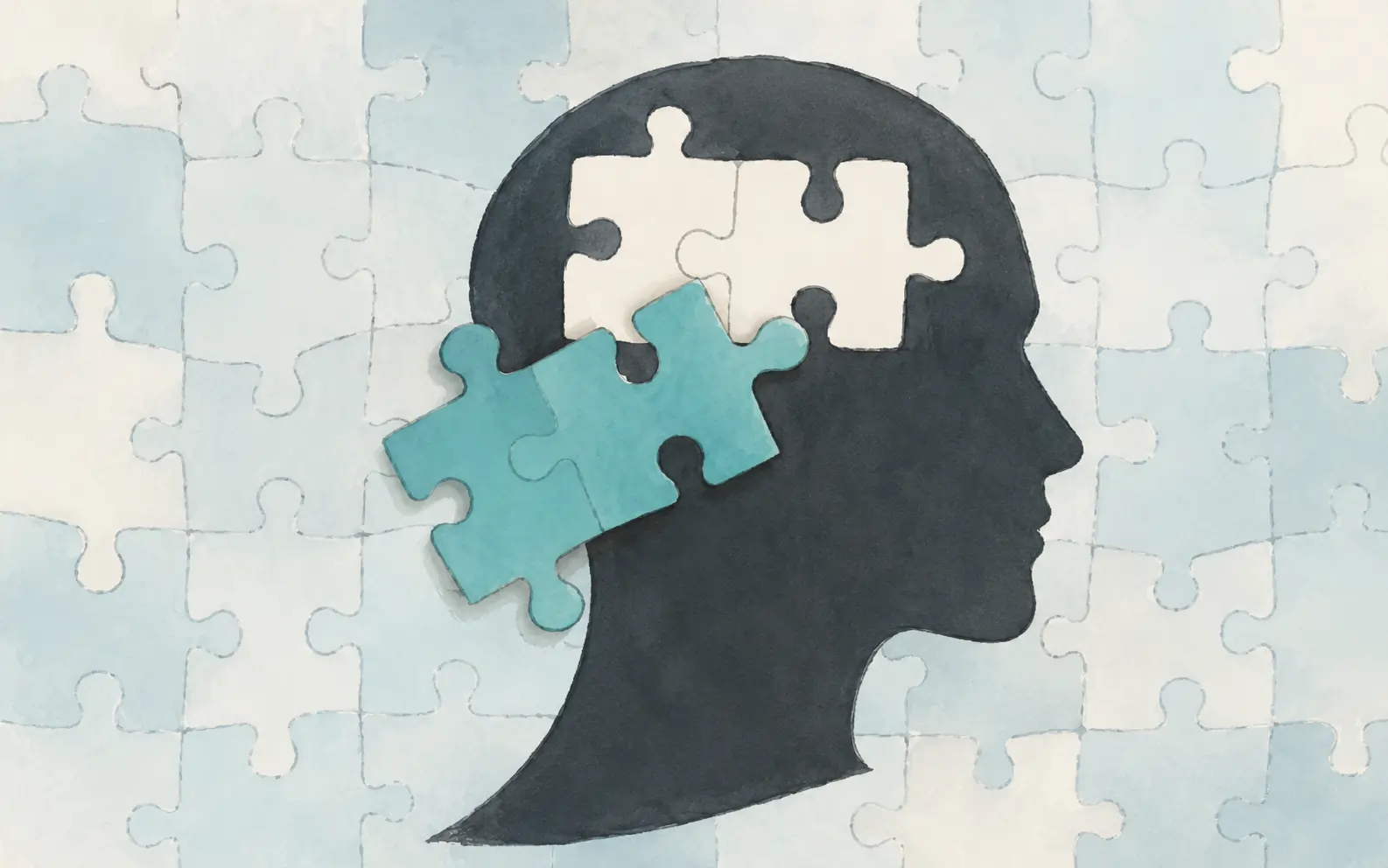
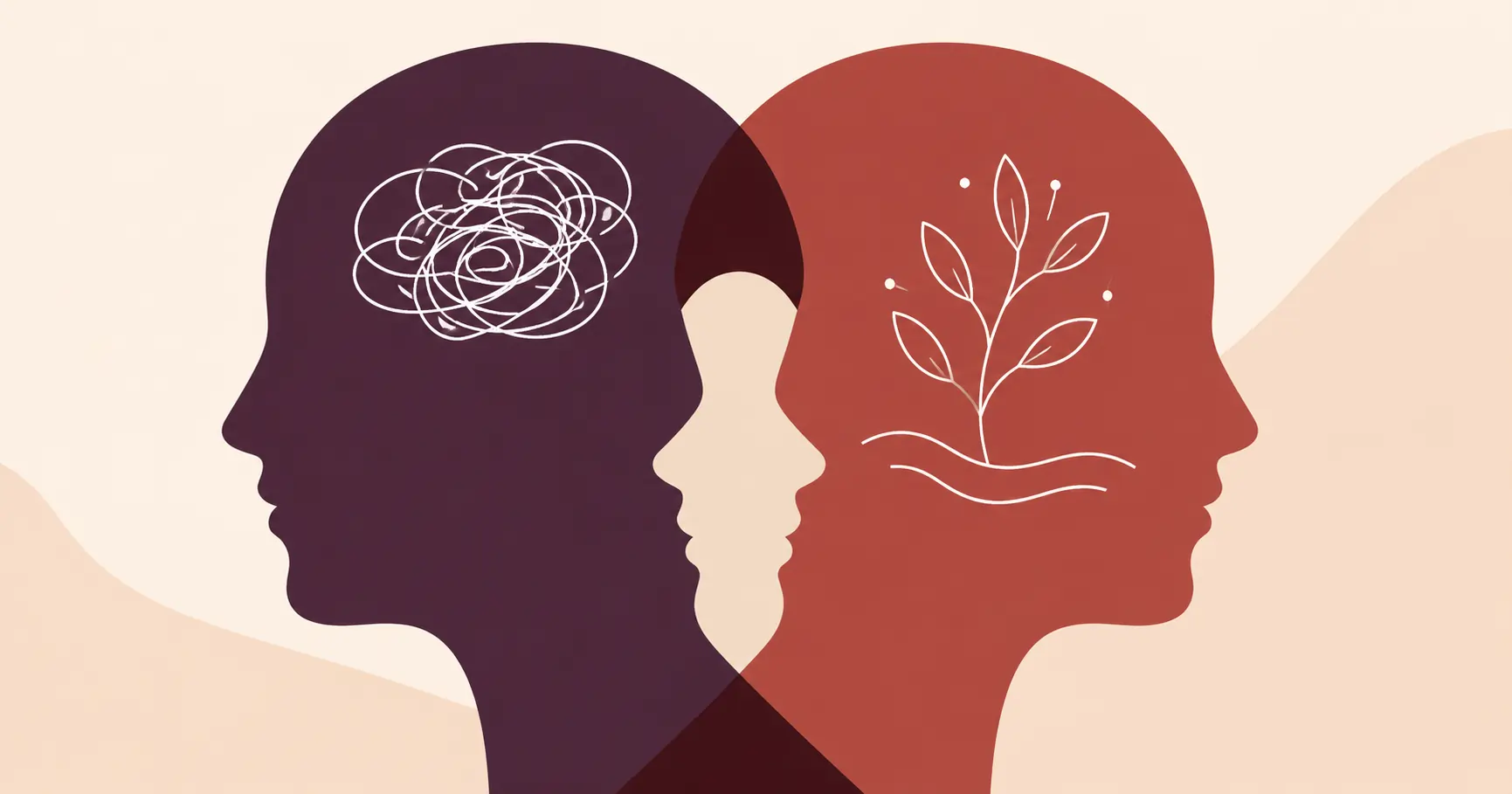
Biological psychology: Biological psychology examines the relationship between the mind and body, focusing on the physical aspects of psychology, such as the brain, body, nervous system, genetics, and hormones, and their influence on behaviour, thoughts, and feelings.
Clinical psychology: Clinical psychology is concerned with diagnosing and treating a wide range of mental health disorders. It involves conducting psychological assessments and providing therapy and preventive care. The field generally helps people with conditions such as depression, anxiety and personality disorders, to improve their mental health and overall well-being.
Cognitive psychology: Cognitive psychology focuses on how people think, learn, store information, process language, and perceive the world around them. Understanding these processes not only provides insight into the human brain but also lays the foundation for effective interventions, such as behavioural therapy in psychology, which can assist people with psychological difficulties.
Comparative psychology: Comparative psychology examines the psychological differences between different species, especially animals. This field looks at instincts, learning patterns, and problem-solving across species, and contributes heavily to our understanding of evolution, medicine and animal training.
Developmental psychology: Developmental psychology studies how people grow throughout their lives, from infancy to old age. It focuses on the emotional, cognitive, and behavioural changes that occur during these phases.
Forensic psychology: Forensic psychology involves using the principles of psychology in legal settings. Forensic psychologists evaluate a defendant’s mental state, provide expert testimony in court, and work with law enforcement on criminal profiling and rehabilitation.
Industrial-organisational psychology: Industrial-organisational psychologists study human behaviour in workplace settings to improve employee well-being and boost productivity. It covers areas such as recruitment, training, motivation, leadership, and organisational culture, offering strategies to enhance work environments and employee satisfaction.
Personality psychology: Personality psychology focuses on individual differences in behaviour, thoughts and emotions between different people. It explores the impact of personality triads on people’s interactions, decision-making, and reactions to life events, helping understand the uniqueness of human personality.
Social psychology: Social psychology examines how a person is influenced by others and their social environment. It looks at how social interactions, group dynamics, stereotypes, and social perception shape behaviour, attitudes, and decision-making.