
I’ve struggled with ADHD my whole life, but it was Social Anxiety in my 20s and 30s that really held me back. Things like meetings, phone calls, and even casual conversations became really difficult. But BetterPlace taught me how to manage both, my ADHD and my Social Anxiety. I’m making progress at work and for the first time, I am able to build real relationships.

Clinically Proven Care, Trusted by Thousands
50K
+
Lives transformed
97%
Report early reduction in symptoms
40
+
Years of trusted, effective care

Brain Stimulation Treatments
Our Experts for Comprehensive Social Anxiety Treatment

Dr. Sunil Mittal
Senior Consultant Psychiatrist


Online, in-person
Hindi, English
40+ Years Experience

Dr. Shambhavi Jaiman
Consultant Psychiatrist
Online, In-person
English, Hindi
7+ Years Experience

Dr. Siddharth Sethi
Consultant Psychiatrist
Online, In-person
English, Hindi, Marathi
7+ Years Experience

Dr. Akul Gupta
Consultant Psychiatrist
Online, in-person
Hindi, English
5+ Years Experience

Dr. Pranita Gaur
Clinical Psychologist
Online, In-person
Hindi, English
44+ Years Experience

Ms. Anantika Tehlani
Clinical Psychologist
Online, In-person
Hindi, English
7+ Years Experience

Ms. Ayushi Paul
Clinical Psychologist
Online, In-person
Hindi, English, Bengali
5+ Years Experience

Ms. Sulagna Mondal
Clinical Psychologist
Online, In-person
Hindi, English, Bengali
3+ Years Experience

Ms. Shreya Maheshwary
Counselling Psychologist
Online, In-person
Hindi, English
2+ Years Experience

Ms. Shreeyam Mishra
Clinical Psychologist
Online, In-person
Hindi, English
2+ Years Experience

Ms. Mitali Srivastava
Senior Clinical Psychologist
Online, in-person
Hindi, English
15+ Years Experience
What Makes Our Approach to Social Anxiety Therapy Better?

Personalised Social Anxiety Plans
We create customised therapy plans based on your specific Social Anxiety triggers, emotional needs, and personal goals—so every session directly addresses your concerns.

Integrated Approach to Social Anxiety
We combine therapy techniques like Cognitive Behavioural Therapy (CBT), mindfulness, and social skills training for comprehensive support that tackles Anxiety from multiple angles.

Specialised Social Skills Training
Our therapists provide targeted training to help you build social confidence, from managing conversations to overcoming fears of public speaking.

Expert Collaboration for Comprehensive Care
Our psychologists collaborate in real-time with psychiatrists and medical professionals, ensuring all aspects of your Anxiety—including related physical symptoms are thoroughly addressed.
Visiting BetterPlace? Here’s What to Expect:
When visiting BetterPlace, you can expect a welcoming environment where there is 0% judgement.

Detailed initial session (90 min)
Meet with both a psychologist and a psychiatrist
Comprehensive testing
Get an accurate understanding of your mental health
Treatment phase (3-8 Weeks)
Get a personalised treatment plan
Long-term support
Get ongoing care with regular follow-ups
Transformation Stories at BetterPlace

I had a major health scare in 2023 and I have been soooo paranoid ever since. Any time I got even a single gash or a cold, my whole world would come crashing down. I’d think “this is it for me”. Thankfully after talking to the doctors at BetterPlace, I got to know it’s nothing major, just anxiety. My treatment has been going on for 3 months and I already feel so much better.
My marriage was on a downward spiral for a while and I thought I was prepared for the worst. Turns out when the “worst” actually happens, it’s a much different story. The anxiety of starting again was crippling but BetterPlace taught me to take things one step at a time and they even helped me build confidence. I can finally see a future where I would be able to find someone to love and share a home with.
Get Comprehensive Social Anxiety Treatment Today!
Visit us or book an online consultation

BetterPlace, East of Kailash
At National Heart InstituteFirst Floor, Annexe Building D Block, East of Kailash, New Delhi
BetterPlace, Gurgaon
5th Floor, Plot No 33,
I’ve seen how much the field has evolved, but the core remains the same: you deserve a team that makes you feel heard and gives you the best.
Dr Sunil Mittal
Chief of Clinical Governance, BetterPlace
MD, Psychiatry | 40+ Years of experience
Comprehensive Psychiatric Services for a Wide Range of Mental Health Conditions














Overview of Social Anxiety Therapy at BetterPlace Health

What Is Social Anxiety Disorder?
Social Anxiety Disorder, or Social Phobia, is when the thought of social situations makes you feel extremely nervous or even terrified. It is more than just being shy. It is the fear of being judged, embarrassed, or saying something wrong in front of others. You might avoid conversations, dread social events, or even find simple things, like ordering food or making a phone call overwhelming. This fear is not just in your head. It can make your heart race, your hands shake, and your mind go blank. Social anxiety therapy teaches you valuable tools that manage your symptoms and lead a better, comfortable life.
Read MoreIf you’re looking for broader support, our anxiety therapy page covers the full range of anxiety treatments available.
Common Symptoms of Social Anxiety
Social Anxiety does not just affect how you feel—it can show up in your bodily functions, your emotions, and the way you interact with others. It is not always obvious to those around you, but if you struggle with it, you know how overwhelming it can be.
Physical Symptoms
Your body often reacts before you even have time to think. Your heart starts pounding as if you are in danger, your palms get sweaty, and your hands might tremble. You could feel lightheaded, like the room is spinning, or notice a tightness in your chest that makes it hard to breathe. Your stomach might twist into knots, leaving you nauseated or uneasy. These sensations are not just nerves—they are your body going into fight-or-flight mode, even when there is no real threat.
Emotional Symptoms
Social Anxiety is more than just feeling shy or nervous. It is the constant fear of being judged, watched, or criticised, even when no one else seems to mind how you conduct yourself. You might overthink upcoming social situations, running through worst-case scenarios in your head before they even happen. The thought of making a mistake or embarrassing yourself can feel unbearable, making you doubt yourself before you even step into the room. Over time, this can chip away at your confidence, making you feel like you do not belong or that you are not good enough—when in reality, none of that is true.
Behavioural Symptoms
You might find yourself avoiding social situations altogether because the fear feels so real. Skipping events, staying quiet in group conversations, or making excuses to stay home might seem like the easiest way to escape the Anxiety. Even when you do push yourself to interact, you might struggle to make eye contact or hesitate before speaking, afraid of saying the wrong thing. Afterwards, you may find yourself replaying the entire conversation in your head, analysing every word and worrying about how you came across. The cycle can feel exhausting, making social interactions seem more and more impossible.
This pattern is closely linked to anxiety disorders more broadly, and it is worth understanding the full picture.

Evidence-Based Therapies for Social Anxiety
There are several Social Anxiety treatment options available out there. Some of which include:
- Cognitive-Behavioural Therapy (CBT)
- Exposure Therapy
- Medication Management
Cognitive-Behavioural Therapy (CBT)
CBT is a highly effective treatment for social anxiety, helping you change the negative thought patterns that fuel fear. Through cognitive restructuring, you learn to challenge irrational beliefs. Exposure therapy gradually eases you into feared situations, while behavioural experiments help test anxious predictions in real life. Therapists for social anxiety are trained to guide you through this process, ensuring that the treatment is personalised to your unique needs and experiences. Research shows that CBT significantly reduces symptoms, giving you long-term tools to navigate social situations with more confidence.
Exposure Therapy
Exposure therapy is a key part of CBT that helps you face social situations instead of avoiding them. Rather than diving straight into your biggest fear, it follows a step-by-step approach. You start by creating an exposure hierarchy, ranking situations from mildly uncomfortable to highly anxiety-inducing. Then, through gradual exposure, you work your way up, starting with easier challenges. Over time, building tolerance helps your Anxiety fade as repeated exposure makes these situations feel more manageable.
Medication Options
When social Anxiety feels overwhelming, medication can be a helpful addition to therapy. Selective Serotonin Reuptake Inhibitors (SSRIs) are commonly prescribed, as they help balance serotonin levels in the brain, easing Anxiety over time. While they can be effective, potential side effects like nausea, dizziness, or changes in libido may occur. Medication is usually considered when therapy alone is not enough, offering extra support in managing severe symptoms. A psychiatrist in Delhi can assess whether medication is appropriate for your condition and guide you through the options.

Alternative and Complementary Therapies
Beyond traditional treatments, alternative therapies can offer additional support in managing Social Anxiety. These approaches focus on acceptance, skill-building, and creative expression to help you navigate social situations with more confidence.
Read MoreAcceptance and Commitment Therapy (ACT)
Instead of trying to eliminate anxious thoughts, ACT teaches you to accept them without letting them control your actions. It encourages you to focus on what truly matters—engaging in meaningful activities despite fear. By shifting your mindset, ACT helps you develop psychological flexibility, making it easier to handle discomfort while staying true to your values.
Social Skills Training (SST)
For many people, Social Anxiety is tied to a lack of confidence in social interactions. SST helps you build essential interpersonal skills through role-playing exercises, practising conversation starters, and learning assertiveness techniques. With guided practice, these exercises can make real-life interactions feel less intimidating and more natural.
Expressive Therapies
When words feel limiting, creative outlets such as art therapy and music therapy offer a different way to process emotions. These approaches provide a safe space to express feelings that might be hard to put into words, helping you manage Anxiety in a way that feels comfortable and intuitive. For those who struggle with verbal communication, expressive therapies can be a powerful tool for self-discovery and emotional release.
Self-Help Strategies and Lifestyle Modifications
While professional treatment plays a key role in managing Social Anxiety, there are steps you can take on your own to support your progress. Small, consistent efforts can make a big difference in how you handle social situations and build confidence over time.
Read MoreMindfulness and Relaxation Techniques
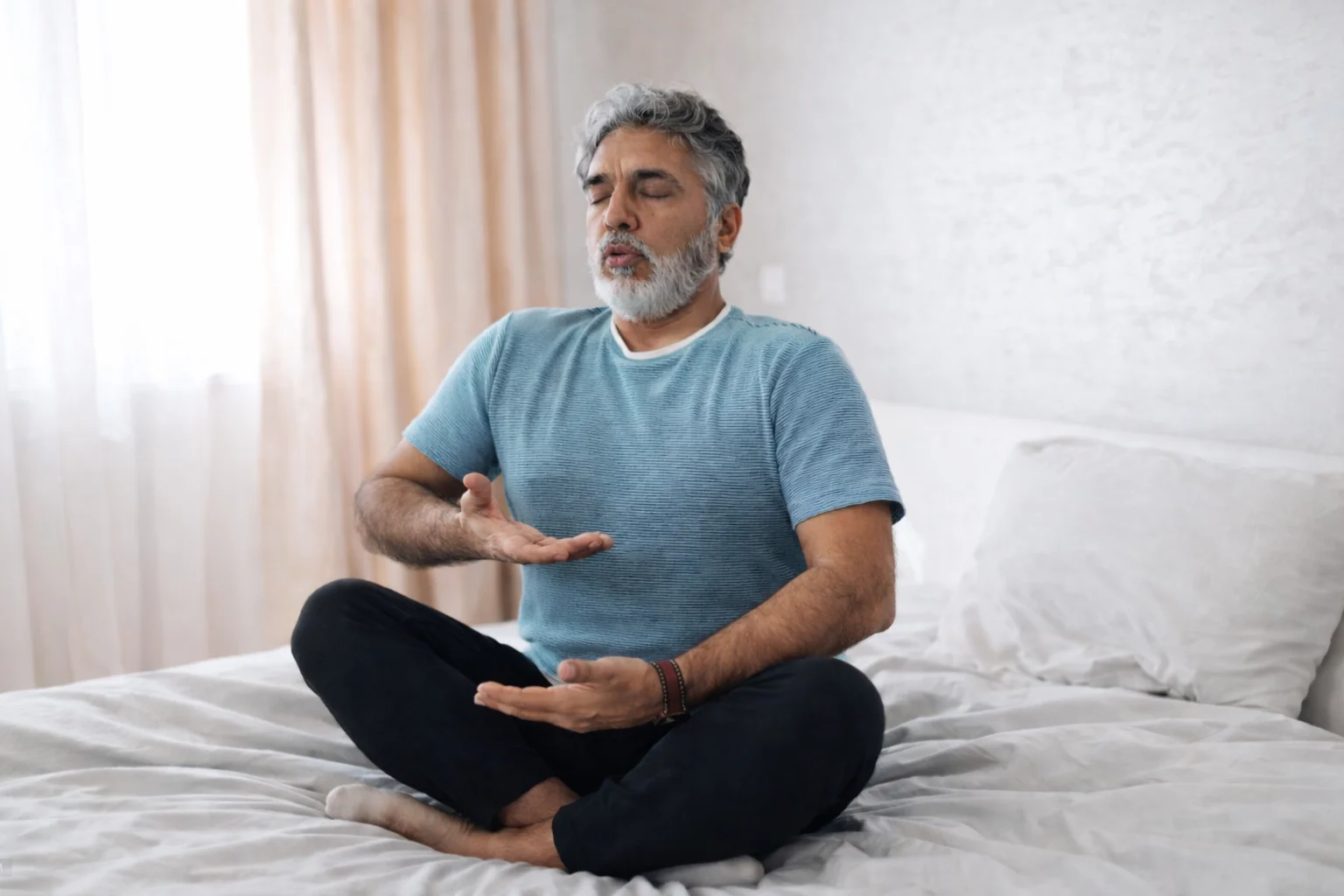
Anxiety often pulls you into a cycle of overthinking, but mindfulness helps bring you back to the present moment. Meditation, deep breathing exercises, and progressive muscle relaxation can calm your nervous system, making it easier to stay grounded in social situations. Practising these techniques regularly can help you manage anxious thoughts before they spiral out of control.
Identifying and Challenging Negative Thoughts
Your thoughts shape your experience, and Social Anxiety often thrives on irrational fears. Taking time for self-reflection or journalling can help you identify patterns in your thinking. Are you assuming the worst about a possible social interaction? Are you being overly critical of yourself? By challenging these thoughts and replacing them with more balanced perspectives, you can gradually shift how you see yourself and others.
Gradual Exposure to Social Situations
Avoidance keeps Social Anxiety alive, but facing fears in small, manageable steps can weaken its hold. You do not have to start with a big speech or a crowded event—simple actions like making eye contact, greeting someone, or engaging in a brief conversation can help you build confidence. Over time, these small moments add up, making social interactions feel less intimidating and more natural.

Seeking Professional Help
When Should You Consult a Mental Health Professional?
If Social Anxiety is interfering with your work, school, or relationships, causing overwhelming distress, or making you avoid important activities, it might be time to seek help. Struggling with social interactions occasionally is normal, but if fear consistently holds you back from things you want or need to do, professional support can provide effective strategies for managing it.
Read MoreYou can speak to a psychologist in Delhi or a counselling psychologist in Delhi to explore what kind of support would suit you best.
Types of Mental Health Professionals
Different professionals offer different forms of support, depending on your needs:
- Psychologists focus on therapy and behavioural interventions, helping you reframe anxious thoughts and gradually face fears.
- Psychiatrists can prescribe medication if therapy alone isn’t enough to manage severe symptoms.
- Counsellors and therapists provide supportive counselling, helping you work through challenges in a safe, understanding space.
Finding the right professional is a personal process, but the right support can make social interactions feel much less overwhelming.
What to Expect in Therapy?
Starting therapy can feel overwhelming, but knowing what to expect can make it easier. The process usually begins with an initial assessment, where your therapist asks about your experiences, triggers, and how Social Anxiety affects your life. Together, you will set realistic goals tailored to your needs. Sessions will focus on learning and practising anxiety-reduction techniques, such as cognitive restructuring, gradual exposure, and relaxation strategies. Progress takes time, but therapy provides a structured and supportive way to build confidence in social situations.
Integrating Advanced Treatment Options
For those with severe or treatment-resistant Social Anxiety, advanced options may offer additional relief. These treatments go beyond traditional therapy and medication, targeting brain function or providing intensive support.
Read MoreNeuromodulatory Therapies
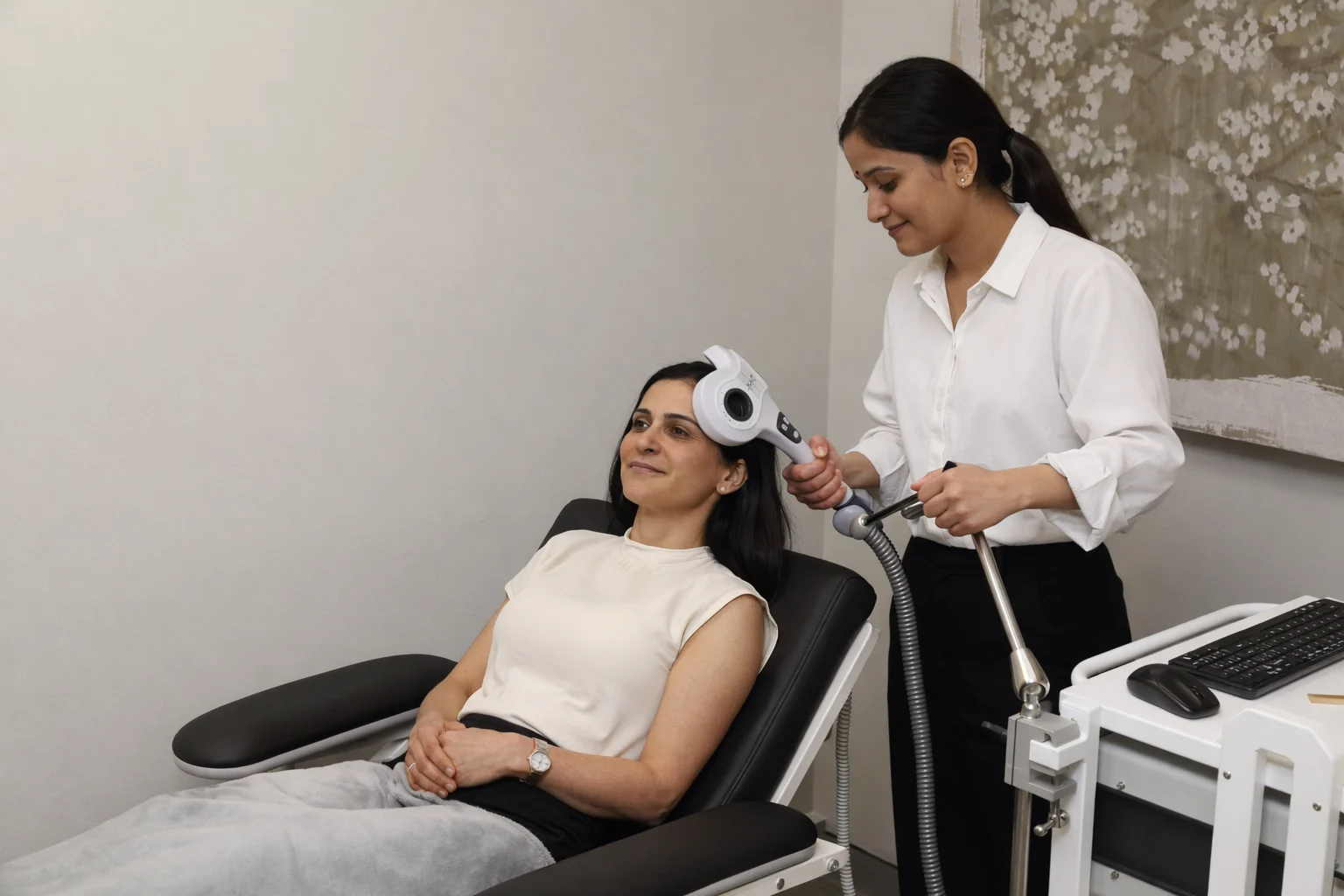
Innovative approaches like tDCS (Transcranial Direct Current Stimulation) and rTMS (Repetitive Transcranial Magnetic Stimulation) are gaining attention for their potential in treating Social Anxiety. tDCS is a non-invasive brain stimulation technique that may help regulate overactive brain areas linked to Anxiety. rTMS uses magnetic pulses to stimulate specific brain regions, helping to ease symptoms for some individuals. While research is still evolving, these therapies offer hope for those who haven’t found success with conventional treatments. You can also read more about brain stimulation therapy in Delhi to understand what these sessions involve.
In-Patient Treatment Programs
For individuals whose Social Anxiety is debilitating, in-patient programs provide a more immersive approach to recovery. These programs offer intensive therapy sessions in a structured setting, ensuring continuous professional support. With a combination of individual therapy, group interactions, and skill-building exercises, in-patient care can help you make significant progress in a safe and controlled environment.
FAQs About Social Anxiety Therapy
Therapy offers you a safe space to explore the root cause of your anxiety, understand your thought patterns, and develop healthier coping mechanisms. One of the most common and evidence-based approaches used in anxiety therapy is Cognitive Behavioural Therapy (CBT), which focuses on identifying and challenging the negative thoughts that contribute to your discomfort in social settings.
Whether you’re dealing with general anxiety or more specific social fears, the right support can make a real difference. There are excellent options for anxiety treatment in Delhi, anxiety treatment in Noida, and anxiety treatment in Gurgaon, making it easier than ever to find help close to where you live or work.
CBT is widely recognised as one of the most effective treatments for Social Anxiety. Research shows that about 75% of individuals experience significant symptom reduction through CBT. CBT provides long-term benefits by helping you reframe anxious thoughts and gradually face feared situations.
For some, treatment leads to complete remission, while others may need ongoing management strategies to keep symptoms under control. Even if it does not disappear entirely, therapy and coping techniques can help you feel significantly more comfortable in social settings if you’re struggling with Social Anxiety Disorder.
Not always. Some people see great improvement with therapy alone, while others may benefit from a combination of therapy and medication, especially if symptoms are severe. The right approach depends on your personal needs and response to treatment. A psychiatrist in Gurgaon or Delhi can help assess the best course of action for you.
Treatment duration varies, but CBT usually involves 12 to 16 sessions. Some individuals may need longer therapy, especially if their symptoms are more intense or they require additional support to apply techniques in real-life situations.
Healthy habits like regular exercise, a balanced diet, and mindfulness can help regulate Anxiety levels, but they are most effective when used alongside therapy or medication. Lifestyle changes support overall well-being but may not be enough on their own for severe Social Anxiety. Speaking to a psychologist in Gurgaon or Delhi can help you build a plan that combines both.
Latest articles
July 22, 2026
Anuroop Pokhriyal
June 26, 2026
Anuroop Pokhriyal
June 24, 2026
Anuroop Pokhriyal
