
“You don’t expect to have panic attacks when you’re over fifty. So when I had my first one at 54, I thought it was a heart attack Thanks to BetterPlace, I was able to understand what caused them and treat them before it got worse.”

Clinically Proven Care, Trusted by Thousands
50K
+
Lives transformed
97%
Report early reduction in symptoms
40
+
Years of trusted, effective care

Brain Stimulation Treatments
Our Experts for Comprehensive Panic Disorder Treatment

Dr. Sunil Mittal
Senior Consultant Psychiatrist


Online, in-person
Hindi, English
40+ Years Experience
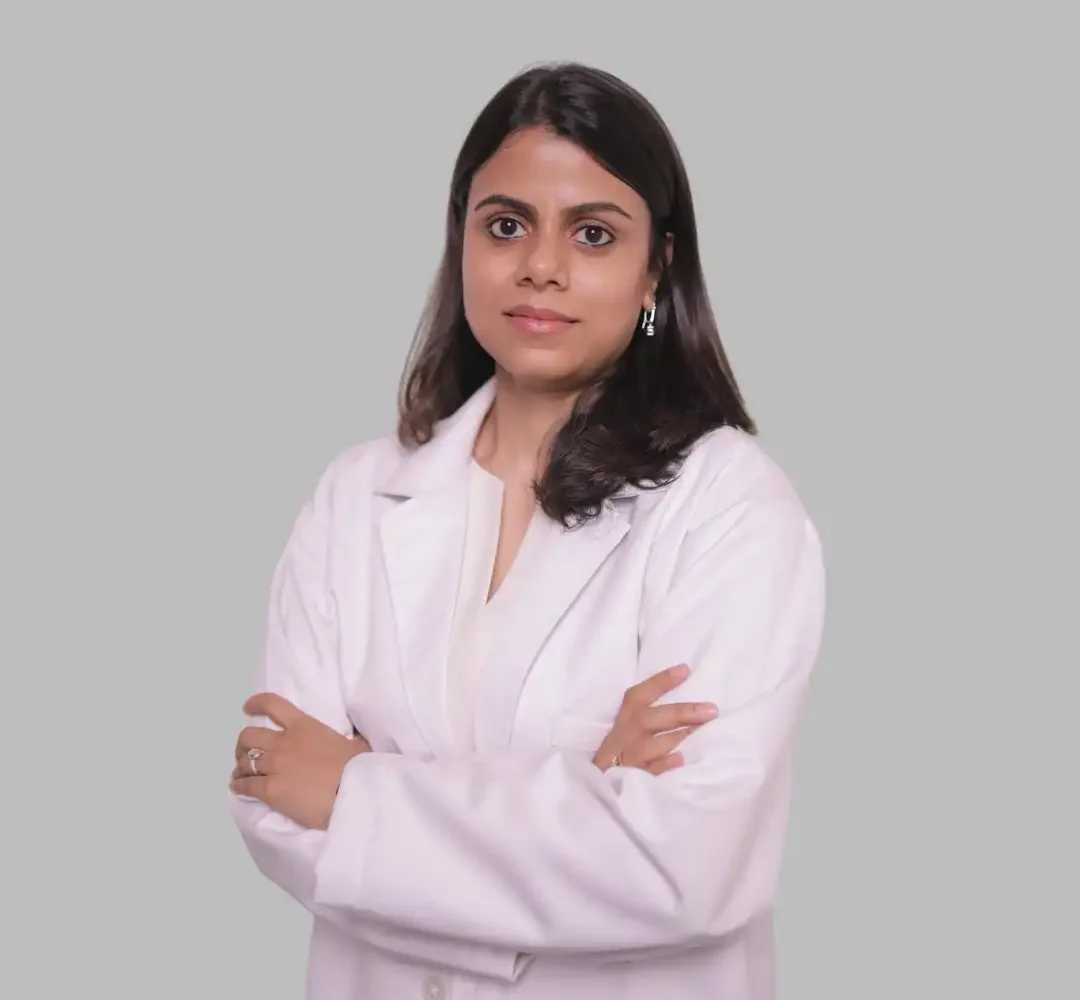
Dr. Shambhavi Jaiman
Consultant Psychiatrist
Online, In-person
English, Hindi
7+ Years Experience

Dr. Siddharth Sethi
Consultant Psychiatrist
Online, In-person
English, Hindi, Marathi
7+ Years Experience

Dr. Akul Gupta
Consultant Psychiatrist
Online, in-person
Hindi, English
5+ Years Experience

Dr. Anchal Saxena
Consultant Psychiatrist
Online, In-person
English, Hindi
4+ Years Experience

Dr. Pranita Gaur
Clinical Psychologist
Online, In-person
Hindi, English
44+ Years Experience

Ms. Anantika Tehlani
Clinical Psychologist
Online, In-person
Hindi, English
7+ Years Experience

Ms. Ayushi Paul
Clinical Psychologist
Online, In-person
Hindi, English, Bengali
5+ Years Experience

Ms. Ridhi Batra
Clinical Psychologist
Online, In-person
Hindi, English
2+ Years Experience

Ms. Sukanksha Sahni
Clinical Psychologist
Online, In-person
Hindi, English
5+ Years Experience

Ms. Sulagna Mondal
Clinical Psychologist
Online, In-person
Hindi, English, Bengali
3+ Years Experience
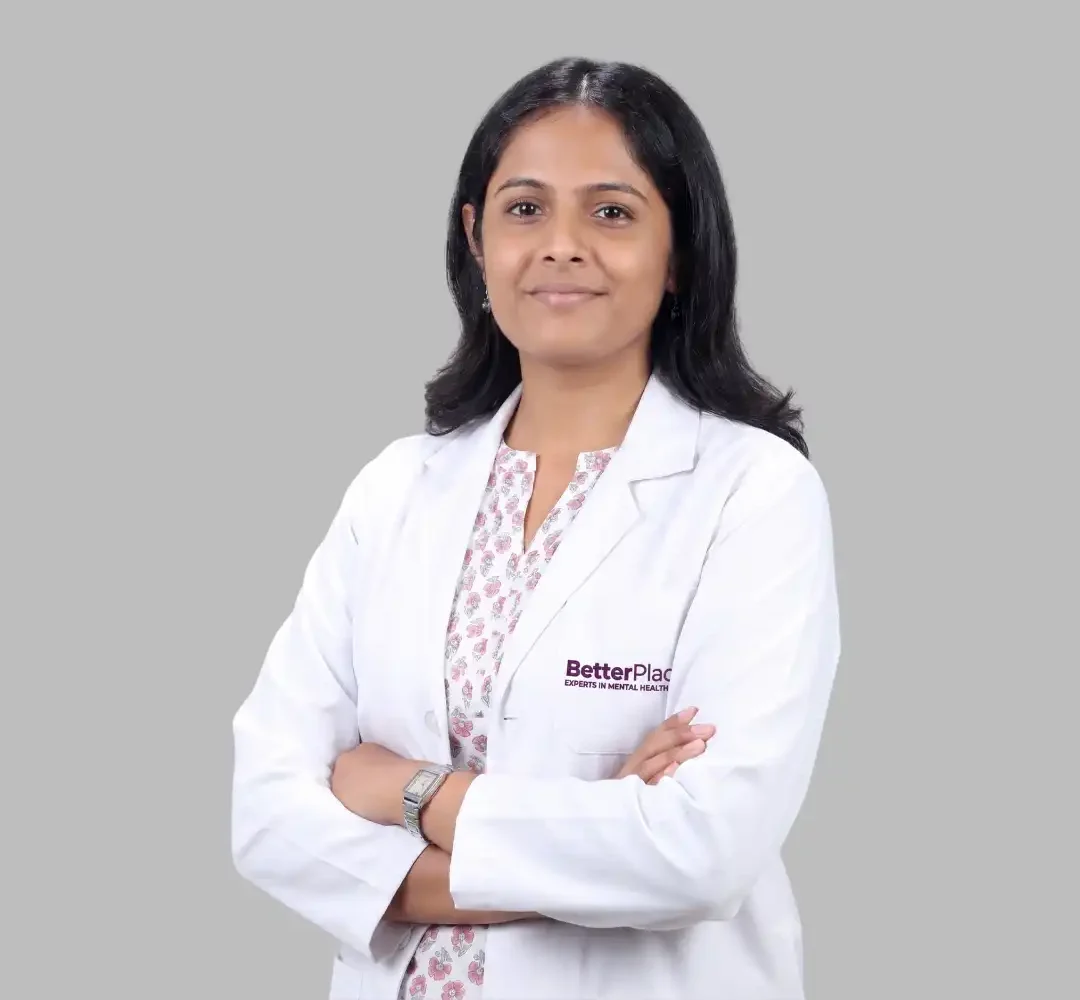
Ms. Shreya Maheshwary
Counselling Psychologist
Online, In-person
Hindi, English
2+ Years Experience

Ms. Shreeyam Mishra
Clinical Psychologist
Online, In-person
Hindi, English
2+ Years Experience
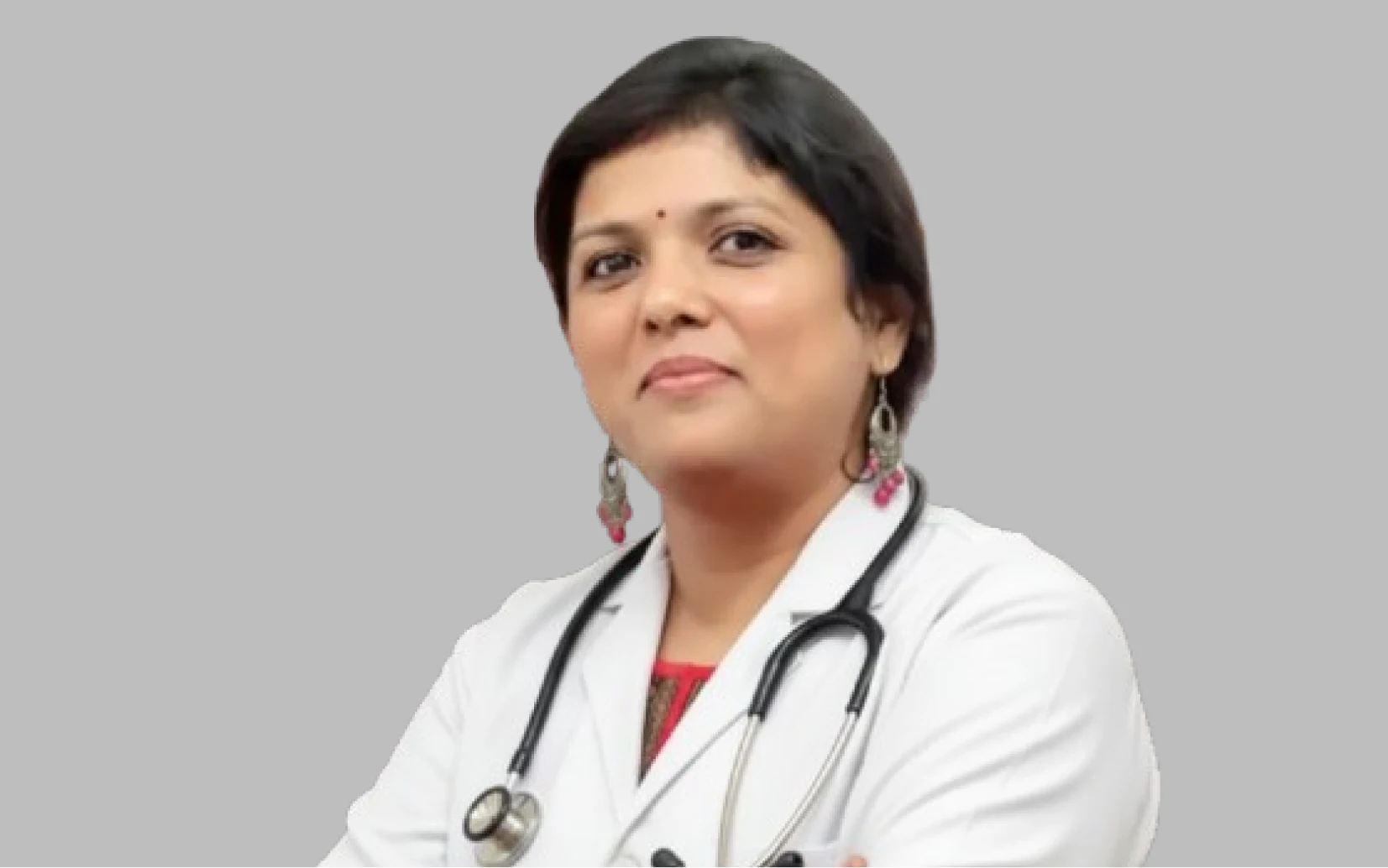
Ms. Mitali Srivastava
Senior Clinical Psychologist
Online, in-person
Hindi, English
15+ Years Experience
What Sets Our Panic Disorder Treatment Apart?

Accurate Diagnosis First
Panic attacks can sometimes feel like heart, breathing or neurological problems. Our psychiatrists and psychologists assess your symptoms carefully so you know what is actually happening. A clear diagnosis helps you stop guessing and start the right treatment on the right foot.

Combined Care
You do not have to choose between medication and therapy without guidance. Our psychiatrists and psychologists work together to decide what you need, whether that means therapy, medication, assessments, lifestyle support, or a combination of treatments.

Personalised Treatment Plans
Panic disorder does not look the same for everyone. We understand your triggers, symptoms, health history, thought patterns and lifestyle before creating your treatment plan. This helps you get care that fits your panic attacks, not a generic anxiety programme.

Continuous Monitoring
Panic disorder treatment needs regular review. We track how often you get panic attacks, what triggers them, how intense they feel and how your body responds. This helps us adjust your treatment before small setbacks become bigger problems.
Visiting BetterPlace for Panic Disorder Treatment? Here’s What to Expect
When visiting BetterPlace, you can expect a welcoming environment where there is 0% judgment.

Detailed initial session (90 min)
Meet with both a psychologist and a psychiatrist
Comprehensive testing
Get an accurate understanding of your mental health
Treatment phase (3-8 Weeks)
Get a personalised treatment plan
Long-term support
Get ongoing care with regular follow-ups
Transformation Stories at BetterPlace

“My life changed when I was 22 when I started having severe panic attacks. I was diagnosed with bipolar 1 disorder with a psychotic effect. It took 3 years of constantly visiting different doctors, specialists and therapists to finally land an accurate diagnosis. So far recovery has been challenging but with the help of BetterPlace and their expert team, I am slowly working towards reclaiming my life.”
“I faced a lot on the battlefield but never thought the real battle would begin once I got home. The nightmares, panic attacks and flashbacks ambushed me when I least expected it. Full credit goes to the excellent doctors at Better Place for helping me tackle my demons head-on. It’s been a slow and steady process but the results have been very encouraging so far.”
Meet Our Experts for Effective Treatment Today!
Visit us or book an online consultation

BetterPlace, East of Kailash
At National Heart InstituteFirst Floor, Annexe Building D Block, East of Kailash, New Delhi
BetterPlace, Gurgaon
5th Floor, Plot No 33,













Panic Disorder Treatment at BetterPlace

What Is Panic Disorder?
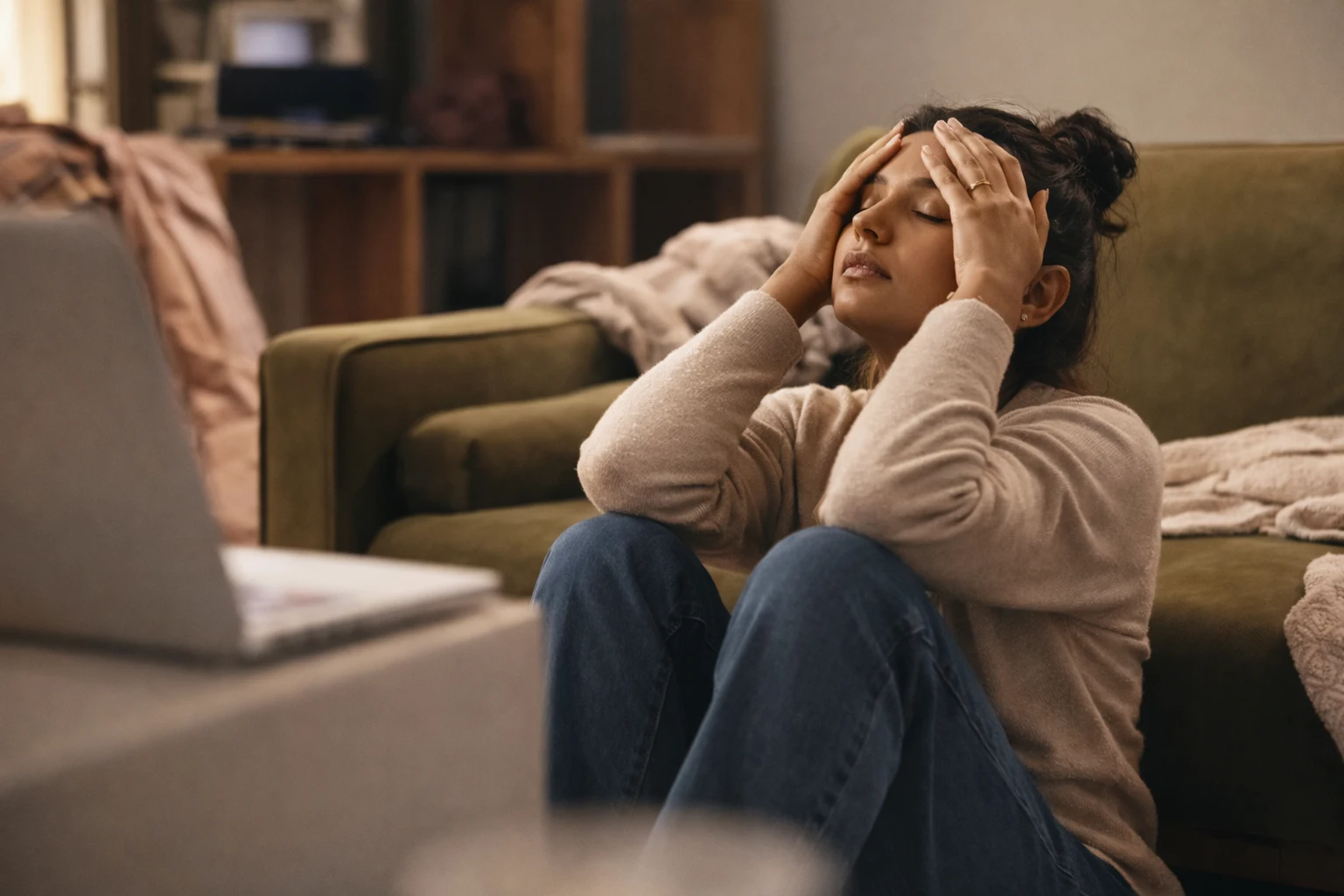
A panic attack is a sudden, intense surge of fear that triggers severe physical reactions even when there is no real danger present. Your heart races, your chest tightens, you cannot catch your breath, and your brain tells you something is terribly wrong. Most attacks peak within ten minutes and then subside, leaving you exhausted and shaken.
Panic disorder is what happens when these attacks become a recurring pattern and the fear of having another one starts to take over.
Read MoreTo understand the difference, think of it this way. A panic attack is the event. Panic disorder is everything that builds around it: the constant vigilance, the dread, and the behavioural changes you make trying to prevent the next one.
How Panic Disorder Differs From General Anxiety
Panic disorder and generalised anxiety disorder are both anxiety conditions, but they feel very different from the inside.
- Generalised anxiety disorder involves persistent, low-level worry about many areas of life. It is chronic and diffuse.
- Panic disorder involves sudden, intense bursts of fear that come without obvious warning. The anxiety is acute and episodic rather than constant.
People with panic disorder are not anxious all the time in the way that someone with generalised anxiety disorder might be. Instead, they live in fear of the next attack, which is its own form of exhausting.
The Fear of Fear Loop
One of the most debilitating aspects of panic disorder is what clinicians call anticipatory anxiety, or the fear of fear itself. After you have had one or two attacks, your brain starts scanning your body constantly for signs that another one is coming. A slightly elevated heart rate from climbing stairs becomes a potential warning sign. A moment of dizziness in a meeting feels like the beginning of an attack. This hypervigilance keeps your nervous system on permanent alert, which ironically makes panic attacks more likely.
This loop is central to how panic disorder sustains itself, and it is also one of the primary targets of treatment.
Who Experiences a Panic Disorder?
Panic disorder typically begins in late adolescence or early adulthood. It is more common in women than in men. It can develop after a period of significant stress, a traumatic experience, or sometimes without any obvious trigger at all.
Panic Disorder Symptoms
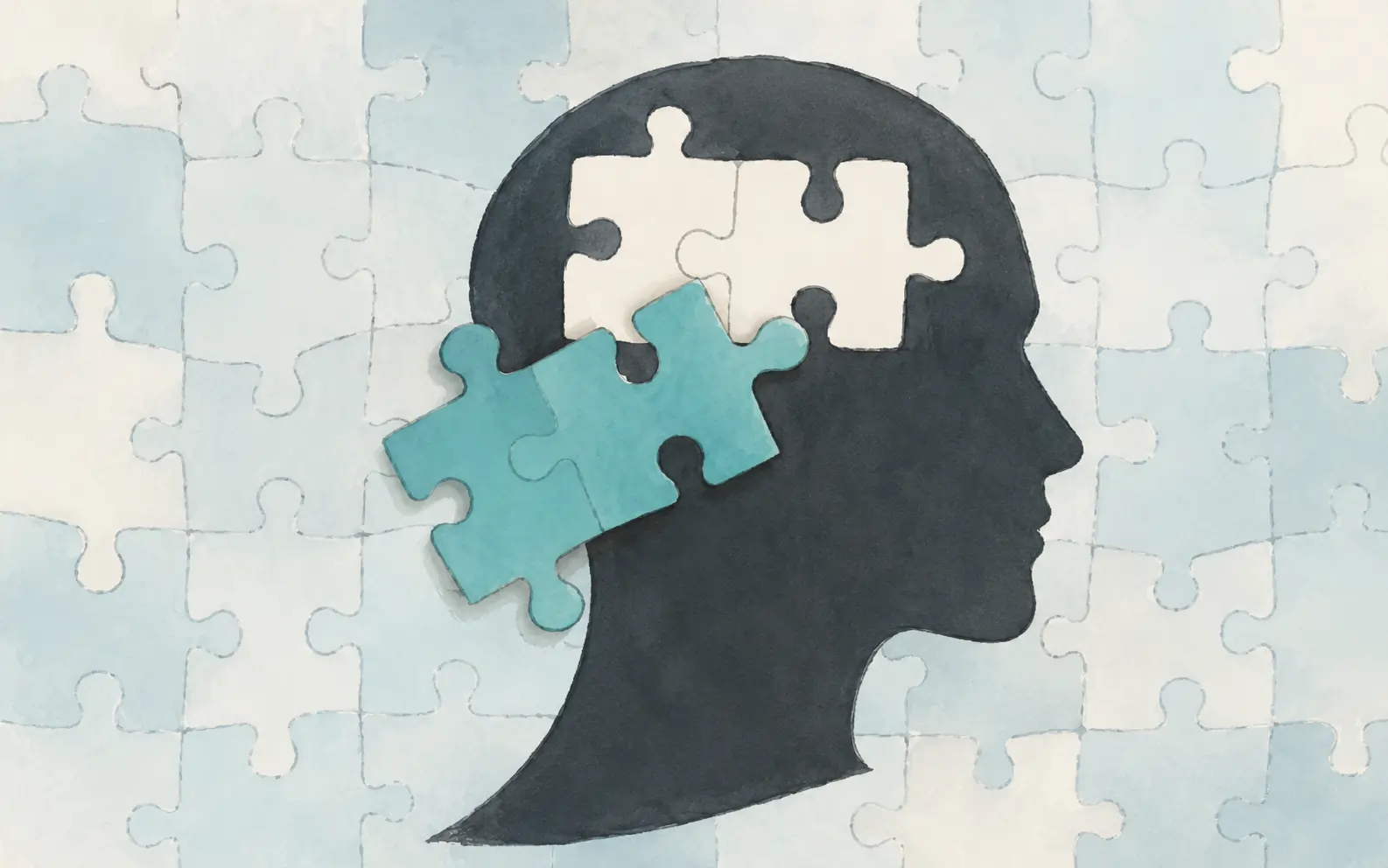
Panic disorder symptoms fall into two categories that are equally important to understand: what happens during an attack, and what happens in the time between attacks.
Read MorePanic Disorder Symptoms
Panic disorder symptoms fall into two categories that are equally important to understand: what happens during an attack, and what happens in the time between attacks.
During a Panic Attack
Panic attacks arrive suddenly and without warning. They can happen while you are driving, sitting in a meeting, trying to fall asleep, or doing absolutely nothing out of the ordinary. The physical symptoms are intense and feel genuinely medical, which is why so many people end up in casualty, convinced they are having a heart attack.
Common symptoms during a panic attack include:
- Racing or pounding heartbeat, sometimes described as the heart skipping beats
- Chest pain or tightness, which is one of the most frightening symptoms
- Shortness of breath, or the feeling that you cannot get enough air
- Dizziness or lightheadedness, sometimes accompanied by a fear of fainting
- Sweating and trembling, even when you are not physically exerting yourself
- Nausea or abdominal discomfort
- Numbness or tingling, often in the hands, feet, or face
- Chills or hot flushes
- A sense of unreality or detachment, where you feel disconnected from your surroundings or from yourself
- An overwhelming sense of dread, often accompanied by the feeling that you are dying or losing control
Symptoms typically peak within five to ten minutes and then gradually subside, leaving you feeling drained and unsettled. The attack itself is not medically dangerous, but it does not feel that way when you are in the middle of one.
Between Attacks
This is where panic disorder distinguishes itself from a one-off panic attack, and it is a part of the experience that does not get enough attention.
Between attacks, you may notice:
- Persistent worry about the next attack, even on days when you feel physically fine
- Constantly monitoring your body for warning signs, such as your heart rate, breathing, or a feeling of dizziness
- Avoiding situations or places where you have had attacks before, or where you fear escape would be difficult
- Changing your behaviour to reduce the chance of triggering an attack, such as avoiding exercise, caffeine, or social situations
- Difficulty concentrating because a part of your attention is always on alert
- Withdrawal from work, social life, or relationships as avoidance gradually expands
It is this in-between experience that defines the severity of panic disorder and has the biggest impact on your quality of life. Treatment for panic disorder specifically targets both the attacks and this wider pattern of avoidance and anxiety.

What Causes Panic Disorder?
The exact causes of panic disorder are not fully understood, but research points to a combination of biological, psychological, and environmental factors. No single cause explains why one person develops panic disorder while another does not.
Read MoreBiological Factors
Your nervous system plays a central role in panic disorder. The condition is thought to involve a misfiring of the body’s natural fight-or-flight response. When you face genuine danger, your body floods with adrenaline, your heart rate increases, and your breathing quickens. This response is designed to protect you. In panic disorder, this same response fires in situations where there is no actual threat present.
There is also a genetic component. If a close family member has panic disorder or another anxiety condition, your risk of developing it is higher.
Psychological Factors
Certain thinking patterns and personality traits increase vulnerability to panic disorder:
- High sensitivity to physical sensations: If you tend to notice and focus on changes in your body, you are more likely to interpret them as threatening.
- Tendency toward catastrophic thinking: Interpreting a racing heartbeat as a heart attack rather than a stress response is a pattern that both triggers and sustains panic attacks.
- Difficulty tolerating uncertainty: People who find unpredictability particularly distressing may be more prone to the anticipatory anxiety that characterises panic disorder.
Environmental and Life Factors
Life experiences significantly influence whether panic disorder develops:
- Major life stress, such as bereavement, divorce, job loss, or a serious illness
- Traumatic events, including accidents, assault, or childhood abuse
- Significant life changes, even positive ones like having a baby or moving cities, can act as triggers
- Excessive caffeine or nicotine intake, which can stimulate the nervous system and increase the likelihood of panic symptoms
- A history of other anxiety disorders, which raises the risk of developing panic disorder
Understanding the causes of panic disorder matters because it shapes treatment. When your therapist knows that catastrophic thinking is a primary driver for you, they can target that directly. When they know stress was a trigger, they can build stress management into your plan.

Treatment Options for Panic Disorder
The good news about panic disorder is that it responds very well to treatment. Most people see meaningful improvement with the right combination of therapy, and where needed, medication. The goal of treatment for panic disorder is not just to reduce the frequency of attacks. It is to break the fear cycle so that your life stops being organised around avoiding the next one.
- Cognitive Behavioural Therapy (CBT)
- Exposure Therapy
- Medication (if needed)
- Breathing and Regulation Techniques
Cognitive Behavioural Therapy (CBT)
CBT is the most well-evidenced treatment of panic disorder and is the recommended first-line approach. It works by targeting the thought patterns and behaviours that keep the panic cycle going.
In CBT for panic disorder, your therapist will work with you on:
- Psychoeducation: Understanding exactly what a panic attack is, what it is not, and why your body responds the way it does. This alone reduces fear significantly for many people.
- Identifying and challenging catastrophic thoughts: Learning to examine whether your interpretation of physical sensations is accurate. A racing heart during stress is not a heart attack. A moment of dizziness is not a sign of collapse.
- Interoceptive exposure: Gradually and safely recreating the physical sensations associated with panic, such as spinning or breathing through a straw, so that you learn those sensations are not dangerous. This directly targets the fear of fear.
- Situational exposure: Systematically and gradually reintroducing situations you have been avoiding, so that avoidance loses its grip on your daily life.
CBT for panic disorder typically runs over twelve to twenty sessions. Progress tends to be cumulative, with each session building on the last.
Exposure Therapy
Exposure therapy is often integrated within CBT but deserves its own mention because it is particularly powerful for panic disorder. Working with a therapist, you build a hierarchy of feared situations and work through them at a pace that is challenging but manageable. Over time, your brain learns that these situations are safe, and the anticipatory anxiety begins to ease.
Medication
Medication is not always necessary for panic disorder treatment, but it can be very effective, particularly when symptoms are severe or when therapy alone is not producing enough progress. Medication works best alongside therapy rather than as a standalone solution. A psychiatrist in Delhi can help you find the right option and monitor your response over time.
Breathing and Regulation Techniques
Alongside formal therapy and medication, learning to regulate your physical response to panic is a valuable part of treatment for panic disorder:
- Diaphragmatic breathing: Slow, deep breathing from the belly activates the parasympathetic nervous system and directly counteracts the physical panic response.
- Progressive muscle relaxation: Systematically tensing and releasing muscle groups reduces overall physical tension and lowers your baseline anxiety level.
- Mindfulness: Learning to observe physical sensations without reacting to them reduces the catastrophic interpretation that fuels panic. You notice the racing heart without immediately concluding something is wrong.
These techniques do not replace therapy, but they give you practical tools to use in the moment, which builds confidence and reduces the sense of helplessness that panic disorder can create.

Cost of Panic Disorder Treatment at BetterPlace
The cost and duration of your panic disorder treatment will vary depending on the frequency of visits, the recommended treatment plan, and any medication required for co-occurring conditions such as depression or generalised anxiety.
Read MoreThe first appointment at BetterPlace starts at INR 2,000 and includes a 90-minute in-depth conversation with a psychiatrist and a clinical psychologist. BetterPlace provides cost-effective, end-to-end mental health care for you and your loved ones. Our focus is to shorten and quicken your recovery so you get better, faster. We make sure you receive the most appropriate treatment for panic disorder for your needs while keeping costs manageable. If you are unsure where to begin, speaking with one of our specialists at our mental health clinic in Delhi or our mental health clinic in Gurgaon can help you understand the right next step.
| Appointment Type | Details | Cost (Starts at) |
| First Session (90 mins) | With an in-house clinical psychologist + psychiatrist at BetterPlace Clinic | ₹2,000 |
| Psychiatric Consultation | In-person or online consultation with a psychiatrist | ₹1,500 |
| Psychological Consultation/Session | 50-minute in-person or online therapy sessions | ₹2,500 |
| Follow-up Consultation with a Psychiatrist | A 20-minute session to discuss your progress | ₹1,500 |
| Medication (If Prescribed) | As per the condition and treatment plan | Extra (varies) |
We may also administer psychometric tests to gain a deeper understanding of your condition (separate charges applicable).
*Prices are subject to change
FAQs about Panic Disorder Treatments
Panic disorder can go into full remission with the right treatment. CBT in particular produces lasting results because it addresses the root patterns rather than just managing symptoms. Many people complete treatment and never experience significant panic disorder symptoms again. Early intervention gives you the best chance of a permanent recovery. Our anxiety therapy programme specifically targets the thoughts and behavioural patterns that sustain panic disorder.
Not quite. A panic attack is a single episode of intense fear with physical symptoms. Panic disorder is diagnosed when attacks become recurrent and you start living in fear of the next one. The attacks and the anxiety they create around your daily life are both part of the condition.
Yes, and it often does. Without treatment, the avoidance behaviour that develops around panic disorder tends to expand over time. What starts as avoiding one situation gradually spreads to more areas of your life. In some cases, untreated panic disorder develops into agoraphobia, where leaving home feels impossible. A psychologist in Delhi or a psychologist in Gurgaon can begin working with you on the avoidance patterns before they increase.
Panic disorder does not cause permanent physical damage, but the chronic stress it creates does take a toll over time. Persistent anxiety raises cortisol levels, disrupts sleep, and can contribute to tension headaches, digestive issues, and fatigue. Treating your panic disorder is also, in that sense, protecting your physical health.
A standard course of CBT runs between twelve and twenty sessions. Many people notice meaningful change within the first few weeks. Where medication is involved, Medication typically take two to four weeks to begin working. Overall, most people see significant improvement within three to six months of starting treatment consistently.
More Ways We Support Your Panic Disorder Treatment
Latest articles
July 22, 2026
Anuroop Pokhriyal
June 26, 2026
Anuroop Pokhriyal
June 24, 2026
Anuroop Pokhriyal
