
“Hum log bahut pareshan the. Our daughter was getting expelled threats from school every other week. Dr akul gupta explained everything so patiently, no judgement at all. We finally understood what we were dealing with. The therapy is still ongoing but atleast now we have direction. very grateful.”

Clinically Proven Care, Trusted by Thousands
50K
+
Lives transformed
97%
Report early reduction in symptoms
40
+
Years of trusted, effective care

Brain Stimulation Treatments
Our Experts for Comprehensive Oppositional Defiant Disorder Treatment

Dr. Sunil Mittal
Senior Consultant Psychiatrist


Online, in-person
Hindi, English
40+ Years Experience

Dr. Shambhavi Jaiman
Consultant Psychiatrist
Online, In-person
English, Hindi
7+ Years Experience

Dr. Siddharth Sethi
Consultant Psychiatrist
Online, In-person
English, Hindi, Marathi
7+ Years Experience

Dr. Akul Gupta
Consultant Psychiatrist
Online, in-person
Hindi, English
5+ Years Experience
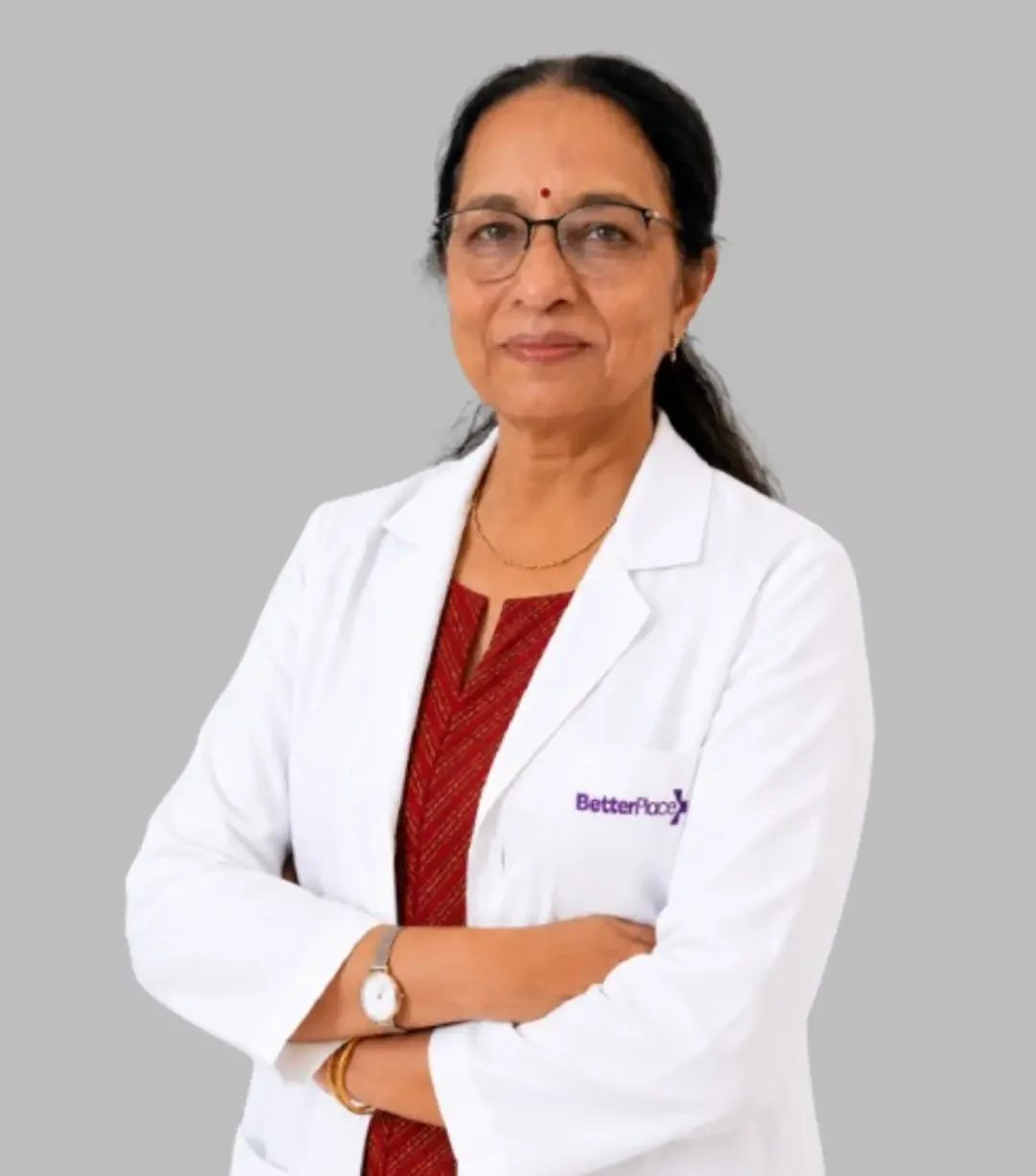
Dr. Pranita Gaur
Clinical Psychologist
Online, In-person
Hindi, English
44+ Years Experience

Ms. Anantika Tehlani
Clinical Psychologist
Online, In-person
Hindi, English
7+ Years Experience

Ms. Ayushi Paul
Clinical Psychologist
Online, In-person
Hindi, English, Bengali
5+ Years Experience

Ms. Sulagna Mondal
Clinical Psychologist
Online, In-person
Hindi, English, Bengali
3+ Years Experience

Ms. Shreya Maheshwary
Counselling Psychologist
Online, In-person
Hindi, English
2+ Years Experience

Ms. Shreeyam Mishra
Clinical Psychologist
Online, In-person
Hindi, English
2+ Years Experience

Ms. Mitali Srivastava
Senior Clinical Psychologist
Online, in-person
Hindi, English
15+ Years Experience
What Sets Our Oppositional Defiant Disorder Treatment Apart?

Personalised treatment plan
Your child’s oppositional behaviour may look similar to another child’s, but the reasons behind it can be very different. We create a personalised treatment plan based on your child’s triggers, emotional regulation, family dynamics, school concerns and developmental needs.

Combined Care
ODD can overlap with ADHD, anxiety, learning difficulties, mood concerns or trauma-related stress. Our psychiatrists and clinical psychologists work together to create a comprehensive treatment plan that looks beyond behaviour to address the full clinical picture.

Parent-focused support
You do not have to manage defiance, arguments and power struggles alone. We help you understand what drives your child’s behaviour, how to respond calmly, and how to set firm but healthy boundaries at home.

Practical coping skills
We do not only talk about behaviour. We teach your child practical skills for emotional regulation, frustration tolerance, communication, problem-solving and impulse control, so they can respond better when they feel angry, criticised or misunderstood.
Visiting BetterPlace for Oppositional Defiant Disorder Treatment? Here’s What to Expect
When visiting BetterPlace, you can expect a welcoming environment where there is 0% judgment.

Detailed initial session (90 min)
Meet with both a psychologist and a psychiatrist
Comprehensive testing
Get an accurate understanding of your mental health
Treatment phase (3-8 Weeks)
Get a personalised treatment plan
Long-term support
Get ongoing care with regular follow-ups
Transformation Stories at BetterPlace

“i was honestly scared of my own child. thats hard to write but its true. ms sejal jain helped me understand its a condition not a character flaw. my kid needed proper help not more punishments. sessions have been eye opening for the whole family. wish we had come sooner tbh”
“My nephew stays with us and the behaviour was very extreme. hurting younger kids, no remorse at all. Dr akul gupta was very direct and honest with us which we needed. not sugar coating. treatment plan is working and he is responding better now. good team, trustworthy doctors”
Meet Our Experts for Effective Treatment Today!
Visit us or book an online consultation

BetterPlace, East of Kailash
At National Heart InstituteFirst Floor, Annexe Building D Block, East of Kailash, New Delhi

BetterPlace, Gurgaon
5th Floor, Plot No 33,











Oppositional Defiant Disorder Treatment at BetterPlace

What Is Oppositional Defiant Disorder?
Oppositional defiant disorder is a behavioural and emotional condition in children and teenagers characterised by a persistent pattern of angry moods, defiant behaviour, and hostility toward authority figures. This isn’t your child having a bad day or going through a rough patch. It’s a consistent, repetitive pattern that significantly disrupts their life at home, at school, and in their relationships.
All children push back sometimes, especially toddlers and early adolescents. The difference with oppositional defiant disorder (ODD) is that the behaviour is far more frequent, far more intense, and lasts well beyond what you’d expect for their age.
Read MoreHere’s where ODD fits in the broader picture of behavioural disorders:
- ODD involves persistent defiance, anger, and hostility — but stops short of violating others’ rights.
- Conduct Disorder (CD) is the more serious step up, involving aggression and rule-breaking that harms others.
- ADHD frequently co-occurs with ODD, but the two are distinct conditions.
About one in ten children under age 12 is thought to have ODD. It’s more common in boys before adolescence, but the gap between boys and girls tends to narrow during the teenage years. Most children first show symptoms between ages 6 and 8, though it can appear earlier.
Roughly one in three children with ODD will eventually go on to develop conduct disorder if the condition is left unaddressed. That’s why early intervention matters so much.

Signs and Symptoms of Oppositional Defiant Disorder
Knowing the oppositional defiant disorder symptoms is essential to getting your child the right support. According to the DSM-5, ODD symptoms fall into three main categories.
- Angry or irritable mood
- Argumentative or defiant behaviour
- Vindictiveness
1. Angry or irritable mood
- Frequently loses their temper over minor things
- Easily annoyed or set off by others
- Often seems resentful, bitter, or angry without a clear reason
2. Argumentative or defiant behaviour
- Argues persistently with adults, especially about rules or requests
- Actively refuses to follow instructions from parents, teachers, or other authority figures
- Deliberately does things to annoy or provoke others
- Blames everyone else for their own mistakes and never takes responsibility
3. Vindictiveness
- Has been spiteful or vindictive toward others at least twice in the past six months
Beyond these three core categories, you might also notice:
- Behaviour that’s worse at home than elsewhere. Many children with ODD actually manage to hold it together at school or with strangers, then fall apart at home. This doesn’t mean the problem isn’t real; it means home feels like the safest place to let it out.
- Difficulty maintaining friendships. Peers tend to pull away when a child is consistently argumentative or provocative.
- Low frustration tolerance. Small setbacks can trigger disproportionately large reactions.
To qualify as ODD, oppositional defiant disorder symptoms need to be present for at least six months and cause genuine impairment. The severity is measured by how many settings the behaviour appears in: mild (one setting), moderate (two settings), or severe (three or more settings).

Causes and Risk Factors of Oppositional Defiant Disorder
There’s no single explanation for why ODD develops. Most experts believe it’s a combination of the following:
- Developmental factors
- Learning and environmental factors
- Biological and genetic factors
Developmental factors
Some researchers suggest ODD begins during the toddler years, when children are learning to become independent. For some children, this natural defiance simply never fades the way it should; it continues and intensifies well past the developmentally expected age.
Learning and environmental factors
ODD may also develop as a learned response. If a child discovers that defiance gets them attention, even negative attention, they may begin to rely on it as a strategy. This can be reinforced by:
- Harsh, inconsistent, or overly permissive parenting
- A chaotic or unpredictable home environment
- Exposure to parental conflict, substance abuse, or mental illness in the family
- Lack of supervision or structure
This is not about blaming parents. These are contributing factors, not causes you deliberately chose.
Biological and genetic factors
- ODD is highly heritable. If a parent or close family member had significant behavioural problems growing up, the risk increases.
- Neurobiological differences, including disruptions in neurotransmitter regulation, may affect how the child manages emotions and impulses.
- A family history of mood disorders, ADHD, or anxiety also raises the risk.
How Is Oppositional Defiant Disorder Diagnosed?
ODD should be diagnosed by a child psychiatrist in Delhi or a clinical psychologist, not self-diagnosed at home.
The diagnostic process typically involves:
- Clinical interviews. The professional will speak with you, your child, and often their teachers.
- Behavioural observations. Looking at how your child behaves across different settings.
- Standardised assessments. Tools that measure the severity and pattern of symptoms.
- DSM-5 criteria check. Your child must show at least four symptoms from the categories present in the DSM-5 criteria, present for at least six months, with someone other than a sibling.
One important thing to know: your child doesn’t need to show symptoms everywhere to be diagnosed. Importantly, the clinician will also screen for comorbid conditions like ADHD, depression, anxiety, and learning disabilities, as these often appear alongside ODD and can affect the treatment plan.

Oppositional Defiant Disorder in Adults
Here’s something many people don’t realise: oppositional defiant disorder in adults is real, and it’s far more common than it’s officially diagnosed.
Most people with ODD are identified in childhood. But for many, it was simply never caught. They grew up labelled as “difficult,” “hot-headed,” or “impossible to work with”, without anyone recognising that there was an actual, treatable condition behind it.
In adults, ODD often shows up as:
Read More- Workplace conflict. Persistent friction with managers, supervisors, or colleagues in authority roles. A pattern of being let go or quitting over conflict rather than performance.
- Relationship problems. Chronic arguments, difficulty accepting feedback, and a tendency to blame others in personal relationships.
- Anger that feels disproportionate. Reacting strongly to situations where others would simply let it go.
- Substance use. Using alcohol or other substances to cope with the frustration and tension that ODD creates.
- A sense of bewilderment. Many adults with ODD don’t fully understand why their relationships and careers keep falling apart.
Adults with a history of ODD have over a 90% chance of being diagnosed with at least one other mental illness in their lifetime, most commonly anxiety disorders, mood disorders, and substance use disorders. That statistic underscores how important it is to get the right support, regardless of your age.
Speaking to a psychiatrist in Delhi is a sensible starting point for adults who suspect ODD may be behind long-standing patterns of conflict or anger.

Treatments and Therapies for Oppositional Defiant Disorder
The most important thing to know about oppositional defiant disorder treatments is that they work well, particularly when started early and applied consistently across multiple areas of life.
- Parent Management Training (PMT)
- Cognitive Behavioural Therapy (CBT)
- Parent-Child Interaction Therapy (PCIT)
- Social skills training
- Family therapy
- School-based support
- Medication
Parent Management Training (PMT) — the primary approach for children
PMT is widely regarded as the most effective intervention for ODD in children. It’s not therapy for your child alone. It’s training for you as a parent, so you can:
- Set consistent, clear boundaries without escalating conflict
- Use positive reinforcement strategies that actually change behaviour
- Learn how to de-escalate rather than get drawn into power struggles
- Build a warmer, more secure relationship with your child
This isn’t a parenting criticism. It’s evidence-based skill-building that makes a real difference.
Therapies for the child
Cognitive Behavioural Therapy (CBT) is one of the most widely used oppositional defiant disorder therapies. It helps your child:
- Identify what triggers their anger and defiance
- Recognise and challenge the negative thought patterns behind their behaviour
- Develop healthier ways to express frustration and manage conflict
Parent-Child Interaction Therapy (PCIT) is particularly effective for younger children. A therapist coaches you in real time while you interact with your child — giving you immediate, practical guidance on what’s working and what isn’t.
Social skills training helps children improve their frustration tolerance, learn how to read social situations, and build better peer relationships.
Family therapy brings everyone into the room. It addresses communication patterns, dynamics, and triggers that play out across the whole family, and helps everyone understand their role in the cycle. Our counselling team is experienced in working with families navigating exactly these kinds of complex dynamics.
School-based support
Consistent expectations between home and school make a significant difference. This typically involves:
- A behaviour management plan shared between your child’s therapist, teachers, and parents
- Regular communication between school and home to track progress
- Adjustments to the classroom environment to reduce triggers
Medication
Medication is not a first-line treatment for ODD itself. However, if your child has a comorbid condition like ADHD, depression, or anxiety, medication may be prescribed to address those symptoms specifically. It’s always used alongside therapy, not as a replacement for it.
For adults with ODD
Oppositional defiant disorder therapies for adults focus on:
- CBT and anger management as the primary approach, identifying patterns, building emotional regulation skills, and changing responses to authority and conflict
- Dialectical Behaviour Therapy (DBT), particularly effective for emotional regulation, distress tolerance, and interpersonal effectiveness
- Schema therapy addresses the deep-rooted beliefs and patterns that drive defiant and hostile behaviour in long-standing cases

Cost of ODD Treatment at BetterPlace
Your first appointment will cost INR 2,000. To get started, book a consultation with our professionals to discover how BetterPlace and our ODD treatment centres can support you and your family with top-quality care.
The cost and duration of your oppositional defiant disorder treatments will vary depending on the frequency of visits, the recommended treatment plan, and any medication required for comorbid conditions.
BetterPlace provides cost-effective, end-to-end mental health care for you and your loved ones. Our focus is to quicken and shorten recovery so your child gets better, faster. We make sure your child receives the best care for their needs while keeping costs in check.
Read MoreIf you are unsure where to begin, speaking with one of our specialists at our mental health clinic in Delhi or our mental health clinic in Gurgaon can help you understand the right next step.
| Appointment Type | Details | Cost (INR) |
| First Session (90 mins) | With an in-house clinical psychologist + psychiatrist at the BetterPlace Clinic | ₹2,000 |
| Psychiatric Consultation | In-person or online consultation with a psychiatrist | ₹1,500 |
| Psychological Consultation/Session | 1-hour in-person or online therapy session | ₹2,500 |
| Follow-Up Consultation with a Psychiatrist | A 20-minute session to discuss your progress | ₹1,500 |
| Medication (if prescribed) | As per the condition and treatment plan | Extra (varies) |
We may also administer psychometric tests to gain a deeper understanding of your condition (separate charges applicable).
*Prices are subject to change
FAQs About Oppositional Defiant Disorder
ODD cannot be “cured” in the traditional sense, but it is highly manageable. Research shows that around 70% of children with ODD no longer meet the diagnostic criteria within three years, particularly with the right intervention. Early treatment dramatically improves outcomes. Our child psychiatrist in Gurgaon specialises in early, structured intervention for children with behavioural conditions like ODD.
ODD involves persistent defiance, anger, and hostility toward authority. Conduct disorder is more serious and involves violating the rights of others through aggression, destruction, or serious rule-breaking. ODD can progress into conduct disorder in about one in three cases if left untreated.
Yes. ODD can persist into adulthood or be recognised for the first time in adults who were never diagnosed as children. In adults, it typically presents as workplace conflict, relationship difficulties, and chronic anger. CBT, DBT, and schema therapy are all effective options for adults. A psychologist in Delhi experienced in adult behavioural conditions is well-placed to lead this work.
No. ODD is not a parenting failure. It develops from a mix of genetic, neurobiological, and environmental factors. That said, parenting strategies play a central role in managing and treating ODD, which is why Parent Management Training is such a key part of treatment.
ADHD centres on attention, hyperactivity, and impulse control. ODD is specifically about defiance, anger, and hostility toward authority. The two conditions frequently co-occur, in roughly 30% to 50% of cases, and each needs its own targeted treatment plan.
More Ways We Support Your Oppositional Defiant Disorder Treatment
Latest articles
July 22, 2026
Anuroop Pokhriyal

June 26, 2026
Anuroop Pokhriyal
June 24, 2026
Anuroop Pokhriyal
