
My daughter was diagnosed with depression at just 13, and we tried a bunch of different doctors before finally finding the right one. Now she’s 20 and doing really well. She’s super comfortable with Dr. Akul and her therapist, and I’m happy because I get regular updates and can track her progress in real-time.

Psychological Services Backed by Research, Trusted by Thousands
50K
+
Lives transformed
97%
Report early reduction in symptoms
40
+
Years of trusted, effective care

Brain Stimulation Treatments
Meet The Best Child Psychologists in Gurgaon With 40+ Years of Clinical Experience

Dr. Pranita Gaur
Clinical Psychologist


Online, In-person
Hindi, English
44+ Years Experience

Ms. Anantika Tehlani
Clinical Psychologist
Online, In-person
Hindi, English
7+ Years Experience

Ms. Ayushi Paul
Clinical Psychologist
Online, In-person
Hindi, English, Bengali
5+ Years Experience

Ms. Ridhi Batra
Clinical Psychologist
Online, In-person
Hindi, English
2+ Years Experience

Ms. Sukanksha Sahni
Clinical Psychologist
Online, In-person
Hindi, English
5+ Years Experience

Ms. Sulagna Mondal
Clinical Psychologist
Online, In-person
Hindi, English, Bengali
3+ Years Experience

Ms. Shreya Maheshwary
Counselling Psychologist
Online, In-person
Hindi, English
2+ Years Experience

Ms. Shreeyam Mishra
Clinical Psychologist
Online, In-person
Hindi, English
2+ Years Experience

Ms. Mitali Srivastava
Senior Clinical Psychologist
Online, in-person
Hindi, English
15+ Years Experience
Our Approach to Personalised Psychological Care for Children

Child-friendly assessments
Our psychologists use age-appropriate assessment tools that help uncover emotional, behavioural or neurodevelopmental concerns in children without overwhelming them.

Integrated care for conditions
If your child has ADHD, autism, or learning difficulties, our psychologists collaborate with psychologists, therapists, and paediatricians to create a well-rounded care plan

Parent-inclusive treatment planning
You're never left out of the loop. We work closely with parents and caregivers to ensure that you understand the diagnosis, treatment options, and how to support your child at home.

Long-term developmental tracking
Your child’s emotional and psychological growth doesn’t stop after one consultation. We offer long-term follow-ups to track progress across stages of development.
Visiting BetterPlace? Here’s What to Expect
When visiting BetterPlace, you can expect a welcoming environment where there is 0% judgement.

Detailed initial session (90 min)
Meet with both a psychologist and a psychiatrist
Comprehensive testing
Get an accurate understanding of your mental health
Treatment phase (3-8 Weeks)
Get a personalised treatment plan
Long-term support
Get ongoing care with regular follow-ups
Transformation Stories at BetterPlace

When my son was diagnosed with autism, I was lost on how to help him. The specialists at BetterPlace have been amazing, offering guidance and therapy that really fits his needs. He’s more confident now, and we see a lot of progress.
My daughter was having trouble keeping her anger control, she lost all her friends because of this. Thanks to Dr. Akul, she can now manage her emotions well. We’re seeing a lot of difference in how she handles situations.
Meet Our Child Psychologists in Gurgaon for Effective Treatment Today!
Visit us or book an online consultation

BetterPlace, East of Kailash
At National Heart InstituteFirst Floor, Annexe Building D Block, East of Kailash, New Delhi

BetterPlace, Gurgaon
5th Floor, Plot No 33,
I’ve seen how much the field has evolved, but the core remains the same: you deserve a team that makes you feel heard and gives you the best.
Dr Sunil Mittal
Chief of Clinical Governance, BetterPlace
MD, Psychiatry | 40+ Years of experience
Comprehensive Child Care Services for a Wide Range of Mental Health Conditions









BetterPlace: Find the Best Child Psychologist in Gurgaon

What is Child Psychology?
Child psychology focuses on how children think, feel, behave, learn and develop.
A child psychologist in Gurgaon can help if your child is struggling with emotions, behaviour, school, relationships or development. Psychologists use therapy, behavioural techniques, psychological assessments and parent guidance to understand what your child needs.
Read MoreChildren do not always know how to explain what they are feeling. A psychologist can use conversations, observations and age-appropriate activities to understand their concerns and plan the right support.
At BetterPlace, you can access psychologists, clinical psychologists and psychiatrists under one roof, so you do not have to figure out the right professional on your own.
Common Mental Health and Behavioural Concerns in Children
Every child has difficult phases. But if a concern persists or starts affecting daily life, it may help to speak to a child psychologist in Gurgaon.
Anxiety
Your child may worry excessively, seek constant reassurance, avoid certain situations or complain of headaches or stomach aches. Therapy can help them understand their anxiety and learn healthier ways to manage it.
Behavioural Difficulties
Frequent tantrums, aggression, defiance or impulsive behaviour can become difficult for both you and your child. A psychologist can help identify what triggers the behaviour and teach you practical ways to respond.
Attention and Concentration Difficulties
If your child struggles to focus, sit still, complete tasks or follow instructions, they may need further evaluation. A psychologist can assess whether ADHD or another concern may be contributing.
Autism and Social Communication Difficulties
If your child struggles with social interaction, communication, changes in routine or sensory experiences, an assessment can help you understand whether they need support for autism or another developmental concern.
Learning Difficulties
Your child may struggle with reading, writing or mathematics despite working hard. Psychological assessments can help identify learning disorders such as dyslexia, dysgraphia or dyscalculia.
Low Mood and Emotional Difficulties
Children and teenagers can also experience persistent sadness, irritability, low confidence or withdrawal. Therapy gives them a safe space to understand and manage these emotions.
School and Peer Difficulties
Bullying, friendship problems, academic pressure and school refusal can affect your child’s wellbeing. A child psychologist in Gurgaon can help them cope with these challenges and build confidence.

Importance of Early Intervention
Recognising When Your Child May Need Support
You may want to seek professional advice if your child:
- Has frequent emotional outbursts
- Seems unusually anxious or fearful
- Struggles to concentrate
- Starts falling behind at school
- Withdraws from friends or family
-
- Refuses to attend school
- Experiences major changes in sleep or appetite
- Loses interest in things they previously enjoyed
- Becomes unusually aggressive or irritable
- Struggles with friendships or social situations
One difficult behaviour does not necessarily mean something is wrong. But if the problem continues or affects your child’s daily life, consulting a child psychologist in Gurgaon can help you understand what is happening.
Why Does Early Psychological Support Matter?
The earlier you understand a difficulty, the sooner you can help your child develop healthier ways to manage it.
Early support can help with anxiety, ADHD, autism, learning difficulties, behavioural concerns and emotional regulation.
The aim is not to label your child. It is to understand what they need and give them the right support at the right time.
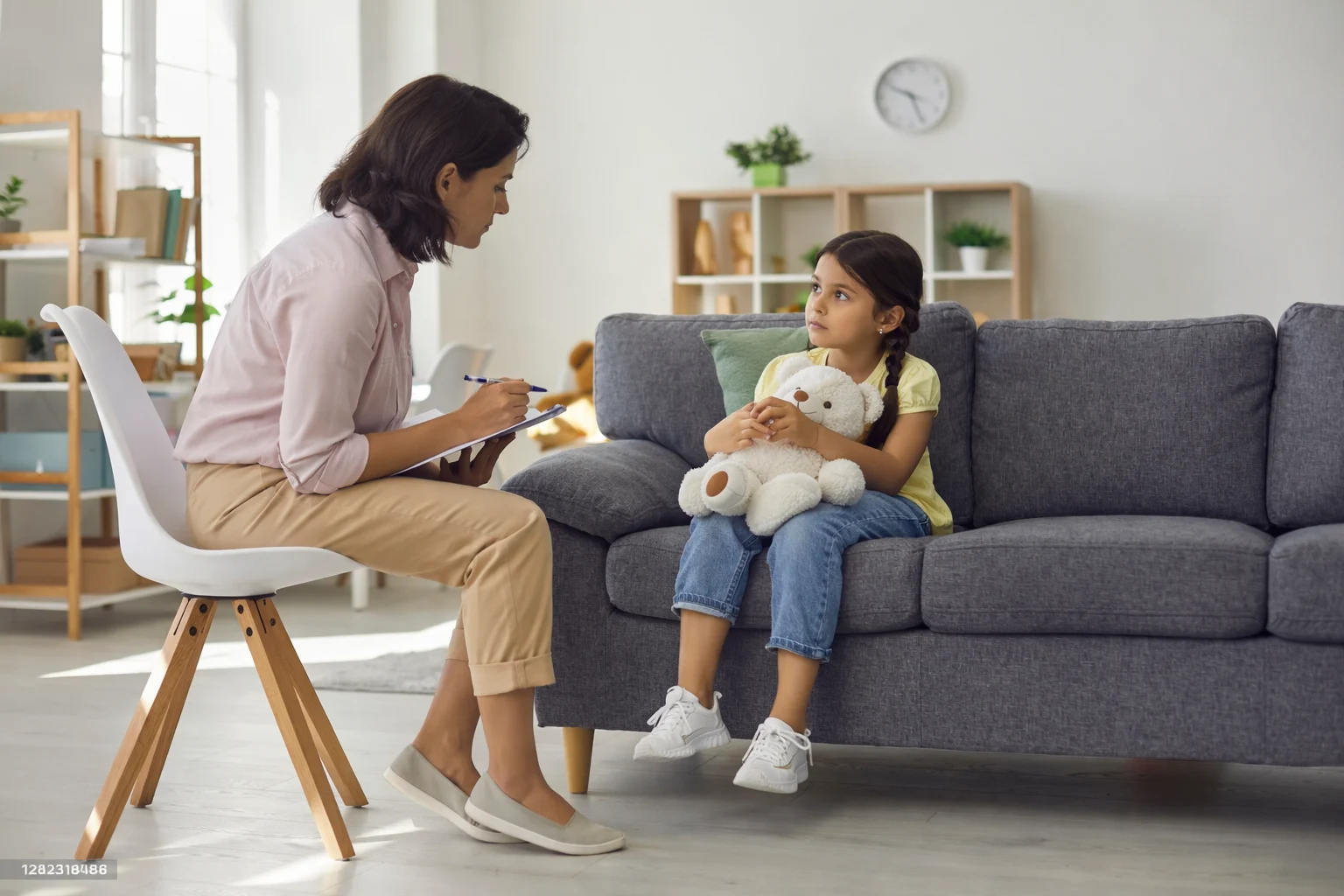
Child Psychology Services at BetterPlace in Gurgaon
At BetterPlace, we look beyond individual symptoms and try to understand the complete picture.
When you consult a child psychologist in Gurgaon, we consider your child’s emotions, behaviour, development, school life and family environment before recommending treatment.
Read MoreIndividual Therapy for Children and Adolescents
Therapy may involve conversations, activities or structured exercises depending on your child’s age and concerns.
Your psychologist can help with anxiety, low mood, confidence, anger, emotional regulation, behavioural concerns and social difficulties.
Behavioural Interventions
If your child struggles with tantrums, aggression, impulsivity or routines, behavioural interventions can help identify triggers and develop more helpful responses.
You may also learn strategies to use consistently at home.
Parent Guidance and Counselling
You may sometimes need support in understanding how to respond to your child’s behaviour.
Our psychologists can guide you on communication, boundaries, routines, emotional support and managing difficult behaviour at home.
School and Academic Support
Mental health and school performance often affect each other.
If your child has anxiety, ADHD, a learning difficulty or another concern, we can help you understand what support they may need at school.

How to Choose the Right Child Psychologist
When looking for a child psychologist in Gurgaon, consider both their qualifications and how comfortable your child feels with them.
Check Their Qualifications
Look at the psychologist’s education, training and professional credentials. Formal psychological assessments may require a qualified clinical psychologist.
Look for Experience with Children
Choose someone who regularly works with children and understands child development, family dynamics and school-related concerns.
Read MoreConsider Their Expertise
Try to find someone who has experience with your child’s specific concern, whether that is anxiety, ADHD, autism, learning difficulties or behavioural problems.
Pay Attention to Your Child’s Comfort
Your child may take time to open up, but they should gradually feel safe and comfortable with the psychologist.
Ask How Parents Will Be Involved
Ask how the psychologist will involve you, communicate progress and guide you on supporting your child at home.
Check Reviews and Recommendations
You can ask your paediatrician, school counsellor or other trusted professionals for recommendations. Online reviews can also help you understand other families’ experiences with a child psychologist in Gurgaon.

Treatment Approaches in Child Psychology
No single therapy works for every child. Your psychologist will decide which approach may suit your child based on their age, concerns, developmental stage, personality and goals.
Some commonly used approaches include:
Read MoreCognitive Behavioural Therapy
Cognitive Behavioural Therapy, commonly called CBT, helps children understand the connection between what they think, how they feel and how they behave.
For example, a child who feels anxious may learn to recognise thoughts that increase their fear, understand the physical sensations associated with anxiety and gradually practise more helpful ways of responding.
With children, psychologists usually adapt CBT using relatable examples, practical exercises and age-appropriate activities.
Behaviour Therapy
Behaviour therapy focuses on understanding patterns surrounding a particular behaviour.
If your child frequently has tantrums, refuses routines, becomes aggressive or struggles to follow instructions, the psychologist may explore what typically happens immediately before and after these behaviours.
Parents can then learn specific techniques to encourage healthier behaviour and respond to difficult behaviour more consistently.
Play-Based Interventions
Younger children often express thoughts and emotions more naturally through play, drawings, stories and activities than through direct conversation.
A psychologist may use these interactions to understand how your child experiences situations and help them explore difficult emotions in a way appropriate to their age.
Emotional Regulation and Social Skills
Some children struggle to identify what they feel, calm themselves when upset, cope with frustration or understand social cues.
Others may find it difficult to start conversations, make friends, deal with disagreements or communicate their needs.
Therapy can help your child practise recognising emotions, regulating strong feelings, solving problems and communicating more effectively.
Parent Management Training
For many behavioural concerns, helping parents change how they respond can form an important part of treatment.
You may learn strategies for creating predictable routines, setting appropriate limits, reinforcing positive behaviour and responding consistently when your child behaves in challenging ways.
The aim is not to make parenting rigid. It is to give you practical tools that make expectations clearer and interactions at home easier to manage.
Family-Based Support
Sometimes a child’s emotional difficulties interact with patterns within the wider family.
Where helpful, the psychologist may involve parents or other family members to improve communication, address conflict and create an environment that better supports the child.
Supporting Your Child’s Mental Health
Therapy forms only one part of supporting a child’s emotional wellbeing.
What happens at home, at school and during everyday interactions can also make an important difference.
Give Your Child Space to Talk
Try to hear your child out before moving immediately into problem-solving mode.
Sometimes children want their parents to understand what happened and how it made them feel before discussing what they should do next.
When children feel that adults listen without immediately criticising or dismissing their feelings, they may find it easier to speak up when something bothers them.
Create Predictable Routines
Consistent sleep, mealtimes, school routines, physical activity and family time can create a greater sense of stability.
Predictability can become especially helpful for children experiencing anxiety, behavioural difficulties or developmental concerns.
You do not need an inflexible schedule. The goal is simply to create enough structure that your child broadly knows what to expect.
Balance Connection with Boundaries
Children need warmth and reassurance, but they also need boundaries.
You can acknowledge an emotion without accepting every behaviour that follows from it.
For example, you can recognise that your child feels extremely angry while still setting the boundary that hitting, breaking things or shouting abusively is not acceptable.
Stay Connected with Your Child’s School
Teachers often see a different side of your child from the one you see at home.
They may notice changes in attention, academic performance, friendships, classroom participation or behaviour that can provide useful information.
If you have concerns, speaking with your child’s teachers or school counsellor may help create a clearer picture of what they are experiencing.
Collaboration between families, schools and mental health professionals can also make interventions more consistent.
Ask for Help Before You Reach a Crisis
You do not have to wait until your child’s difficulties become severe before consulting someone.
If something has been concerning you for some time, speaking to a psychologist in Gurgaon can help you understand whether your child needs therapy, psychological assessment, changes at home or simply some additional guidance.
Sometimes even an initial consultation can give parents greater clarity about what they are seeing.

Cost of Consulting a Child Psychologist in Delhi
The cost of consulting a child psychologist in Gurgaon can depend on factors such as the psychologist’s qualifications and experience, the length of the consultation and the type of service your child requires. Therapy sessions and comprehensive psychological assessments also involve different processes.
At BetterPlace, we first try to understand your child’s needs before recommending a particular service. This helps avoid putting your child through an assessment or treatment process without first determining whether they actually need it.
Read MoreYou can speak to our team for the current consultation fees and assessment costs before you book your appointment.
| Appointment Type | Details | Cost (Starts at) |
| First Session (90 mins) | With an in-house clinical psychologist + psychiatrist at BetterPlace Clinic | ₹2,000 |
| Psychiatric Consultation | In-person or online consultation with a psychiatrist | ₹1,500 |
| Psychological Consultation/Session | 50-minute in-person or online therapy sessions | ₹2,500 |
| Follow-up Consultation with a Psychiatrist | A 20-minute session to discuss your progress | ₹1,500 |
| Medication (if prescribed) | As per the condition and treatment plan | Extra (varies) |
We may also administer psychometric tests to gain a deeper understanding of your condition (separate charges applicable).
*Prices are subject to change
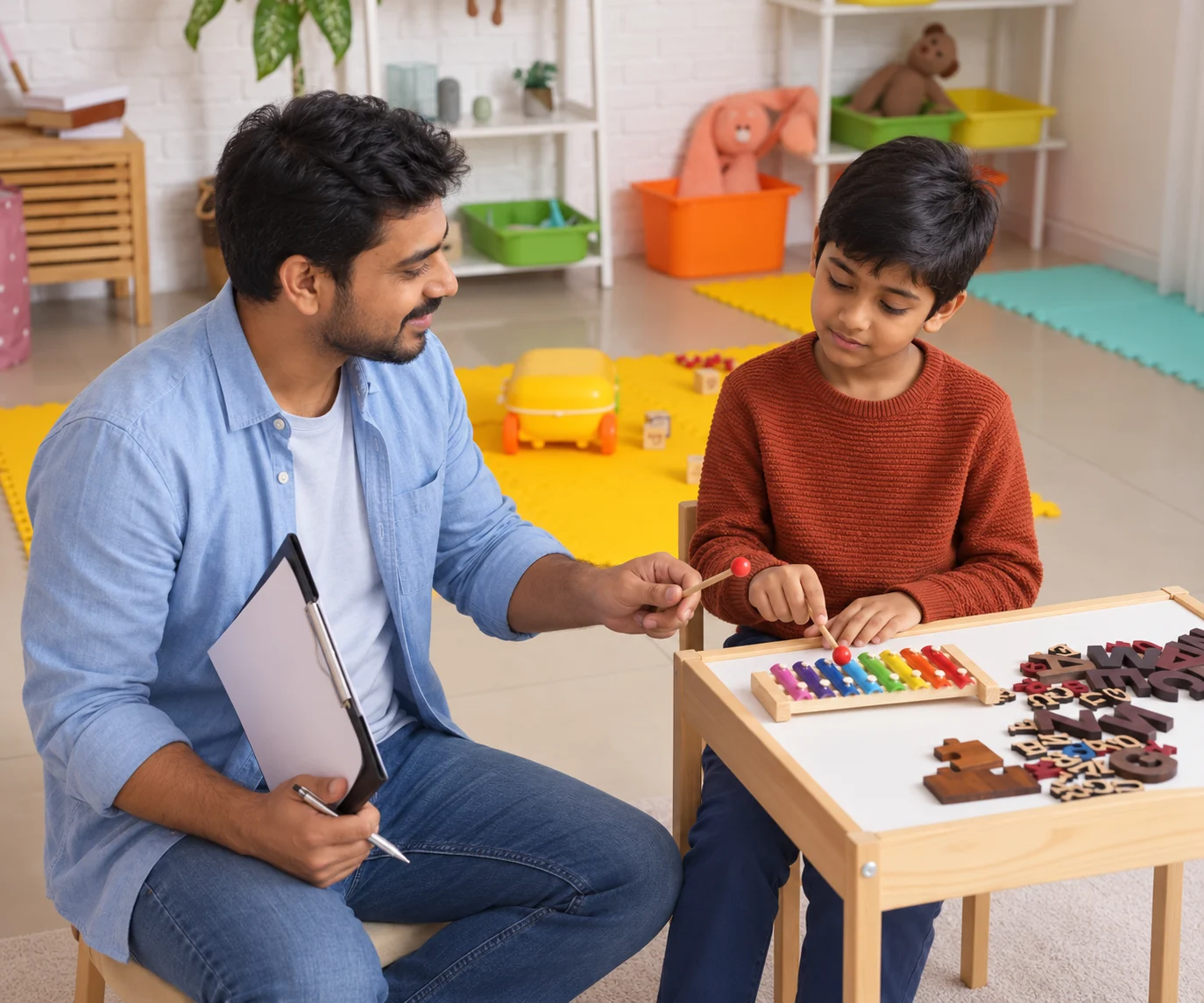
How to Book an Appointment with a Child Psychologist in Delhi
If you are looking for a psychologist in Gurgaon for your child, you can book an appointment with BetterPlace through our website.
Click the “Book an appointment” or “Start your journey” button on our website and submit your details. A member of our team will contact you to understand your requirements and help you with the next steps.
Alternatively, you can call us on +91 97739 96888 and book an appointment directly with our front desk.
Read MoreYou do not need to know in advance whether your child needs a psychologist, clinical psychologist, psychiatrist, therapy or an assessment. Tell us what has been concerning you, and we can help you determine where to begin.
FAQs About Child Psychologists in Gurgaon
You do not need to figure this out before seeking help. Child psychologists and psychiatrists both support children with mental health concerns, but they have different roles in assessment and treatment.
A psychologist generally provides therapy, behavioural interventions and psychological assessments. A psychiatrist is a medical doctor who can assess mental health conditions and prescribe medication if your child needs it.
At BetterPlace, our team can help you decide where to begin. If you are unsure whether your child should see a psychiatrist or a child psychologist in Gurgaon, tell us what you have been noticing and we can guide you towards the appropriate professional.
The length of therapy varies from child to child, so there is no standard number of sessions that applies to everyone.
Some children may need support for a relatively short period, while others may require therapy over several months. Your child’s age, concerns, treatment goals, progress and ability to practise new skills outside sessions can all influence how long treatment continues.
Your child psychologist in Gurgaon will review progress regularly and discuss with you when it may be appropriate to continue therapy, space out sessions or conclude treatment.
Your involvement will usually depend on your child’s age, concerns and treatment plan.
Psychologists may involve parents more closely when working with younger children. Older children and teenagers may benefit from spending some or most of the session independently with the psychologist so that they can speak more freely.
Your psychologist in Gurgaon may also arrange separate discussions with you to understand what you have observed at home and share relevant guidance without making your child feel that the psychologist reports everything they say back to you.
The first appointment usually helps the psychologist understand what has been concerning you and get a broader picture of your child’s life.
They may ask about your child’s development, behaviour, routines, school experience, friendships, family environment, medical history and any recent changes you have noticed.
Depending on your child’s age and the nature of the concern, the psychologist may also speak with your child, observe how they interact or use age-appropriate activities to understand them better.
You do not need to give your child a complicated explanation before the appointment. You can simply tell them that they are meeting someone who helps children when certain feelings, situations or behaviours become difficult to manage.
Yes. There may be things you want to discuss without your child in the room, and a separate conversation can sometimes give the psychologist useful background information.
A child psychologist in Gurgaon may recommend an individual parent session at the beginning of treatment or at another stage if they need to understand your child’s development, behaviour, family situation or other concerns in greater detail.
The psychologist will decide how to involve you based on your child’s age, circumstances and treatment needs.
We take both your privacy and your child’s privacy seriously.
The psychologist may discuss relevant observations or recommendations with you when doing so supports your child’s treatment. However, children and teenagers also need enough privacy to feel comfortable speaking openly during therapy.
There are some limits to confidentiality. For example, the psychologist may need to involve a parent or take appropriate steps if they believe your child or another person faces a serious risk of harm.
When working with teenagers in particular, your child psychologist in Gurgaon should explain these boundaries clearly to both you and your child at the beginning of treatment.
This happens quite often, especially during the first appointment or the first few sessions.
Your child may feel nervous, shy, uncomfortable or confused about why they have come to therapy. A psychologist will not expect them to discuss personal feelings immediately.
Instead, the psychologist may initially focus on making your child feel comfortable and building trust. Depending on your child’s age, this may involve informal conversation, games, drawing, activities or other age-appropriate ways of interacting.
A good child psychologist in Gurgaon will usually allow the relationship to develop gradually rather than pressuring your child to speak before they feel ready.
Latest articles

July 22, 2026
Anuroop Pokhriyal

June 26, 2026
Anuroop Pokhriyal
June 24, 2026
Anuroop Pokhriyal
