Guided by DSM-5 criteria, our team includes some of the best doctors for ADHD treatment, ensuring that your diagnosis is accurate and your plan is personalised. For in-person support through regular follow-ups, a psychiatrist in South Delhi may also be relevant if that location is more convenient for you.
It is important to understand that while people often search for an ADHD cure, ADHD is a long-term condition. However, with the right support, you can manage symptoms effectively and live a balanced, productive life.
Treatment Options for ADHD
Behavioural Therapy
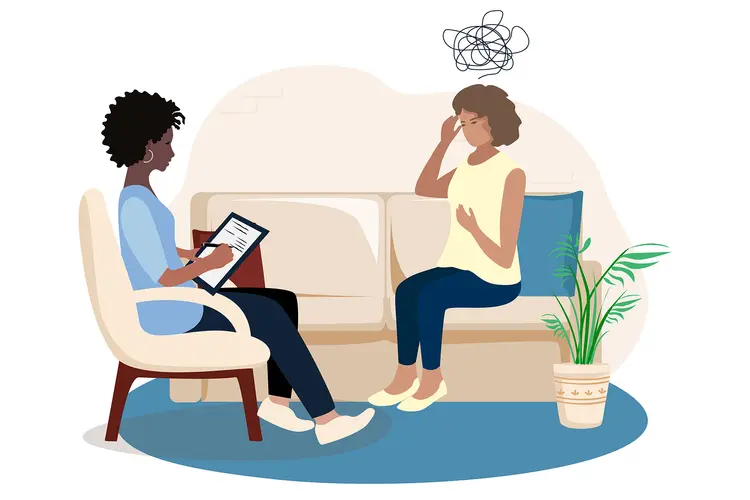
Behavioural therapy helps you develop organisational skills, improve time management, and modify disruptive behaviours, empowering you to navigate daily tasks more effectively. These ADHD therapies help you develop organisational skills, improve time management, and modify disruptive behaviours. If you prefer therapy-led support, a psychologist in South Delhi can help you build routines and practical strategies that fit your daily life.
Medication
ADHD medications, including stimulants such as methylphenidate and non-stimulants, work to enhance focus, regulate emotions, and reduce impulsivity by targeting neurotransmitter activity in the brain. Medication review and medical management are usually handled through psychiatry.
Parent and Teacher Training
Training equips caregivers and educators with practical strategies, such as creating structured routines and using positive reinforcement, to support children and adults with ADHD in various settings. If the concerns are more visible in childho
Holistic Interventions
Mindfulness, regular exercise, and dietary adjustments can complement traditional treatments, helping to reduce stress and enhance overall well-being for people with ADHD.