
My brother has had depression for over 4 years without any results. At BetterPlace I found out about brain stimulation which can help if other treatments don’t work and that has been like a miracle. Obviously i was scared initially because there was a machine but it literally was so gentle and relaxing. Dr Akul has made my brother feel like himself again and he’s finally active and lively nowadays.

Clinically Proven Care, Trusted by Thousands
50K
+
Lives transformed
97%
Report early reduction in symptoms
40
+
Years of trusted, effective care

Brain Stimulation Treatments
Our Doctors for Compassionate Electroconvulsive Therapy

Dr. Sunil Mittal
Senior Consultant Psychiatrist


Online, in-person
Hindi, English
40+ Years Experience

Dr. Shambhavi Jaiman
Consultant Psychiatrist
Online, In-person
English, Hindi
7+ Years Experience

Dr. Siddharth Sethi
Consultant Psychiatrist
Online, In-person
English, Hindi, Marathi
7+ Years Experience

Dr. Akul Gupta
Consultant Psychiatrist
Online, in-person
Hindi, English
5+ Years Experience
What Makes Our Electroconvulsive Therapy Unique?

Personalised ECT Protocols
We customise every ECT treatment plan based on your medical history, condition severity, and past response to treatment—ensuring you receive the right number of sessions at the right intensity for the best possible outcome.

Regular Monitoring and Adjustments
We monitor your progress closely after each session and make immediate adjustments to optimise your recovery—whether it’s the number of sessions, timing, or medication support.

Seamless Integration with Other Treatments
Your ECT care is always integrated with your broader treatment plan, including therapy, medication, and follow-up support—giving you comprehensive, all-around care.

Focused on Long-Term Recovery
We don’t stop at symptom relief. Our ECT programme includes post-treatment therapy and relapse prevention planning—so you stay well after the sessions are over.
Visiting BetterPlace For Electroconvulsive Therapy? Here’s What to Expect
When visiting BetterPlace, you can expect a welcoming environment where there is 0% judgement.

Detailed initial session (90 min)
Meet with both a psychologist and a psychiatrist
Comprehensive testing
Get an accurate understanding of your mental health
Treatment phase (3-8 Weeks)
Get a personalised treatment plan
Long-term support
Get ongoing care with regular follow-ups
Transformation Stories at BetterPlace

I started smoking at 16—each cigarette felt like a warm hug, sharpening my focus. When I learned I was at risk of cancer, I tried everything to quit, but nothing worked. Then I found BetterPlace’s smoking cessation programme, which included brain stimulation therapy. It significantly reduced my cravings. I’ve gone from three packs a day to just one. There’s still a long way to go, but progress is progress!
I’d tried almost every clinic in Delhi but no one seemed able to cure my depression. Then Better Place happened and my life truly changed for the better. And it all started when Dr Akul recommended I try brain stimulation, this really fancy technology that not many clinics have but Better Place worked wonders for me and i feel so much better. The doctors were very gentle also.
Get Expert Support from Our Psychiatrists Today!
Visit us or book an online consultation

BetterPlace, East of Kailash
At National Heart InstituteFirst Floor, Annexe Building D Block, East of Kailash, New Delhi

BetterPlace, Gurgaon
5th Floor, Plot No 33,
I’ve seen how much the field has evolved, but the core remains the same: you deserve a team that makes you feel heard and gives you the best.
Dr Sunil Mittal
Chief of Clinical Governance, BetterPlace
MD, Psychiatry | 40+ Years of experience
Comprehensive Psychiatric Services for a Wide Range of Mental Health Conditions














Electroconvulsive Therapy at Better Place Health

What Is ECT?
Electroconvulsive Therapy (ECT) is a neuromodulatory treatment or a brain stimulation technique that is primarily used to address severe mental health conditions that have not responded well to other treatments.
Read MoreWhile ECT was surrounded by stigma in the past, modern advancements have made it a safe and effective option for individuals struggling with debilitating psychiatric disorders. The procedure involves the controlled administration of electrical currents to the brain to induce a brief, controlled seizure. This process helps reset brain chemistry and improve symptoms of severe mental illness. care. If you are exploring advanced treatment options, you can also begin with brain stimulation in Delhi for specialist-led neuromodulation
How ECT Works
Mechanism of Action
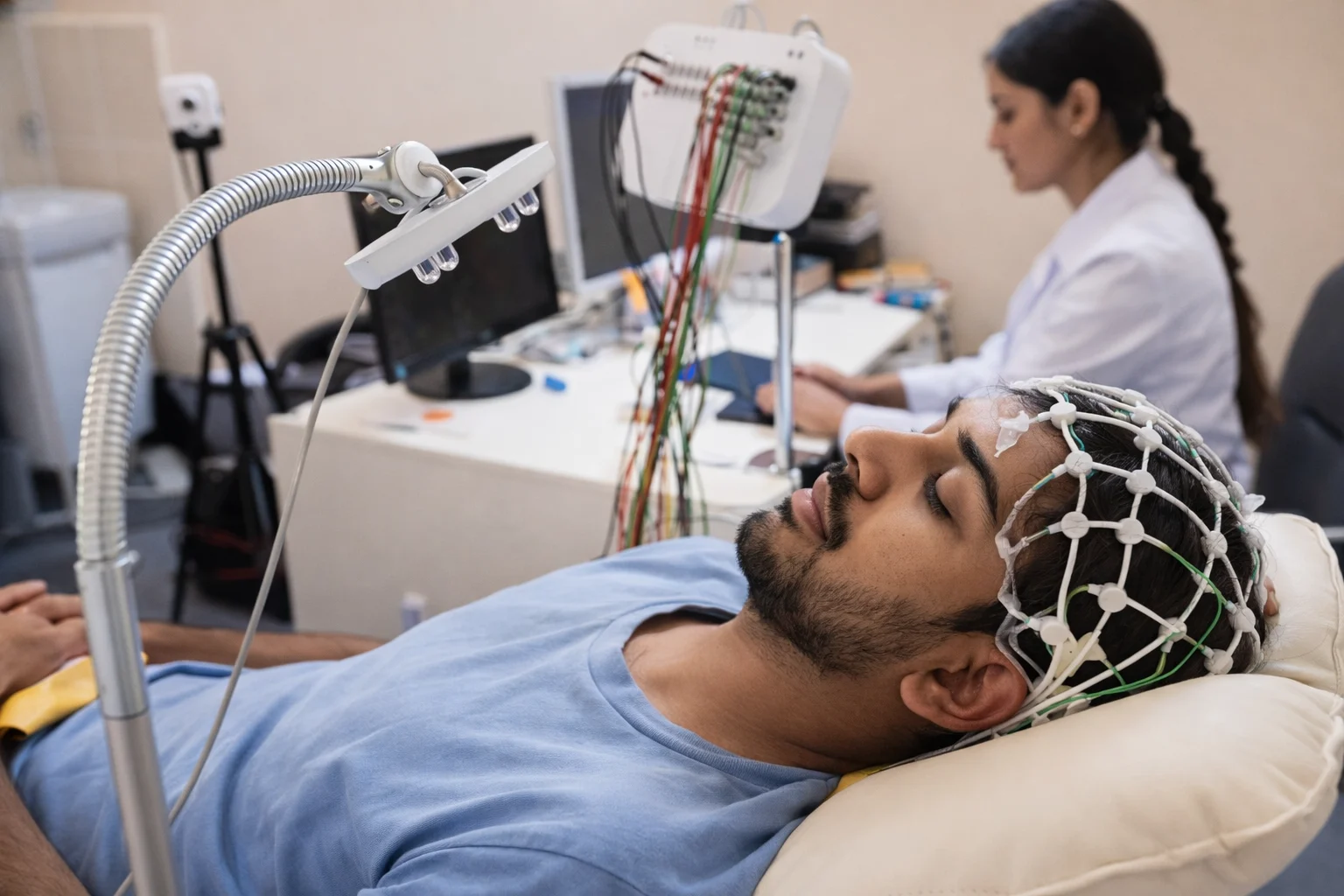
At its core, Electroconvulsive Therapy works by modulating the brain’s neurotransmitters and neural pathways. The electrical stimulation induces a controlled seizure, which triggers changes in the brain’s chemistry and alleviates symptoms of Depression, Bipolar Disorder, Schizophrenia, and other mental health conditions.
Read MoreECT is thought to enhance neuroplasticity, promote the release of beneficial neurotransmitters, and reduce overactivity in certain brain regions associated with mental illnesses.
What Happens During ECT?
Before undergoing ECT, you receive a comprehensive pre-treatment evaluation to ensure you’re a suitable candidate. This includes medical assessments, psychiatric evaluations, and discussions about potential risks and benefits.
- Pre-Treatment Preparation – You may need to fast for several hours before the procedure. A team of medical professionals, including psychiatrists and anaesthesiologists, prepare you for the treatment.
- Administration of Anaesthesia and Muscle Relaxants – To ensure comfort and minimise physical movement, a short-acting general anaesthetic and muscle relaxant are administered.
- Electrode Placement and Electrical Stimulation – Small electrodes are placed on the scalp, and a brief electrical pulse is delivered to induce a controlled seizure.
- Monitoring and Post-Treatment Care – Your vital signs are monitored throughout the procedure, and after a short recovery period, you can return home or to your hospital room for recovery. When this level of medical supervision is required, treatment is usually managed through psychiatry and close clinical monitoring.

Uses of ECT
Major Depressive Disorder : Electroconvulsive Therapy is often used for people who suffer from severe Depression and do not respond to medications or psychotherapy. It is especially beneficial for people experiencing suicidal ideation, Psychotic Depression, or extreme functional impairment.
Read MoreBipolar Disorder : For people with Bipolar Disorder, ECT can help during both manic and depressive episodes when medications alone are ineffective. It is particularly useful when rapid symptom relief is needed.
Schizophrenia : ECT can be an effective treatment for Schizophrenia, especially in cases of severe psychosis or Catatonia that do not respond to antipsychotic medications.
Catatonia :If you are seeking in-person specialist support for these conditions, you can also consult psychiatrists in Delhi for diagnosis, medication management, and advanced treatment planning.

Efficacy and Side Effects
Outcomes of ECT
Success Rates : Electroconvulsive Therapy has a high success rate, particularly for Treatment-Resistant Depression (TRD). Studies show that ECT is significantly more effective than placebo and pharmacotherapy for severe Depression. The average success/remission rate for ECT is between 63-90% (higher with bilateral ECT).
Read MoreDuration of Benefits : While ECT can provide rapid relief, the longevity of its effects varies. Some people require maintenance ECT sessions to sustain improvement, while others achieve long-term remission with continued medication and therapy.
Risks And Side Effects of ECT
Cognitive Effects : One of the most commonly discussed side effects of ECT is temporary memory loss or confusion. Most people recover their memory function within weeks or months, though some may experience longer-lasting effects.
Physical Side Effects : Common physical side effects include headaches, muscle soreness, and nausea, which typically resolve within a few hours post-treatment.
Serious Risks : Severe complications are rare, but as with any medical procedure, there is a small risk of heart-related issues or other medical complications, especially in individuals with pre-existing conditions.
Modern Advances in ECT
Improved Safety Measures : Advancements in Electroconvulsive Therapy have now led to the use of anaesthesia and muscle relaxants before the procedure. This means you are unconscious during the treatment and don’t experience any physical discomfort or distress. The muscle relaxants help to prevent any convulsions in the body, making the process smooth and controlled.
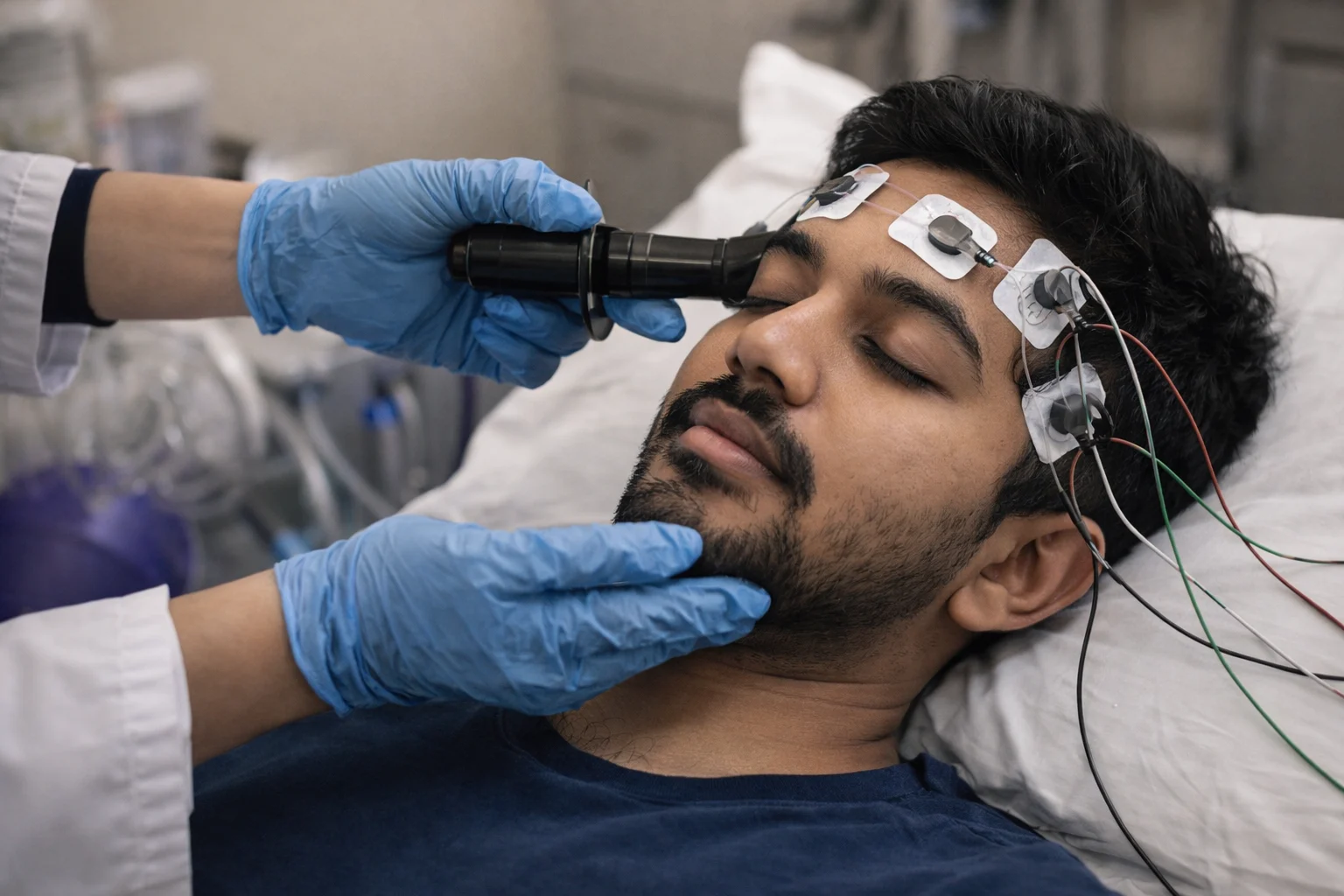
Read MoreTechnological Innovations : Modern ECT is performed with the help of advanced monitoring equipment that tracks your heart rate, oxygen levels, brain activity, and more during the session. This ensures your safety and allows the medical team to tailor the procedure to your specific health profile.
Bilateral vs. Unilateral Stimulation : You now have options when it comes to electrode placement. In unilateral ECT, stimulation is applied to one side of the brain, typically the non-dominant hemisphere. This is done to reduce the risk of cognitive side effects. Bilateral ECT is often more potent but may carry a slightly higher chance of memory issues. The choice depends on your condition and how quickly a response is needed.
Ultra-Brief Pulse Technology : One of the biggest breakthroughs is the use of ultra-brief pulse stimulation. This technique uses shorter electrical pulses, which significantly reduces cognitive side effects—especially memory loss—without compromising the effectiveness of the treatment.
Patient Experience and Considerations
Preparing for ECT : Preparation involves detailed medical and psychiatric evaluations, fasting before treatment, and discussions with your healthcare team to ensure you understand the process.
What to Expect During Treatment : Electroconvulsive Therapy is performed in a controlled medical setting, and you are under anaesthesia throughout the procedure. The treatment itself lasts only a few minutes, with a brief recovery period afterwards.
Post-Treatment Care :After ECT, you may experience temporary confusion or fatigue. It’s important to have a loved one to support you and follow any post-treatment guidelines provided by your doctor. If you want integrated follow-up care in person, you can also begin at a mental health clinic in Delhi or explore the best psychiatrists in South Delhi for local specialist support.
FAQs about Electroconvulsive Therapy
No, since ECT is performed under general anaesthesia, you do not feel any pain during the procedure.
A typical ECT course consists of multiple sessions, often administered two to three times per week for several weeks.
Yes, ECT is considered relatively safe during pregnancy, particularly when compared to certain psychiatric medications.
ECT does not alter your personality; it helps alleviate severe psychiatric symptoms.
Yes, treatments such as tDCS treatment and rTMS treatment are emerging as promising and less invasive alternatives.
Latest articles
July 22, 2026
Anuroop Pokhriyal

June 26, 2026
Anuroop Pokhriyal
June 24, 2026
Anuroop Pokhriyal
