
“I lived like a raja in my 20s (parties drinks etc etc) but I never never never expected it to effect me so much in my 30s. By 34 I was barely getting 3 hrs of sleep each day even tho I desprately wanted to sleep more. Last year it got so bad I went 3 days without sleep. Thats when my friend said come to better place. Dr Akul is my angel. She has got me a second life.”

Clinically Proven Care, Trusted by Thousands
50K
+
Lives transformed
97%
Report early reduction in symptoms
40
+
Years of trusted, effective care

Brain Stimulation Treatments
Our Specialists for Comprehensive Sleep Disorder Care

Dr. Sunil Mittal
Senior Consultant Psychiatrist


Online, in-person
Hindi, English
40+ Years Experience

Dr. Shambhavi Jaiman
Consultant Psychiatrist
Online, In-person
English, Hindi
7+ Years Experience

Dr. Siddharth Sethi
Consultant Psychiatrist
Online, In-person
English, Hindi, Marathi
7+ Years Experience

Dr. Akul Gupta
Consultant Psychiatrist
Online, in-person
Hindi, English
5+ Years Experience
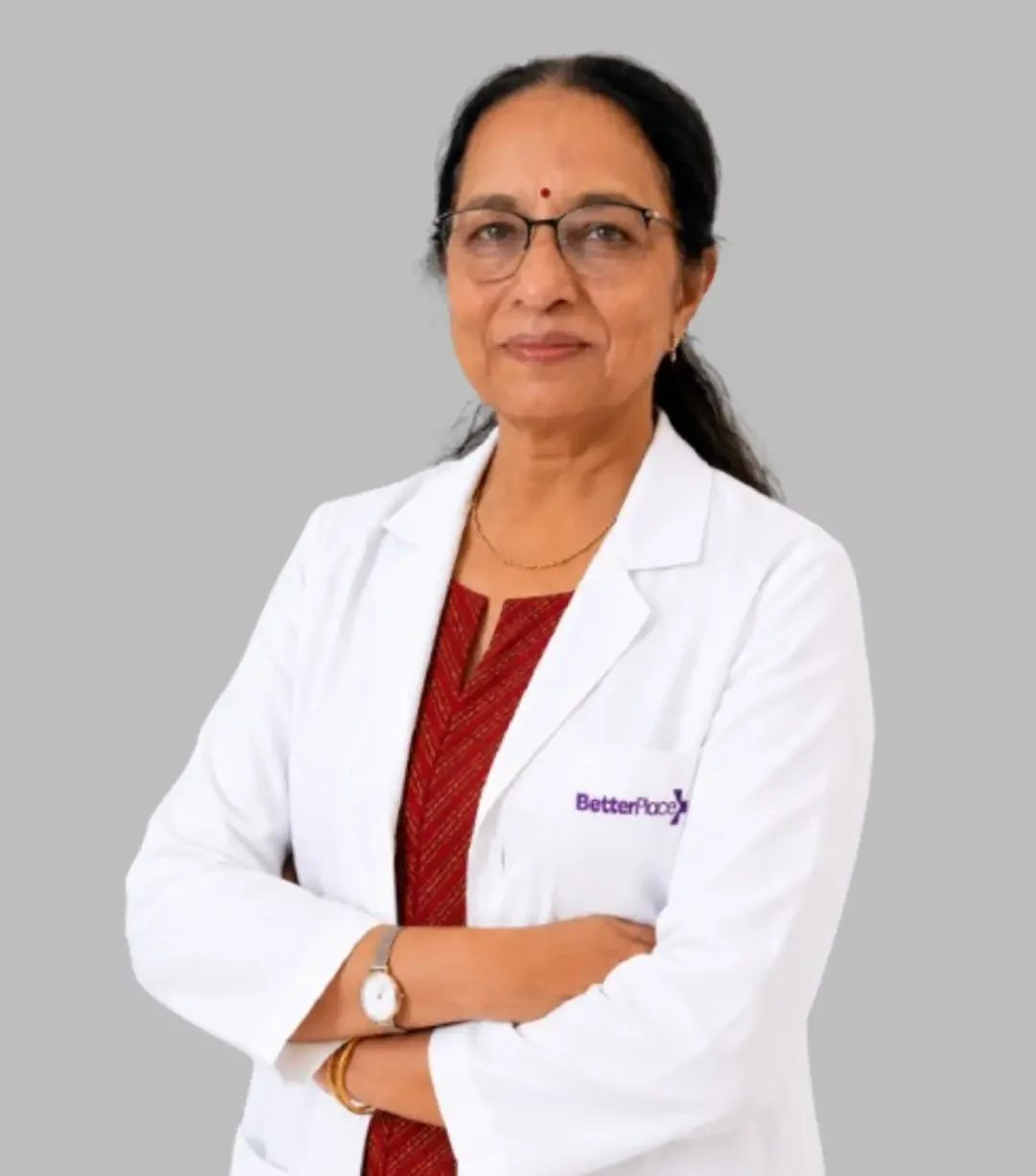
Dr. Pranita Gaur
Clinical Psychologist
Online, In-person
Hindi, English
44+ Years Experience

Ms. Anantika Tehlani
Clinical Psychologist
Online, In-person
Hindi, English
7+ Years Experience

Ms. Ayushi Paul
Clinical Psychologist
Online, In-person
Hindi, English, Bengali
5+ Years Experience

Ms. Sulagna Mondal
Clinical Psychologist
Online, In-person
Hindi, English, Bengali
3+ Years Experience

Ms. Shreya Maheshwary
Counselling Psychologist
Online, In-person
Hindi, English
2+ Years Experience

Ms. Shreeyam Mishra
Clinical Psychologist
Online, In-person
Hindi, English
2+ Years Experience

Ms. Mitali Srivastava
Senior Clinical Psychologist
Online, in-person
Hindi, English
15+ Years Experience
What Makes Our Sleep Disorder Care Unique?

Personalised Sleep Therapy Plans
Your sleep challenges are unique, and so is our approach. We design personalised treatment plans that address the root causes of your sleep disorder, whether it's insomnia, sleep apnea, or restless leg syndrome.

Lifestyle and Circadian Rhythm Optimisation
We guide you through lifestyle changes that support natural sleep, including light exposure therapy, lifestyle changes, and structured sleep-wake routines to reset your circadian rhythm.

Integration with Other Treatments
If your sleep disorder is related to conditions like depression, anxiety, or chronic pain, we integrate your sleep therapy with other treatments to ensure full-spectrum mental health care.

Long-Term Sleep Health Support
Our care doesn’t stop once you start sleeping better. We provide ongoing support, education, and follow-ups to help you maintain healthy sleep habits for life.
Visiting BetterPlace for Sleep Disorder Treatment? Here’s What to Expect
When visiting BetterPlace, you can expect a welcoming environment where there is 0% judgment.

Detailed initial session (90 min)
Meet with both a psychologist and a psychiatrist
Comprehensive testing
Get an accurate understanding of your mental health
Treatment phase (3-8 weeks)
Get a personalised treatment plan
Long-term support
Get ongoing care with regular follow-ups
Transformation Stories at BetterPlace!

“I used to think not sleeping well was just part of life. I had gotten so used to 4-5 hours of sleep that I didn’t even think it was causing me any harm internally. But after coming to Better Place I realised just how bad the quality of my sleep was, and that I was actually suffering from a sleep disorder. Dr Akul has changed the way I look at sleep and after going through lots of therapy I am now able to get a good 6-7 hours of sleep each day, sometimes even 8. I had no idea how much better life could be with good sleep!”
“I used to lie awake at night replaying every little mistake I made during the day. Somehow I felt trapped, endlessly thinking about the could’ve and should’ve. Therapy helped me change that inner dialogue and let go of the impossible standards I set for myself. Now, I rest easier—mentally and physically.”
Get Expert Sleep Disorder Treatment Today!
Visit us or book an online consultation

BetterPlace, East of Kailash
At National Heart InstituteFirst Floor, Annexe Building D Block, East of Kailash, New Delhi

BetterPlace, Gurgaon
5th Floor, Plot No 33,Compassionate Sleep Disorder Care from Trusted Experts














Overview of Sleep Disorders
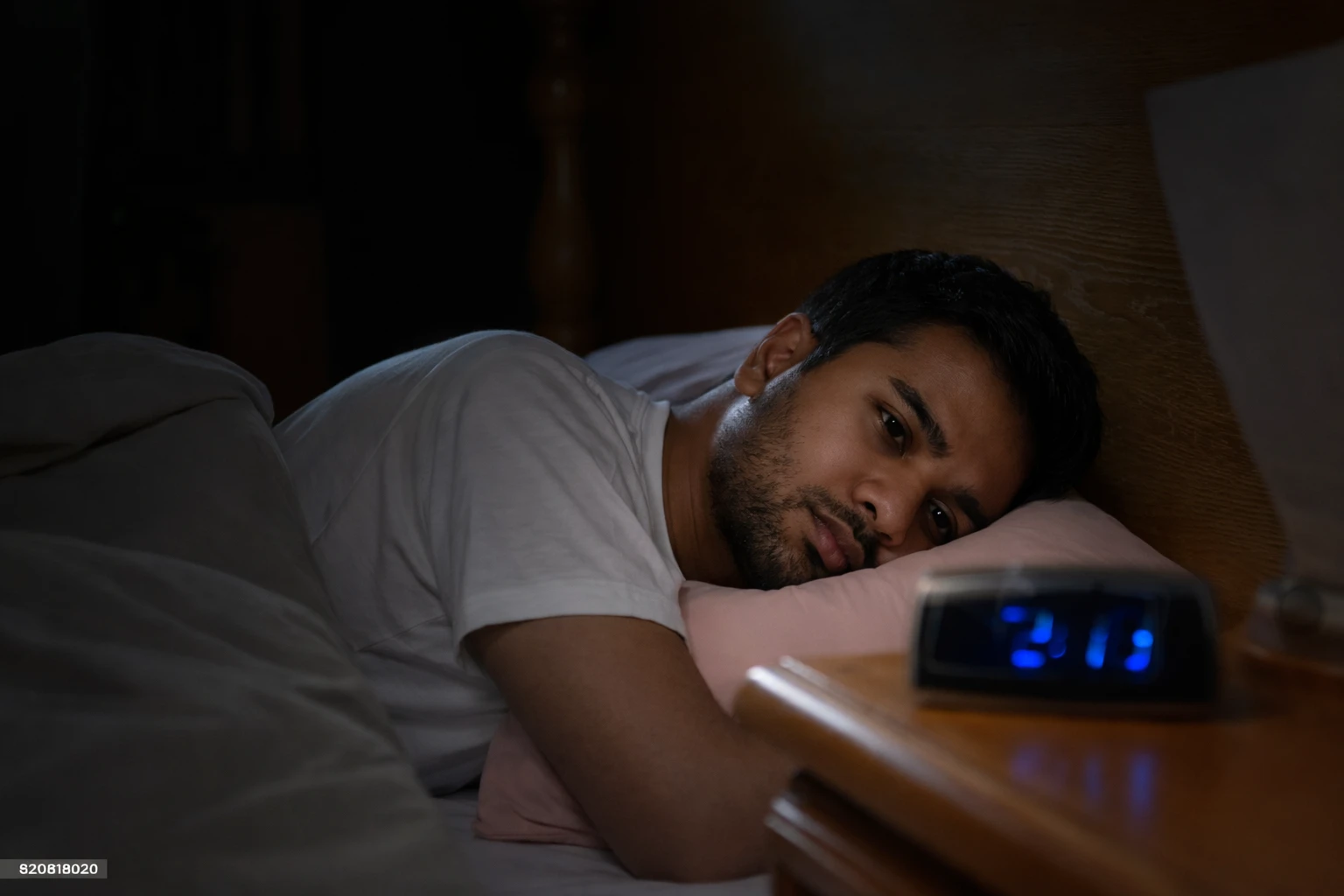
What Are Sleep Disorders?
A Sleep Disorder is a condition that disrupts sleeping patterns and affects how much sleep you’re getting and for how long or frequently you’re sleeping. Sleep Disorders can affect cognition, memory, behaviour, and physical health.
Read MoreYou might find it harder to get a restful sleep, feel more moody or irritable than normal, and experience anxiety or even depression. Long periods of sleeplessness can cause delusion and hallucinations as well. If these symptoms have started affecting your daily life, speaking with a psychiatrist in Delhi can help you understand what may be disrupting your sleep. In many cases, the right sleep disorder treatment can help you understand both the cause and the best next step.
Symptoms of Sleep Disorders
- Difficulty falling asleep or taking more than 30 minutes to sleep
- Early sleep disruption, waking up in the middle of the night, not being able to fall asleep again
- Excessive daytime sleepiness or fatigue
- Feeling tired after sleeping
- Snoring, choking, mumbling, snorting or gasping during sleep
- Irritability or mood changes
- Poor concentration
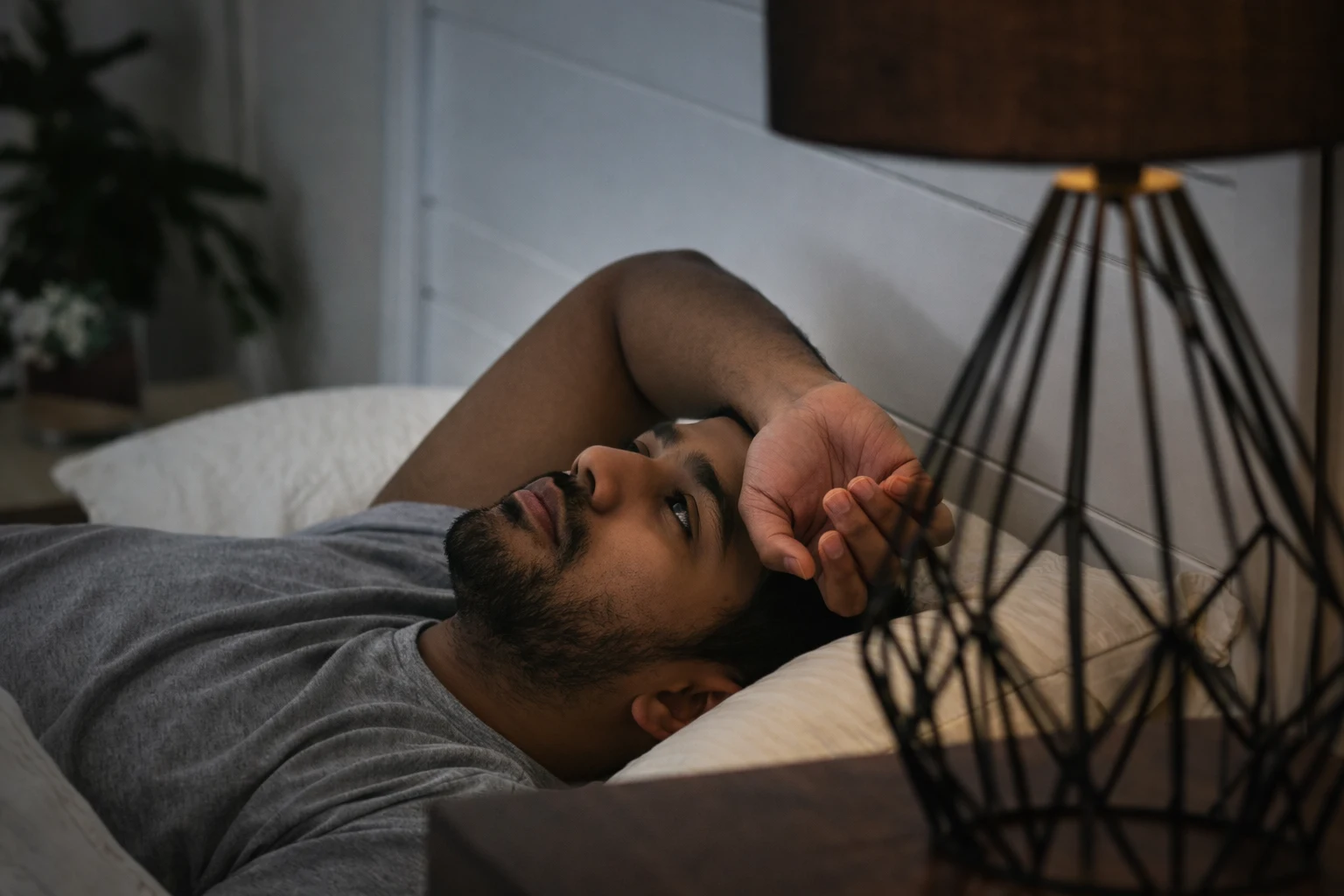
Types of Sleep Disorders
Insomnia: Insomnia is characterised by difficulty in falling or staying asleep. You also experience daytime sleepiness and may have trouble functioning while awake. It is often caused by stress, anxiety, or improper sleep schedules. If this is your primary concern, insomnia treatment may be the most relevant next step.
Read MoreSleep Apnea : Sleep Apnea typically involves difficulty breathing during sleep sessions. You often snore loudly and may wake up choking up. There are two types of Sleep Apnea: Obstructive sleep apnea, where the muscles in the back of the throat relax, blocking the air passage and causing breathing difficulties. The second is Central sleep apnea, where the brain stops sending signals to the muscles that control breathing.
Narcolepsy : Narcolepsy is characterised by extreme tiredness even after sleeping for long durations at a time, and an irrepressible urge to sleep that is often called “sleep attacks”.These sleep attacks are caused by disruptions in the brain’s ability to regulate the sleep-wake cycle.
Restless Leg Syndrome (RLS) : You experience uncomfortable sensations such as tingling or crawling, causing an irresistible urge to shake your legs. The exact causes of RLS are unknown but it is linked with pregnancy, Parkinson’s disease, and iron deficiency.
Parasomnias : Parasomnias is a group of Sleeping Disorders that involve abnormal behaviours or movements, before or after falling asleep, or during sleep. These behaviours can pose a risk to you and people around you.
E.g.: Sleepwalking, sleep terrors, nightmares, sleep talking, etc.
Circadian Rhythm Disorders : Circadian Rhythm Disorders are those Sleep Disorders that disrupt your body’s natural 24-hour clock. In this case, you have trouble falling asleep or staying awake at normal times, or normal sleep cycles.
E.g.: Jet lag, Shift Work Disorder, Delayed Sleep-Wake Phase Disorder, etc. If you are unsure which sleep issue you are dealing with, a psychologist in South Delhi or a sleep disorder specialist can help you understand how your symptoms fit into a broader pattern.

Causes of Sleep Disorders
Physical Disturbances : Physical conditions, especially chronic ones like arthritis can cause discomfort in certain sleeping positions and act as a cause of poor sleep.
Read MoreStress and Anxiety : Stress and Anxiety can impact sleep quality and make falling asleep more difficult. Nightmares, poor sleep schedule, poor quality of sleep, and difficulty sleeping or maintaining sleep are some indicators of stress or anxiety that can later manifest as Sleep Disorders.
Environmental Issues : Loud noises outside your house, bright lights inside your home, snoring partner, etc. can disrupt sleep. Regular disruptions in your sleep can become a cause of Sleep Disorders. If stress or emotional factors are contributing to these patterns, a psychologist in Delhi can help you work on the behavioural and emotional side of treatment. This kind of support often works best alongside a clear sleep disorder test and a personalised treatment plan.

Diagnosis and Treatment
Identifying Sleep Disorders is the first step towards better rest and improved health. Diagnosis often includes a detailed discussion of your sleep habits, daily routines, and any symptoms disrupting your rest. Tools like sleep diaries, wearable trackers, or in-clinic sleep studies such as sleep study test help pinpoint issues like Sleep Apnea, Insomnia, or Restless Leg Syndrome. Understanding the root cause of your sleep challenges allows tailored treatment plans that address your specific needs, helping you get back to restorative, quality sleep.
Read More
If you are not sure what is disrupting your sleep, a sleep disorder test can help clarify whether you are dealing with insomnia, sleep apnea, circadian rhythm disruption, or another condition. In many cases, early evaluation by a sleep disorder doctor can save you months of trial and error.
Treatment Options for Sleep Disorders
Cognitive-Behavioural Therapy for Insomnia (CBT-I): Cognitive- Behavioural Therapy for Insomnia (CBT-I) is a highly effective approach for tackling Insomnia by addressing the negative thoughts and habits that keep you from sleeping well. You learn strategies to reduce sleep anxiety, adjust unhelpful sleep patterns, and establish healthier habits that promote restful nights. For many people, this becomes an essential part of treatment for sleep disorder symptoms linked to stress, anxiety, and poor sleep habits.
Medication: Depending on your Sleep Disorder, your care plan might include sleep aids, antidepressants, or melatonin supplements. These can help you fall asleep faster, stay asleep longer, or regulate your sleep-wake cycle. Medications are often used alongside other treatments for maximum benefit. When diagnosis and medication management are important parts of treatment, this is typically handled through psychiatry. A sleep disorder doctor can help decide whether medication makes sense in your case and how it should fit into a wider sleep disorder treatment plan.
Lifestyle Modifications: Simple changes to your daily routine can significantly improve your sleep quality. Focus on maintaining a consistent bedtime, limiting caffeine and screen time before bed, and incorporating regular physical activity. Combining these habits with better sleep hygiene can lead to more restful nights. In milder cases, these changes may form a big part of your treatment for sleep disorder concerns.
Continuous Positive Airway Pressure (CPAP): Continuous Positive Airway Pressure (CPAP) therapy might be recommended if you’re struggling with Sleep Apnea. This treatment uses a device to deliver steady air pressure, keeping your airways open while you sleep. By addressing interrupted breathing, CPAP can reduce snoring, improve oxygen levels, and help you wake up more refreshed. If you need diagnosis-led sleep care in person, a mental health clinic in Delhi can help connect you with the right specialists and investigations. For breathing-related symptoms, a sleep disorder specialist may also recommend a targeted sleep disorder test before starting treatment.

The Cost of Sleep Disorder Treatments at BetterPlace
At BetterPlace, we’re committed to providing affordable, high-quality care to help you overcome sleep challenges. Our services are designed to fit your needs and budget, with appointment fees starting at just INR 2,000. Your journey begins with a comprehensive 90-minute intake session with our expert psychiatrists and psychologists.
Read MoreDuring this session, we’ll take the time to understand your sleep patterns, chief complaints, and your overall well-being. This in-depth assessment allows us to create a treatment plan tailored specifically to you. Whether your care involves therapy sessions, medications, or specialised diagnostic tools like polysomnography, our focus is on delivering personalised, effective solutions that support you on your mental health journey. If you want local diagnostic support, you can also explore a sleep study test in Delhi or consult a psychiatrist in South Delhi for regular follow-up and treatment planning.
If you are looking for a sleep disorder clinic that combines assessment, diagnosis, and personalised support, BetterPlace can help you start with a clearer plan and the right referrals where needed.
FAQs about Sleep Disorders
We offer a comprehensive approach for individuals dealing with insomnia, which is one of the most common types of sleep disorders. Depending on your symptoms, we may recommend a clinical consultation or a sleep study test to understand your underlying causes better. If you’re based in Delhi NCR, you can visit our partner lab for a sleep study test in Delhi. In many cases, the first step is to identify whether you need a behavioural approach, medical support, or a full sleep disorder treatment plan.
The most common Sleep Disorders include Insomnia, Sleep Apnea, Narcolepsy, Restless Leg Syndrome, and Circadian Rhythm Disorders. Each condition affects sleep differently, but all can significantly impact your energy and overall well-being. If you’re experiencing ongoing issues, a sleep disorder test can help identify the root cause and guide the right treatment approach.
Diagnosing a Sleep Disorder involves understanding your symptoms and patterns. Your doctor might use tools like sleep studies, polysomnography, or home sleep tests, alongside interviews to uncover the issues affecting your rest. A sleep disorder specialist or sleep disorder doctor may recommend the most appropriate sleep disorder test based on your symptoms.
Some Sleep Disorders, like certain types of Insomnia can be resolved with treatment and lifestyle changes. Others like Sleep Apnea or Narcolepsy require ongoing management to help you maintain quality sleep and improve daily functioning. The right sleep disorder treatment depends on what is causing the problem and how long it has been affecting you.
If sleep issues last for more than a month or interfere with your daily activities, it’s time to seek professional help. Don’t wait—better sleep can lead to better health and a happier life. If your sleep issues keep returning, a sleep disorder doctor or sleep disorder specialist can help you understand what is going on.
Adopting a consistent sleep schedule, reducing screen time before bed, avoiding heavy meals or caffeine late in the day, and practising relaxation techniques can all make a big difference in how well you sleep. Small changes can add up to big improvements over time.
If your sleep problems are affecting your work, mood, concentration, or daily functioning, visiting a sleep disorder clinic can help you get a clearer diagnosis and a more structured treatment plan. You do not need to wait for symptoms to become severe before asking for help.
More Ways We Support Your Sleep Disorder Treatment
Latest articles
July 22, 2026
Anuroop Pokhriyal

June 26, 2026
Anuroop Pokhriyal
June 24, 2026
Anuroop Pokhriyal
